© Magnific
October 2, 2026
Christine Bürg & Marianne Waldenfels
From Seoul to Hollywood, a new radiofrequency treatment is turning heads: XERF aims to tighten skin without surgery or significant downtime. Dermatologist Dr. Timm Golüke explains what makes it different — and what the evidence tells us so far.

An interview with
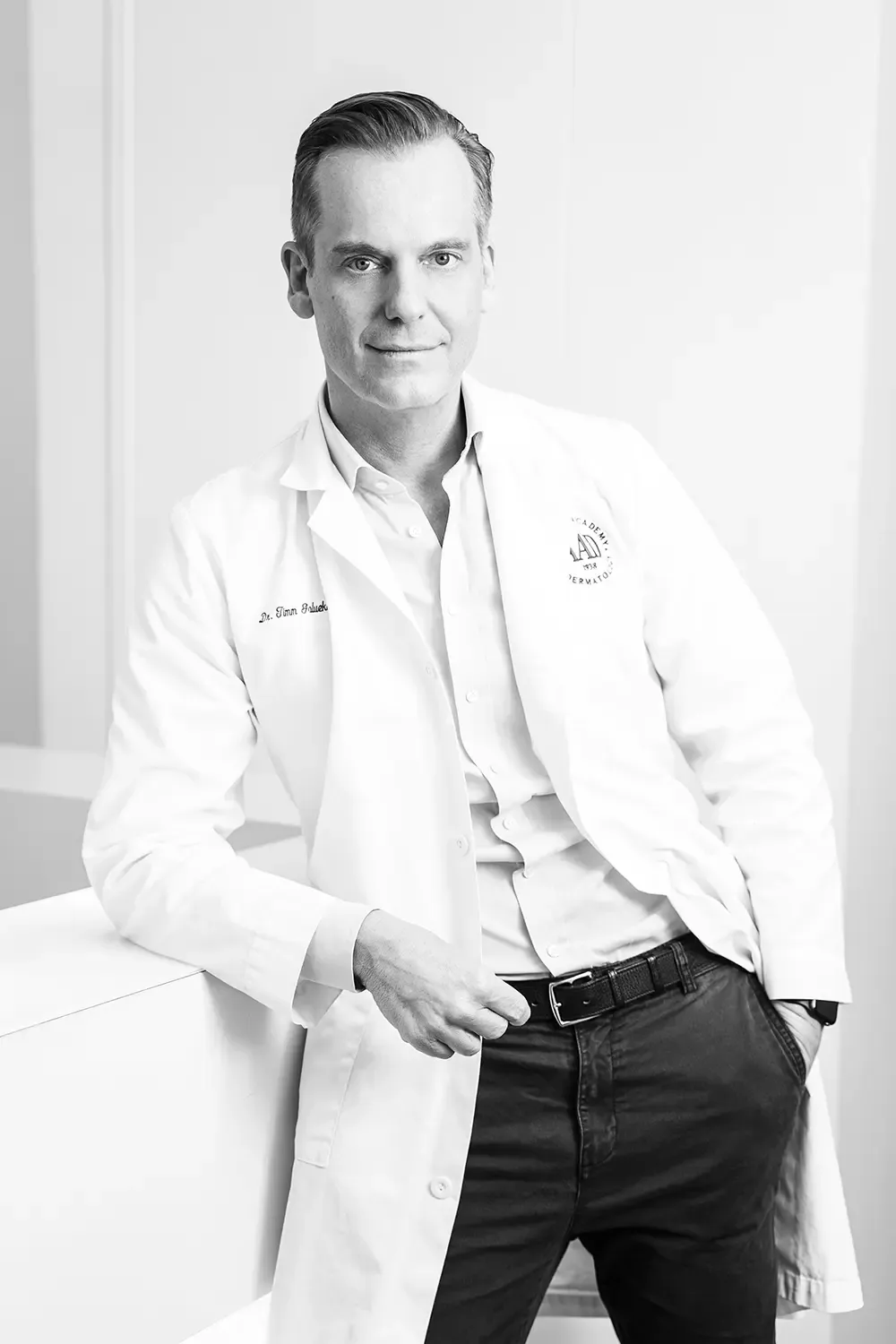
Dr. med. Timm Golüke
Minimal downtime, no surgery — and a tightening effect that continues to develop over weeks: XERF is one of the treatments currently making waves in aesthetic medicine The appeal is clear, especially since the face is not supposed to be altered by adding volume.
But what can XERF actually deliver? Who stands to benefit — and what do we know so far about potential risks? Dermatologist Dr. Timm Golüke already uses the technology in his practice. He explains what won him over — and where he deliberately keeps expectations in check.
XERF is being called THE beauty trend of 2026. What makes the treatment so special in your view?
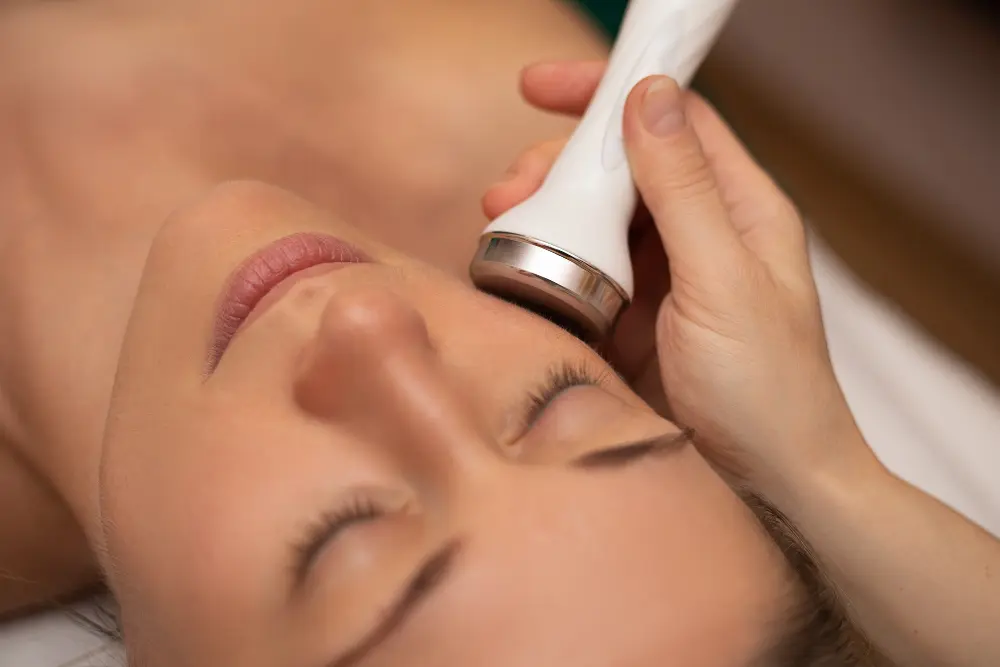
What convinced me about XERF is that we are not simply working on the surface. Skin aging occurs on multiple levels. And that is exactly what this technology allows us to address. XERF uses radiofrequency to deliver controlled heat into different tissue layers, which stimulates collagen production while simultaneously improving firmness and structure.
I appreciate treatments where the face doesn't suddenly look different afterwards — it should still look like you. Just fresher, firmer, and with better skin quality. And for many patients, the fact that surgery isn't required and their daily routine is barely disrupted is a significant advantage.
What does a XERF treatment involve — and what can you see immediately afterwards?
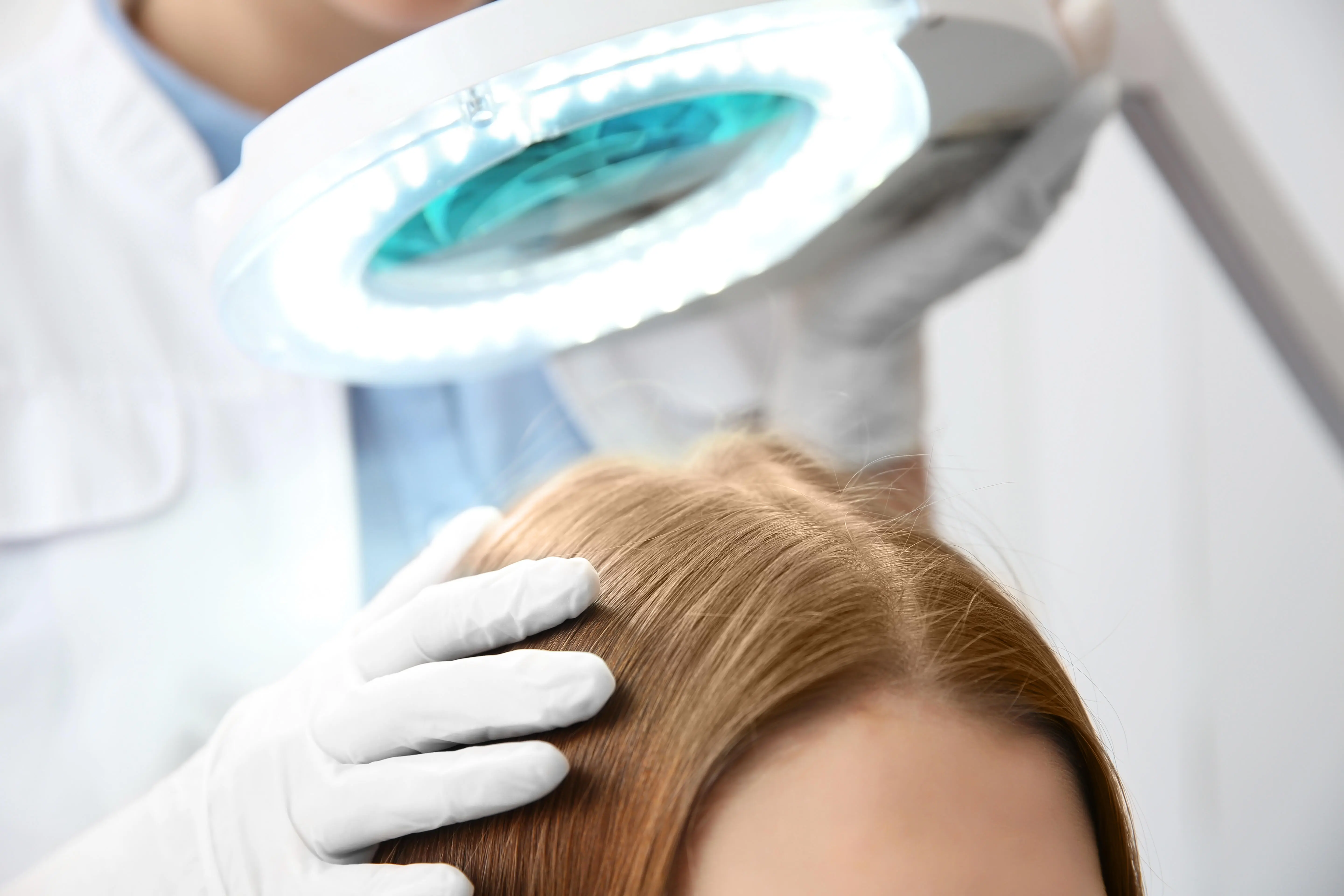
We start with a thorough assessment of the face. Where is there a loss of firmness? Where has skin quality declined? And what does the patient want to change? We then plan the treatment individually. I don't like working from a rigid template, because every face is different. Depending on the area being treated, the session takes approximately 30 to 60 minutes.
You will naturally feel the warmth — that's intentional. But it should never be painful. Afterwards, the skin is often slightly red and warm, and some patients experience mild swelling. This typically settles quite quickly.
There is no real downtime, and most patients can return to their daily routine straight away. That said, I wouldn't describe it as though the treatment leaves no trace. The skin has been treated and is allowed to respond accordingly.
For which skin concerns can XERF make the biggest difference?
I see XERF benefiting patients most whose skin is gradually losing firmness — where the jawline has become a little softer, the skin on the neck has lost its tension, or the skin overall no longer looks as compact. But XERF is not a solution for every problem.
With pronounced skin laxity, a non-invasive treatment will eventually reach its limits. In those cases, other options need to be discussed. For me, choosing the right indication is really what matters most.
How much can XERF actually tighten the skin — and when do you see the final result?
Some patients notice a degree of tightening immediately after the treatment, but that's not the result I would focus on. The real effect comes later. The heat stimulates the skin and promotes new collagen formation, among other things — and that takes time. I would say things get interesting after a few weeks, with the result continuing to develop over the following two to three months.
This has also been observed in the clinical studies conducted to date. How long the results last is not something that can be answered with a blanket statement — it depends on the patient, their age, their skin quality, and of course the ongoing aging process. That is why I don't promise my patients a specific number of years. My goal is to support the skin's own regeneration over the long term.
So can even a single XERF treatment produce a visible effect?
Yes, that's quite possible — but it very much depends on what we want to achieve and what the skin looks like.
With mild laxity, one session can already deliver a pleasing result. For other patients I would recommend several treatments — it really depends on the starting point.
But I would never say upfront: you definitely need three or four treatments. We look at how the skin responds, and then we decide from there.
A common concern is that deep radiofrequency could break down subcutaneous fat in the face, leaving it looking more hollow. How valid is this concern?
It's a completely valid concern. Radiofrequency is not simply radiofrequency — it all depends on how deep the energy is delivered, at what temperature, and at what intensity. That is precisely why you need to know what you are doing. My goal is not to deliver as much energy as possible as deep as possible into the face. The aim is controlled heating of the relevant tissue layers.
We also have to take the patient's individual anatomy into account. A very narrow face with little subcutaneous fat is treated very differently from a face with considerably more tissue. The existing XERF data show no indication of significant fat loss, which is reassuring. But we also have to be honest: the studies are still relatively small and the follow-up periods are still short. What we need most at this stage is more long-term data.
How do you position XERF in relation to fillers or a facelift?
For me, these are three entirely different tools. With a filler, I can selectively restore volume or refine a contour. Where a face lacks volume, that can make a great deal of sense. XERF does something different — the focus here is on stimulating existing structures and tightening the skin and tissue.
And a facelift is an entirely different category altogether. With significant skin and tissue laxity, surgery can achieve results that a non-invasive treatment simply cannot. I think it's important to be upfront about that.
There is no single treatment that does everything. Sometimes XERF is the right choice. Sometimes a filler. Sometimes a combination. And sometimes I would tell a patient that we don't need to do anything at all right now.
XERF is still a relatively new method. What do we know about its efficacy and safety — and what remains unknown?
The initial data are quite promising. We are seeing improvements in skin tightening and skin quality, along with a good safety profile so far. But we are still at an early stage, and that should be acknowledged.
The studies conducted to date involve relatively few patients, and the follow-up periods are not yet very long. What we are missing above all are larger, randomized studies and long-term data. Two things interest me in particular: How stable are the results over several years? And what happens to the various tissue layers over the long term?
That is precisely what makes XERF exciting to me. The early experiences are positive — now it's about continuing to gather data and deploying the treatment with ever greater precision.
In addition to Dr. Timm Golüke, Dr. Susanne Steinkraus and LVATE Face Aesthetics also offer XERF treatments within the PMC network.

From Seoul to Hollywood, a new radiofrequency treatment is turning heads: XERF aims to tighten skin without surgery or significant downtime. Dermatologist Dr. Timm Golüke explains what makes it different — and what the evidence tells us so far.
Christine Bürg & Marianne Waldenfels

An interview with
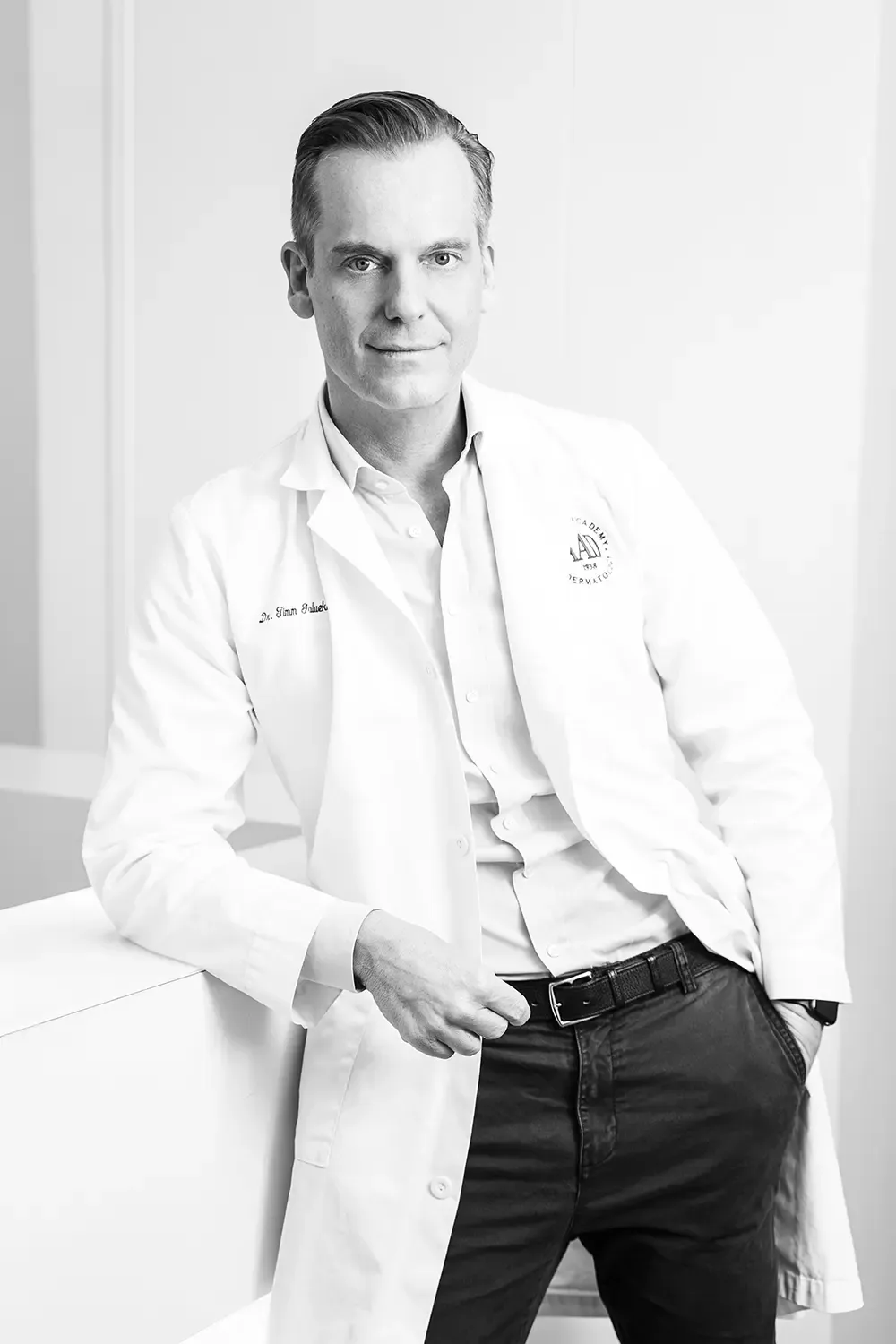
Dr. med. Timm Golüke

Significant weight loss changes the body – and the skin can't always keep up. Plastic surgeon Dr. Alexander Heinrich explains when body contouring makes sense, why he sees function and aesthetics as inseparable – and why he sometimes advises against surgery.
Christine Bürg & Marianne Waldenfels

An interview with
Dr. Alexander de Heinrich

Dark circles are often blamed on lack of sleep. But pigmentation, visible blood vessels, genetics, or facial anatomy may also play a role. Dermatologist Dr. Susanne Steinkraus explains why the cause matters when choosing the right treatment – and when caution is advised.
Christine Bürg & Marianne Waldenfels

An interview with
Dr. med. Susanne Steinkraus

Isotretinoin for acne — and a slimmer nose? The medication is being hyped on social media as a beauty hack. Dermatologist Dr. Elisabeth Zott explains what isotretinoin can actually change about the nose.
Christine Bürg & Marianne Waldenfels

With
Dr. med. Elisabeth Zott-Schuhmachers

Sun damage often develops long before it becomes visible. Dermatologist Dr. Hanna Halter explains which treatments and skincare ingredients really work – and which changes cannot be reversed.
Christine Bürg & Hanja Niederhammer

With
Dr. med. Hanna M. D. Halter

Lasers, retinol, biostimulators: which anti-aging methods actually work? Dermatologist Dr. Susanne Steinkraus breaks down which procedures are backed by science and what it really takes to maintain healthy skin.
Christine Bürg & Marianne Waldenfels

An interview with
Dr. med. Susanne Steinkraus