© Alexander Krivit
April 15, 2026
Christine Bürg & Marianne Waldenfels
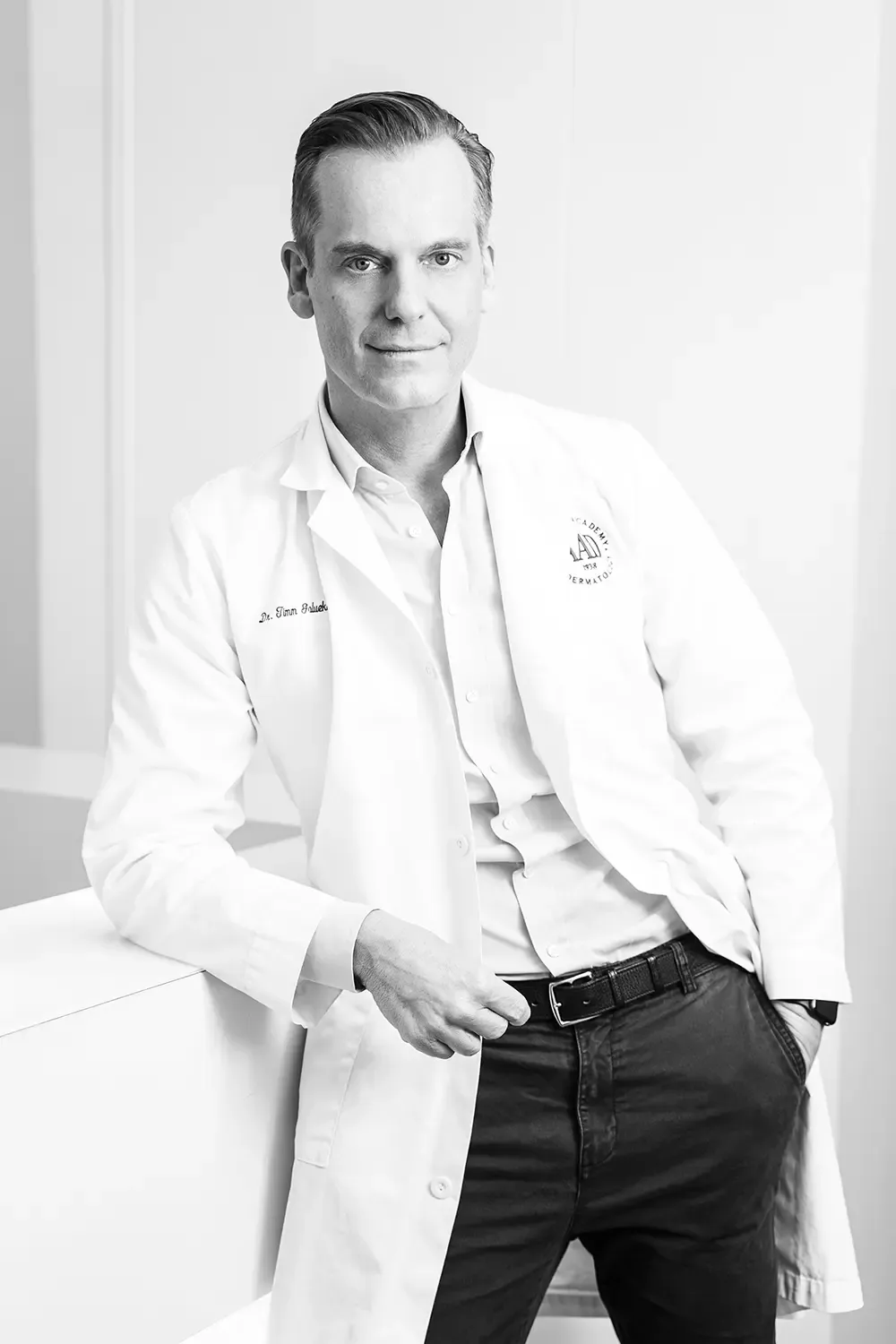
Dermatologist Dr. Timm Golücke explains the mechanisms of skin aging, the key factors that influence it, and how to maintain youthful-looking skin through skincare, lifestyle, and modern treatments

An interview with
Dr. med. Timm Golüke
How does skin aging occur—and what really helps against it? Only about 20 percent of how our skin ages is determined by genetics; the rest is influenced by our lifestyle. Dermatologist Dr. Timm Golücke explains which factors are crucial and how we can actively slow down skin aging.
Golücke, who developed the skincare line Royal Fern, also shares how targeted skincare, modern treatments, and a conscious lifestyle can help counteract these processes. He further explores the question of whether the skin can serve as a biomarker of our overall health.
I am a big advocate of the holistic view. When we look at someone, we intuitively estimate their age – and various factors play a role.
Regarding the skin, typical signs of aging are:
These damages often only appear years later. Many then remember intense sun exposure – for example, at the outdoor pool 20 years ago.
From a dermatological perspective, there are also changes like actinic keratoses, which are true light damages.
The biological age of the skin is determined using multispectral imaging. Special devices analyze various skin parameters, including moisture content, collagen and elastin levels, blood circulation, and UV-induced damage.
Based on this, a skin age can be calculated, which often deviates from the actual chronological age. Previous sun damage becomes visible, often in the form of high-contrast black-and-white images where hidden pigment changes are clearly visible.
A common first thought is: "I was never in the sun." And then one recalls earlier years.
What's important is:
Even if there is already damage, it is always worth starting – not only in terms of skin aging, but also for skin cancer prevention.
Ideally, one should use sunscreen daily, preferably mineral and tinted, as it also protects against visible light, which can also promote pigmentation and aging.
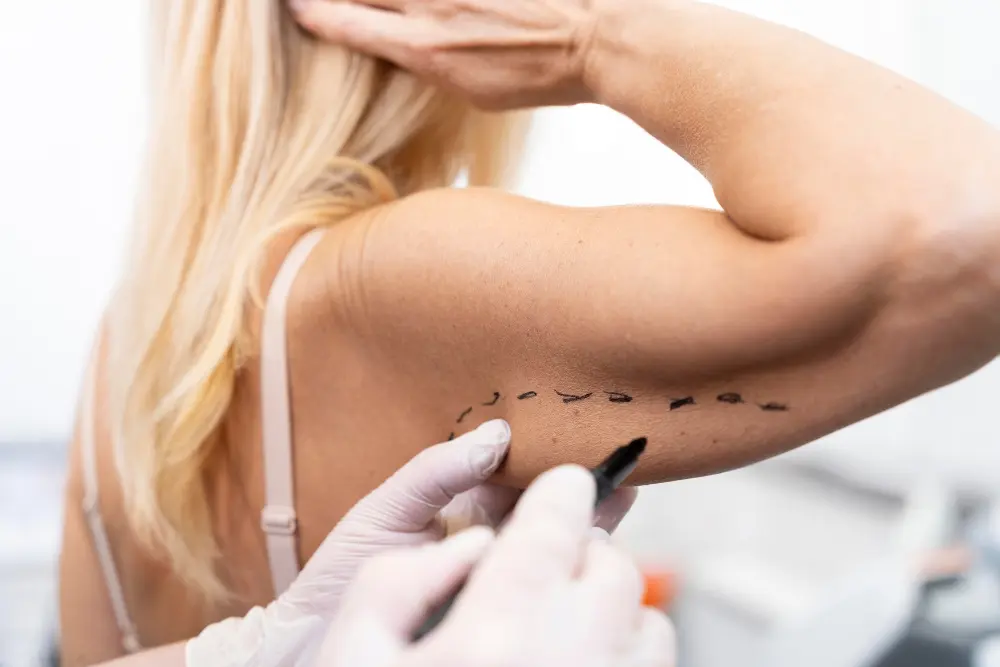
Furthermore, minimally invasive procedures and above all lifestyle factors play a central role in terms of skin longevity.
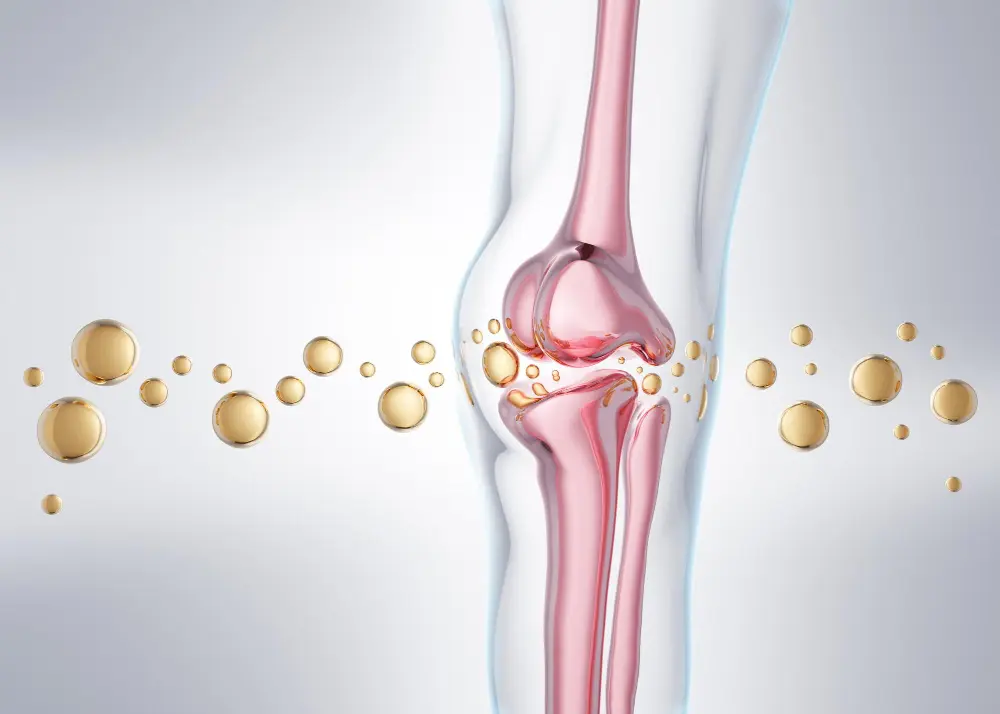
A central term in modern dermatology is "inflammaging," a chronic, low-level inflammation considered a major driver of skin aging. Over time, this leads to a continuous breakdown of collagen and elastin, while the body’s own production of these important structural proteins decreases.
Also, the hyaluronic acid content decreases, causing the skin to lose moisture and elasticity. In addition, reduced blood circulation worsens the supply of skin cells, and a less stable skin microbiome impairs the skin’s natural protective function.
Skin aging is primarily accelerated by external influences. One of the biggest factors is UV radiation without adequate protection, which significantly contributes to the breakdown of collagen. Lack of sleep and a sugar-rich diet also negatively affect the skin.
Even so-called blue light, for example from screens, can promote aging processes. Added to this are environmental burdens such as air pollution and a lack of exercise, which impair blood circulation and thus the supply of skin. All these factors interlock and affect skin health as a whole.
For me personally, sleep is one of the crucial factors, as the skin regenerates overnight. Ideally, you should try to get enough and regular sleep.
In addition, several factors play together:
Discipline is important, but just as crucial is serenity. Not everything has to be executed perfectly – mental relaxation, such as through meditation, can also contribute greatly.
In skincare, there are three fundamental components everyone should consider: sun protection, thorough cleansing – especially in the evening – and care products with antioxidant ingredients.
The most important antioxidants include:
They protect the skin from free radicals, which can be caused by UV radiation, stress, or environmental factors and can accelerate collagen breakdown.
The trend in aesthetic dermatology is increasingly moving away from purely volumizing towards what is known as biostimulation. This involves specifically stimulating the skin to activate its own regeneration processes and produce more collagen again.
The most important procedures include:
Nowadays, many patients consciously prefer natural approaches, particularly those that work with the body's own substances.
The skin has always been an important indicator of internal diseases. Certain skin changes can indicate systemic diseases at an early stage.
For example, typical facial redness can appear in autoimmune diseases like lupus, while diseases such as rheumatism or diabetes can be visible on the skin. In the future, the skin will likely be used even more as an indicator of our overall health and longevity.
Good skincare is less about perfection than consistency. Discipline and regularity are key – combined with a relaxed approach to exceptions.
A typical day might look like this:
Smoking should be avoided, and alcohol should be consumed in moderation. At the same time, exceptions are part of life – and are often healthier in the long run than a regime that's too strict.