© Екатерина Мясоед
May 29, 2026
Marianne Waldenfels
Inner restlessness, emotional exhaustion, and years of misdiagnoses: Many women live with undiagnosed ADHD for decades. An interview with ADHD expert Dr. Astrid Neuy-Lobkowicz about neurodivergence in the second half of life, late diagnoses, and new ways to improve quality of life
Many women do not receive an ADHD diagnosis until their mid-40s, 50s, or even later in life. For decades, they are labeled as overly sensitive, chaotic, too emotional, or chronically exhausted, without realizing that their struggles may rooted in a neurobiological condition.
One reason for this is that women often do not display the “classic” hyperactive form of ADHD. Instead of appearing loud or constantly restless, many experience inner tension, sensory overload, concentration difficulties, or emotional exhaustion — symptoms that are frequently overlooked or misattributed to other mental health conditions.
ADHD is still widely perceived as a disorder of childhood and adolescence. Yet studies and clinical experience clearly show that the majority of those affected continue to struggle with symptoms such as inner restlessness, concentration difficulties, emotional overwhelm, or a persistent feeling of being “different” well into adulthood.
These symptoms do not simply disappear with age. On the contrary, especially in the second half of life, coping strategies that once worked often begin to fail. Hormonal changes, chronic stress, health problems, or the loss of fixed daily routines can cause symptoms that have been masked for decades to suddenly become much more visible.
Why ADHD in later life remains a blind spot in medicine and society, why women are so often diagnosed late, and why receiving the right diagnosis can bring enormous relief are topics we discussed with ADHD expert and specialist in psychosomatic medicine and psychotherapy Dr. Astrid Neuy-Lobkowicz, whose new book ADHD in the Second Half of Life has just been published by Kösel.
How does an ADHD diagnosis in adulthood proceed?
The most important thing is a thorough medical history. The core symptoms of ADHD should ideally be verifiable from childhood. However, this is sometimes not the case with well-supported and intelligent girls. Tests and computer-aided diagnostics do not have any standalone value for the diagnosis.

For ADHD, it should be considered whether there have always been concentration problems and high distractibility throughout life. Affected individuals have problems starting and finishing tasks. They also experience rapid mood swings. They feel quickly offended, hurt, attacked, or set back.
For hyperactive ADHD individuals, there is often a lifelong inner restlessness, and they find it hard to unwind in the evening. Some ADHD individuals also frequently show impulsive behavior, with intense emotional outbursts or impulsive actions, without considering the consequences of their decisions. Furthermore, ADHD individuals have problems planning, maintaining order, and prioritizing.
What is actually the difference between ADHD and ADD?
ADHD stands for Attention Deficit Hyperactivity Disorder, but particularly women are often not hyperactive. They have an attention deficit disorder alone. Actually, the umbrella term should be ADD, and ADHD is just a special form.
How do male and female symptoms differ?
Women have more of the inattentive type, which is significantly less conspicuous and is more noticeable in that they are distractible, dreamy, thin-skinned, and very sensitive. They take things to heart very quickly, are very sensitive and easily hurt, and have great difficulty organizing themselves well.
They literally swallow their feelings instead of flinging them out into the world like hyperactive ADHD individuals. This is the reason why women receive the diagnosis 4 years later and unfortunately also get help 4 years later.
What role do hormones play in ADHD?
A very big one for women. We see in all hormonal changes a significantly higher rate of deterioration, be it premenstrual or in menopause. But also after birth, the rate of postpartum depression is higher in women with ADHD.
How often is ADHD mistaken for depression, anxiety disorders, or bipolar disorder?
50% of those affected by ADD/ADHD develop anxiety disorders and/or depression over their lifetime. The problem is that the underlying ADHD is often not recognized, and then the Depression and anxiety disorders cannot be adequately treated either if both are present.
If specialists or psychotherapists do not know about ADHD, I also see bipolar disorder more often as a misdiagnosis. Then the symptoms of ADHD are incorrectly attributed to another disorder. Now this is complicated, because people with ADHD are also at a higher risk of developing bipolar disorder in addition to their ADHD, and then both conditions must be treated.
What are the consequences of a decades-long misdiagnosis?
It actually has serious consequences. So often I experience that patients, when I tell them the diagnosis of ADHD, simultaneously laugh and cry. They are relieved that their lifelong problems now have a name and that they are not to blame. No one is to blame for ADHD.
But they are also shaken that the diagnosis has only just been made. Most patients have been previously treated for years. They have often already undergone three psychotherapies, worked on their inner child, and learned mindfulness training. But that hasn't really helped. Many have also tried a lot of psychotropic drugs without striking success or they were in clinics where ADHD was also not recognized.
And this is really relevant, a new study from England from 2025 shows that untreated ADHD sufferers have a life expectancy that is 9 years shorter for women and 7 years shorter for men, and that is more than with many tumor diseases. Unfortunately, this is also not on the radar of general practitioners and internists.
As a first measure, the guideline recommends treatment with stimulants (Ritalin or Methylphenidate or Elvanse or Lisdexamfetamine). ADHD is congenital in most cases and is a neurobiological disorder. The brain messenger Dopamine is broken down too quickly and needs to be substituted via medication.
Unlike all other mental illnesses, medication is recommended as the first measure rather than psychotherapy, and it is incredibly effective. 30-40% of those affected by AD(H)D do not need psychotherapy at all. If psychotherapy is necessary, behavioral therapy should be used, but the therapist should also have experience in treating ADHD.
How does a proper diagnosis change the psychological life of those affected?
Often dramatically, because ADHD is the most rewarding disease pattern in psychiatry and the medication is highly effective. Often, those affected can read a book, tidy up, or start necessary work on time for the first time. With medication, they also succeed much better in gaining control over their emotions.
And very importantly, they can better understand and accept themselves and their previous lives. These experiences can also improve self-esteem.
How does the treatment of ADHD in the second half of life differ from that in young years?
What we see is that ADHD is associated with many mental and physical illnesses, which accumulate over a lifetime. 80% of those affected by AD(H)D have at least one mental illness, and over 50% have two or more additional mental illnesses.
These are primarily depression, anxiety disorders, addiction, but also eating disorders. In the second half of life, we also see an increase in obesity, diabetes, high blood pressure, autoimmune diseases, inflammatory bowel diseases, etc... Many factors come together.
People affected by ADHD often have poor diets because they cannot plan; they eat too much fast food, exercise too little, smoke more often, and above all, they have much more stress due to their ADHD symptoms. We also frequently see early burnout syndromes.
How are the gut or microbiome and ADHD connected?
Probably very much. To eat healthily, they need to plan well. They have to buy the right things, prepare healthy meals, set the table, clean the kitchen, and separate the waste. All of this is particularly difficult for those affected by ADHD.
They suddenly get hungry and have a hard time postponing needs. And then they quickly tear open the bag of chips or pour water on the instant soup or put the frozen pizza in the oven.
We know that the consumption of highly processed foods gut microbiome changes massively. This might also be the reason for the increased rate of intestinal inflammation. However, this has not yet been conclusively clarified.

Matcha vs. Oolong: Which tea is healthier, provides more energy — and what does the research say?
Marianne Waldenfels

© Dominik Rößler/Penguin Random House Verlag
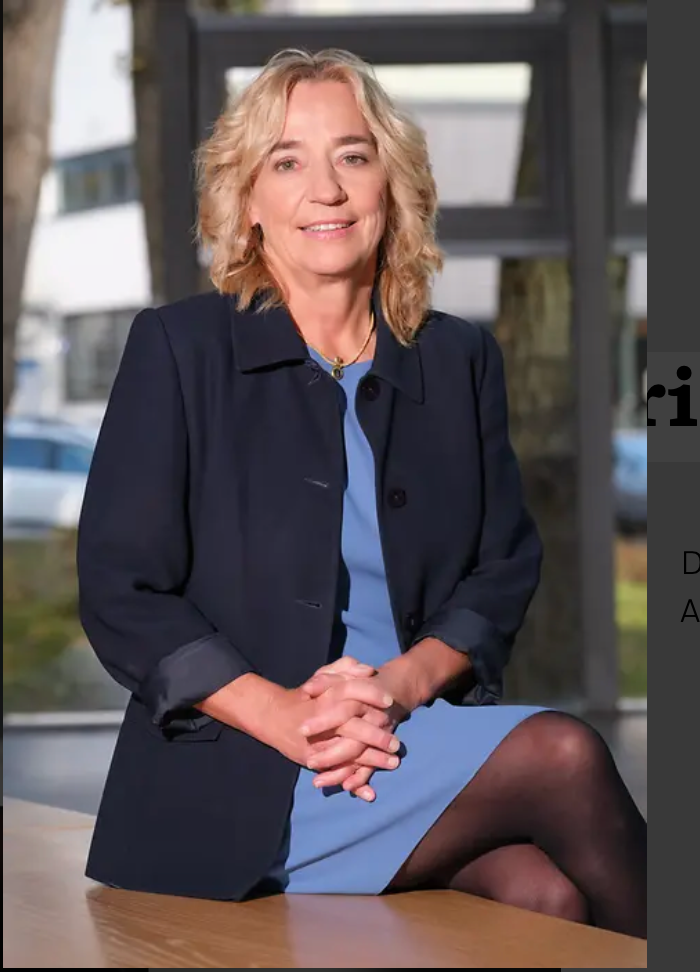
Dr. med. Astrid Neuy-Lobkowicz, specialist in psychosomatic medicine and psychotherapy, is co-founder of the ADHD Center Munich.
S in der zweiten Lebenshälfte_COVER.webp)

© PR
AD(H)D in the Second Half of Life by Dr. med. Astrid Neuy-Lobkowicz and PD Dr. med. Daniel Schöttle, Kösel Verlag