© Mart Production
July 16, 2026
Marianne Waldenfels
Often overlooked, beans and chickpeas are among the healthiest plant foods. Research suggests they may benefit the heart, metabolism, and the gut microbiome.
Matcha, chia seeds, goji berries, collagen powder — hardly a year goes by without a new nutrition trend. Beans and chickpeas, by contrast, seem decidedly unglamorous. They are affordable, widely available, and rarely generate buzz on social media. Yet they are among the foods whose health effects have been most thoroughly studied.
Several large long-term studies, systematic reviews, and meta-analyses have repeatedly reached a similar conclusion: people who regularly eat legumes tend to have a lower risk of cardiovascular disease and type 2 diabetes, as well as more favorable cholesterol and blood sugar levels.
Research into the gut microbiome is also mounting evidence that beans and chickpeas are far more than just a source of protein.
No single food can prevent disease, of course. Yet few plant-based food groups are currently viewed as consistently favorably by researchers as legumes.
Legumes offer high-quality plant protein, complex carbohydrates, and are among the most fiber-rich foods available. They also contain magnesium, potassium, iron, folate, and a range of secondary plant compounds.
What likely matters most is not any single nutrient, but the way these nutrients work together.
The number of high-quality studies on legumes has grown considerably in recent years. Not every study arrives at exactly the same result, but the overall picture is remarkably consistent: regular consumption of legumes is frequently associated with better heart health and metabolic health.
Here is an overview of the most important areas.
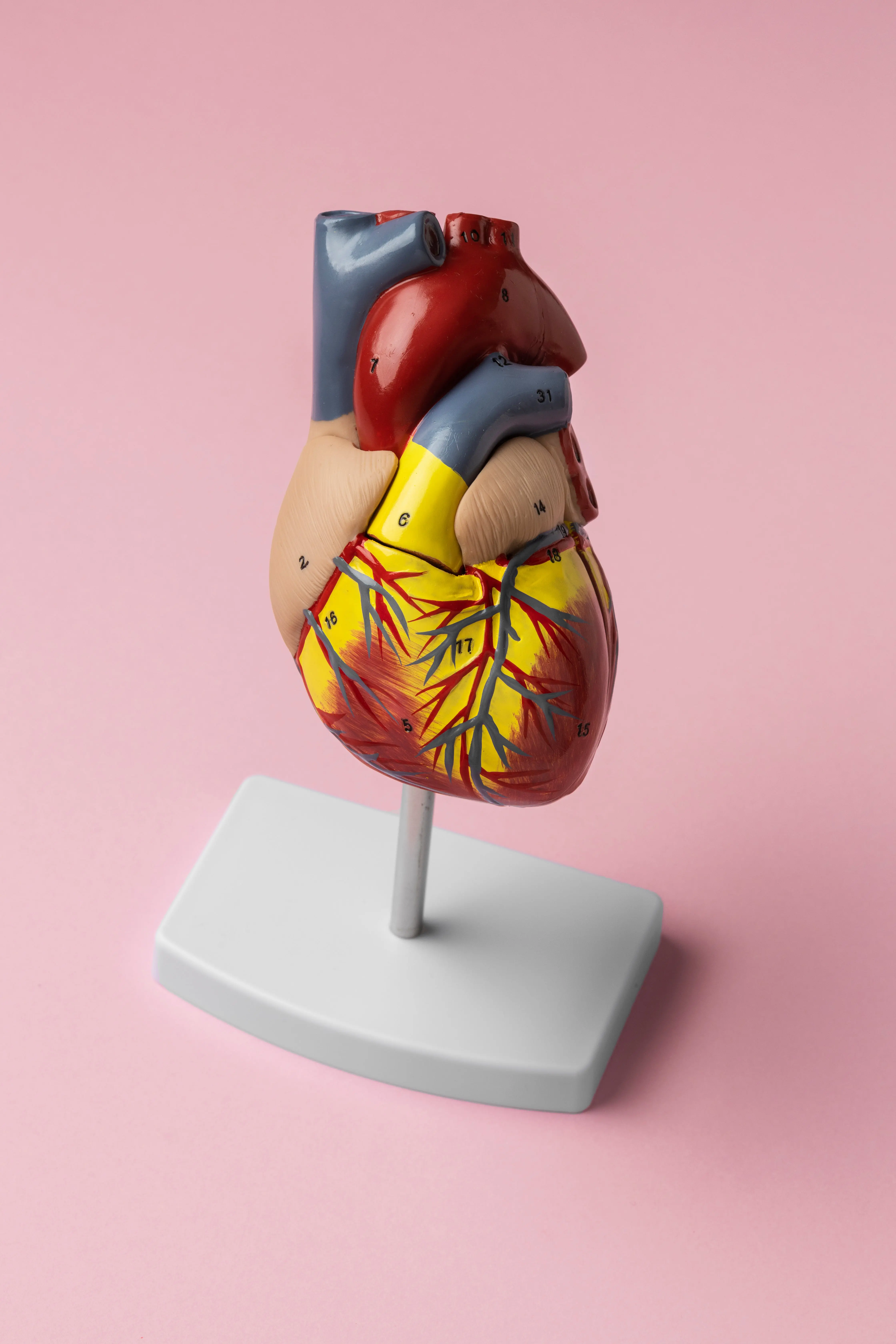
The idea that legumes may benefit the heart is now one of the most thoroughly researched areas of nutritional science. Several large meta-analyses have independently reached similar conclusions.
Lasers, retinol, biostimulators: which anti-aging methods actually work? Dermatologist Dr. Susanne Steinkraus breaks down which procedures are backed by science and what it really takes to maintain healthy skin.
Christine Bürg & Marianne Waldenfels

An interview with
Dr. med. Susanne Steinkraus

Hormone replacement therapy during menopause: What are the benefits and risks? Here's what current guidelines and the latest evidence recommend.
Birgitta Dunckel

With
Dr. Petra Eisenmann

A new study examines TikTok videos about ADHD, depression, and narcissism. A psychiatrist explains the risks of self-diagnosis
Christine Bürg & Marianne Waldenfels

With
Prof. Dr. med. Andreas Menke

"Feel good, live better" – In this episode of the podcast, Dr. Yvonne Ebel discusses herniated discs and knee osteoarthritis, exploring what can be achieved today without resorting to surgery.
Christine Bürg

An interview with
Dr. med. Yvonne Ebel
A dose-response meta-analysis of 26 observational studies found that people with the highest legume consumption had around a 10 percent lower risk of coronary heart disease than those with the lowest consumption. Their overall risk of cardiovascular disease was also about 6 percent lower.
For stroke risk, however, no clear association could be demonstrated.
The data suggest potential benefits of legumes not only for heart health but also for metabolism. Their high fiber content and low glycemic index mean that blood sugar rises more slowly after a meal compared to many other carbohydrate-rich foods.
At the same time, beans and chickpeas provide plant protein and promote lasting satiety — properties that are particularly relevant for people with prediabetes or type 2 diabetes.
A recent randomized intervention study from the United States suggests that favorable changes may be seen in as little as a few weeks. In the study, 72 adults with prediabetes were assigned to eat either one cup of chickpeas, black beans, or rice as a comparison group daily for twelve weeks.
In the chickpea group, total cholesterol levels improved, among other markers, while in the black bean group the inflammatory marker interleukin-6 decreased. No significant differences were found for blood sugar parameters such as fasting blood glucose, however.
The results were presented at the annual meeting of the American Society for Nutrition (NUTRITION 2025) and are currently available as a published conference abstract. A full peer-reviewed original publication has not yet appeared. The study therefore does not yet constitute proof of long-term health benefits, but it does contribute initial controlled data to the existing body of evidence.
The gut microbiome is now considered one of the most exciting frontiers in nutritional medicine — and this is precisely where beans and chickpeas may play an important role.
For a long time, fiber was valued mainly for supporting healthy digestion. Today we know it can do much more. These indigestible plant fibers serve as food for many gut bacteria. As they are broken down, short-chain fatty acids such as butyrate are produced, which strengthen the intestinal lining and may also influence inflammatory processes and metabolism.
Separately from the intervention study described above, a randomized study published in Nature Communications in 2025 also provides evidence that legumes may positively influence the gut microbiome.
The researchers observed changes in the composition of the gut flora alongside more favorable metabolic markers in people with prediabetes. This suggests that some of the health effects of legumes may be mediated through shifts in the gut microbiome — though the exact role of the microbiome in this process remains the subject of active research.
Legumes offer a combination that few foods can match: generous amounts of plant protein and abundant fiber. Together, these properties tend to promote lasting fullness and slow the rise of blood sugar after a meal.
This makes it easier for many people to pass on high-calorie snacks. Over time, this could help maintain a healthier body weight — one possible reason why legume consumption is frequently associated with a more favorable weight in observational studies.
There is no straightforward answer. Most studies examine legumes as a single food group and do not systematically distinguish between individual varieties. It is therefore not currently possible to say that chickpeas, kidney beans, or lentils are inherently healthier than the others.
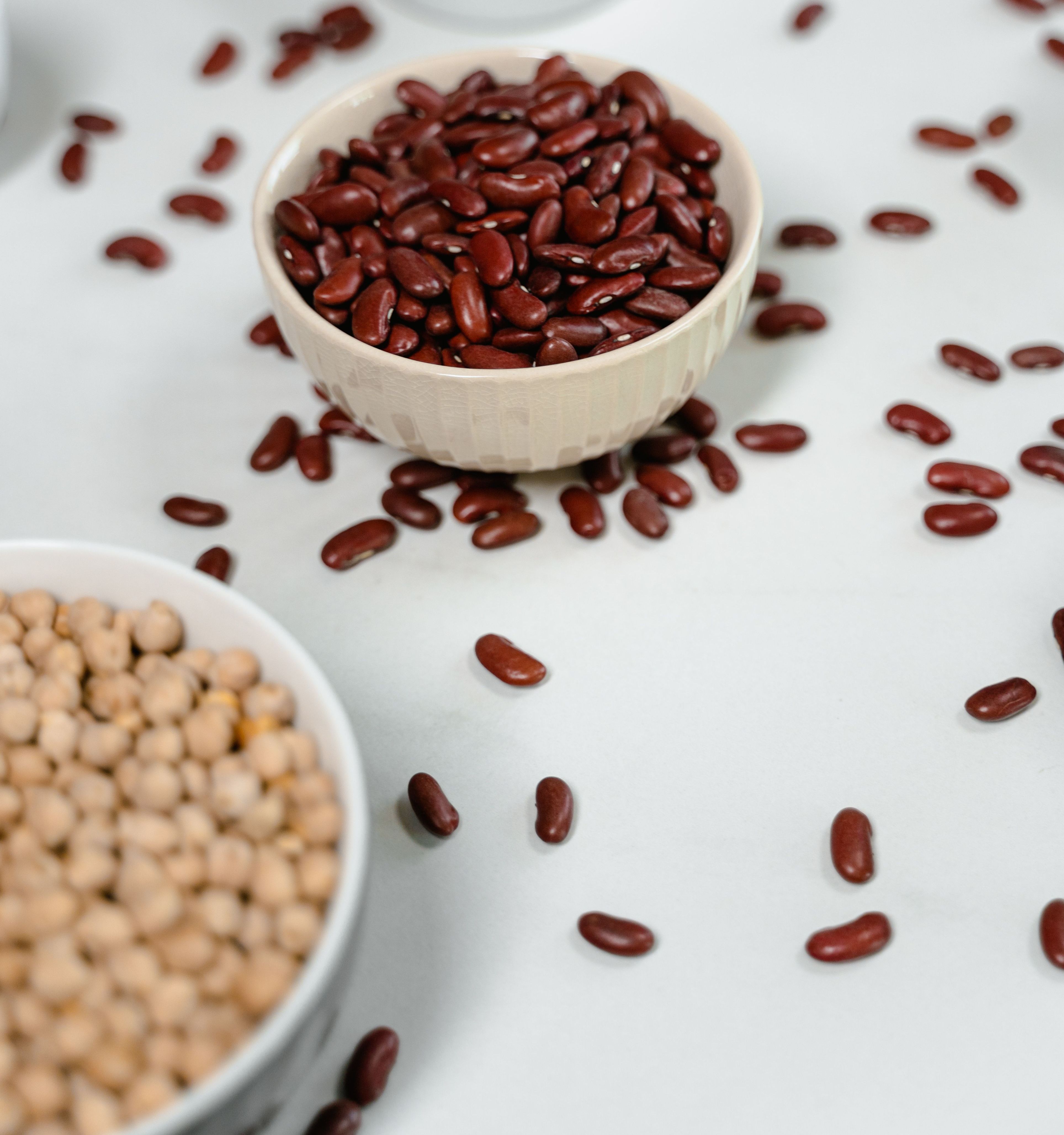
That said, there are minor differences in nutritional profiles. Chickpeas are particularly rich in folate and magnesium and high in plant protein. Kidney beans are an excellent source of fiber, while black beans are especially high in polyphenols — secondary plant compounds with antioxidant properties. White beans, in turn, are a good source of potassium.
For health purposes, it probably matters less which legume ends up on the plate than how often it appears there. Rotating through different varieties allows you to benefit from a broad spectrum of nutrients.
The German Nutrition Society (DGE) recommends incorporating legumes regularly into the diet. They are considered an important component of a predominantly plant-based eating pattern and can meaningfully replace meat in individual meals. Doing so not only increases fiber intake but also tends to lower the proportion of saturated fatty acids in the diet.
As a general guideline, at least one portion per week is recommended, corresponding to approximately 70 grams of dried or 125 grams of cooked legumes.
The health benefits observed in large observational studies, however, were mostly seen in people who ate legumes more frequently — often several times per week. While an ideal intake cannot be derived from this, the data do suggest that legumes can comfortably appear on the menu more often.
This is particularly easy to achieve when beans or chickpeas are not simply used as a side dish but partially replace meat in individual meals — for example in salads, curries, soups, stews, or as hummus.
Many people reach for canned varieties out of convenience. The good news: from a nutritional standpoint, there is little reason not to.
Protein, fiber, and most vitamins and minerals are largely preserved during the canning process. The one caveat is that some products have a higher salt content. Rinsing beans or chickpeas thoroughly under running water before eating can remove some of this excess salt.
When it comes to health benefits, it probably matters little whether legumes come from a can or are cooked from scratch. What matters more is that they are eaten regularly.
It is well known that beans and chickpeas can cause gas. Certain fibers and so-called oligosaccharides are responsible. These carbohydrates are not fully broken down in the small intestine and instead are fermented by bacteria in the large intestine, producing gases — a sign that the gut flora is actively processing the fiber.
Many people find, however, that they tolerate legumes better once they become a regular part of the diet. Soaking and cooking dried legumes thoroughly, as well as rinsing canned ones, can also help reduce some of the gas-producing compounds. It is therefore generally worth gradually increasing the amount consumed rather than avoiding beans and chickpeas altogether.
Beans and chickpeas are among the most extensively studied plant-based foods in nutrition science. Large observational studies and meta-analyses consistently link their regular consumption to a lower risk of cardiovascular disease and more favorable metabolic health. Early randomized studies also point to positive changes in individual risk markers and the gut microbiome.
Even though clear causal proof is still lacking, the totality of the evidence paints a remarkably consistent picture. Legumes provide high-quality plant protein, abundant fiber, and a wide range of micronutrients — and they can also be incorporated into the diet with ease.
While new superfoods are hyped every year, beans and chickpeas have been staple foods of many cultures for centuries. Modern nutrition research is increasingly confirming that they have earned that place.
Perhaps that is precisely where their greatest strength lies: while new superfoods make headlines every year, beans and chickpeas have been staple foods of many cultures for centuries. Modern nutrition research is increasingly confirming that they have earned that place.