© © Jan von Holleben / Trunk Archive
New long-term studies show that high glucose levels in middle age increase the risk of Alzheimer's.
June 27, 2023
Margit Hiebl
What are my blood sugar levels actually like? A question that not only diabetics should ask themselves. Because the glucose check can truly be a life changer for all of us. A self-test.
They are becoming more common: people with a button on their arm. More specifically, a sensor that measures blood sugar levels every minute and transmits them to an app. This allows you to check anytime and anywhere whether and how the ice cream, lunch, or the 0-minute walk affected your glucose levels. And this is now of interest not only to diabetics. Also athletes and biohackers track their blood sugar levels.
Social media figures like "Glucosegoddess" Jessie Inchauspé with 1.6 million followers and digital nutrition programs like "MillionFriends" or "Hello Inside" even speak of life change through glucose checking. The idea behind it is simple: The body is unique, so should be its Nutrition be like this. What is good for you may not be good for me.
What is good for me, why I often felt sluggish even after light meals, and what that has to do with my blood sugar, I wanted to know more. So I started wearing the button. "Science meets gut feeling," the slogan of my program from "MillionFriends", which was developed at the Institute for Nutritional Medicine at the University of Lübeck, sounds promising.
First, I apply a standard blood sugar sensor to my upper arm. Although a microfine, flexible filament is inserted into the tissue and remains there, it does not hurt and does not interfere with showering, Sleep or Sports not.
The sensor is paired with an app ('LibreLink'). This sends the sugar levels to a second app – my digital dietitian from 'MillionFriends'. There, I enter pre-defined and personal test meals, called challenges, and also sporting activities, sleep time and well-being.
This also evaluates my blood sugar reactions to everything. Why is this so interesting? How blood sugar levels react to a food shows how well the metabolism handles it. A sign of a balanced meal is when the blood sugar curve remains flat for as long as possible.
This also keeps you full longer and more productive. That blood sugar levels always have highs and lows even in non-diabetics is normal, but it also depends on diet, exercise, mood, and stress.
However, too strong and constant ups & downs become a burden and a health risk: Excess sugar is stored as fat after a strong increase. A strong drop leads to cravings and thus excessive calorie intake. The constant roller coaster leads to fatigue, tiredness, and lack of concentration.
In the long run, inflammatory reactions, premature aging, and diabetes set in. 14 days and 127 entries later, I receive my evaluation with top and flop meals. I learn that rice as a side dish works better for me in the evening than at noon – this explains why sushi makes me so tired at noon.
Pasta, on the other hand, is better at noon. One of my most surprising findings is: Fat apparently keeps my blood sugar more stable than protein. For example, I can better mitigate the blood sugar response to carbs with avocado on toast than with quark. The same applies when I drink coffee with it.
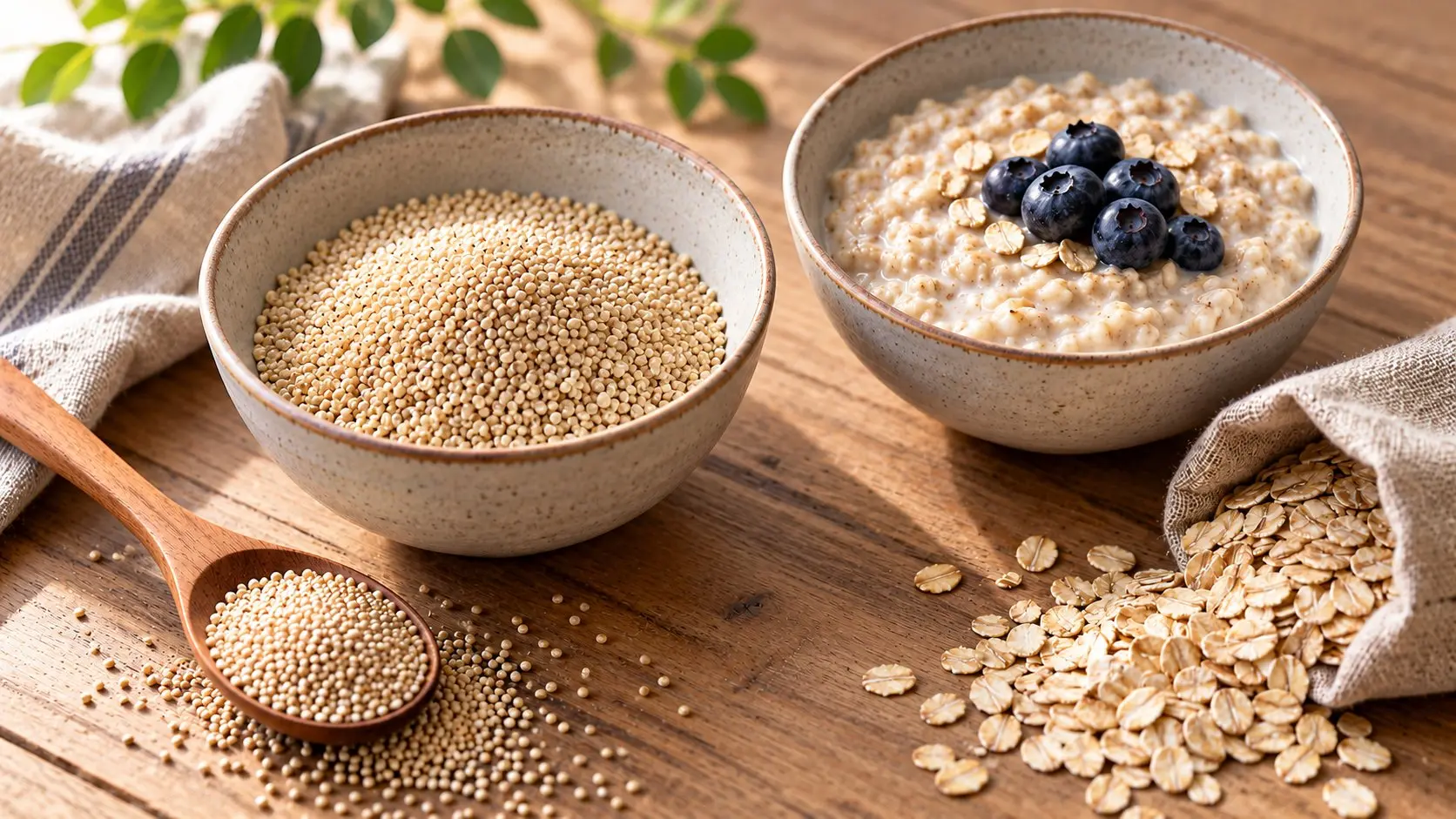
And I see that porridge with fruit keeps my curve flatter than with milk. Likewise, banana over apple. And in terms of snacks: gummy bears are better for me than chocolate – cookies and ice cream are even better.
I also treated myself to a bar challenge and let gin and tonic and red wine compete against blackcurrant spritzer. Result: gin and tonic and red wine clearly won. But here's the sobering truth: The flat curve only proves that the liver first deals with important things – that is, the breakdown of toxins – and then with sugar.
Even though everyone reacts differently to food, there are a few hacks that, according to glucose experts, generally keep the curve flatter: Eating in the right order 'dresses' the carbohydrates. This means: start with salad or vegetables, then fat and proteins, then carbohydrates and sugar – so the dessert right afterwards.
Or: drink a glass of water with a tablespoon of apple cider vinegar 20 minutes before eating – this prevents carbohydrates from being quickly broken down and keeps the curve flat. If you then walk around the block for 10 minutes, you're on the right track, because exercise also lowers blood sugar levels. All in all, an exciting experiment that I will repeat, because there is still so much to discover.
Also in science: New long-term studies show that high glucose levels in middle age increase the risk of Alzheimer's, reducing it mitigates the effects. Another study suggests that high peaks in depression are associated with an intensification of symptoms.
For migraines, studies suggest that strongly fluctuating blood sugar responses are associated with seizures. Which foods trigger this is individual and can be determined using a digital health application (for example, "sinCephalea").