© Kaboompics
March 8, 2026
Sharon Burbat
Always tired despite 8 hours of sleep? Learn the most common causes—from sleep apnea to nutrient deficiency—and what you can specifically do about it.
Do you sleep 7 to 9 hours and still wake up exhausted? You are not alone. Persistent fatigue despite sufficient sleep is a widespread problem that leaves many affected individuals puzzled. This guide explains the most common causes and shows what you can specifically do about it.
According to sleep research, most adults need 7 to 9 hours per night. But sleep duration alone is no guarantee for recovery. Three factors are crucial:
• Sleep duration – a sufficient number of hours
• Sleep quality – deep, undisturbed sleep phases
• Sleep rhythm – regular bedtimes and wake-up times
Who neglects all three suffers from chronic fatigue despite long hours in bed.
1. Poor sleep quality
Not every hour of sleep is equal. Frequent waking, shallow sleep, or nighttime rumination interrupt important deep sleep phases – the phase where body and mind truly regenerate. Stress is one of the biggest disruptors: The body doesn't leave alarm mode, even when lying in bed.
Typical signs: Intense or restless dreams, a leaden feeling in the morning, difficulty falling asleep despite exhaustion.
2. Sleep apnea – often unrecognized
In sleep apnea, there are nocturnal breathing pauses that interrupt sleep several times per hour – often without the affected person noticing. The result: extreme daytime fatigue, concentration problems, and an increased risk of high blood pressure.
Warning signals: Loud snoring, dry mouth in the morning, morning headaches. Evaluation in a sleep lab recommended.
3. Hormonal imbalances
Hypothyroidism, adrenal fatigue, or a disturbed cortisol level can cause the body to remain in energy-saving mode permanently. Hormonal changes due to PMS, menopause, or hormonal contraceptives also significantly affect energy levels.

Recommendation: Request a blood test including TSH, fT3/fT4, cortisol, and vitamin D from the doctor.
4. Nutrient deficiencies
Deficiencies can occur even with a balanced diet – especially in iron, vitamin B12, magnesium, and folic acid. These micronutrients are essential for cellular energy and nerve function.
Typical accompanying symptoms: concentration problems, hair loss, pale skin, increased irritability, depressive mood. A simple blood test provides clarity.
5. Psychological stress and chronic stress
Chronic stress, anxiety disorders, or depressive phases prevent the mind from truly shutting down during sleep. Those who sleep with inner tension rarely wake up refreshed – even after long nights.
What helps: Set evening routines, digital detox before sleeping, stress reduction through exercise or professional support.
6. Unfavorable lifestyle
Small habits with a big impact:
• Caffeine or alcohol in the evening disrupts sleep architecture
• Lack of exercise noticeably reduces sleep quality
• Irregular sleeping times disrupt the internal clock (circadian rhythm)
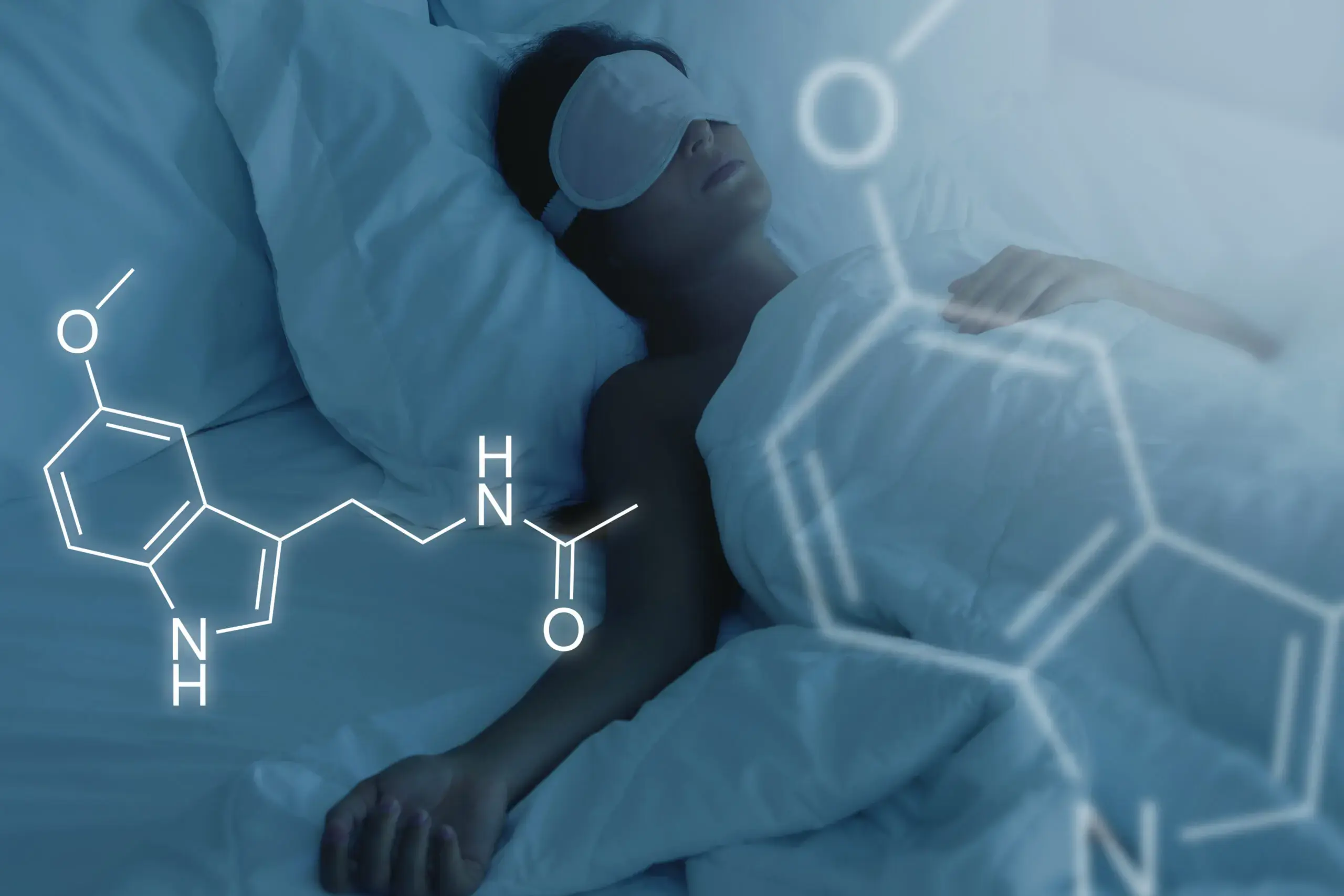
• Too little daylight inhibits natural melatonin production in the evening
Seek medical advice if:
• the fatigue lasts longer than 2 to 3 weeks
• it affects your daily life, work, or social relationships
• accompanying symptoms occur such as hair loss, weight gain, heart palpitations, or depressive mood
Important: Persistent fatigue may also indicate more serious conditions such as Chronic Fatigue Syndrome (ME/CFS), autoimmune diseases, or diabetes.
Absorb morning light: 15–30 minutes of daylight right after waking up regulate the internal clock and increase alertness.
Daily exercise: Just a 20-minute walk significantly boosts energy levels – ideally outdoors.
Make the most of power naps: A maximum of 20 minutes of a nap at noon is refreshing; longer naps make it harder to fall asleep at night.
Digital detox: At least 1 hour before bedtime, no screens – blue light inhibits melatonin production.
Stabilize sleep rhythm: Same bedtime even on weekends – the most crucial step for long-term better sleep quality.
Why am I always tired even though I sleep 8 hours?
Sleep duration alone is not enough. Poor sleep quality, sleep apnea, nutrient deficiencies, or hormonal issues can lead to exhaustion despite long sleep. A blood test and possibly a sleep study can provide clarity.
What illnesses cause constant fatigue?
Common causes include hypothyroidism, anemia (iron deficiency), sleep apnea, diabetes, depression, and chronic fatigue syndrome. Persistent symptoms should warrant a visit to a doctor.
What helps immediately against morning fatigue?
Direct daylight after waking, a glass of water (dehydration worsens fatigue), and light exercise help the body to wake up faster. Caffeine is more effective 60–90 minutes after waking according to chronobiology.
Can stress really make you tired even if you get enough sleep?
Yes. Chronic stress increases cortisol levels and prevents deep sleep phases. The body sleeps but does not fully regenerate. Stress management and relaxation techniques are as important as sleep hygiene in such cases.
Conclusion
Constant tiredness despite getting enough sleep is not a sign of weakness – it is a signal from the body. Whether it's sleep quality, hormones, nutrients, or lifestyle: in most cases, the cause can be found and treated. Those who take warning signals seriously and approach them in a targeted manner can sustainably regain their energy.