© Celine I
April 28, 2026
Marianne Waldenfels
Coffee does more than boost alertness: A new study reveals effects on the gut microbiome, stress, and mood – even with decaf
Coffee has long been considered a pick-me-up – but a new study suggests it may do more than boost alertness. Researchers found that coffee can influence the gut microbiome and may affect stress and mood. Regular coffee consumption was also associated with greater psychological stability – even when participants drank decaffeinated coffee.
The study, published in April 2026 in Nature Communications, analyzed 62 adults, including 31 regular coffee drinkers and 31 non-drinkers.
To collect data, researchers used several approaches:
The aim was to explore potential links between coffee consumption, changes in the gut microbiome, and mental health.
The analysis showed several significant differences between coffee drinkers and non-coffee drinkers:
Additionally, it was found that caffeinated coffee:
A particularly interesting finding: Many of the positive effects were independent of the caffeine content. This suggests that coffee acts as a whole complex – not just through caffeine.
Coffee is chemically much more complex than often assumed. Besides caffeine, it contains numerous bioactive compounds, including:
These substances can serve as substrates for certain microorganisms in the intestine and thus promote the growth of 'favorable' bacteria. In this context, prebiotic effects are often mentioned.
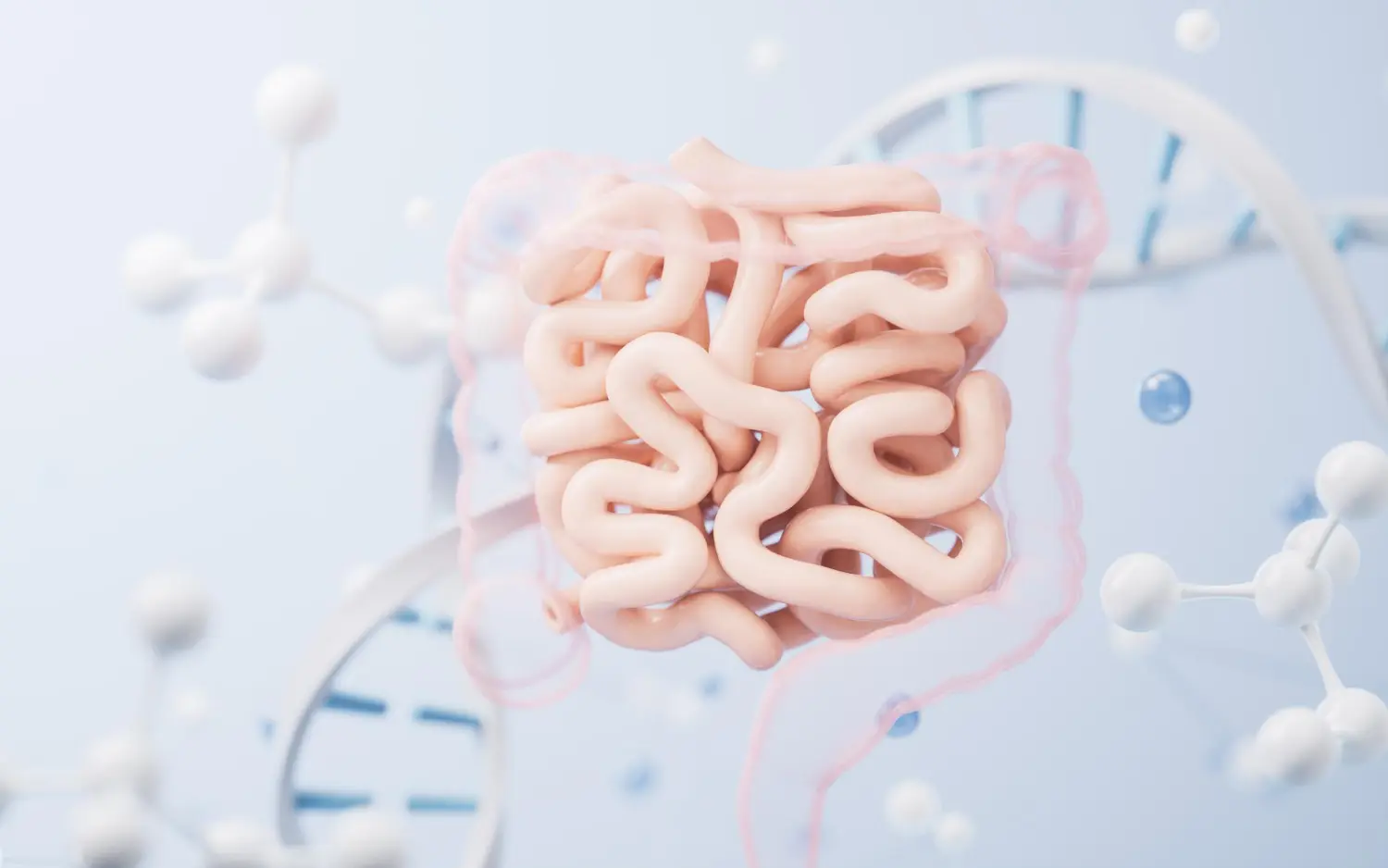
The microbiome, in turn, is closely connected to the central nervous system via the so-called gut-brain axis. Signals are transmitted through:
transmitted. Changes in the gut can therefore have measurable effects on mood, stress processing, and cognitive functions.
As promising as the results are, they should not be overinterpreted. The study has several limitations:
This means: It is not conclusively clarified whether coffee is directly responsible for the observed effects – or whether other lifestyle factors play a role.
However, the results fit into a growing number of studies that associate coffee with health benefits, including:
An exciting aspect of the study is the role of decaffeinated coffee. Since many effects occurred independently of caffeine, decaf could be particularly interesting for certain groups:
However, it should be noted that caffeinated coffee can have additional effects on attention and alertness that are naturally absent in decaf.
Although the optimal amount can vary individually, previous data show:
The overall context is also important: Diet, Sleep, Movement and stress management play a much greater role in gut and mental health than a single food item.
Can coffee really improve gut flora?
There is evidence that coffee can promote the growth of certain gut bacteria. Whether this has clinically relevant long-term effects is not yet conclusively determined.
Is decaffeinated coffee just as healthy?
Partially yes. The study shows that many effects occur independently of caffeine. However, some benefits, such as on attention, are caffeine-dependent.
Does coffee work against stress?
The data suggests a connection between coffee consumption and lower stress levels. However, direct cause-and-effect proof is lacking.
Should you drink more coffee now?
Not necessarily. Coffee can be part of a healthy diet, but it does not replace fundamental factors such as balanced nutrition and lifestyle.
The current study provides exciting indications that coffee is much more than a mere stimulant. Its possible effects on the gut microbiome and psyche could exist even without caffeine. However, the results are a first building block – not a definitive recommendation.
Further, larger studies are necessary to better understand the role of coffee in the interplay between gut and brain.