© Freepik
April 23, 2026
PMC Redaktion
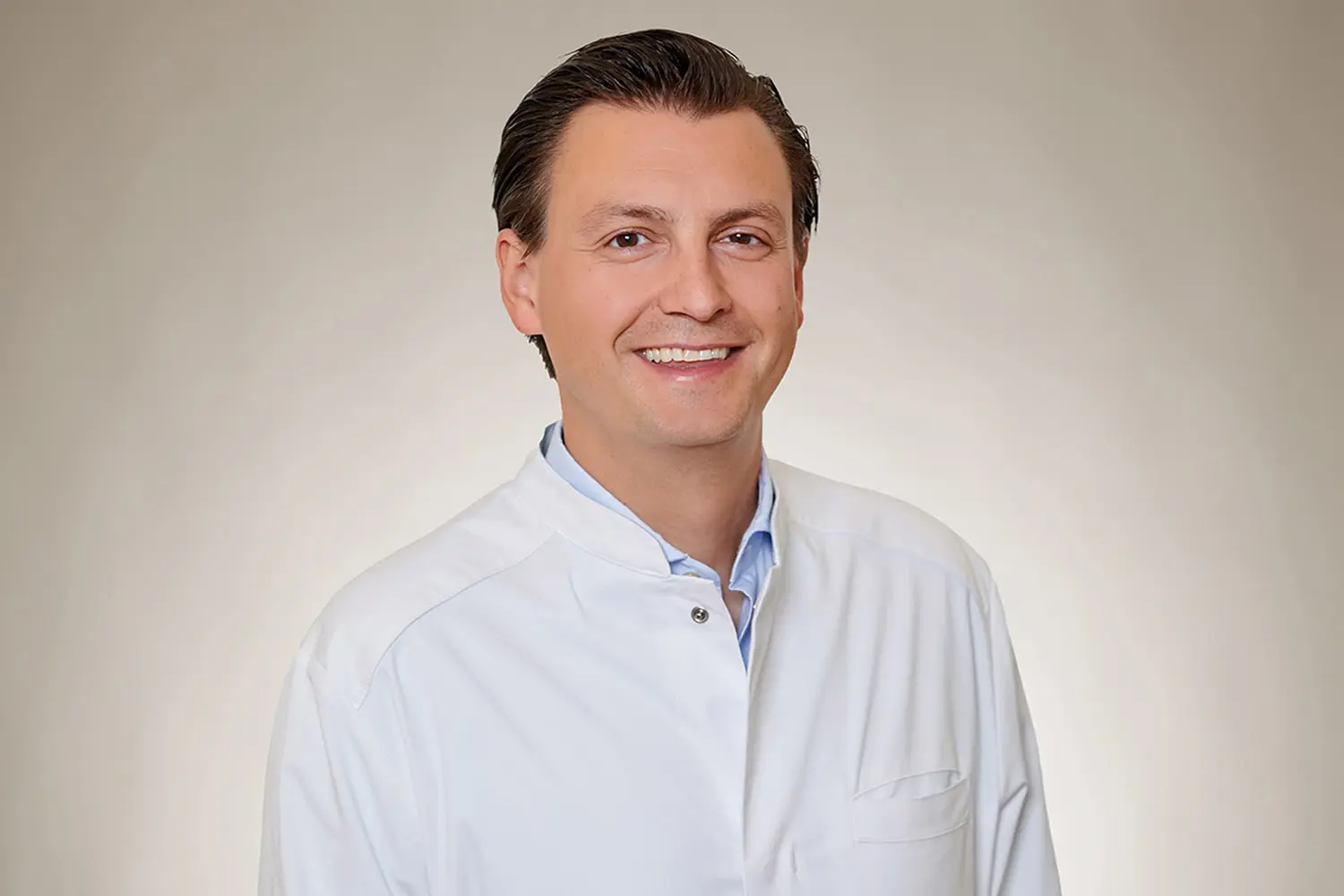
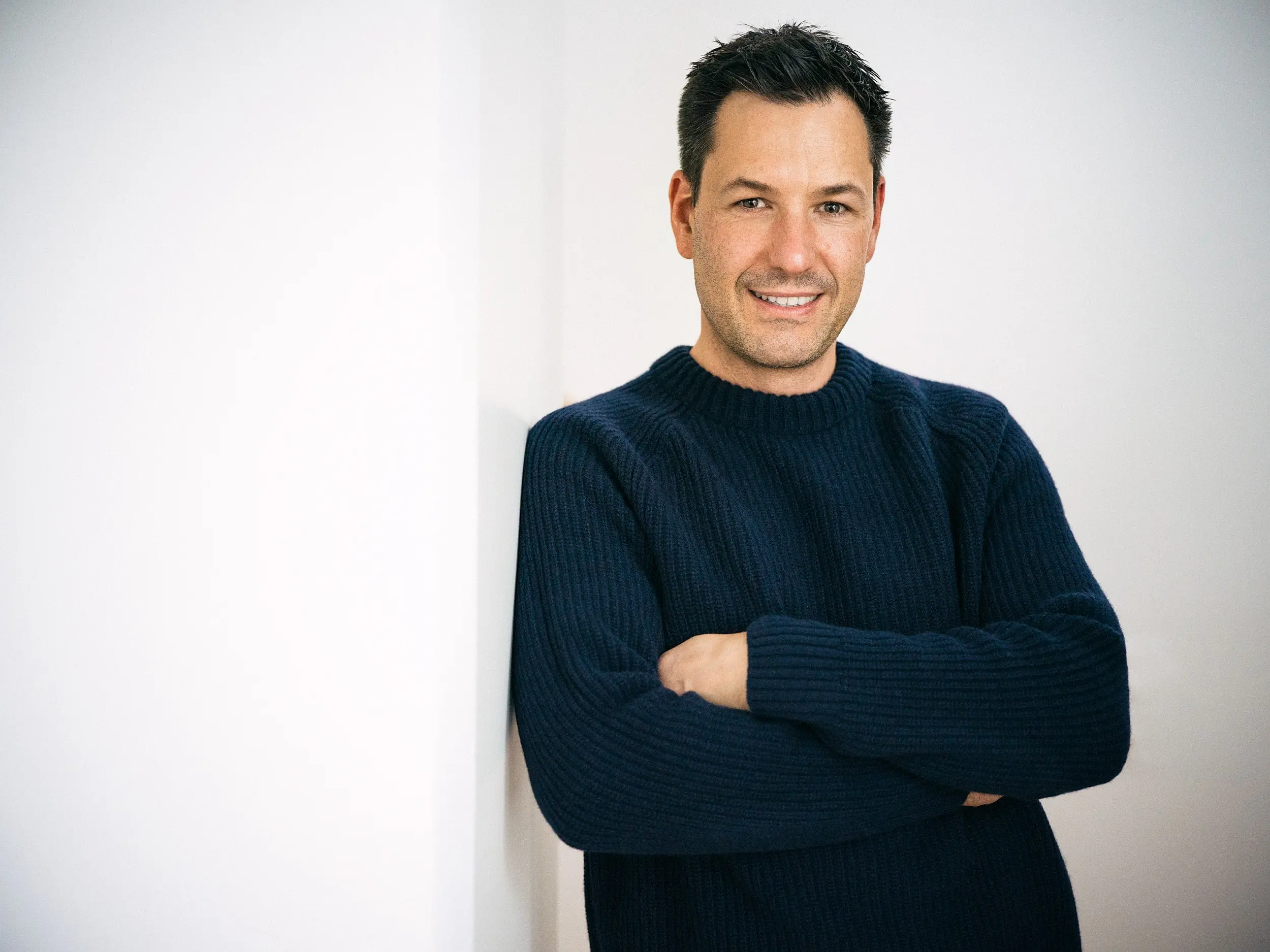
Cardiologist PD Dr. Alexander Goedel explains the benefits and risks of GLP-1 medications – and why exercise remains essential despite promising results.

© PMC
With
Priv.-Doz. Dr. Alexander Goedel
Anyone who wants to talk about modern cardiovascular care must first accept an uncomfortable truth: Germany performs poorly in life expectancy compared with its Western European peers—and has done so for years.
The main reason is well known, yet still underestimated: cardiovascular disease. In fact, Germany ranks among the worst in Western Europe for cardiovascular mortality.
Many of these deaths are preventable. One in three Germans has high blood pressure, and a similar proportion still smoke. Obesity is rising, physical inactivity is widespread, and diabetes is on the increase.
Across the population, risk factors are trending in the wrong direction. As cardiologist PD Dr. Alexander Goedel put it at the PMC Conference 2026, there are “very, very many modifiable risk factors that we can actively address—and where we are doing far too little.”
New cardiological guidelines set the relevant threshold for blood pressure at 120/70 mmHg. Not because every value above it would require immediate treatment – but because the risk measurably increases from this point.
Data from Korea clearly show how costly hesitation can be: Patients who started blood pressure therapy directly upon diagnosis fared significantly better over an eleven-year follow-up period than those who began treatment just a year later. Goedel's conclusion was unequivocal: "Watching is not an option". Those who see high blood pressure must act – immediately.
The same applies to LDL cholesterol. Someone who starts treatment at age 40 and only reduces the value by a third achieves better long-term results than someone who begins with a guideline-compliant 50 percent reduction ten to fifteen years later. "We can't get back this time", emphasized Goedel.
The formula is: Je früher, je niedriger, desto besser – with the caveat that an overly aggressive adjustment of risk factors can also carry its own risks. The decisive and new thing is the früher.
Who today about Type 2 diabetes is no longer just talking about blood sugar. The classic type 2 diabetic rarely comes alone – they bring a whole bundle of risk factors: high blood pressure, overweight, disturbed blood lipids, lack of exercise. In addition, diabetes not only affects the vessels but also directly increases the likelihood of developing heart failure – and is closely linked to kidney failure, which further exacerbates cardiovascular problems.

A detail from Goedel's lecture was particularly striking: Even from an HbA1c value of 5.5 – which is still formally considered normal – a large Canadian observational study in people without diabetes showed an increase in the cardiovascular hospitalization rate. Many patients feel safe in a seemingly inconspicuous area and are already nibbling at the edge of the pathological.
And another important note about sugar control: More is not always better here. A U-shaped relationship shows that too strict control of blood sugar levels in diabetics increases mortality again. The older and more frail the patient, the higher the target value should be chosen.
The actual goal of modern therapy is therefore no longer just sugar control, but Beyond Glycemic Control: to push back the metabolic changes overall.
Semaglutide, Liraglutide, Tirzepatide – the names have long circulated beyond doctor’s offices. What distinguishes these drugs from earlier diabetes therapies is their systemic effect: they act not at a single point, but at several simultaneously.
In the pancreas, they improve insulin secretion. In the blood vessels, they directly lower blood pressure – independent of weight. In the brain, they suppress appetite. In the gastrointestinal tract, they delay gastric emptying, which contributes to weight loss on one hand and explains the common side effects like nausea on the other.
In addition, they improve liver values, lower blood lipids, slow plaque formation in the arteries – possibly through anti-inflammatory effects, comparable to statins – and strengthen kidney function.
Tirzepatide (Mounjaro) combines two biologically separate signaling pathways and thus enhances the effect once again. Goedel mentioned two other classes of substances as important additions: SGLT2 inhibitors, which play a major role especially in heart failure, and Metformin – the oldest Beyond Glycemic Controlmedication that generally improves the metabolic framework and is therefore increasingly gaining attention in longevity medicine.
The data is impressive: Large, methodologically sound studies unanimously show that in patients with type 2 diabetes under GLP-1 agonists The rate of heart attacks, cardiovascular mortality, and stroke frequency decrease. A meta-analysis with nearly 100,000 patients also shows: Even people without diabetes benefit – such as those with heart failure, renal insufficiency, or obesity.
And yet, Goedel urged for classification. The Number Needed to Treat – that is, how many patients need to be treated to prevent an event – was 66 for the combined cardiovascular endpoint in a recently published meta-analysis, and even 170 for cardiovascular mortality. The medications are good and the data solid, “but not quite as good as is sometimes currently portrayed”. Especially in view of the costs, realism is appropriate.
One of the most interesting aspects of the lecture concerned effects that go far beyond heart and metabolism extend. A large registry study examined which symptom complexes in GLP-1 patients decrease or increase. The result: substance abuse decreased, depressive disorders became less frequent, suicidal thoughts declined – the opposite of what had been feared at times.
Additionally, fewer chronic inflammatory bowel diseases, cases of sepsis, and bacterial infections were observed. Goedel summed it up succinctly: These medications do the patients "something good, which cannot be explained by mere sugar control".
Like all medications, GLP-1 agonists have downsides. The most common are gastrointestinal complaints: nausea, belching, delayed gastric emptying. There are also sleep disturbances as well as joint and muscle complaints. Also statistically increased: the risk of acute pancreatitis.
Special vigilance is required for two specific risks: an increased risk of thyroid cancer and a potentially increased risk for NAION - an acute eye vascular disease that can lead to blindness. Although the data is not yet conclusive, according to Goedel, regular interdisciplinary medical monitoring should be part of the therapy support.
Goedel highlighted one point with particular urgency: the loss of muscle mass. Any form of weight reduction - whether through diet or medication - reduces not only fat but also muscles. Actually, you only want to get rid of the fat.
A study with liraglutide makes the problem and its solution clear: After a highly restrictive diet phase (800 kcal/day, eight weeks, minus 14 kg), various strategies for weight stabilization were compared. Placebo led to regain.
Exercise alone showed short-term effects, but they did not last. Liraglutide alone stabilized for longer. Only the combination of liraglutide and structured training was clearly superior: Here, fat mass decreased permanently while muscle mass increased at the same time.
This is not a recommendation, but a warning: GLP-1 drugs without exercise accompaniment can be dangerous. Especially older patients who only receive the injection lose muscle mass, become less mobile, and enter a downward spiral. Goedel clearly stated: This is "potentially dangerous for some patients". The medications are "no substitute" for exercise.
The subjective well-being also reflects this: It measurably declined with GLP-1 therapy alone, while it remained with Movement stable and even increased in combination beyond the level of pure training. The goal is clearly defined: reduce fat mass, maintain or build muscle mass – and that only works together.
GLP-1 medications open up a new class of therapies that address the metabolic syndrome as a whole. That is their true value – and therein lies the challenge. Those who intervene systemically adjust many factors at once.
Cardiology, endocrinology, ophthalmology, psychiatry, sports medicine: All disciplines are required. “No cardiologist can do this alone, nor can any endocrinologist alone”, emphasized Goedel. A functioning network is needed for patients to be well cared for all around.
And in the end, after all the studies, mechanisms of action, and risk profiles, Dr. Goedel delivered perhaps the evening's most important message – dryly and with a wink: “As promising as the new therapies are, a little cycling doesn’t hurt.”