Using Ozempic or Wegovy? Here’s Exactly What You Should Be Eating
The right diet can make all the difference when using Ozempic, Wegovy, and similar GLP-1 medications. Learn how to prevent nutrient deficiencies, protect muscle mass, and reduce side effects - with practical, expert-backed tips you can actually follow.
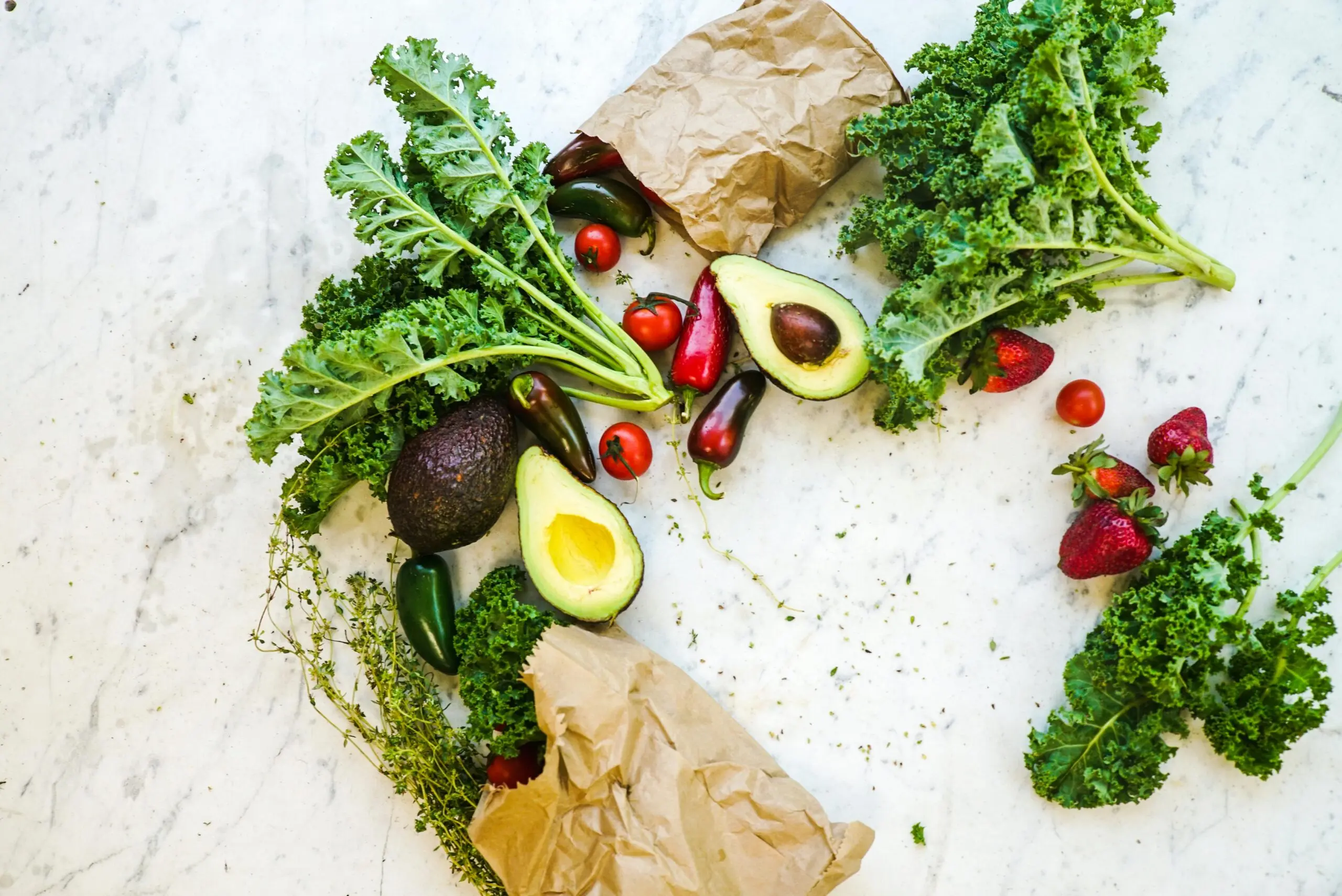
The right diet with GLP-1 medications like Wegovy or Ozempic means eating protein-rich, nutrient-dense, regularly, and fiber-rich to avoid nutrient deficiencies and side effects.
GLP-1 medications like Wegovy, Ozempic, or Mounjaro fundamentally change the feeling of hunger and satiety. This is intentional – and helps many people eat significantly less. But this is where an underestimated challenge lies: Eating less also means absorbing fewer nutrients. How to optimally supply your body despite reduced appetite, which foods are particularly valuable, how to alleviate side effects with the right diet, and when supplements might be useful – this article shows you.
Why diet is so important with GLP-1
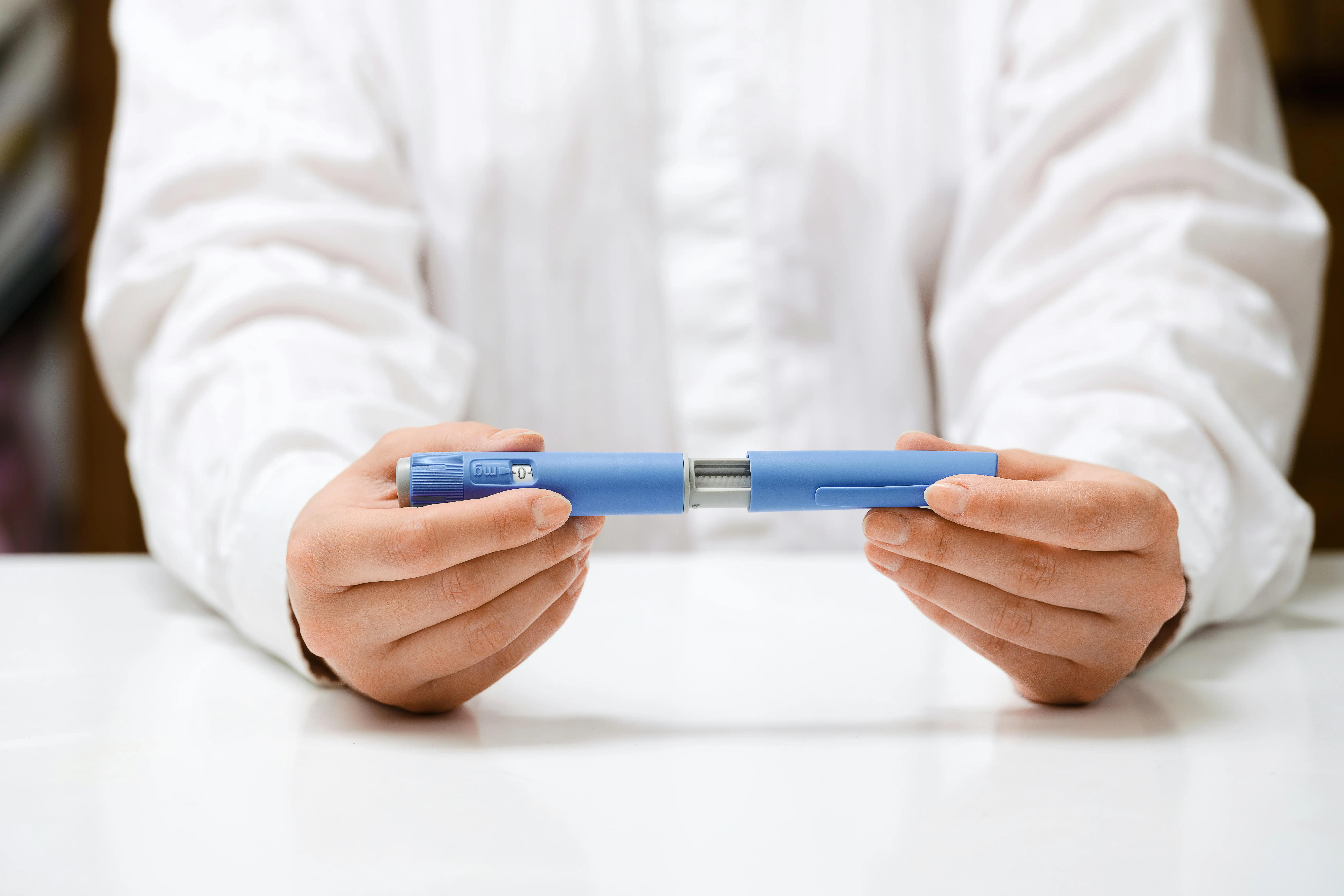
GLP-1 receptor agonists – the active ingredients behind Wegovy (semaglutide) and Mounjaro (tirzepatide) – slow gastric emptying and noticeably dampen the feeling of hunger. Appetite decreases significantly, satiety occurs earlier, and usual portion sizes are no longer sufficient to meet needs. Many affected skip meals or eat only tiny amounts.
The problem: Eating less automatically means less protein, vitamins, minerals, and fiber. In the long run, this can lead to real deficiency symptoms – with symptoms like persistent fatigue, hair loss, brittle nails, concentration problems, or muscle loss.
"Especially during the application of GLP1 agonists (GIP/GLP1 agonists or GIP/GLP1/glucagon agonists), in my opinion, a low carb-diet should be followed,” explains internist and cardiologist Professor Uwe Nixdorff.
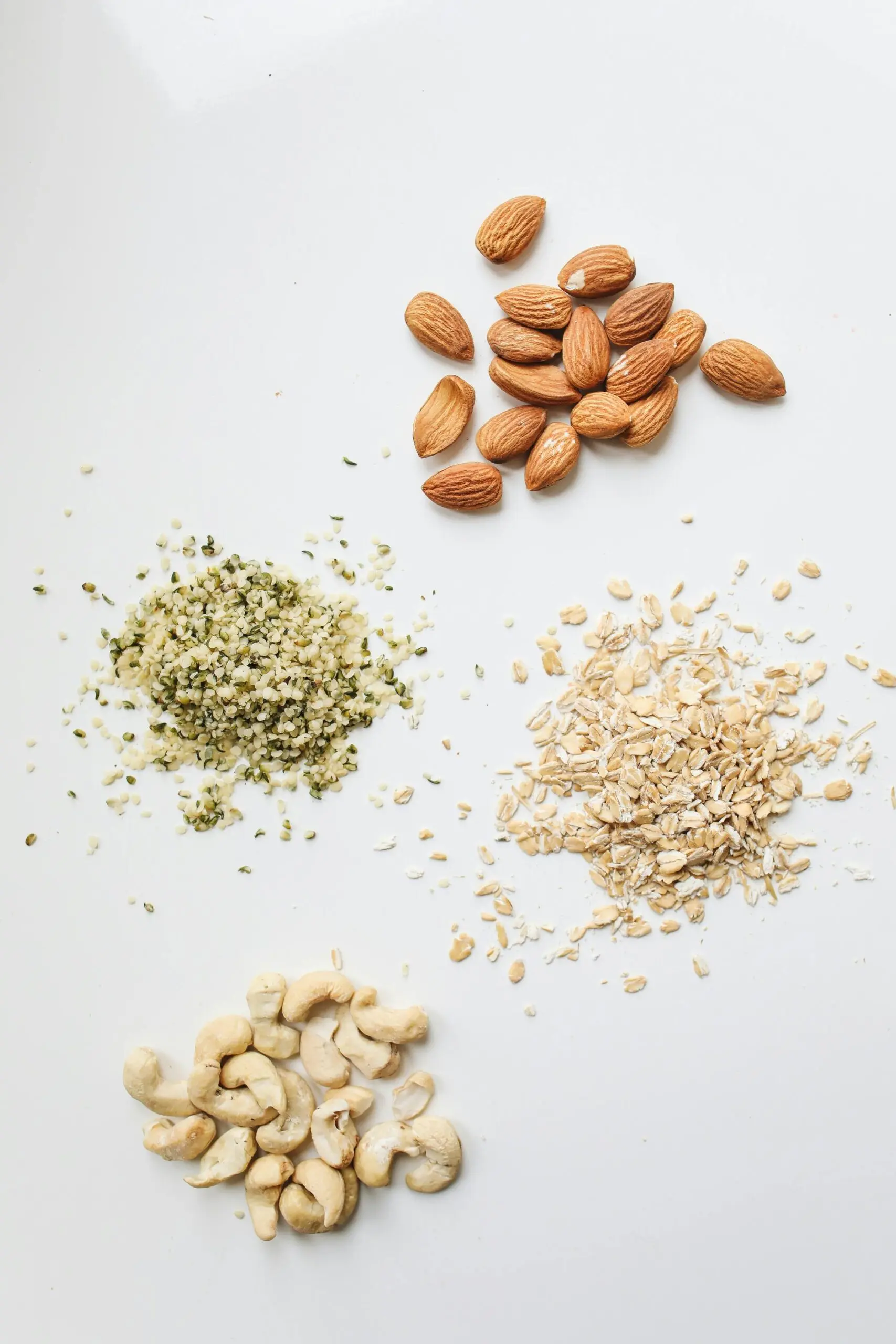
"This particularly concerns restraint towards carbohydrates with a high glycemic index such as sugary foods. High-protein foods, dairy products as long as there is no lactose intolerance, especially fatty fish, plant legumes, soy products, nuts and seeds, sprouts, and shoots should be on the menu, if necessary even formula dietary aspects such as protein shakes," says Nixdorff, founder and medical director of the European Prevention Centers (EPC) in Düsseldorf.
"Furthermore, the Mediterranean basic diet is useful for vitamins, minerals, and fiber. I like to speak of 'Mediterranean low-carb nutrition' as a prognostically evident ideal diet."
The 4 most important dietary rules for Wegovy and Ozempic
1. Prioritize protein
Protein is by far the most important nutrient in GLP-1 therapies. While you lose fat, your body preferably wants to break down muscle mass as well – sufficient protein counteracts this. Many nutrition experts recommend about 1.2 to 1.6 g of protein per kilogram of body weight daily. More important than an exact number is: Consciously plan a protein source with every meal.
Professor Uwe Nixdorff: "We also specifically recommend whey protein, which is mixed with low-fat milk (there are soy-based alternatives for lactose-intolerant people). This is particularly advisable with strength training. This counteracts sarcopenia, i.e., muscle breakdown, one of the most important aging processes."
Good protein sources:
• Eggs and cottage cheese
• Greek yogurt (plain yogurt) and low-fat quark
• Chicken, turkey, fish (especially salmon and tuna)
• Legumes: lentils, chickpeas, black beans
• Tofu and tempeh (plant-based alternatives)
2. Prefer nutrient-dense foods
When appetite is low, quality counts more than quantity. Every meal should provide as many nutrients as possible. Goal: Maximum nutrients in small volume.
Particularly nutrient-dense foods for GLP-1 users:
GLP-1 can suppress hunger so much that meals are completely forgotten. If you then go hours without eating, you risk energy slumps and creeping nutrient deficiencies. It's recommended to have 2–3 fixed, small meals a day – preferably with timer reminders if the feeling of hunger is absent. Eating too little is often a bigger problem with GLP-1 than eating too much.
4. Actively support digestion
GLP-1 slows gastric emptying – this is intentional as it prolongs satiety. Side effect: many affected people struggle with bloating, constipation, or a sluggish bowel. Therefore, fiber and sufficient fluids are particularly important.
• Fermented products like yogurt or kefir for a healthy gut flora
• Herbal tea with ginger, fennel, or cumin can relieve bloating
What does Professor Uwe Nixdorff recommend to support digestion? "Generally whole-grain bread, vegetables, also sauerkraut or other raw foods. Furthermore, it is sensible to consume plenty of fluids. I recommend drinking two to three liters per day. Ideally, mid-range mountain water that also contains enough minerals, not the French glacier waters with very few minerals due to the lack of contact with the depths of the earth.
Of course, tea is also recommended, primarily due to the flavonoids in green tea or matcha tea, which have evidence-based beneficial effects. Another good idea is pro-, pre-, and synbiotics!"
Alleviate side effects through diet
Especially at the beginning of therapy or during dose increases, many people taking Ozempic or Wegovy experience gastrointestinal discomfort: nausea, feeling of fullness, belching, reflux, diarrhea, or constipation. The good news: With the right diet, a large part of these complaints can be significantly reduced.
Nausea and feeling of fullness
A common cause of nausea is simply: too large portions with delayed gastric emptying. The stomach stays full longer - which is perceived as an unpleasant feeling of pressure or nausea. What helps:
• Eat smaller portions more often – better 4–5 small meals than 2 large ones
• Eat slowly and chew thoroughly, this puts less strain on the stomach
• Avoid fatty, fried, and heavily seasoned foods – they are particularly hard on the stomach
• Lukewarm meals instead of very hot or ice cold – temperature neutrality is often better tolerated
• Do not lie down immediately after eating – also important against reflux
Constipation
Slowed bowel activity is common with GLP-1. A combination of fluids, fiber, and exercise works best:
• Increase fluid intake – without sufficient water, fiber can even worsen constipation
When stomach contents linger longer, the risk of acid reflux increases. Practical measures: remain upright after eating (at least 30 minutes), slightly elevate the head of the bed, and avoid alcohol and highly acidic foods.
What you should avoid with GLP-1
Reduced appetite makes 'empty calories' particularly harmful—foods that take up a lot of space in the stomach but provide few nutrients. At the same time, certain foods can directly enhance side effects:
• White bread, chips, sweets – cause blood sugar fluctuations, provide few nutrients
• Highly processed convenience foods (few micronutrients, high in salt and sugar)
• Fried and very fatty foods – can aggravate nausea and reflux
• Alcohol – increases the risk of hypoglycemia and burdens the liver and gastric mucosa
Temporary solution for loss of appetite
Especially at the start of therapy or after a dose increase, some patients can hardly eat solid food. In such phases, nutrient-rich liquids are a sensible temporary solution to ensure supply.
Well-tolerated options:
• Protein shakes or whey-based protein shakes (watch for low sugar)
• Green smoothies with spinach, banana, and yogurt (protein + vitamins)
• Broth made from vegetables or chicken (electrolytes, easily digestible)
• Plain yogurt or kefir (protein + probiotics)
• Oatmeal in a liquid consistency with flaxseed
As tolerance improves, the diet should be switched back to solid, nutrient-dense foods. Using liquid nutrition as a meal replacement permanently is not recommended.
Dietary supplements with GLP-1 – sensible or not?
With significantly reduced food intake, it can be difficult to meet all micronutrient needs through diet alone. Deficiencies in the following nutrients are particularly common with GLP-1 therapies:
• Vitamin B12 – common deficiency with low animal product intake, additionally relevant when taking Metformin
• Vitamin D – often deficient in Germany, especially in winter
• Iron – particularly relevant for women with heavy menstruation
• Magnesium – important for muscles, nervous system, and sleep
• Zinc – supports the immune system and can counteract hair loss
Important: Dietary supplements do not replace a balanced diet and should be discussed with a doctor. A blood test (ideally at the beginning and after a few months) shows whether deficiencies actually exist.
Avoid muscle loss
With every significant weight loss, the body loses not only fat but also muscle mass. This slows down metabolism in the long term and increases the risk of the yo-yo effect after discontinuation. The two most important countermeasures:
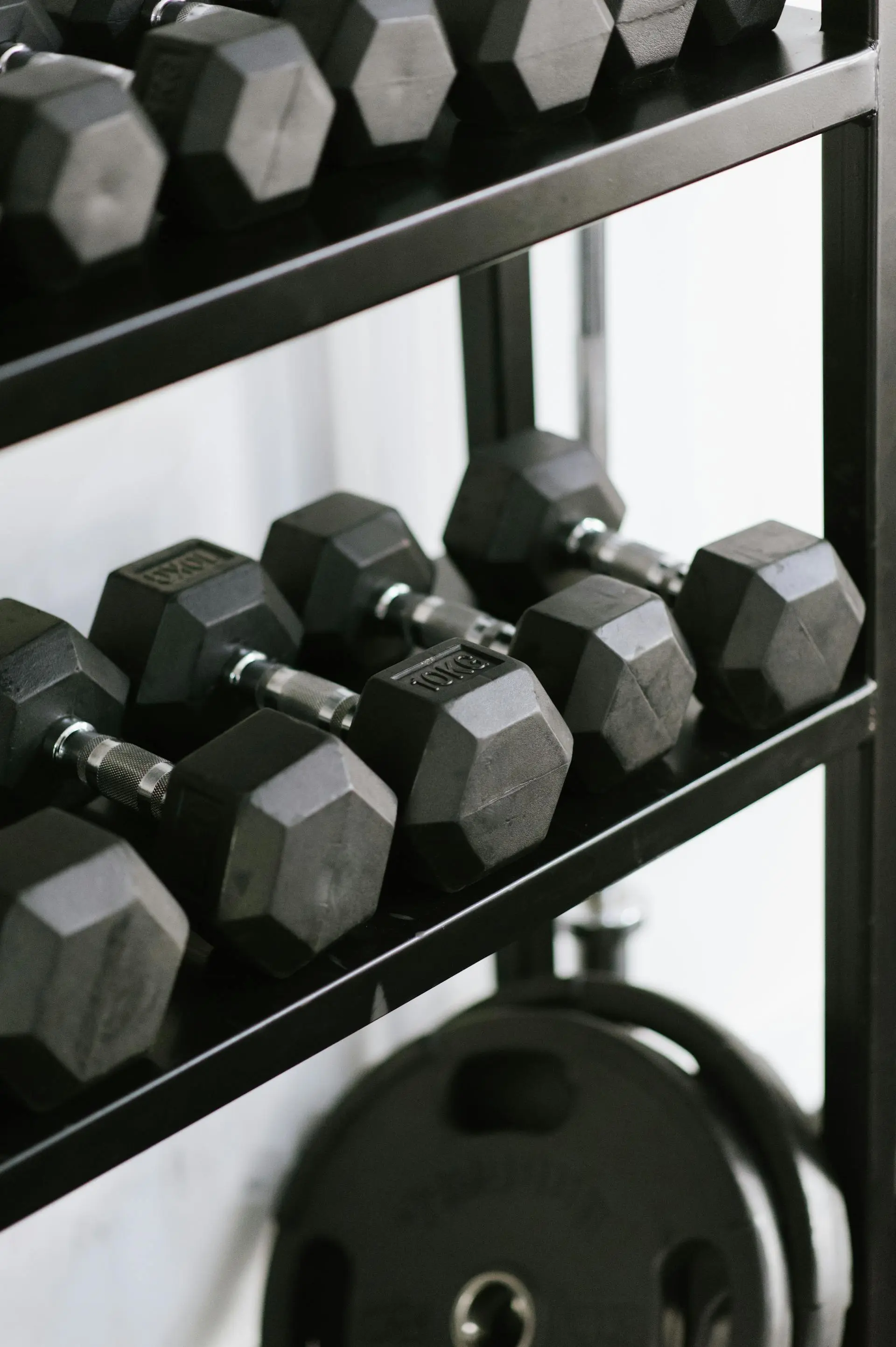
Strength training: Even light strength training 2–3 times a week signals the body to maintain muscle. It doesn't have to be competitive sports – bodyweight exercises or resistance bands are sufficient. On days with severe nausea, short, light sessions are also enough.
Protein intake: As described: plan for protein with every meal. Especially when losing weight with GLP-1, this is not an optional addition but active protection for muscle mass.
Professor Nixdorff also points out: "Please don't forget movement. There should be endurance (1/2 h/day of simple brisk walking, walking, jogging, cycling, or swimming) and (!) strength training (1 h 2 x/week in the gym or as a workout at home)."
FAQ on nutrition with GLP-1
How much protein do you need on Wegovy or Ozempic?
It is recommended to consume about 1.2 to 1.6 grams of protein per kilogram of body weight daily to prevent muscle loss during weight loss.
Can I drink protein shakes with GLP-1?
Yes, protein shakes can be a useful supplement – especially if solid meals are poorly tolerated or the daily protein requirement is hard to meet. Look for products with little sugar and a short ingredient list. However, shakes are not ideal as the sole source of protein permanently.
What should you not eat with Ozempic or Wegovy?
Avoid highly processed foods, sugar, alcohol, and very fatty foods, as they can enhance side effects like nausea or reflux.
What helps against nausea with Ozempic?
First: reduce portion size. Often half of the usual amount is sufficient. Eat slowly, chew well, avoid fried and fatty foods, and stay upright after eating. Ginger tea can additionally relieve nausea. If symptoms are severe or last more than a few weeks, the dose should be checked by a doctor – a rapid dose increase is often the cause.
What should you eat with GLP-1?
With GLP-1, you should primarily eat protein-rich, nutrient-dense, and high-fiber foods. Small, regular meals help prevent nutrient deficiencies.
Can I eat vegetarian or vegan with GLP-1?
Yes, but with a bit more planning. Plant-based protein sources like legumes, tofu, tempeh, and quinoa are excellent choices. In a vegan diet, special attention should be paid to vitamin B12, iron, zinc, and omega-3 fatty acids – supplementing B12 is usually recommended.
Conclusion
The weight loss injection reduces hunger – but not the need for nutrients. Paying attention to nutrient-dense foods, adequate protein, regular small meals, and healthy digestion supports your health sustainably with GLP-1.
At the same time, the right diet can significantly reduce a large part of the typical side effects. The combination of a nutrition-conscious lifestyle, regular medical supervision, and a blood count makes the difference between short-term weight loss and real, long-term well-being.