© Wendy Wei
December 29, 2025
Jana Ackermann
- Food
- Health
Anti-inflammatory diet: What's behind it?
What role silent inflammations play in our body and how we can reduce them with the right foods.
Share article:
© Wendy Wei
December 29, 2025
Jana Ackermann
What role silent inflammations play in our body and how we can reduce them with the right foods.

 Find a Doctor
Search the network for suitable specialists and contact them directly
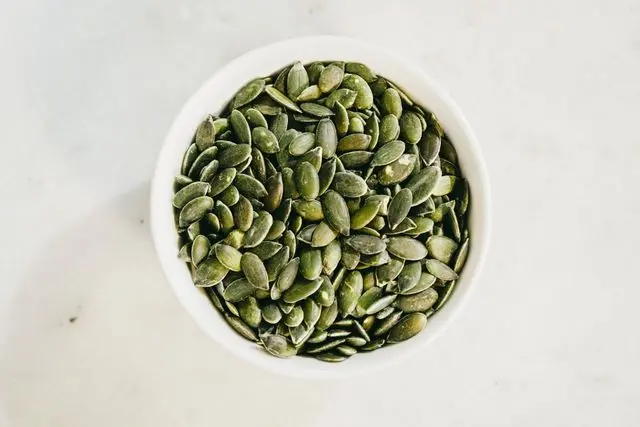
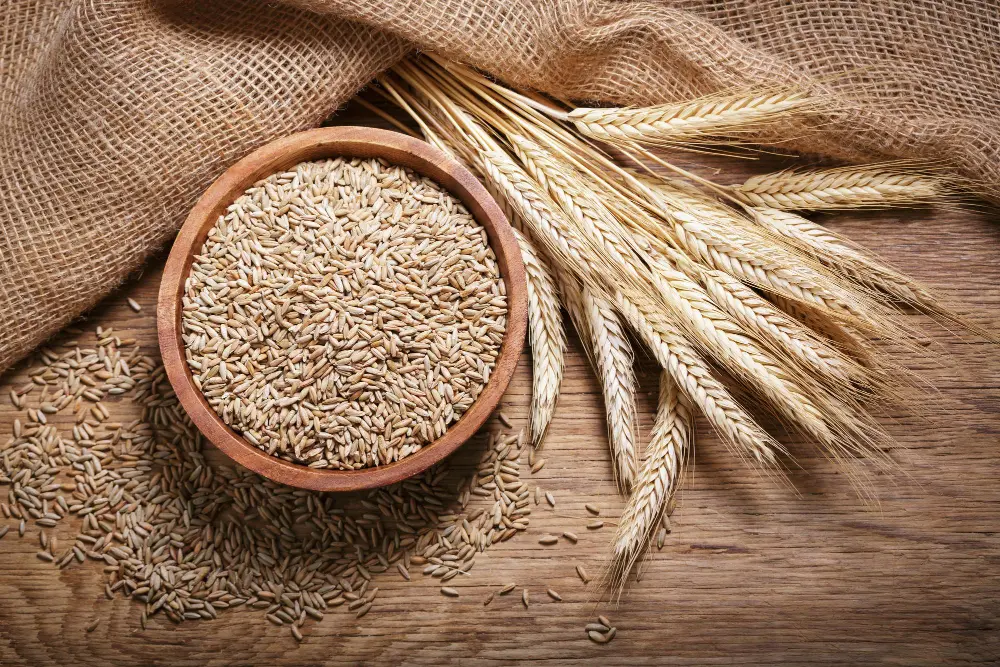
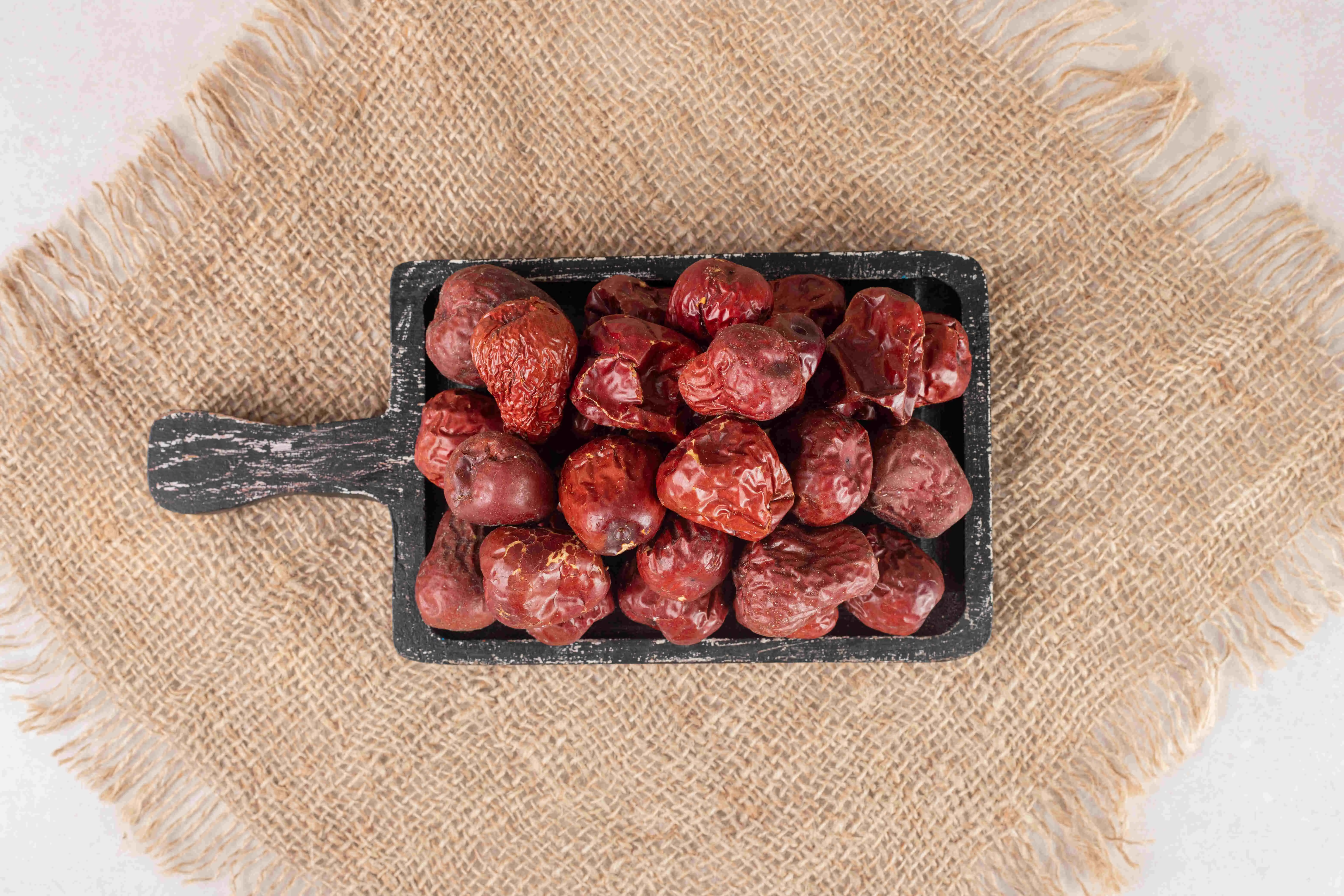
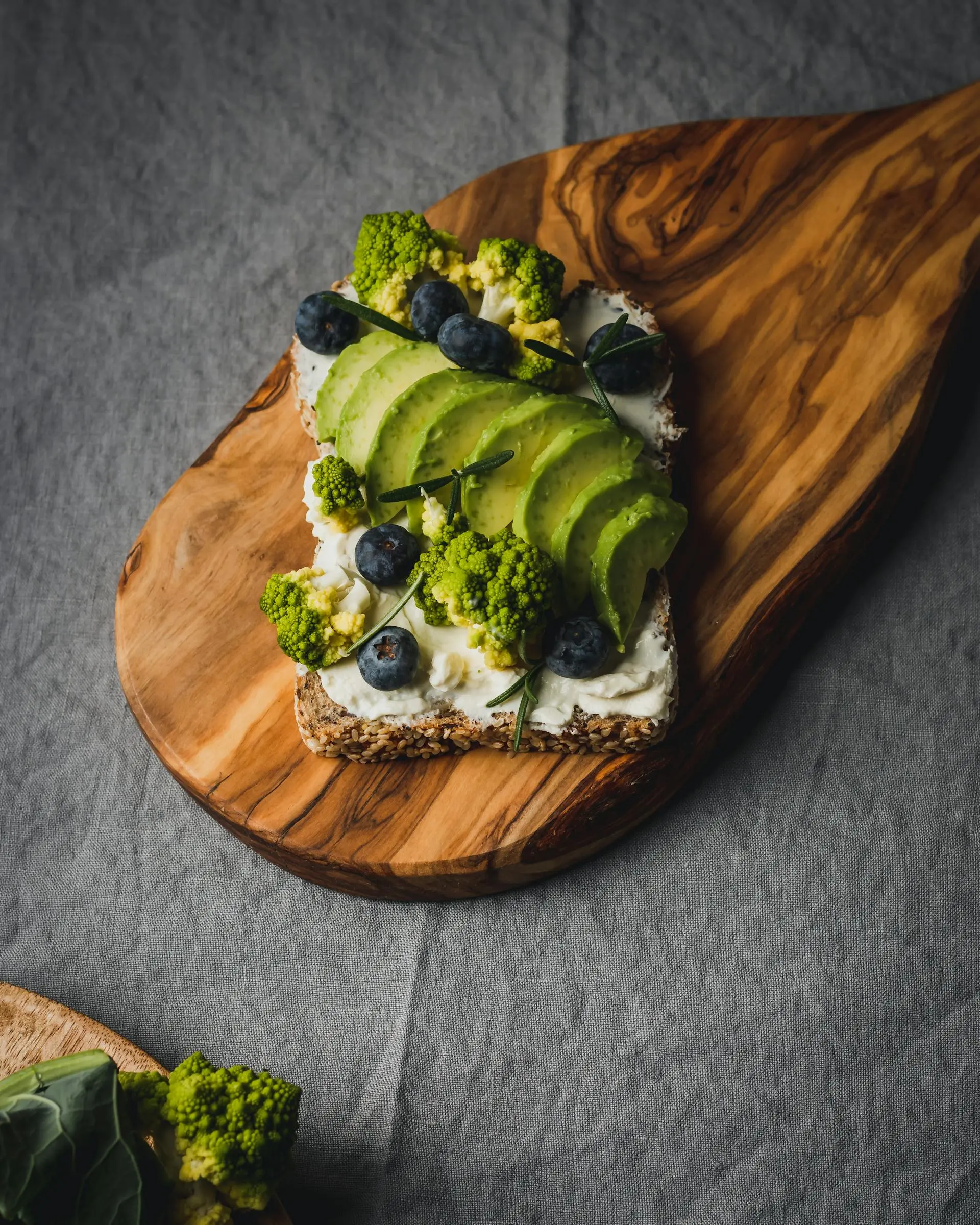
You hear more and more about the concept of anti-inflammatory nutrition at the moment. It aims to reduce in the body thereby making us feel healthier, fresher, and younger. The plant-focused diet is similar to the Mediterranean diet – with a focus on foods rich in antioxidants, omega-3 fatty acids, and fiber, such as fruits, vegetables, nuts, seeds, fatty fish, and whole grains.
At the same time, inflammatory foods like sugar Try to eliminate refined carbohydrates, red meat, and processed foods from the diet. The goal is to reduce the risk of chronic inflammatory diseases and enhance overall well-being.
A visible inflammation of the skin, such as a nail bed infection, acne, or an inflamed abrasion, we all know. “It can be accompanied by redness, swelling, pain, warmth, or functional impairment,” states Dr. Anne Gürtler, dermatologist and nutritionist at the University Clinic in Munich. She follows a holistic approach, which can also be followed on Instagram under @dermahealthnutrition “This inflammatory reaction is part of the body’s natural healing process and is very useful.”
But even in our bodies, there can be insidious, so-called silent inflammations that lie dormant. They can go unnoticed for years, yet they are the ones to which many chronic inflammatory diseases can be traced back.
“If these inflammatory processes persist over a longer period, they can promote chronic diseases, such as arthritis , Crohn's disease and ulcerative colitis, cardiovascular diseases, type 2 diabetes, obesity, or psoriasis,” explains the doctor. Then 'silent inflammations' would suddenly become visible.
Shabnam Rebo , who just released her second cookbook was diagnosed with the chronic inflammatory bowel disease ulcerative colitis many years ago.
In Germany, according to the Federal Ministry of Research and Education, about 320,000 people suffer from the inflammatory bowel diseases Crohn's disease and ulcerative colitis, where the immune system attacks healthy tissue in the digestive tract. The number of affected individuals has been increasing in recent decades, which may also be due to changing lifestyles.
“In 2015, I had a never-ending flare-up. The disease completely tore me out of my life,” says Shabnam Rebo. “Eventually, I came to change my diet to plant-based and anti-inflammatory foods.”
According to Dr. Gürtler, an adjustment in lifestyle, which includes nutrition, stress , exercise and sleep , is the first phase of therapy for many diseases. In Rebo's case, positive changes appeared within a short time, and Dr. Gürtler also confirms: “Energy levels and sleep will quickly improve.”
However, an anti-inflammatory diet is not only recommended for people who are already chronically ill. Numerous scientific studies suggest that an anti-inflammatory diet can significantly reduce the risk of chronic inflammatory diseases. "I generally recommend this nutritional concept to everyone because it is a generally health-promoting way of eating," advises Dr. Gürtler.
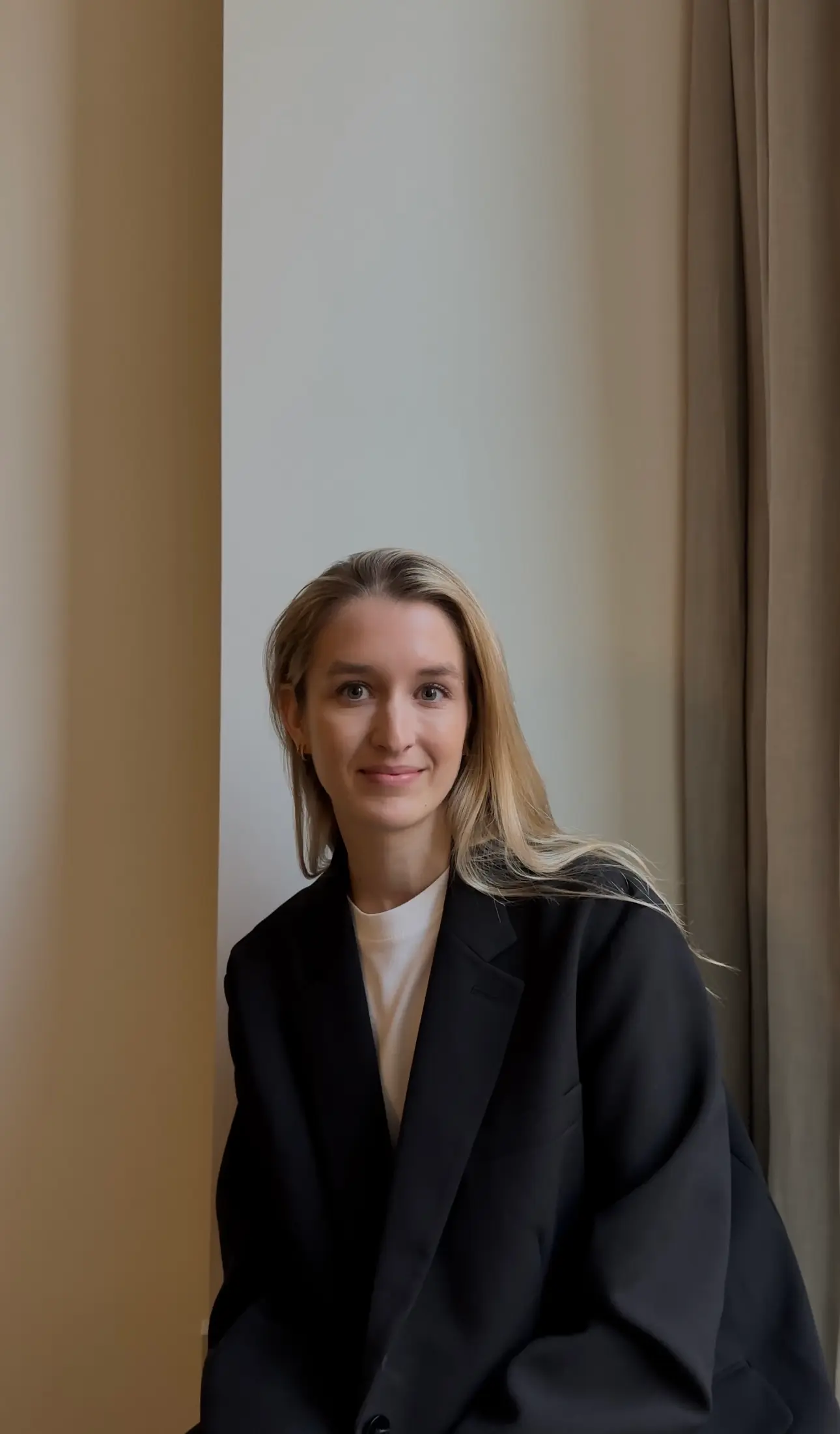
© Anne Gürtler
Dermatologist and nutritionist Dr. Anne Gürtler
The basic principle of an anti-inflammatory diet is to eat as much fresh and unprocessed food as possible, preferably with many plants. "Since animal products are suspected of causing inflammation in the body, I eat purely plant-based," adds cookbook author Shabnam Rebo.
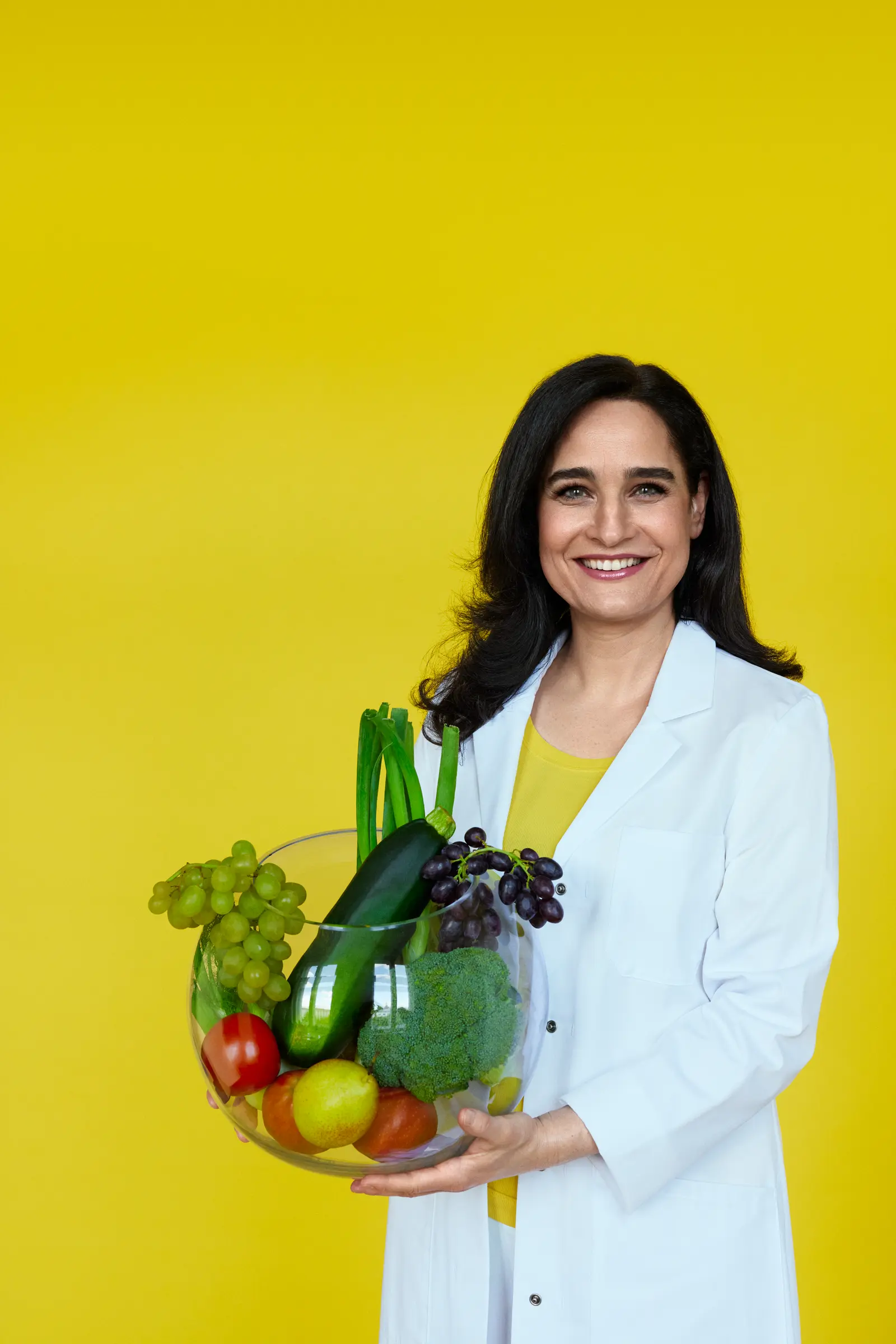
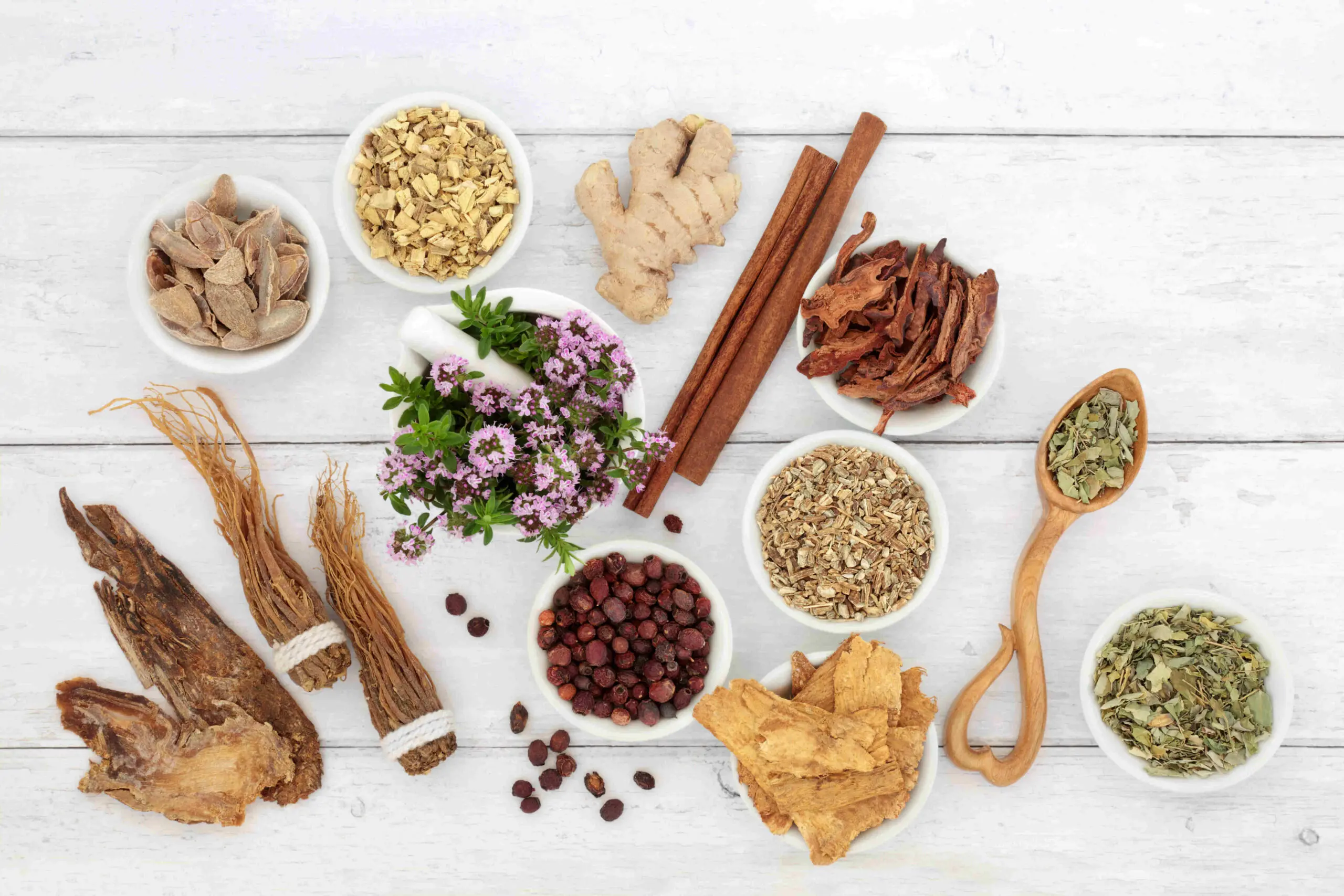
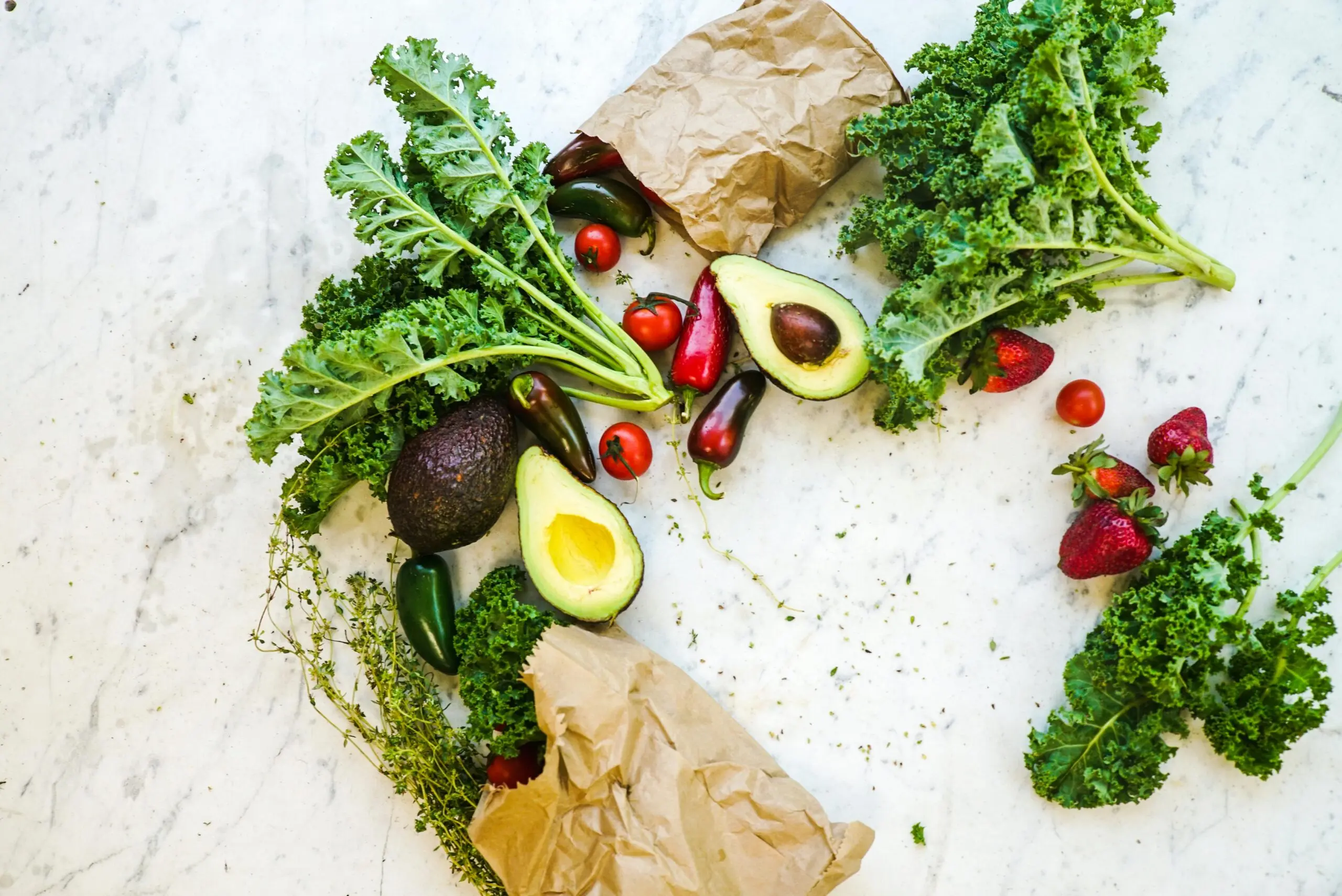
The focus is on plenty of fresh vegetables , especially dark green varieties such as spinach or kale, fruits, nuts and seeds, whole grains, healthy fats, spices and herbs, and probiotics.
Since 90 percent of the immune system is located in the gut, the intestinal flora should always be kept in balance: "The more colorful and diverse we eat, the greater the diversity of bacteria in the gut, which in turn strengthens the immune system."
Omega-3 fatty acids are also important, and they are found in fatty fish, among other things. "But we now also know about the disadvantages. Nutritionally, fish is therefore no longer what it used to be," says Dr. Gürtler. Those who want to opt for plant-based sources can turn to flaxseeds, chia seeds, walnuts, flax oil, or algae oil.
In the pantry of the "Healing Kitchen" author, you'll also find legumes like chickpeas or lentils, quinoa, buckwheat, various flours like whole grain and buckwheat flour, tofu, tempeh, plant-based yogurts, sauerkraut, kimchi, nuts, and nut butter as well as fresh fruits and vegetables.
"At the end of the day, a balanced diet is quite simple. If you take a few principles to heart, you can get pretty far without overthinking it," says the nutritionist. The most important core aspect: cooking as much as possible yourself.
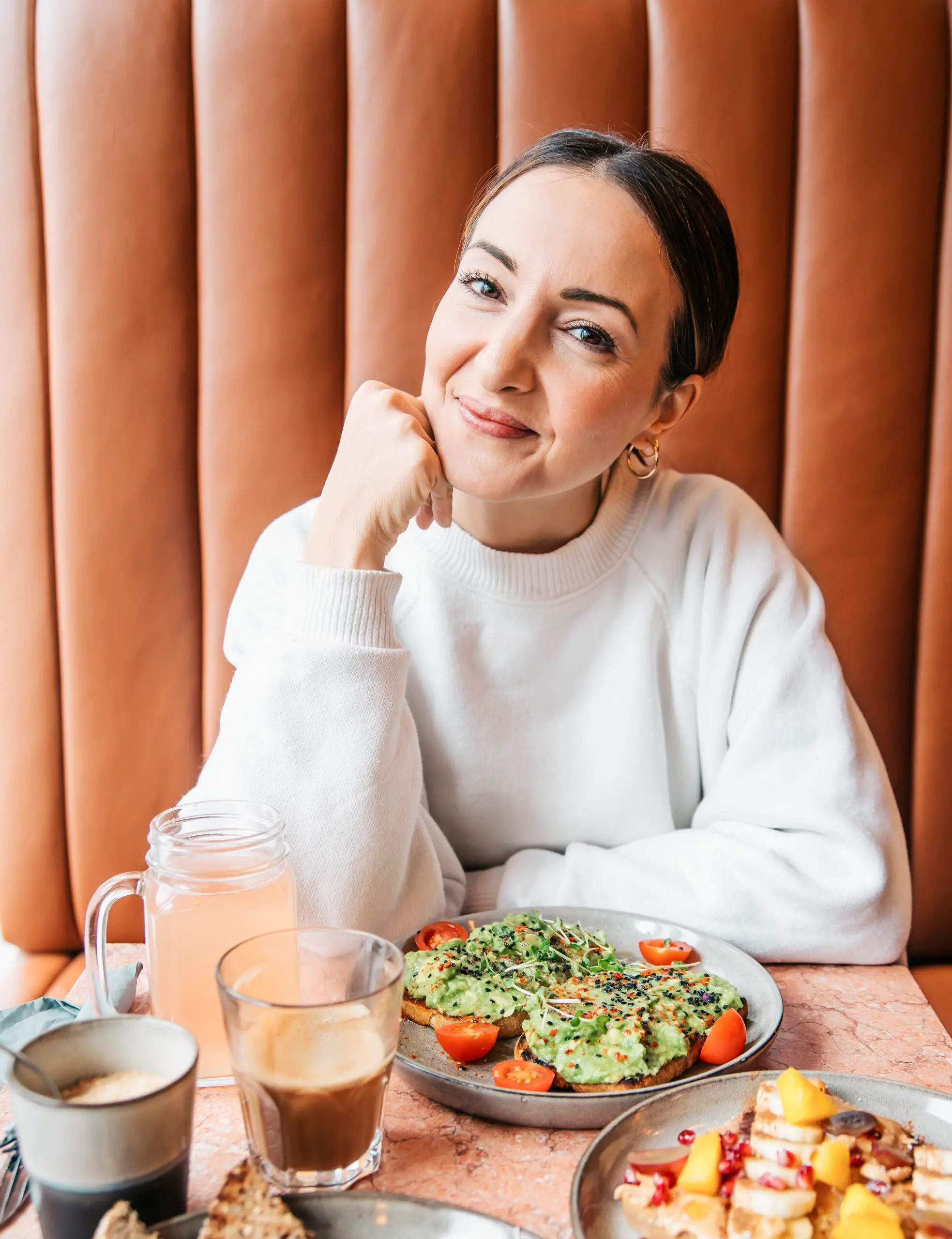
© Shabnam Rebo
Author and influencer Shabnam Rebo
In this sense, it's actually nothing new that "highly processed foods, refined carbohydrates, anything with refined sugar or sugar substitutes, saturated fats often found in animal fats, eggs and milk, red meat, and alcohol" are among the main triggers of silent inflammation in the body.
But even here, exceptions that increase the joy of life are allowed. Some nutrition specialists like Shabnam Rebo therefore follow the 80:20 approach in everyday life, which means that you eat mostly (80%) healthy and balanced, while occasionally (20%) allowing yourself to enjoy less health-promoting foods. "Ultimately, nutrition is always individual, and we should not be too dogmatic," adds Dr. Gürtler.
The anti-inflammatory diet corresponds to a logical nutrition compass that leads us back to the roots, or in other words, back to fresh, unprocessed foods.
It's important that a change doesn't have to happen overnight. According to nutritionist Dr. Anne Gürtler, it's more about long-term change, creating new routines that eventually feel completely natural.
Your tip: “What I find very helpful is to take on one change per month, which results in twelve new habits per year.” Specifically, it could look like this: In the first month, add more plant-based protein to the diet, next aim to eat less refined sugar, then cook more yourself, and so on.
Shabnam Rebo adds: “When we create awareness for the reactions of food in the body, we eventually notice better what is good for us and what is not.” And it is the same with the interplay of sleep, exercise, or stress - they also influence, alongside nutrition, how refreshed, fresh, and fit we feel.
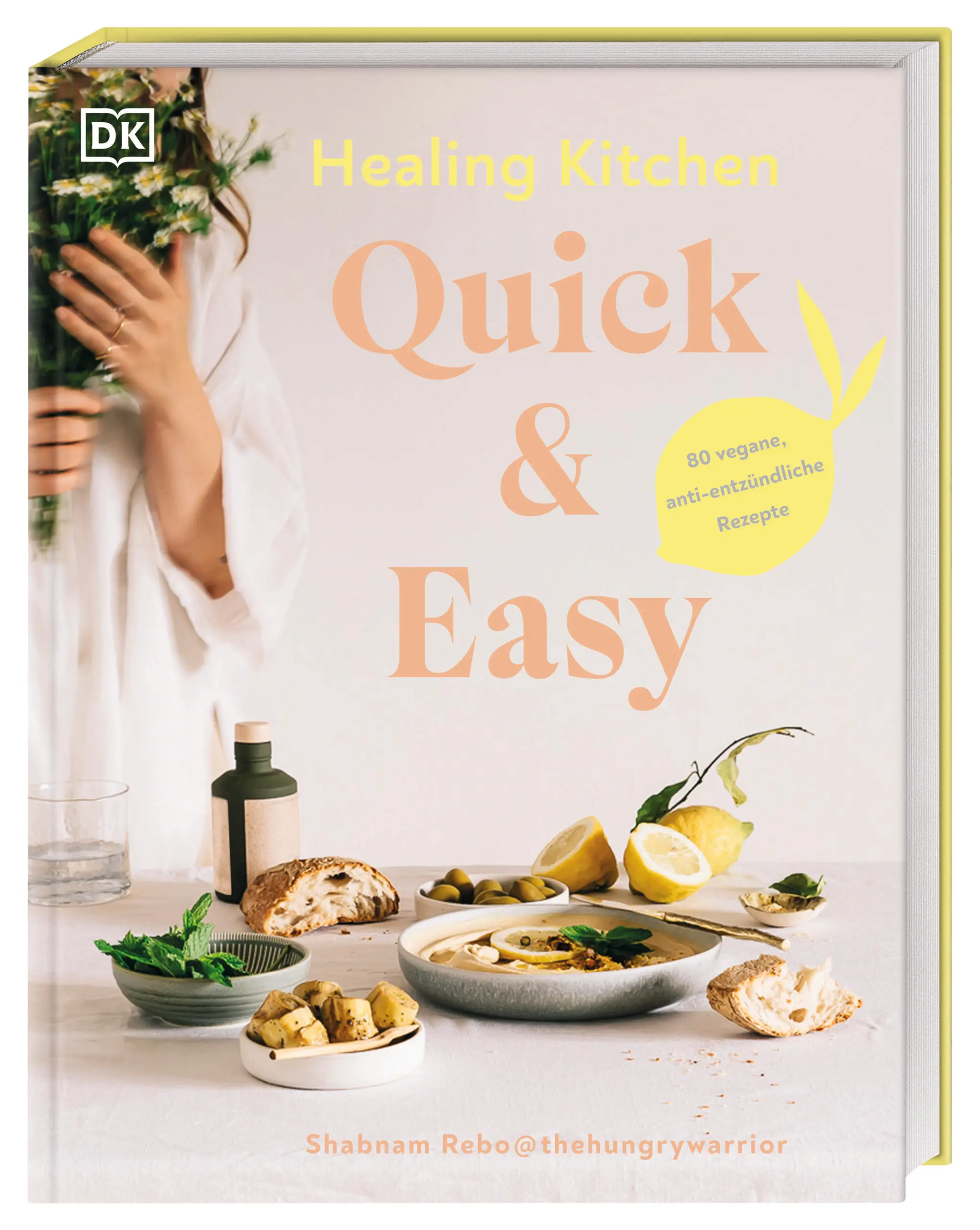
© Shabnam Rebo
Healthy recipes that are easy to cook: Book "Quick & Easy" by Shabnam Rebo

"Feel good, live better" This podcast episode with Prof. Dr. Helen Abel is all about hands and how to keep them mobile – even with arthritis
Christine Bürg

An interview with

How often should beginners run, when should they increase their training, and how important are rest days? Physiotherapist Nils Stützer explains how to build a healthy running routine, what role running technique plays, and how to avoid overuse injuries.
Christine Bürg & Marianne Waldenfels
With
Nils Stützer

Finding cancer early can make a crucial difference – but the benefits of screening vary widely. Radiologist Prof. Dr. Anno Graser explains which methods can save lives and how CT, MRI and AI are changing cancer detection.
Christine Bürg & Marianne Waldenfels

An interview with
Prof. Dr. Anno Graser