
- Innovative Orthopedics & Sports Orthopedics
- Health
- Pains
Can One Injection Ease Knee Arthritis for Five Years? An Orthopedist Weighs In
A single hydrogel injection into the knee may relieve osteoarthritis pain for years. Orthopedist Dr. Ivo Breitenbacher has treated around 200 patients with it and explains who the procedure is right for and where its limitations lie
Christine Bürg & Marianne Waldenfels
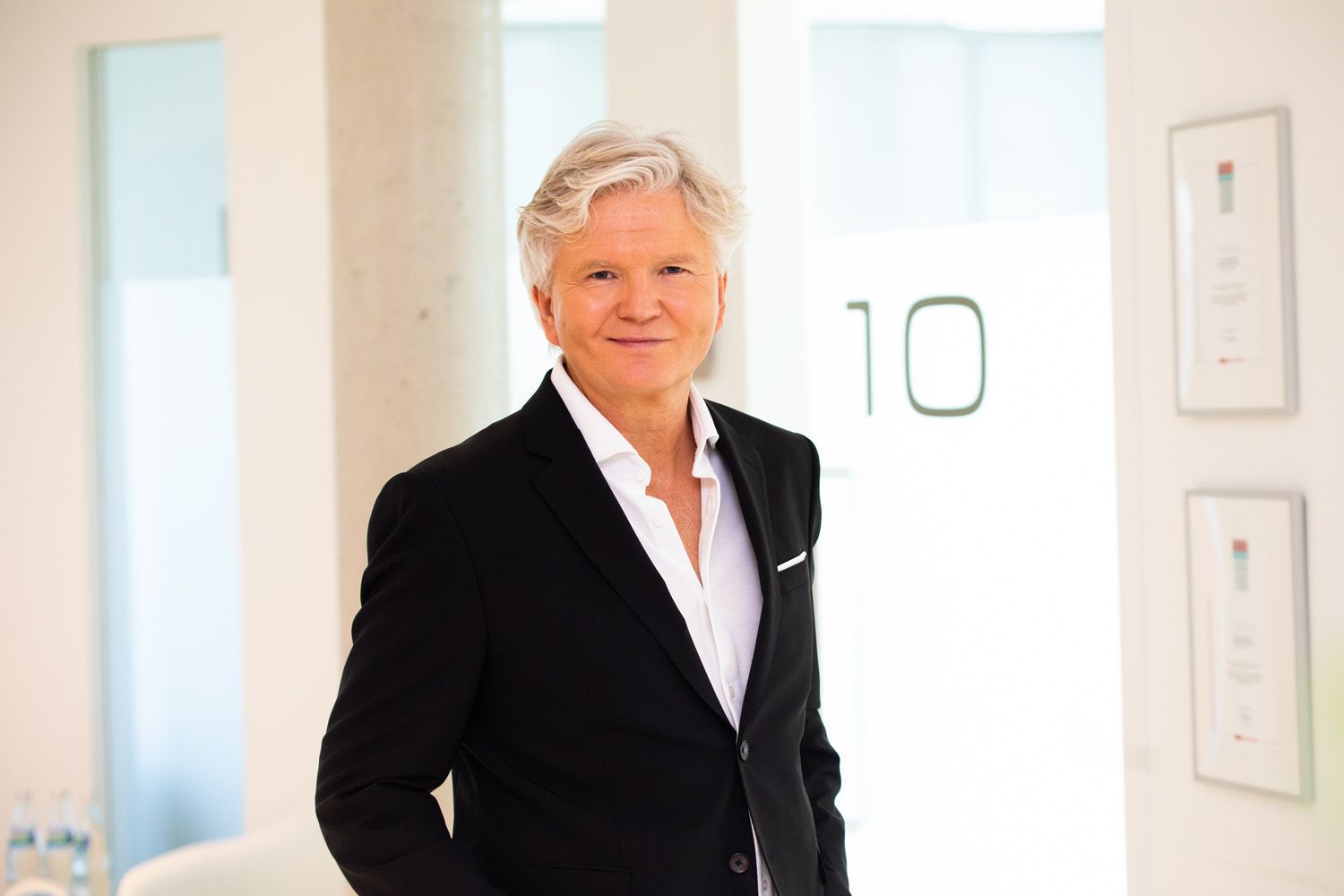
An interview with
Dr. med. Ivo Breitenbacher

- Modern Ophthalmology
- Ophthalmology
- Health
Eye Floaters: When They’re a Medical Emergency
Almost everyone has seen them, and most people ignore them: tiny specks and strands drifting across their vision. Usually, they’re harmless. But sometimes they signal an emergency where quick action can save your sight. Ophthalmologist Dr. Mirka Höltzermann explains which warning signs to watch for.
Christine Bürg & Marianne Waldenfels

An interview with
Dr. Mirka R. Höltzermann

- Women's Health
- Health
Can Fasting Make Menopause Hot Flashes Disappear?
Can fasting relieve hot flashes and other menopausal symptoms? Dr. Verena Buchinger-Kähler shares remarkable cases from her clinical practice and explains how women respond to prolonged fasting – and what science has revealed so far.
Christine Bürg & Marianne Waldenfels

An interview with
Dr. med. Verena Buchinger

- Endocrinology
- Podcast
- Health
- Women's Health
Menopause Demystified
"Feel good, live better" – in this episode, Dr. Alexandra Schoeneich sheds light on the wide-ranging changes that menopause brings to the body
Christine Bürg

An interview with
Dr. med. Alexandra Schoeneich

- Mental Health
- Mental Health
- Health
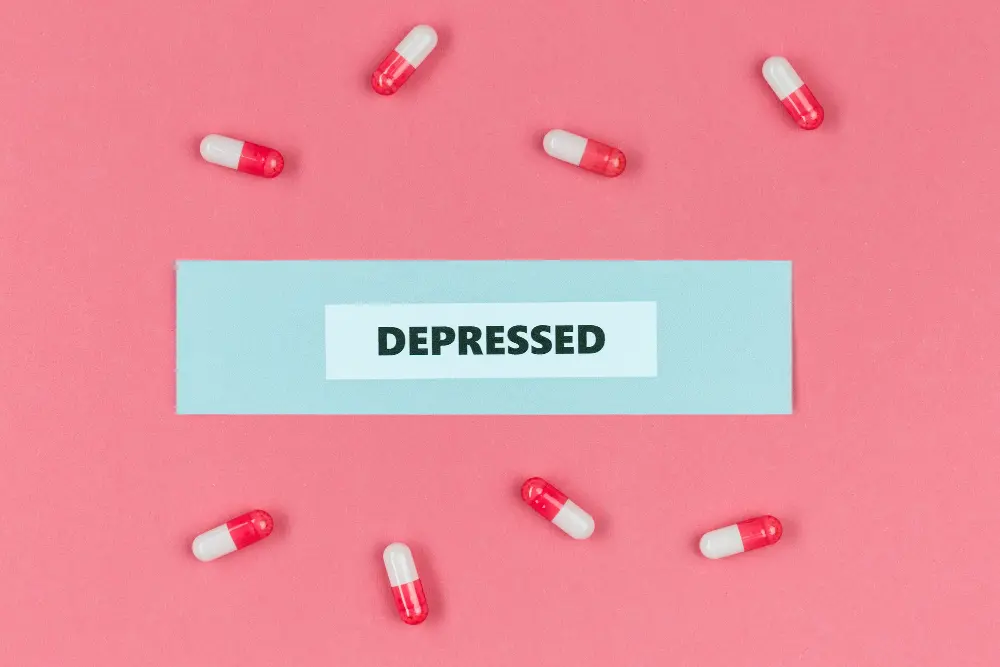
Dizziness, Restlessness, Brain Zaps: What's Normal When Stopping Antidepressants?
Stopping antidepressants can trigger symptoms that resemble a return of depression. Psychiatrist Prof. Dr. Andreas Menke explains how to tell the difference, why the final milligrams can be particularly difficult, and which two mistakes patients should avoid.
Christine Bürg & Marianne Waldenfels
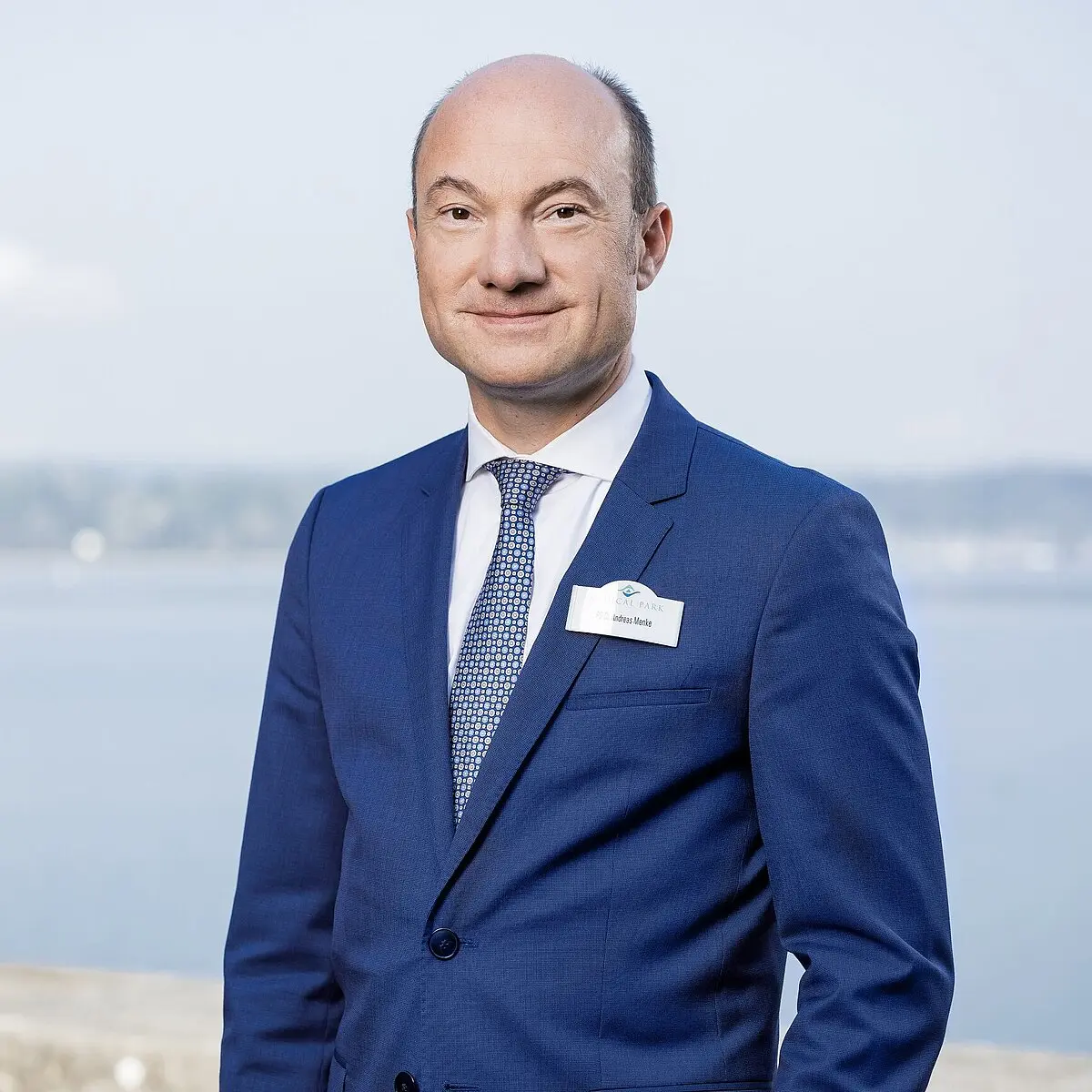
An interview with
Prof. Dr. med. Andreas Menke


- Aesthetic Surgery & Dermatology
- Health
- Mental Health
EXOMIND: How Magnetic Stimulation Can Improve Mental Strength
Less stress, better focus, greater peace of mind: EXOMIND aims to improve mental resilience through magnetic stimulation. Dr. Neda Nabavi explains how the treatment works, what changes she has observed in her patients, and why she considers brain health essential to longevity medicine.
Christine Bürg & Marianne Waldenfels

An interview with
Dr. med. Neda Nabavi

- Prevention
- Health
- Food
Can the Right Diet Help Prevent Cancer? An Oncologist Explains
Cut out sugar, reduce carbohydrates, avoid certain foods: there’s no shortage of advice about diet and cancer. Oncologist Dr. Gesche Brannolte-Raab explains what the evidence shows – and what she recommends to her patients.
Christine Bürg & Marianne Waldenfels
An interview with
Dr. med. Gesche Brannolte-Raab