Veneers for Beautiful Teeth: What a Dentist Strongly Warns Against
Veneers promise flawless teeth – but not every treatment is as gentle as many people think. Dentist Dr. Oliver Brendel explains which risks are often underestimated, when he advises against a treatment and what really makes a beautiful smile.
Perfectly straight, brilliantly white, and as even as possible: the perfect smile has become a widely embraced beauty ideal. On Instagram and TikTok, influencers show off their new teeth, and Hollywood stars display rows of teeth that look brighter than natural enamel. Those unhappy with their own teeth can now turn to veneers — ultra-thin ceramic shells bonded to the tooth surface.
But what looks at first glance like a straightforward cosmetic fix can have far-reaching consequences. Veneers cannot always be placed without first grinding down the teeth — and once healthy tooth structure has been removed, it does not grow back.
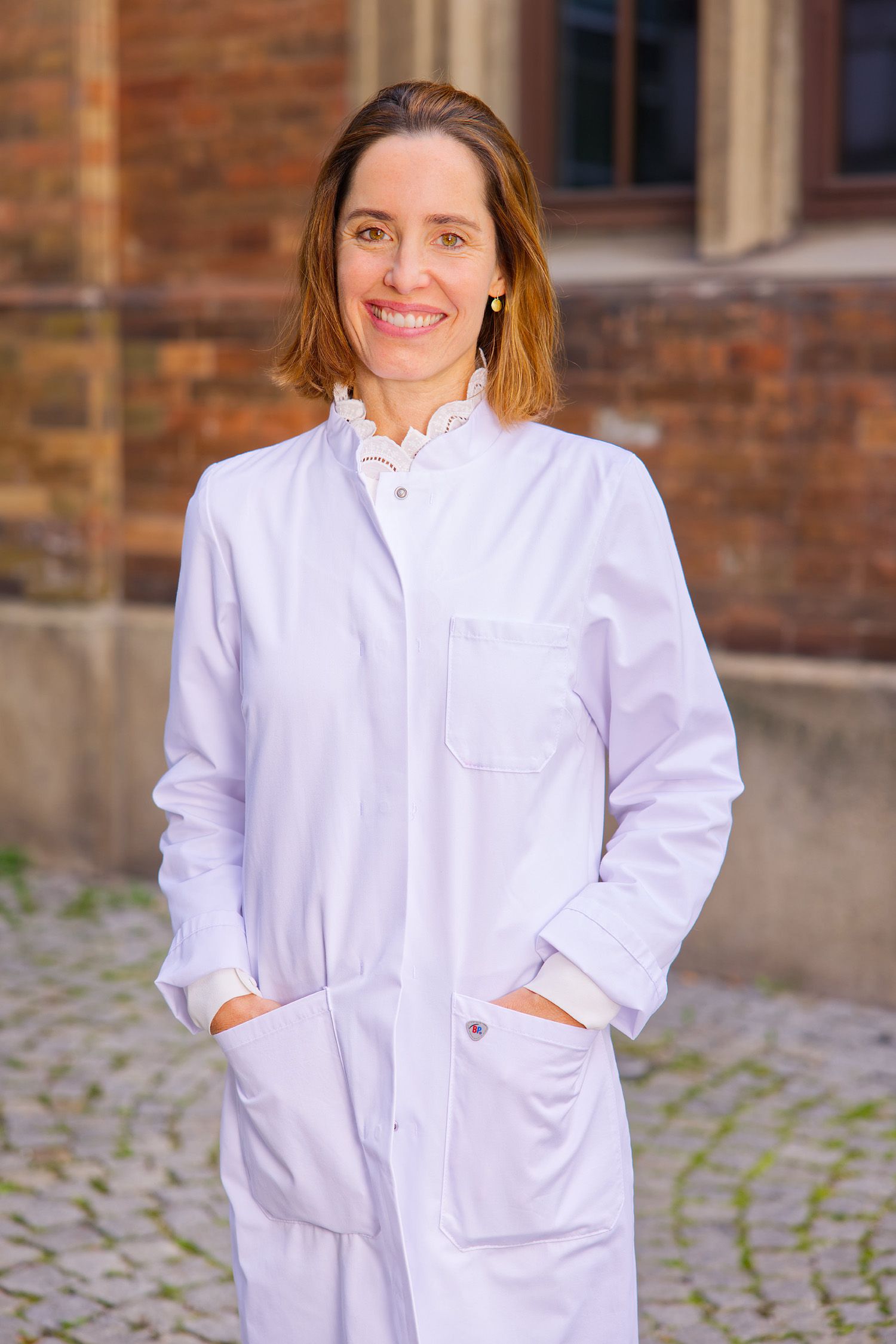
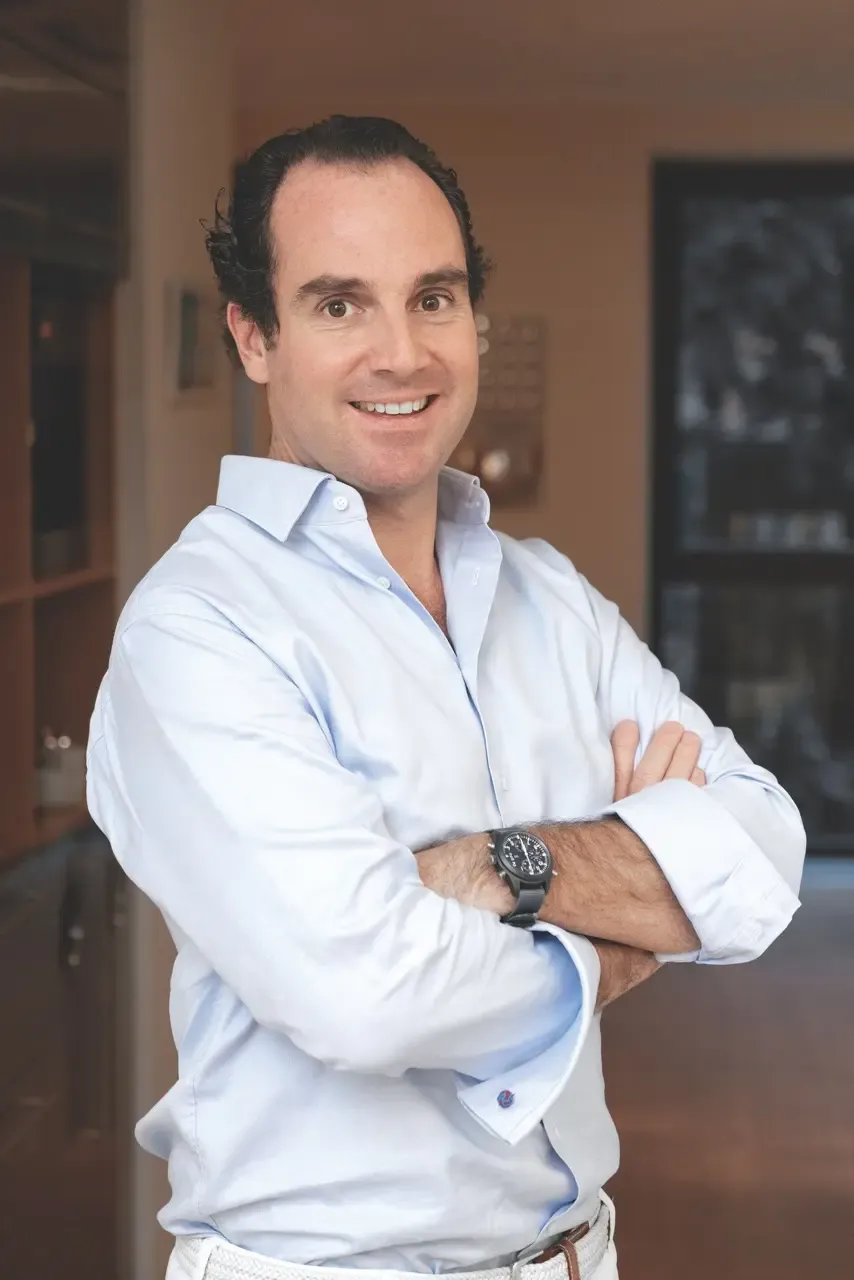
Dr. med. dent. Oliver Brendel is a specialist in Aesthetic and Functional Dentistry (DGÄZ) and runs a practice in Sindelfingen. For him, a beautiful smile is about far more than color. In this interview, he explains why he cautions against rushed veneer treatments, why what appears to be a veneer is often actually a ceramic partial crown, and when he will explicitly refuse to perform a procedure.
Beautiful Teeth: Why Careful Planning Is Crucial
Dr. Brendel, when a patient comes to you and says they want a more beautiful smile — how do you approach it, and where are the limits of cosmetic dental treatment?
The most important principle is: form follows function. If the function isn't sound — if the teeth aren't in the right position or don't have the right shape and length — you simply cannot achieve a lasting aesthetic result.
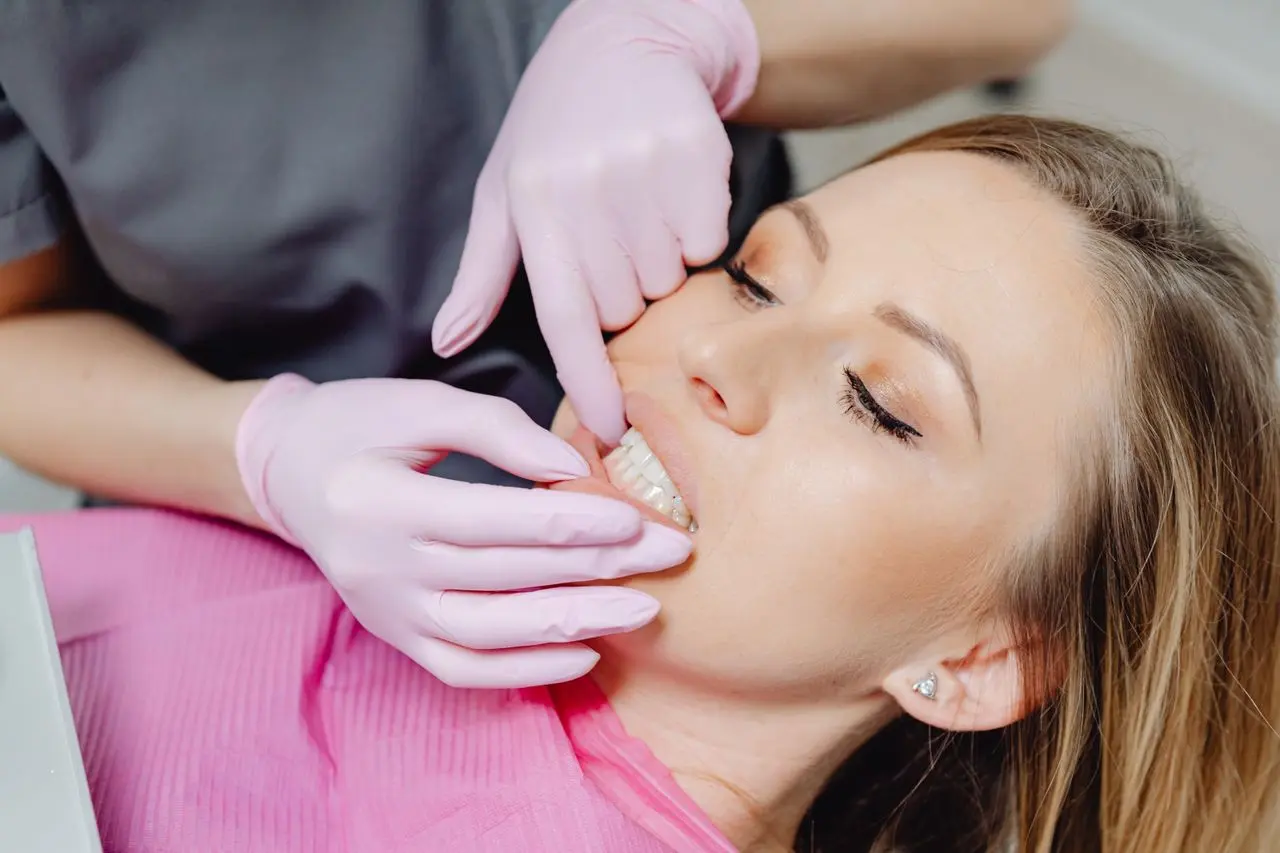
I find it problematic when dentists take a quick, shoot-from-the-hip approach: "Come in, I'll do six veneers in no time, and you're done." That's why we plan very carefully. We take impressions or perform a digital scan. Using imaging software, we can virtually reshape the teeth, place them in the context of the patient's face, and simulate what the final result will look like.
It's also essential that we first create a plastic provisional restoration. These range in quality: some provisionals last only one or two weeks, while more elaborate versions can be worn for six or even twelve months. With these high-quality provisionals, most people can barely tell the difference between ceramic and plastic.
I currently have a more complex case in which we first want the patient to get used to his altered appearance. How does his social circle respond to the completely different teeth? How does he personally feel about the result? And most importantly — is the function sound?
This is especially important when teeth that have been heavily worn down are suddenly made significantly longer again. The muscles, nerves, and jaw joint all need time to adapt.
That's also a matter of cost, isn't it?
Absolutely — but it's equally a question of weighing the risks. I have to be honest with the patient about whether what they want is feasible and whether I can carry it out with a clear conscience, or whether the treatment carries risks and, if so, which ones.
If a patient with a very challenging starting situation wants a complete restoration and insists it be done as quickly as possible, I would decline. Most patients understand once I explain that having everything done at once carries a significant risk.
My advice is always to get used to the changes gradually. That way, you'll also be satisfied with the result once the restoration is complete — and most people genuinely understand that.
Veneers or Ceramic Partial Crowns: What Patients Should Know
Are classic veneers still commonly used? And what do you think of non-prep or minimal-prep veneers?
That's a great question, because many patients have no idea what veneers actually are — or they imagine they're simply glued on like artificial fingernails. Non-prep veneers are an excellent option when they're appropriate. Non-prep means bonding a ceramic shell to the tooth without any prior preparation — without grinding it down, for example.
Veneers can be made very thin today, but a minimum thickness of 0.2 millimeters is still required. Most patients want veneers because they want a different tooth color — but with such a fine ceramic layer, color change is very limited, since the ceramic is highly transparent.
What are the limitations of non-prep veneers?
A significant color change isn't possible — only a shift of one to at most two shades. That's the first point. Second: they make the tooth thicker and more voluminous. Even at just 0.2 millimeters, the tooth will be slightly more prominent afterward.
If the teeth are already protruding or large enough to be immediately noticeable when the patient smiles, bonding something on top of them may leave the patient unhappy with the result. The lip can feel the difference too — its sense of touch is affected.
So does that mean many so-called veneers aren't actually veneers at all?
In the vast majority of cases, classic veneers are not used — ceramic partial crowns are. And here's the key distinction: with a ceramic partial crown, the incisal edge is included, which lengthens the tooth. A veneer, by contrast, is a shell bonded to the front of the tooth without making it longer or extending the incisal edge.
So if a patient comes in with worn teeth, wants a color change, and also wants the teeth lengthened slightly, they will receive a ceramic partial crown. The trouble is, patients don't like hearing the term "ceramic partial crown" because it contains the word "crown."
With a classic full crown preparation, you can lose as much as 60 to 70 percent of the hard tooth structure — which is quite substantial. With a ceramic partial crown, it's around 30 percent, which is significantly less. With a classic veneer, the loss of tooth substance is about five to ten percent, and with non-prep veneers it's zero. That illustrates the differences clearly. Patients need to understand that a ceramic partial crown is also a highly minimally invasive procedure.
If someone wants a more beautiful smile but wants to change as little as possible — where do you start? What is the most conservative option?
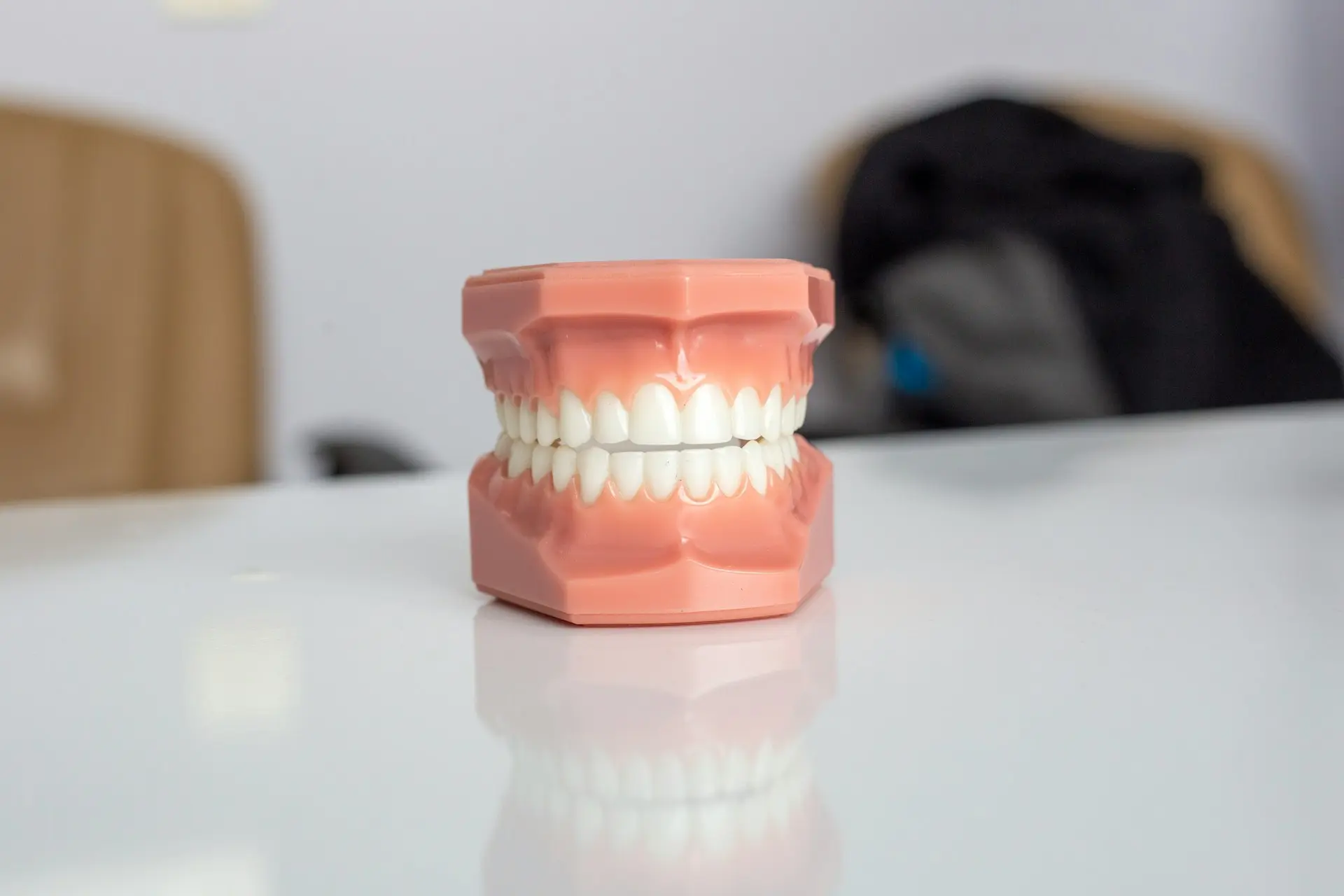
The most conservative option is to fit the patient with what's called a mock-up — a shell, or a set of shells made by the dental technician, depending on how many veneers are planned. Typically it's six.
The patient can essentially place this shell over their teeth to preview how a different color, a different tooth length, or a different tooth position would look. In 70 percent of cases, a mock-up like this is possible. The patient puts it on, goes home, tries it out, and sees how other people respond.
That option is always available. But I would never simply grind down the teeth without prior photos, a model, and a functional analysis, and then just hope for the best. Unfortunately, this happens quite often. Many dissatisfied patients were not properly advised and ended up with something completely different from what they had envisioned — and that's when disputes arise.
And how do you guide patients so that they're happy with the outcome and the tooth color suits their complexion?
What I recommend to every patient during our consultation: make a list of everything you want to change about your teeth. The patient then brings this list to the appointment. Ideally, the dental technician is also present, because they create the work, which must be highly accurate and extremely precise — in this area especially, that is absolutely critical.
These are not the kind of veneers that sit in a drawer somewhere — so-called prefabricated veneers that are bonded on like a fingernail and don't fit properly, or made from materials that don't allow for any natural appearance.
A tooth has a certain translucency, a certain light transmission, a certain way of reflecting light — and only very specific materials can replicate that. If you use zirconia, which is essentially opaque, the result looks completely unnatural.
Bleaching Instead of Veneers: The Gentlest Solution
Does that mean if I want to change something, I need ceramic partial crowns or veneers? Or is there another option?
If a patient is unhappy with their tooth color, bleaching is the most minimally invasive option, since virtually nothing is structurally altered on the tooth. If a patient has, say, tooth shade A3 and no fillings or similar restorations that would interfere — because only natural teeth can be bleached, not restorative materials — then bleaching is a viable option, and patients are typically delighted with the results.
The effect lasts anywhere from six months to two years, depending on the patient's dietary and lifestyle habits — smoking, red wine, and so on. At the dental office, they undergo what is known as power bleaching — in other words, in-office bleaching.
The patient then takes a bleaching tray home and can touch up the whitening after six months, or whenever they feel the teeth are starting to darken again. The bleaching material for home use is significantly weaker than what the dentist uses in the office. That is the most conservative solution available.
A veneer is indeed a minimally invasive procedure. But it is highly complex and demanding — it requires a certain depth of knowledge from the dentist and an exceptionally high standard of quality, because there is no room for error. You also need excellent dental technicians. No matter how skilled you are as a dentist: if the dental technician doesn't have the expertise to deliver, none of it matters. All three parties need to function as a perfect team.
The Hollywood Smile: Why White Alone Isn't Beautiful
On the subject of the Hollywood aesthetic: white, straight teeth are still considered the beauty ideal. At the same time, a perfect smile today is expected to look as natural as possible — not "done." Has aesthetic dentistry changed over the past years or decades?
There has certainly been a paradigm shift in aesthetic dentistry over the past ten to fifteen years. We are now dealing with tooth shades that fall far outside the natural spectrum. Young women at 25 or 30 typically have shade A2.
If you were to offer that shade today to a woman in her 50s or 60s following a restoration or crown treatment, it would actually look too yellow for most women in that age group. You can no longer offer a shade that falls within the natural tooth color spectrum and is considered relatively light.
That doesn't mean the result looks unnatural. It simply reflects the fact that we have grown accustomed to extremely bright tooth shades — an influence that has come to us from across the Atlantic, from Hollywood.
So does that mean everyone needs to have their teeth bleached in order to look good?
No — that's just the set of expectations patients bring when it comes to cosmetic correction. Social media plays a role here, because we see things every day that are not necessarily real.
And it has nothing to do with quality, nor is it simply about tooth color. What actually is aesthetic dentistry? I ask this question to every young dentist who comes to me wanting to work in this field. They all give the same answer: bright teeth.
That always makes me smile, because in dentistry we are dealing with nearly 30 medical factors that determine whether a set of teeth or a smile is aesthetic and functional. There are very specific principles by which we measure this. White teeth alone do not make the difference.
There are countless negative examples of this. I was recently interviewed, and during the conversation Jürgen Klopp came up — one of the most glaring examples. I have a photo in mind of him with Robbie Williams. Both are smiling at the camera. Williams has naturally beautiful teeth. Klopp has oversized white teeth. If Klopp had come to me for that, I would have refused.
You mentioned 30 medical factors. Could you name a few?
For example, the length-to-width ratio of the teeth, tooth alignment, and tooth length: the central incisor and the canine should be the same length, while the lateral incisor should typically be one to one and a half millimeters shorter than the central incisor.
Also important is gum tissue that is inflammation-free, pale, and has a scalloped contour, with the zenith of the gum line positioned in the posterior third of the tooth.
Another consideration is avoiding what is known as a gummy smile, which is particularly common among American women who expose a great deal of gum tissue when they smile. It is widely considered unflattering. In our cultural context, at least, the lip should move across the middle or upper portion of the teeth when smiling.
It is also unappealing when no teeth are visible at all when laughing. This happens naturally as we age, because the muscles lose their tension. The older we get, the fewer upper teeth are visible and the more lower teeth are shown.
Tooth Jewelry and More: Where a Dentist Won't Play Along
Are there any aesthetic treatments or trends where you would draw the line — things you wouldn't want to do to your own teeth or your patients'?
What I fundamentally oppose and consider harmful is tooth jewelry: piercings of all kinds, diamonds glued onto teeth. I find piercings genuinely troubling, because tongue and lip piercings damage teeth. Every time you speak, the piercing clicks against the tooth, or the lip piercing rubs against it.
This causes structural damage. And I have no interest in drilling a hole in a tooth to set a diamond, à la Madonna. You don't have to go along with every passing trend. That is simply not the standard I hold myself to.