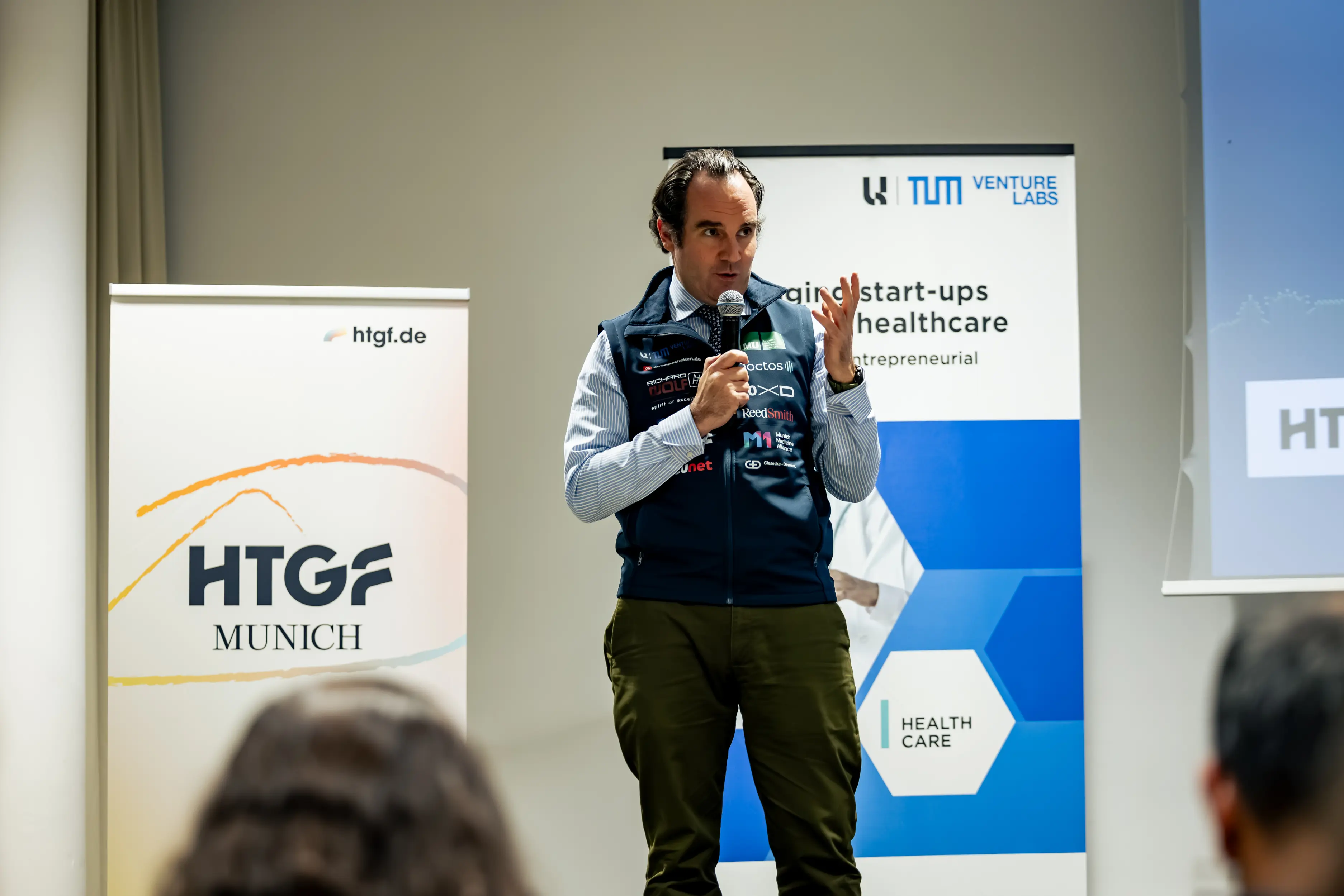
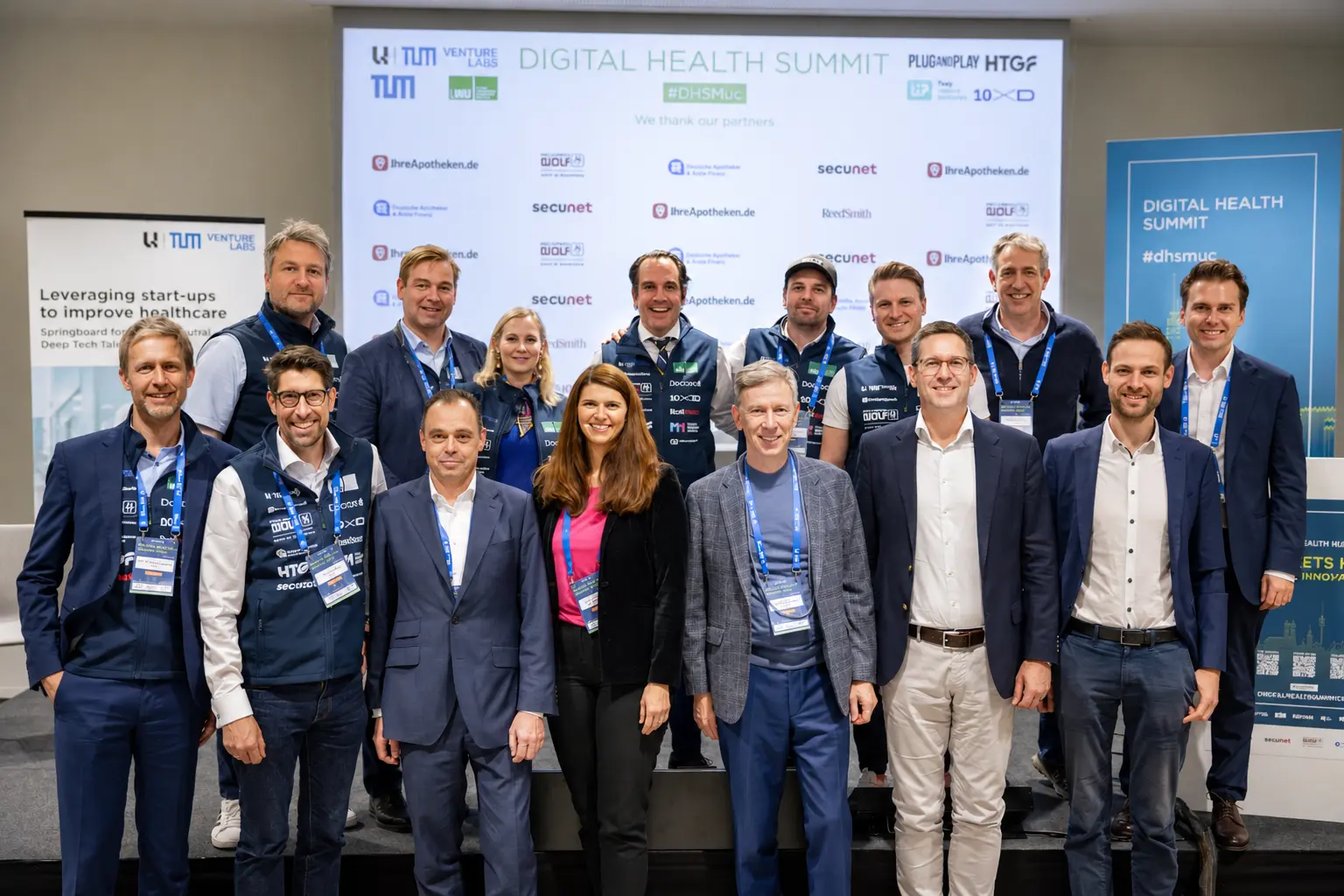
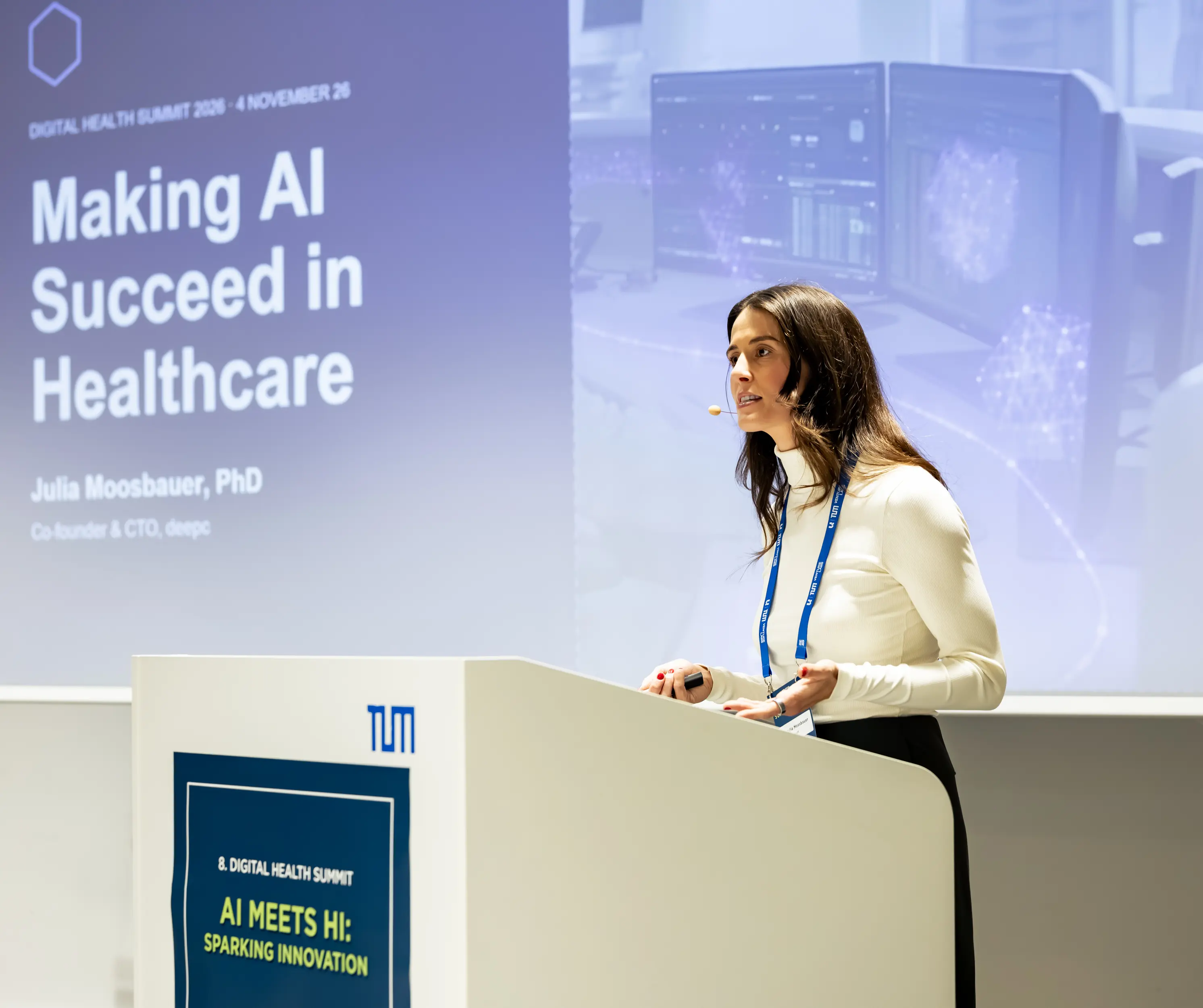
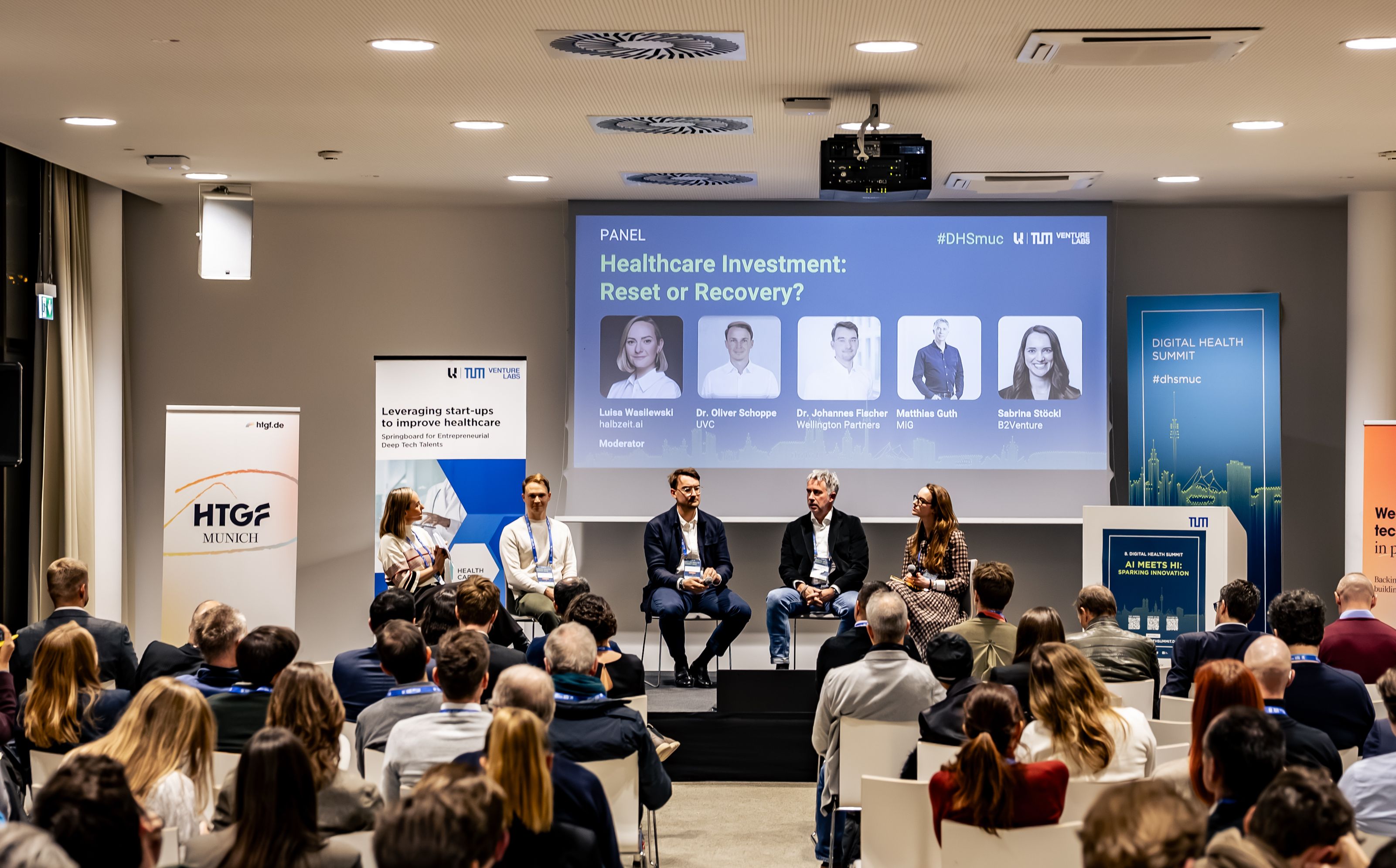
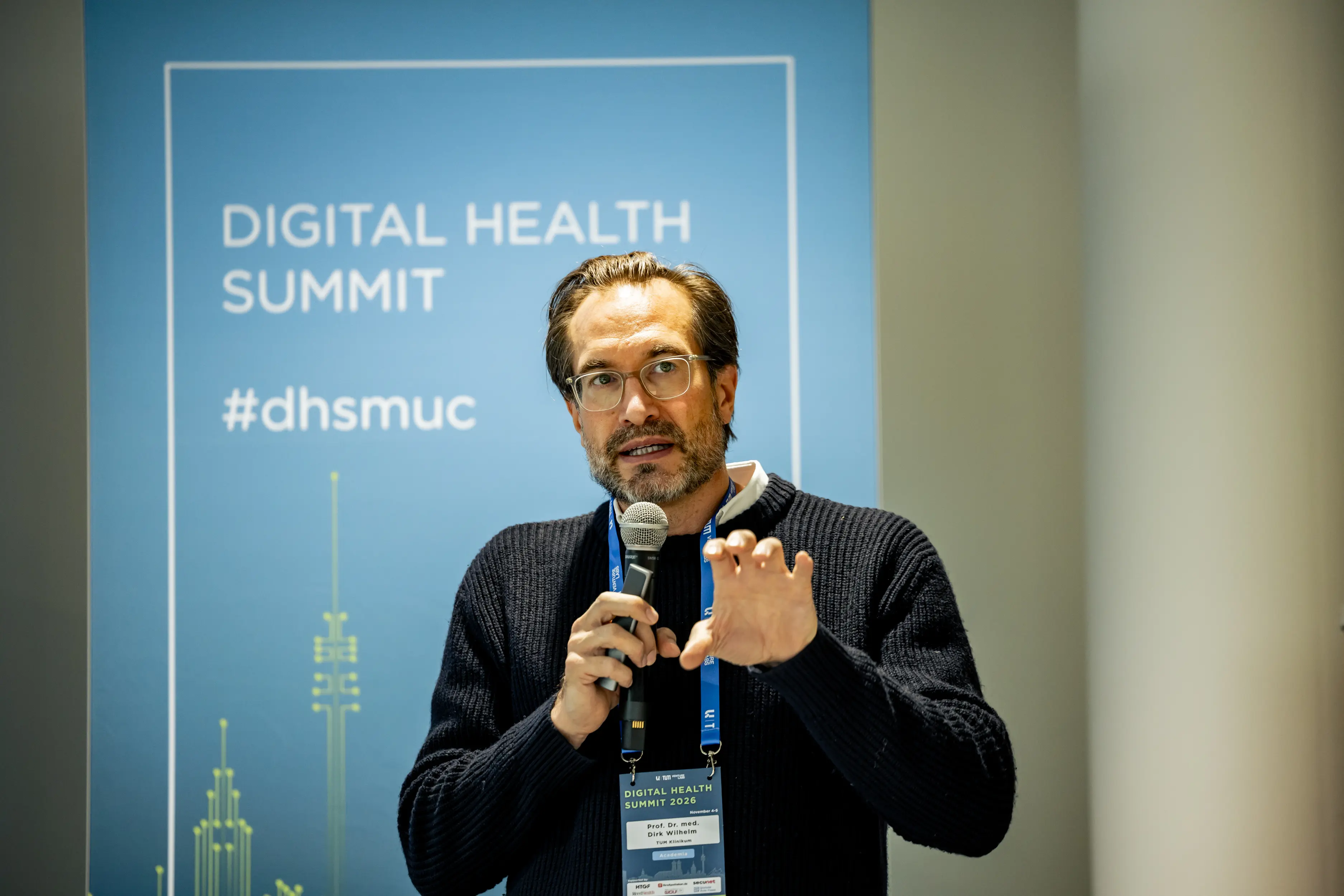
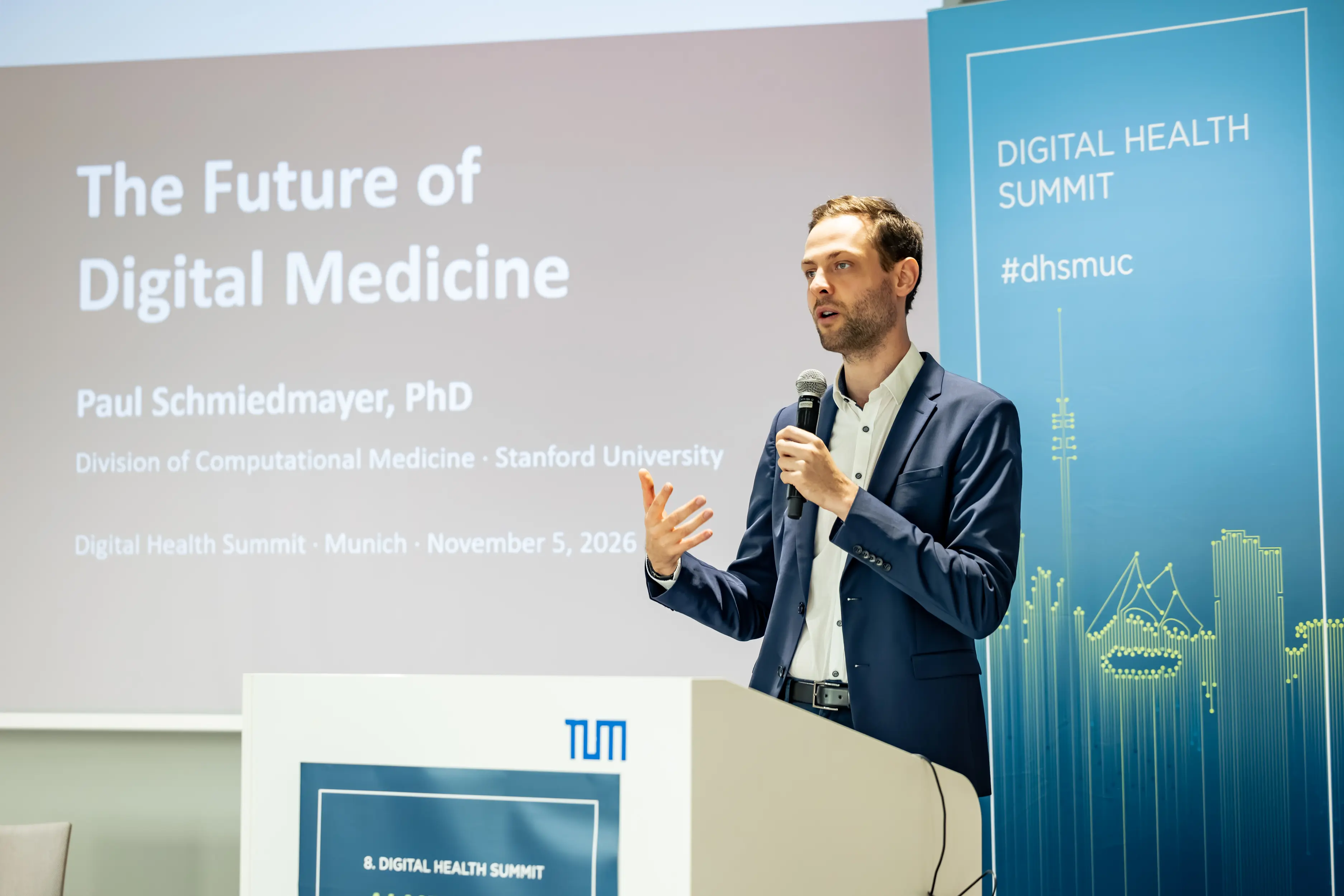
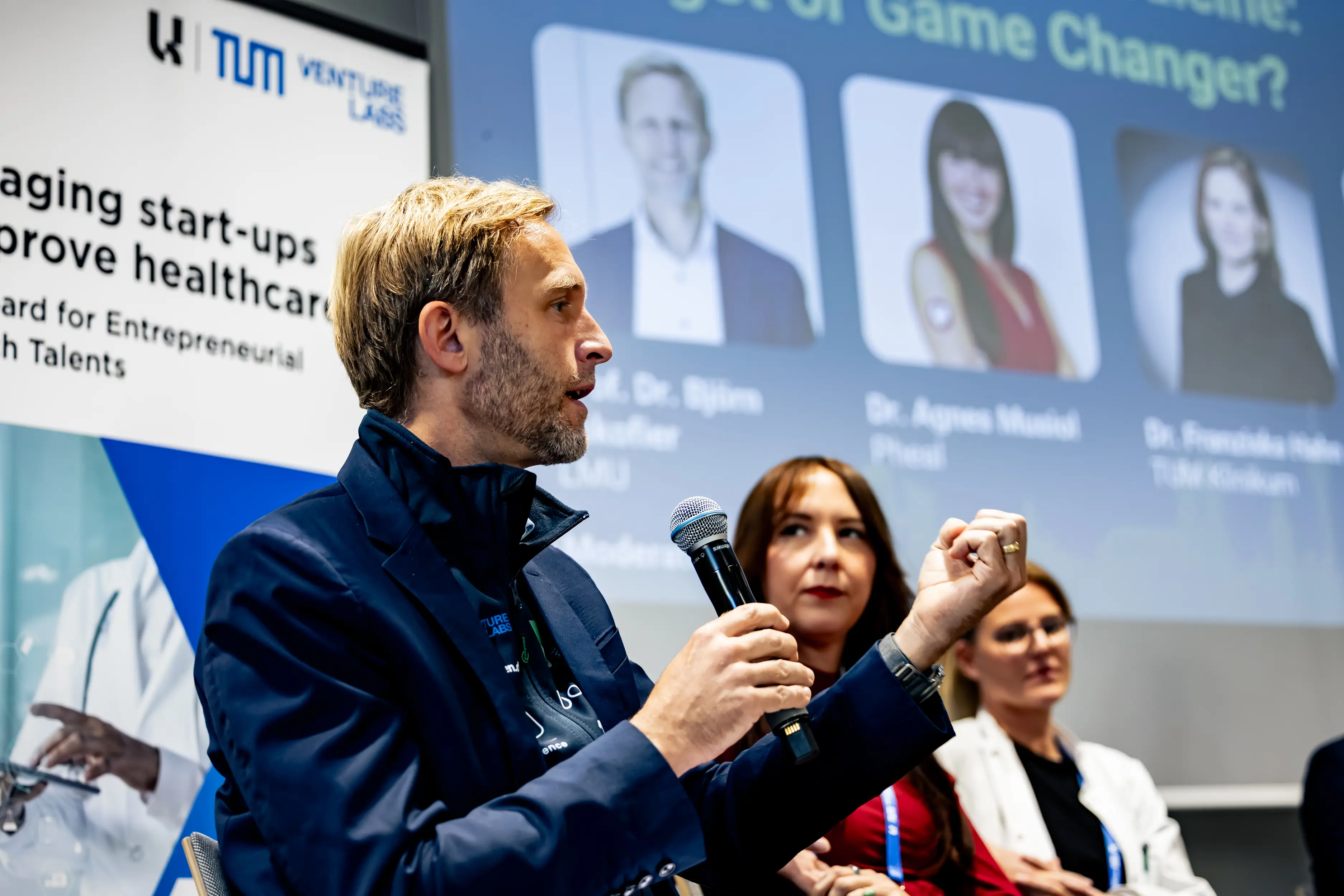
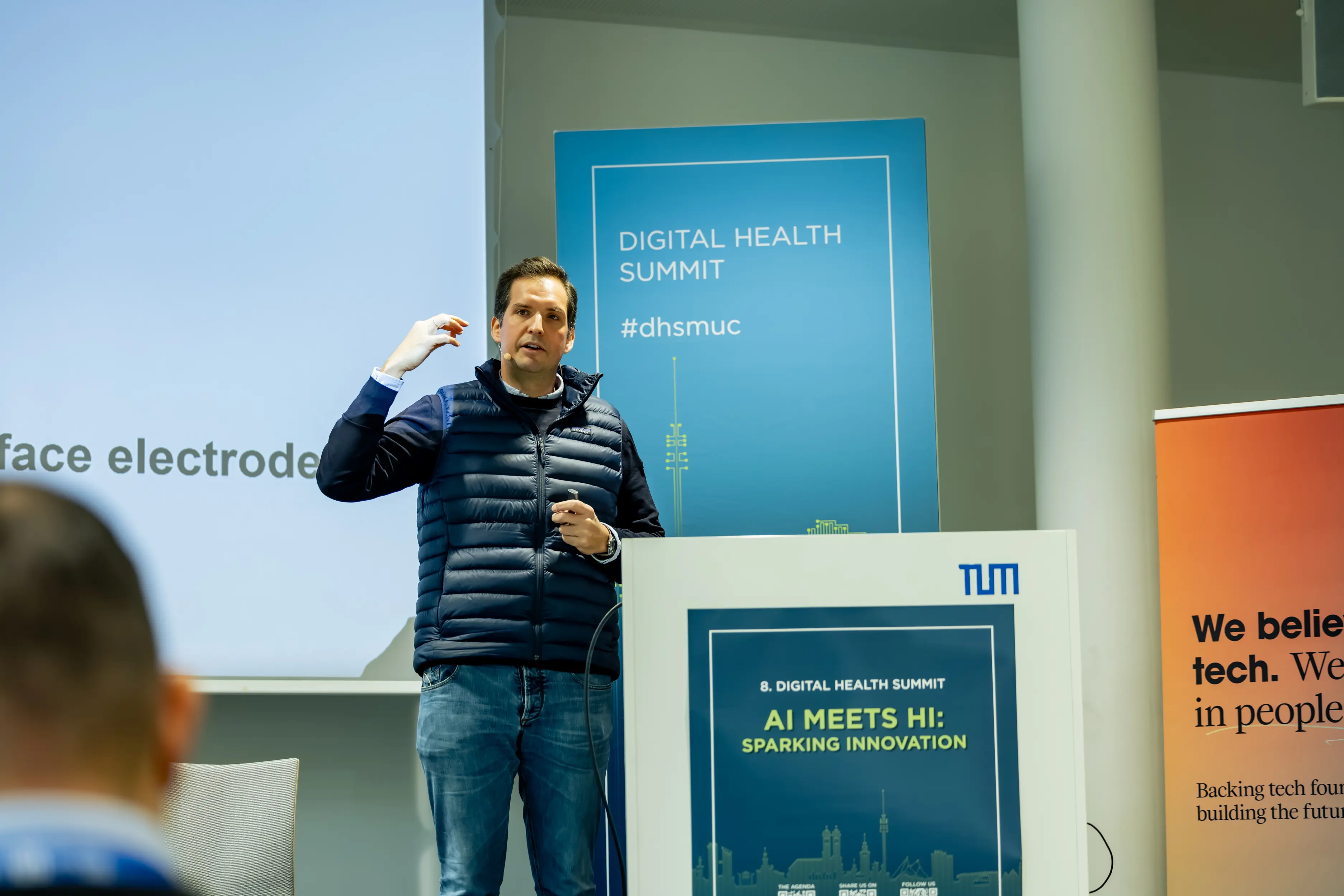
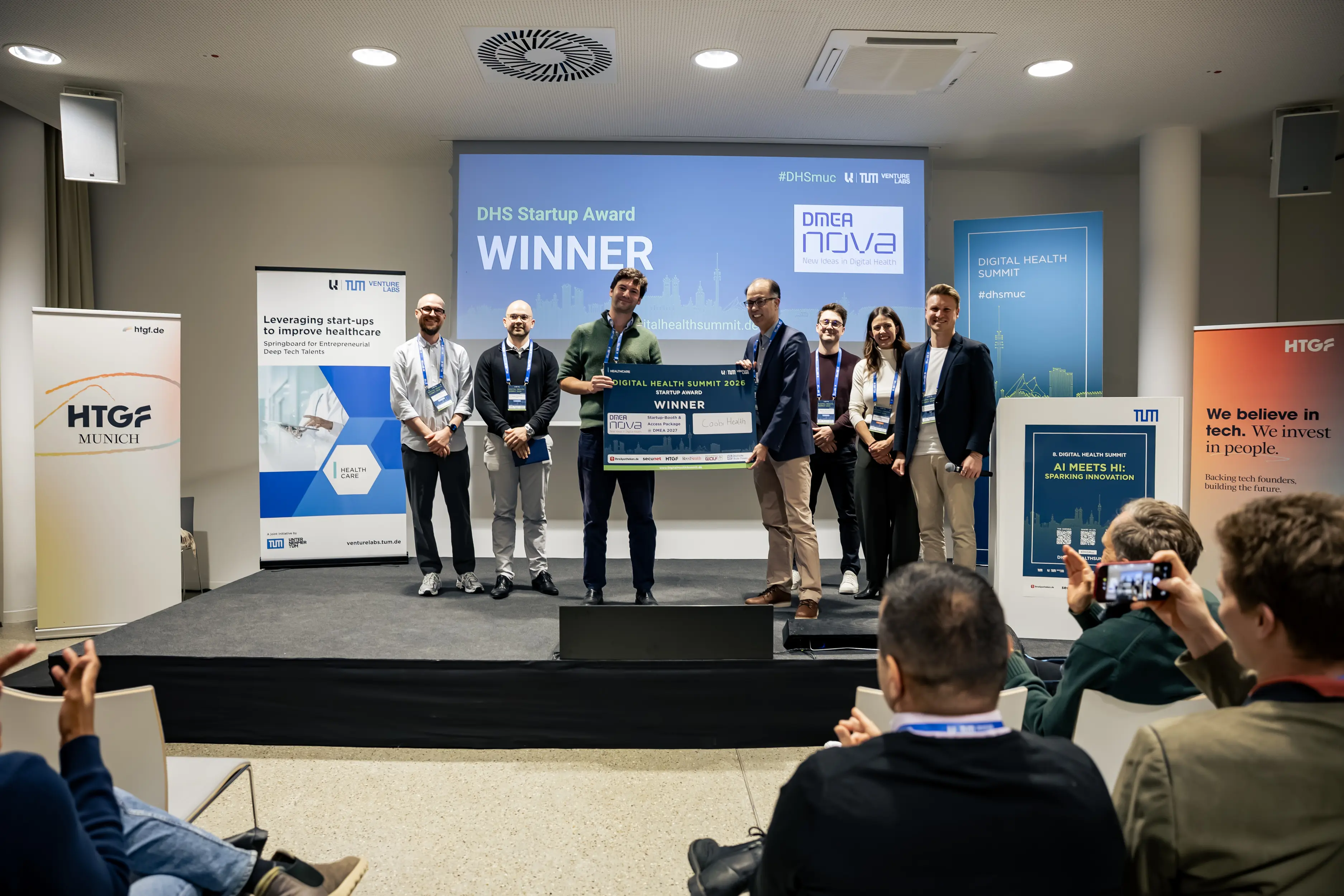
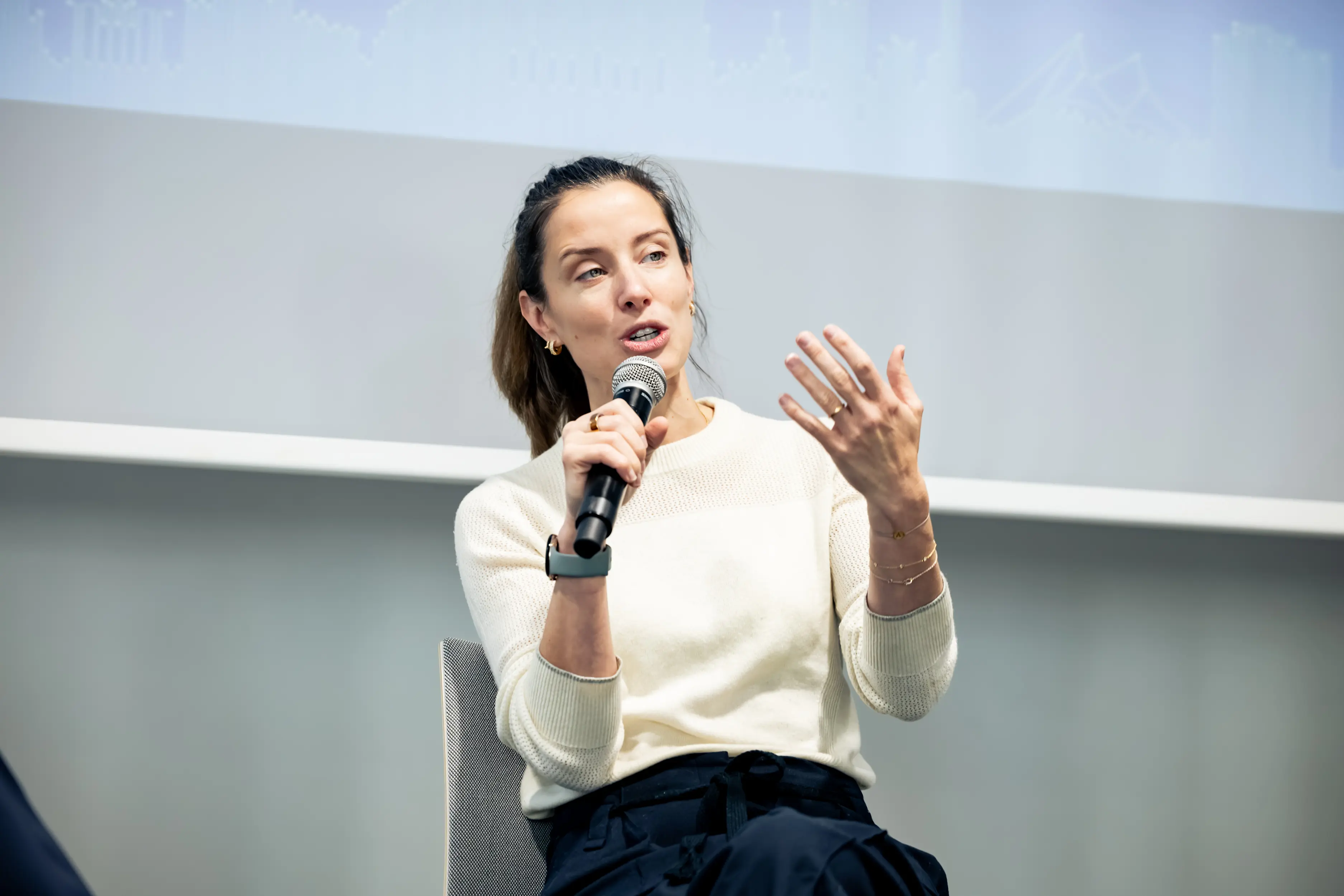
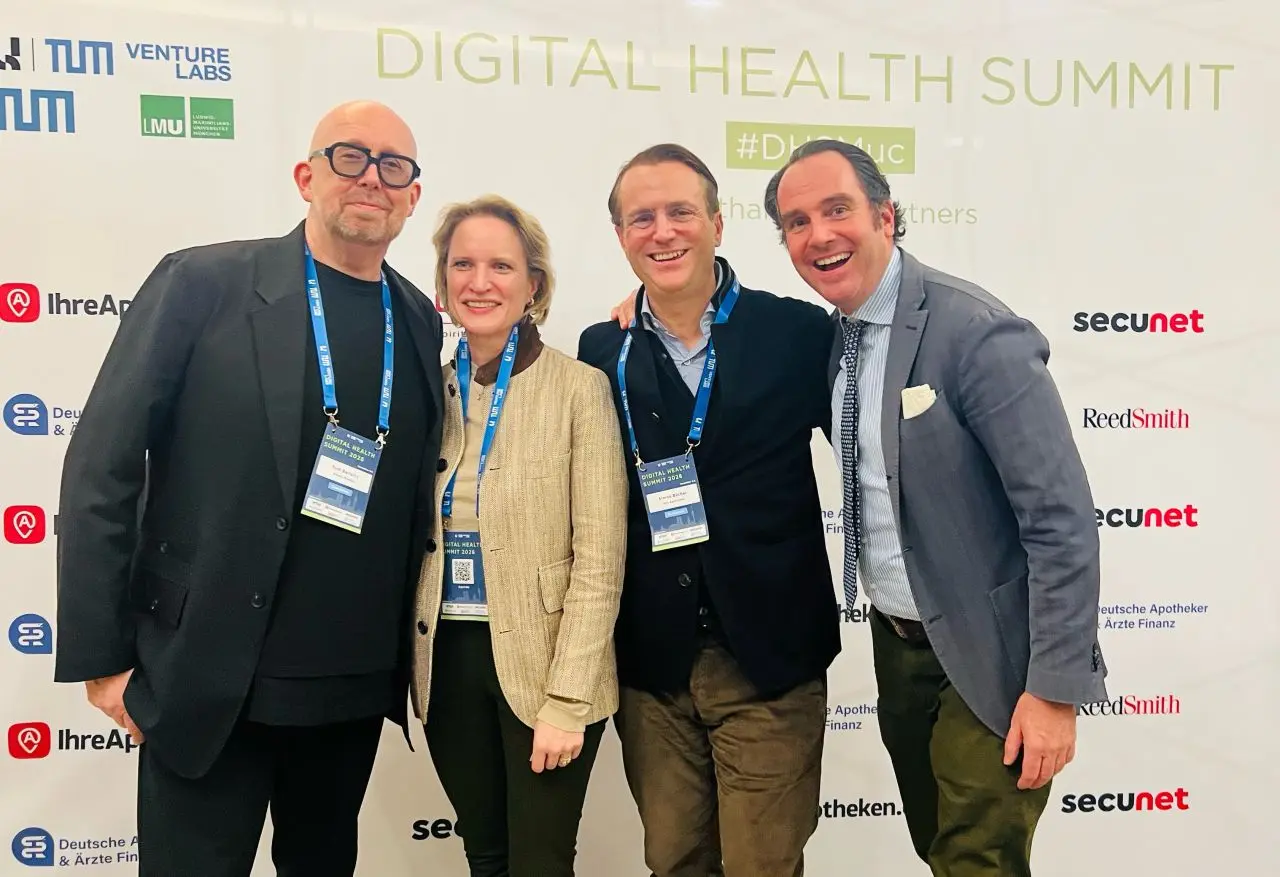
In early November, TranslaTUM at TUM Klinikum rechts der Isar became the gathering place for digital medicine. Under the motto "AI meets HI – Sparking Innovation," the Digital Health Summit 2026 brought together scientists, physicians, technology companies, start-ups, and investors. The central message: the future of medicine is being shaped where artificial intelligence meets human expertise.
The topics on the agenda reflected what is happening in the field right now: artificial intelligence in diagnostics and therapy, brain-computer interfaces, wearables, digital hospital infrastructure, health data, and cybersecurity all took center stage. The discussions went beyond technical possibilities to address the most critical question of all: How do innovations actually travel from the research lab to the patient?
Munich as an International Hub for Medical Innovation
Munich is exceptionally well positioned for this challenge. TUM brings deep expertise in AI, medical technology, and entrepreneurship, while LMU excels in top-tier medical and natural science research. Together with the two university hospitals and Helmholtz Munich, they form a research and innovation ecosystem with an international reputation. The M1 Munich Medicine Alliance aims to consolidate these strengths and accelerate the translation of scientific findings into patient care.
From Research to Clinical Practice
The summit is driven primarily by the team behind TUM Venture Lab Healthcare and the faculties of both leading universities. Professors Björn Eskofier and Daniel Rückert are among the most prominent figures in medical AI research, while Dr. Nicolai Heinzelmann and Tobias Döringer are working to strengthen the connections between academia, founders, and investors.
What matters to all of them is the bridge: the collaboration between LMU and TUM, together with Helmholtz Munich, the Center for Digital Technology and Management (CDTM), OneAIM, baiosphere, and Friedrich-Alexander-Universität Erlangen-Nürnberg (FAU).
Why Medical Innovation Needs Strong Networks
The HTGF Digital Health Pitch Day, held immediately before the summit, underscored a simple truth: good research also requires capital, entrepreneurial courage, and access to clinical practice. Munich has the talent, the clinics, and the ideas.
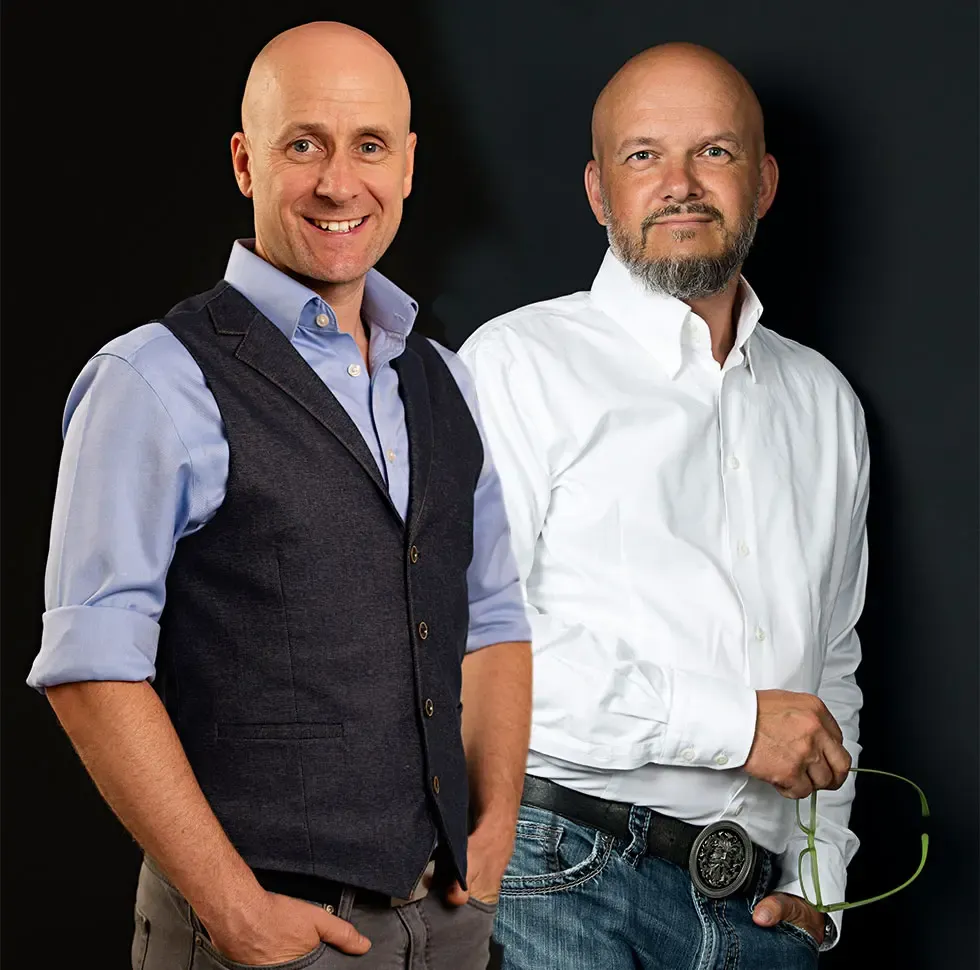
The DHS serves as a catalyst for exchange between researchers and entrepreneurs. The two organizers, Dr. Nicolai Heinzelmann and Prof. Dr. Dominik Pförringer, expressed their gratitude to all supporters and partners. Together, they are committed to keeping this dialogue alive — and are already looking forward to the Healthcare Happy Hour on January 12 in Munich.