© Magnific
July 1, 2026
Prof. Dominik Pförringer
Artificial intelligence is taking over routine tasks and freeing up time for what truly matters: the relationship between doctor and patient. Prof. Dr. Dominik Pförringer explains why empathy is becoming the most important factor for success in medicine in the age of AI.

By
Univ.-Prof. Dr. med. Dominik Pförringer
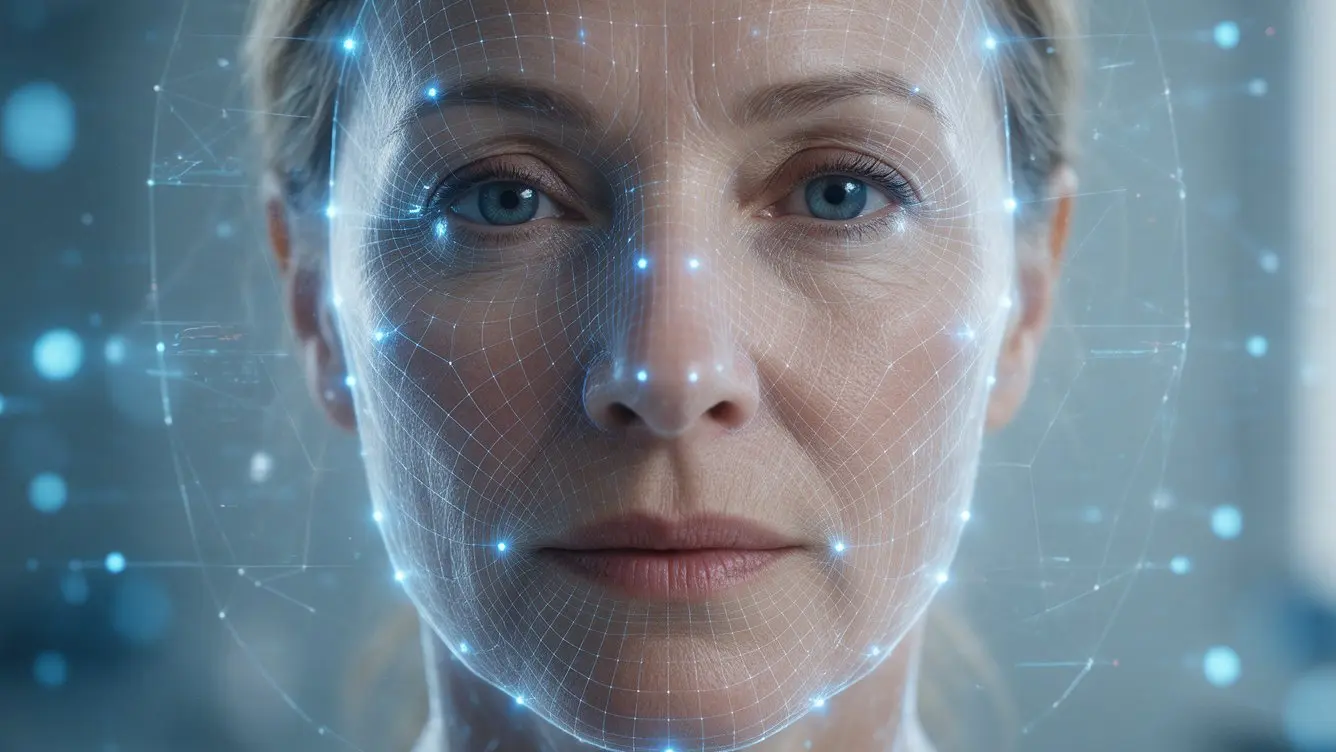
The debate about Artificial Intelligence in medicine is too often reduced to the question of whether machines will one day replace doctors or nurses. But the scientific evidence points to a different trajectory: AI will become one of the most powerful tools in medicine — and for precisely that reason, human empathy will only grow more valuable with each passing day.
The future belongs not to the machine that replaces humans, but to the human who uses machines wisely. Technology is humanity's servant — never the other way around.
Empathy is not a decorative "soft skill" — it is THE clinically relevant factor. A recent systematic review of randomized studies shows that empathetic behavior by practitioners significantly improves patient satisfaction — which, in turn, leads to greater adherence, higher treatment compliance, and better outcomes.
Physician empathy reduces anxiety and stress, improves doctor-patient communication, and is associated with measurably better clinical outcomes. Empathy is the backbone of the doctor-patient relationship and the foundation of the healing arts.
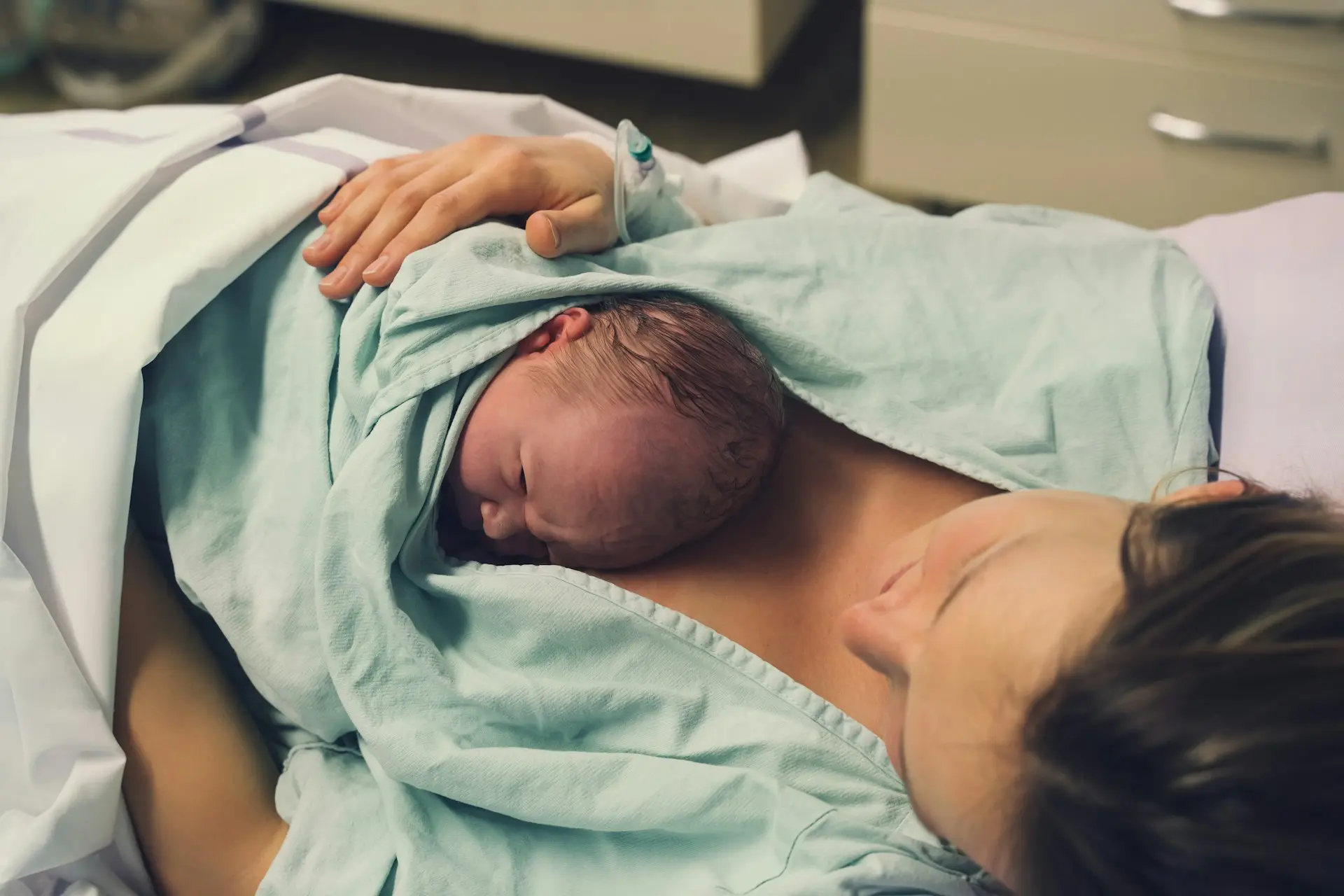
Medicine is far more than the correct application of guidelines, far more than mere data. People seek medical help in moments defined by uncertainty, pain, fear, or existential threat. A patient doesn't just want to know what they have. They want to understand what it means for their life. That meaning emerges through a relationship — not an algorithm.
This points to a structural and logical limitation inherent to AI. Modern language models can generate language that sounds empathetic. They can simulate comfort, recognize emotions, and produce ostensibly "appropriate" responses. Yet there is a fundamental difference — a genuinely complex distinction — between simulating empathy and actually experiencing it.

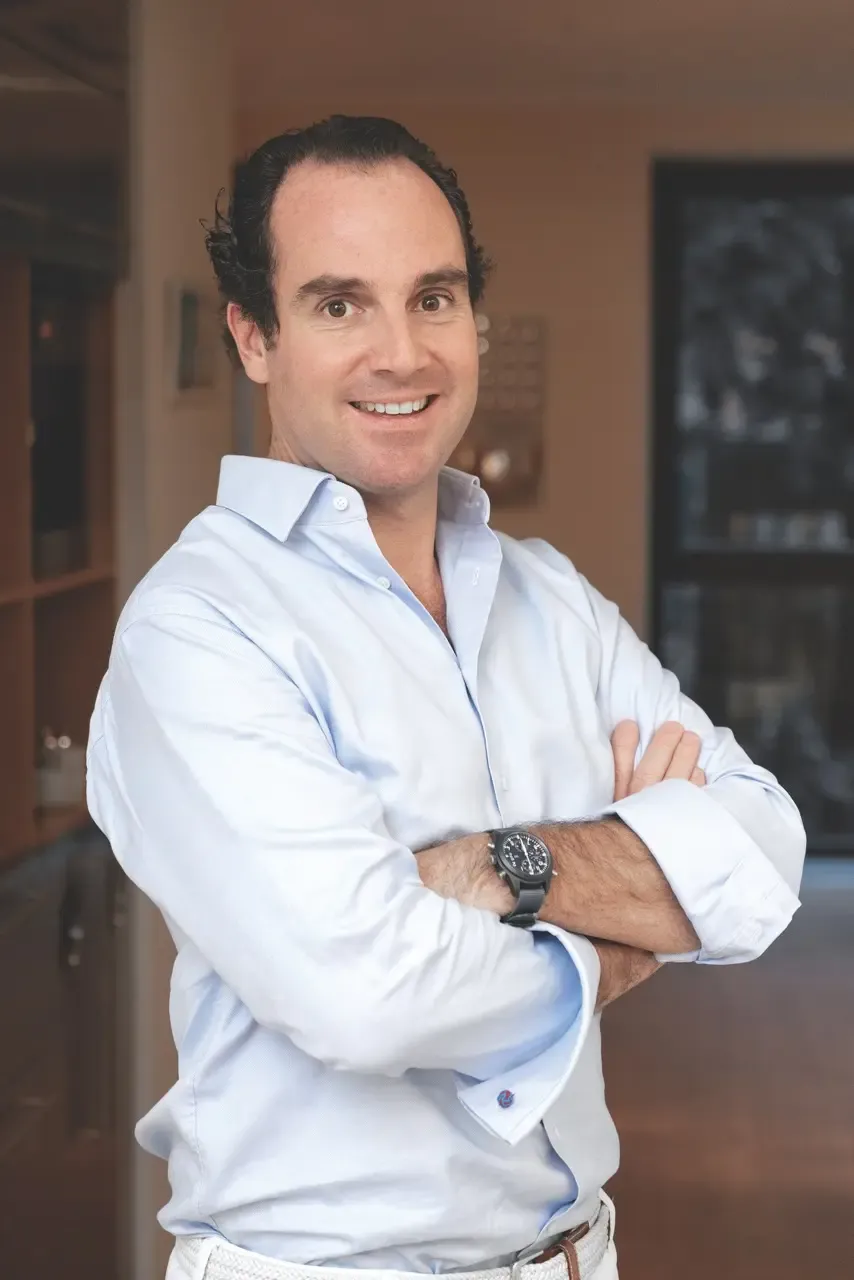
Artificial intelligence is taking over routine tasks and freeing up time for what truly matters: the relationship between doctor and patient. Prof. Dr. Dominik Pförringer explains why empathy is becoming the most important factor for success in medicine in the age of AI.
Prof. Dominik Pförringer

By
Univ.-Prof. Dr. med. Dominik Pförringer

Prevention should not only detect diseases early — it should stop them from developing in the first place. Dr. Jan Hennigs explains which examinations are genuinely worthwhile today, why cardiovascular risks are so often underestimated, and how artificial intelligence is set to transform the field of prevention.
Christine Bürg & Marianne Waldenfels

An interview with
Dr. med. Jan K. Hennigs
True empathy is rooted in deep inner awareness, lived experience, and a blend of vulnerability, moral responsibility, and human connection. None of this can be even remotely captured by data, let alone addressed by it.
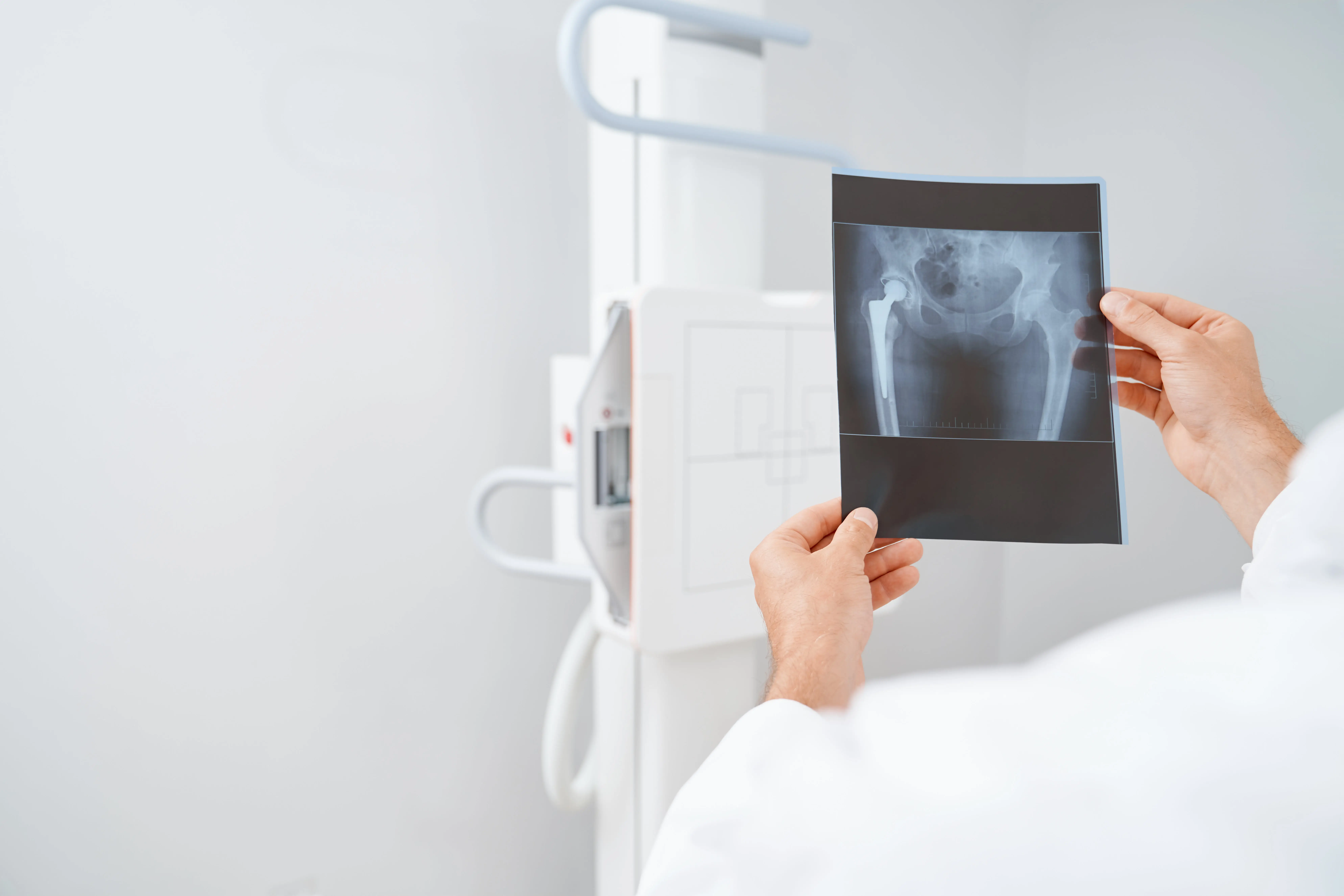
A doctor understands their patient not simply because of data, but because they share a common humanity. You cannot treat an X-ray — you treat a person. That relationship is rooted in biography, in social context, and in moral responsibility. It cannot be calculated or measured; it is, at its core, purely human.
For precisely this reason, the goal should not be to replace human empathy with AI, but to use AI to free doctors from mundane tasks. The true revolution of artificial intelligence lies in that freedom: documentation, coding, information retrieval, report summaries, appointment management, and data analysis can all be successfully automated and streamlined today.
This creates something that has become increasingly scarce in healthcare over the years: time. Time for medicine. Time for our patients. This makes the most empathetic care possible. When machines handle the paperwork, humans can once again focus on helping humans.
The crucial question is whether humanity develops this technology consciously. AI must be trained, and doctors must invest the time to do so. Medicine succeeds when technology serves the physician — and through them, the patient — and never the other way around.
The stethoscope does not replace the doctor — it empowers them. The MRI certainly does not replace the radiologist — it assists them. No form of Artificial Intelligence will replace human beings. It is a tool, one with the potential to become the most powerful tool in the history of medicine.
But tools have no purpose of their own. Purpose is defined by the humans who control which tool is used, when, and for what. That is why the future belongs not to a medicine of machines, but to a medicine in which empathetic doctors harness powerful AI systems to make better decisions and free up more time for their patients. Technology becomes the servant of humanity — not its successor.
Or to put it another way: the medicine of the future will not be less human — it will be more human, because intelligent machines will free people from tasks that require no humanity. Empathy will not be a problem for medicine to solve. It will remain medicine's most valuable asset. And that is precisely why it will never be automated.