© Stijn Dijkstra
June 30, 2026
Judith Cyriax
Whether stirred into your morning coffee as a powder or taken in capsule form as a dietary supplement, Lion's Mane, Reishi, and Cordyceps have emerged as the new stars of the longevity movement. But which of their claimed health benefits are actually supported by scientific evidence?
Fungi have accompanied humans for thousands of years. Long before modern medicine existed, people across Asia, Europe, and North America used certain mushroom species — mostly in the form of teas or powders — specifically to support health and well-being.
Today, so-called "functional mushrooms" are making a remarkable comeback. Innovative research, modern extraction methods, and new studies have brought medicinal mushrooms back into the spotlight.
For a long time, omega-3 fatty acids, spirulina, chlorella, and ashwagandha dominated the biohacking and longevity scene, but medicinal mushrooms have now become some of the most talked-about natural ingredients for mental and physical performance.
"From today's perspective, their immunomodulating, inflammation-regulating, and adaptogenic – that is, stress resilience-supporting – properties are of particular scientific interest," explains Dr. Gesche Brannolte, a specialist in internal medicine, hematology, and oncology, as well as a TCM expert.
Many people initially think of mushrooms as plants — after all, they grow from the ground and can be harvested. But this isn't quite right: mushrooms have no roots, no leaves, and most importantly, no chlorophyll.
They have no chlorophyll with which to perform photosynthesis. Their cell walls are also not made of cellulose but of chitin — the same material from which the cell walls of most insects are made — and yet they are not animals.
Fungi actually form their own biological kingdom, alongside plants and animals. This kingdom supports our health through a wide variety of bioactive substances, including beta-glucans, triterpenes, polysaccharides, antioxidants, as well as numerous vitamins and minerals — not only as a culinary ingredient, but as a new generation of functional dietary supplements.
"In my practice, I'm seeing a growing interest in medicinal mushrooms, particularly among people who want to support their health preventively. I don't view these mushrooms as miracle cures, but as a possible building block within a holistic health concept," says Dr. Brannolte.
Specialist tip: "With mushroom preparations in particular, it's worth taking a close look at quality. Key factors include whether fruiting bodies (which are clearly superior) or mycelium are used, how high the concentration of relevant active ingredients is, and whether independent quality controls are in place".

Artificial intelligence is taking over routine tasks and freeing up time for what truly matters: the relationship between doctor and patient. Prof. Dr. Dominik Pförringer explains why empathy is becoming the most important factor for success in medicine in the age of AI.
Prof. Dominik Pförringer

By
Univ.-Prof. Dr. med. Dominik Pförringer

Prevention should not only detect diseases early — it should stop them from developing in the first place. Dr. Jan Hennigs explains which examinations are genuinely worthwhile today, why cardiovascular risks are so often underestimated, and how artificial intelligence is set to transform the field of prevention.
Christine Bürg & Marianne Waldenfels

An interview with
Dr. med. Jan K. Hennigs
Medicinal mushrooms offer a wide range of benefits for both body and mind. They contain a high concentration of compounds known as beta-glucans, which scientists and health experts consider to play a key role in supporting the immune system.
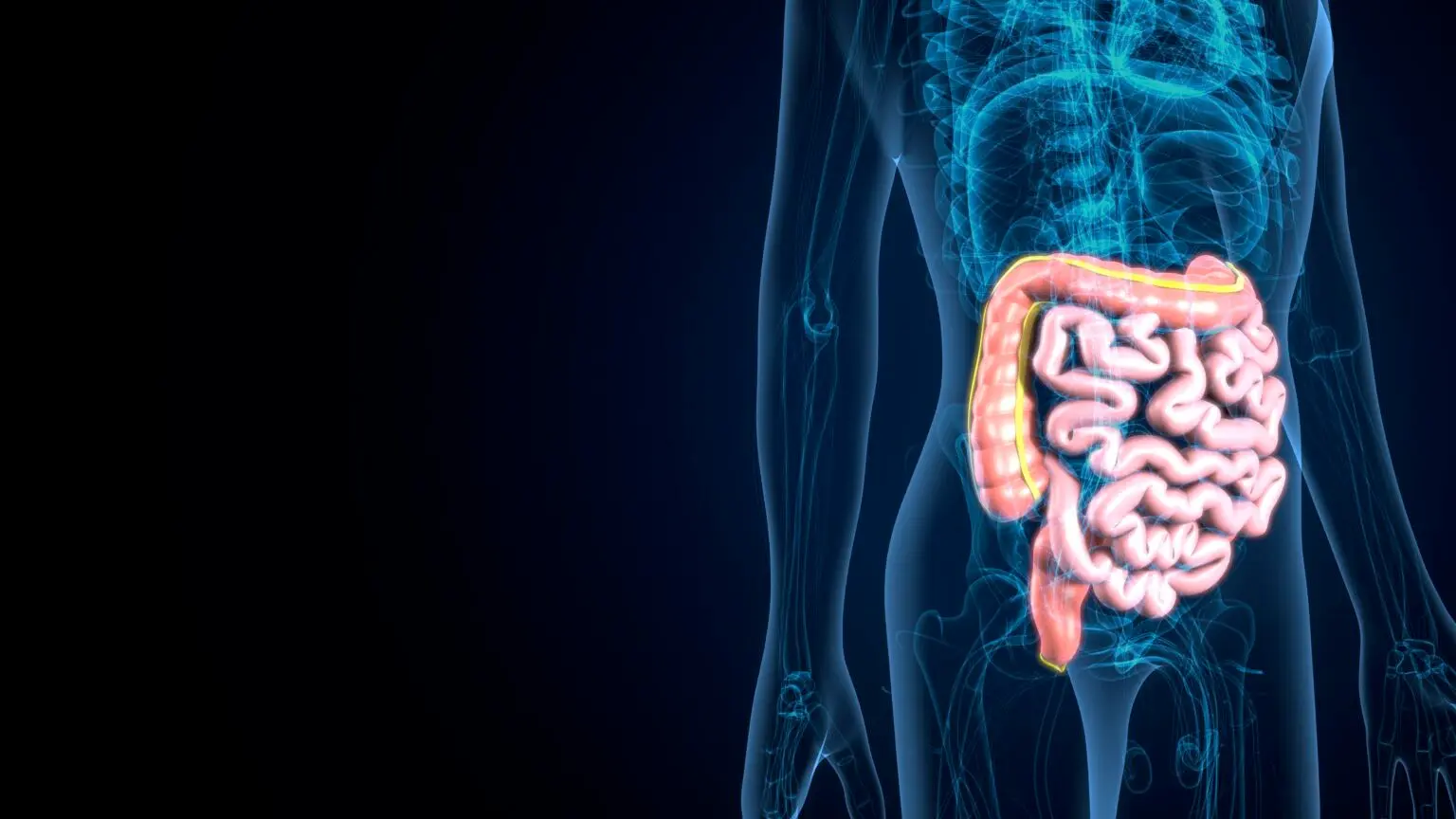
These complex sugar structures activate macrophages — the body's natural scavenger cells — among other things, supporting the body's own defenses and thereby boosting the immune system. Triterpenes, in turn, lower blood pressure, protect the liver, and have anti-inflammatory effects. Polysaccharides promote gut health and regulate digestion.
In addition, they serve as both energy stores and energy sources. Medicinal mushrooms also contain a high concentration of antioxidants, which can neutralize free radicals and reduce oxidative stress — a factor associated, among other things, with the aging of cells.
Another important aspect of the healing properties of mushrooms is what are known as adaptogens. These natural substances help the body cope more effectively with stress and build greater resilience. Last but not least, they help reduce inflammatory processes in the body, thereby taking some of the burden off the immune system.
Valued worldwide as both an edible and medicinal mushroom, shiitake provides vitamins, minerals, and beta-glucans, and is widely used to support the immune system and promote healthy cholesterol metabolism. It also plays an important role in cardiovascular health.
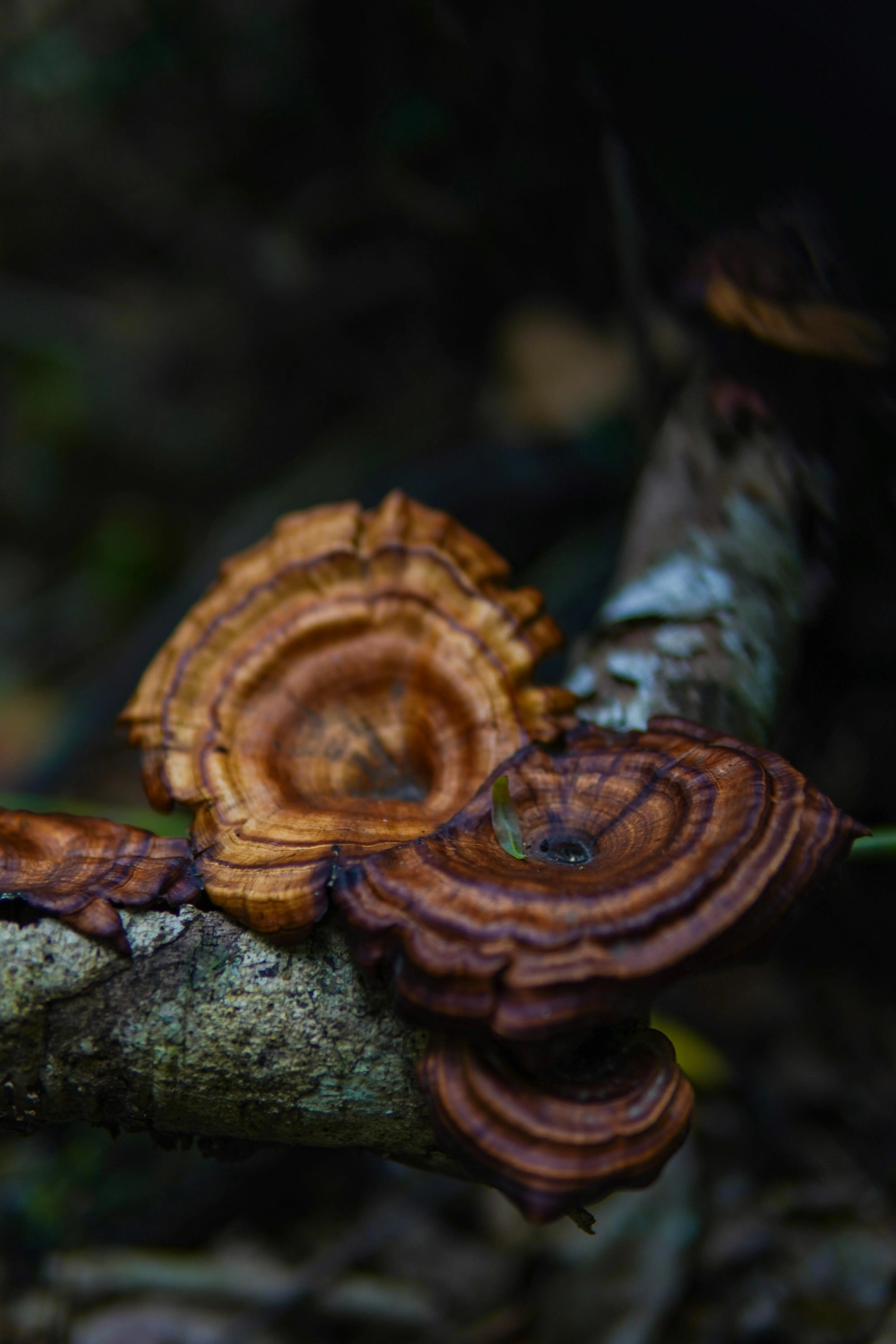
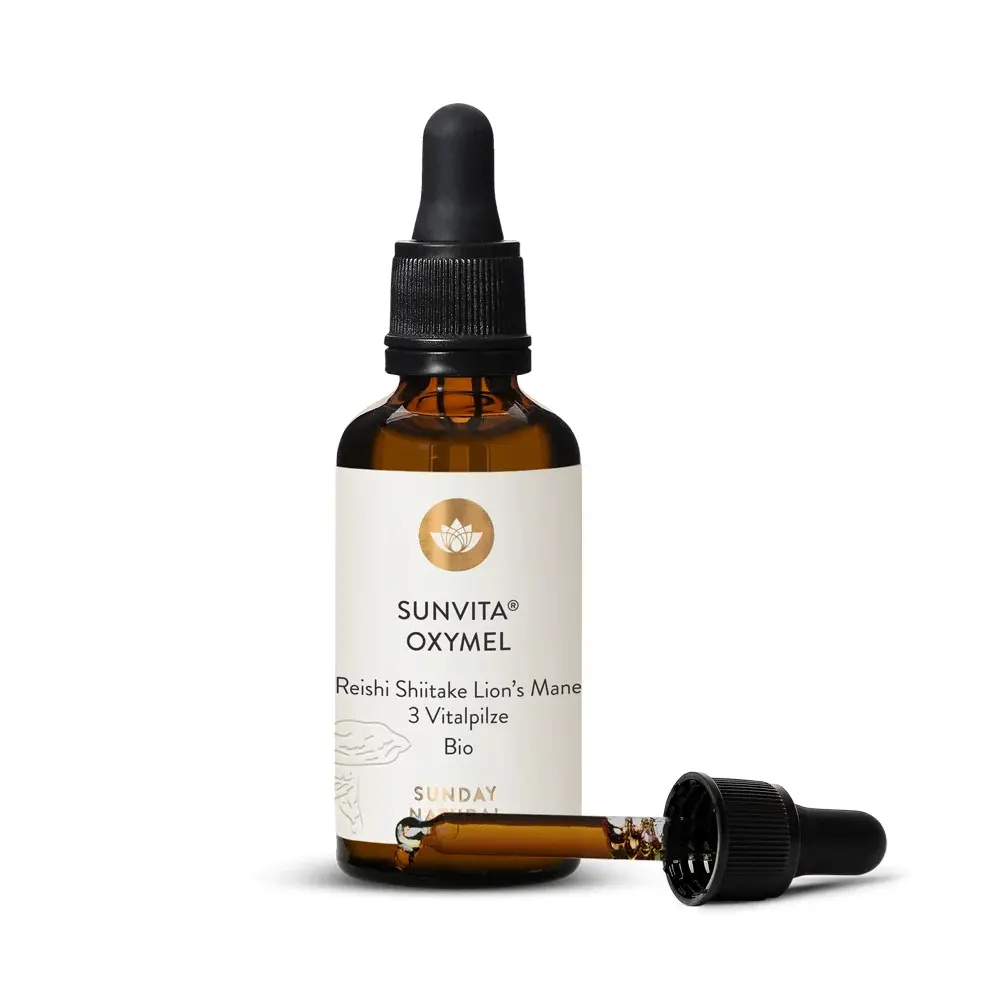
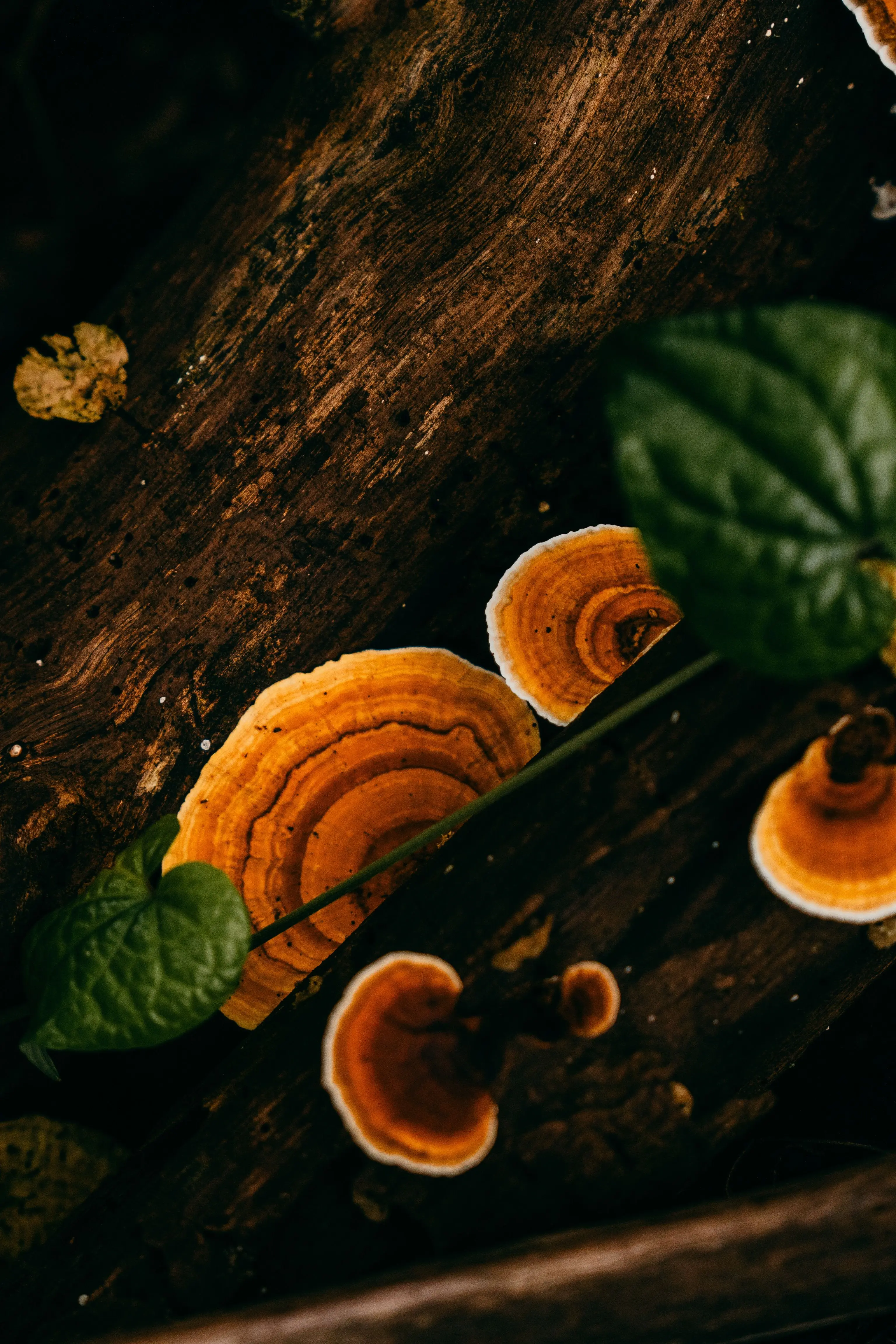
The reishi mushroom — whose name means "mushroom of immortality" in Chinese — has a legendary reputation across Asia, particularly in Traditional Chinese Medicine (TCM). This comes as no surprise, since it contains not only beta-glucans and triterpenes but also a wealth of vitamins and minerals, including magnesium, calcium, zinc, and iron. These powerful compounds help support inner balance, stress resilience, and overall vitality. Reishi is also widely associated with promoting relaxation and better sleep.
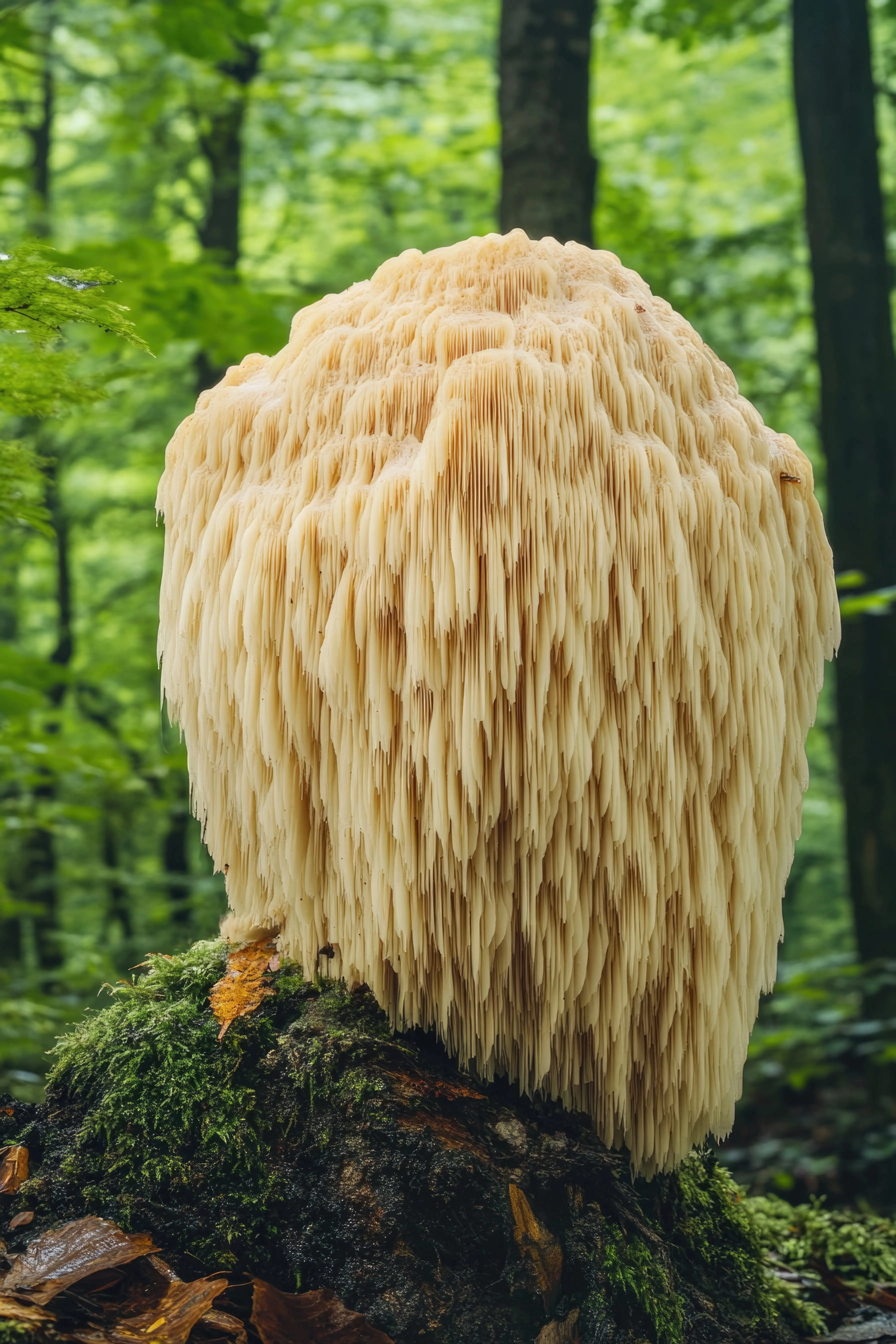
Few medicinal mushrooms are attracting as much attention right now as Lion's Mane (known in German as Löwenmähne or Igelstachelbart), thanks in particular to its potential effects on the brain and nervous system. Placebo-controlled human studies suggest that it improves concentration and can enhance mental performance. It also supports the production of nerve growth factors and has a positive effect on gut health.
The chaga mushroom grows mainly on birch trees in cold regions and is often called the "king of medicinal mushrooms". It contains a unique combination of compounds, including polyphenols and polysaccharides, which are regarded as valuable antioxidants.
Overall, these antioxidant compounds have been shown to be highly water-soluble, meaning they can be absorbed especially easily by the human body. Various minerals – most notably potassium, sodium, and magnesium – also make chaga an outstanding source of vitality.
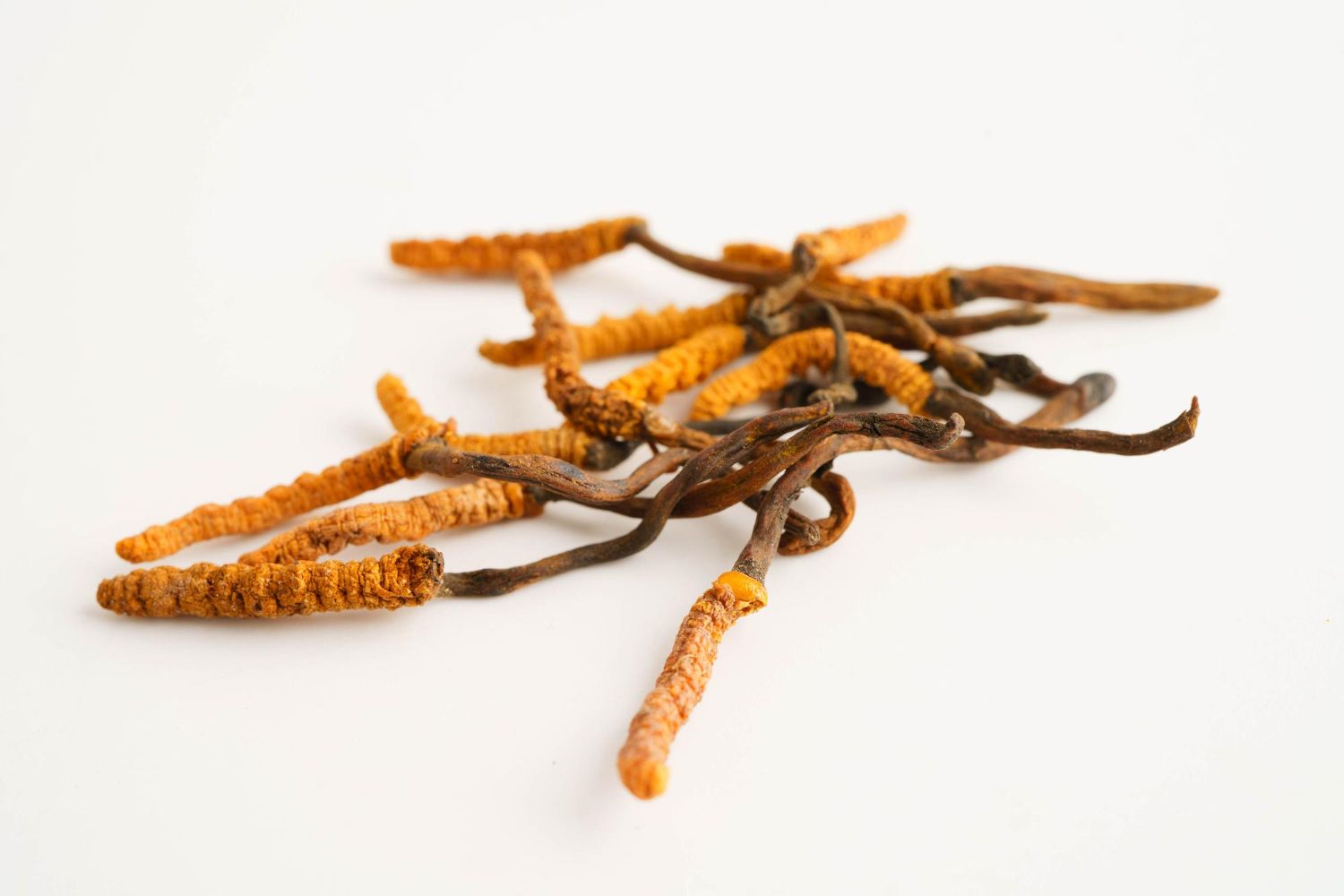
Today cultivated under controlled conditions for use in modern dietary supplements, this mushroom is especially prized in the sports and biohacking sectors. Its rich array of bioactive compounds makes it a popular choice for supporting energy, endurance, and overall performance.
Quality is a key factor in determining the value of a medicinal mushroom preparation. Standardized fruiting body extracts with transparent ingredient information and independent quality testing are recommended.