How healthy is Lion's Mane?
Lion’s Mane (Hericium erinaceus) is considered one of the most promising medicinal mushrooms for brain, gut, and immune health. Early studies suggest potential benefits for memory, mood, and inflammation, though research is still evolving.
What is Lion's Mane?
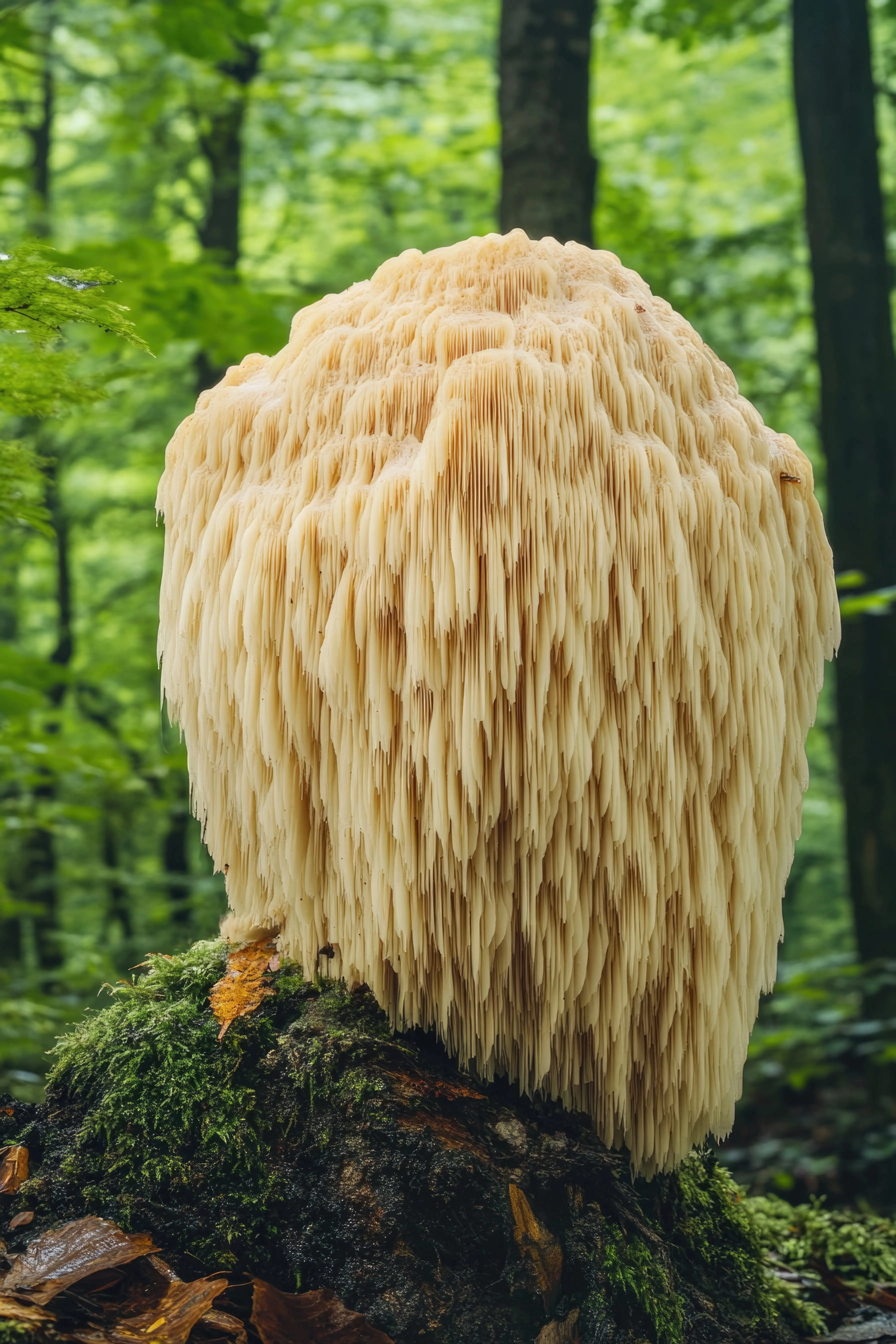
Lion’s Mane is an edible mushroom that has been used in traditional Asian medicine for centuries. Its distinctive, shaggy white appearance resembles a lion’s mane. In traditional Chinese medicine, it is known as “Hou Tou Gu” and valued as a tonic for both body and mind.
Lion's Mane effects on the brain
One of the most remarkable properties of lion's mane is its potential to promote brain health. The mushroom contains bioactive substances that can stimulate the production of nerve growth factor (NGF). This factor plays a crucial role in the regeneration and protection of nerve cells.
Studies suggest that lion's mane can help improve memory and concentration. Particularly interesting is its potential in neurodegenerative diseases, although further research is needed.
- In a randomized, double-blind pilot study with erinacin‑A‑enriched lion's mane preparation over 8 weeks showed a significant improvement in certain cognitive tests and an increase in blood BDNF levels after adjusting for age, gender, and baseline performance.
- An earlier randomized, placebo-controlled study found hints of improved memory performance in older adults with mild cognitive impairments under Hericium supplementation; however, the effects disappeared after cessation, indicating a time-bound benefit.
- Mechanistically, preclinical data suggest that lion's mane stimulates the production of nerve growth factor (NGF) and BDNF, promotes synaptic plasticity, and could theoretically have neuroprotective effects – but definitive statements about dementia prevention cannot yet be derived from this.
Lion's Mane and the immune system
Lion's mane contains beta-glucans and other polysaccharides that can modulate the immune system. These compounds support the body's defenses and can contribute to overall resilience against diseases.