How the deaf (re)learn to hear: the cochlear implant
"Feel good, live better" – in this podcast episode with Prof. Dr. Bohr, it's about hearing – which treatments improve or make it possible.
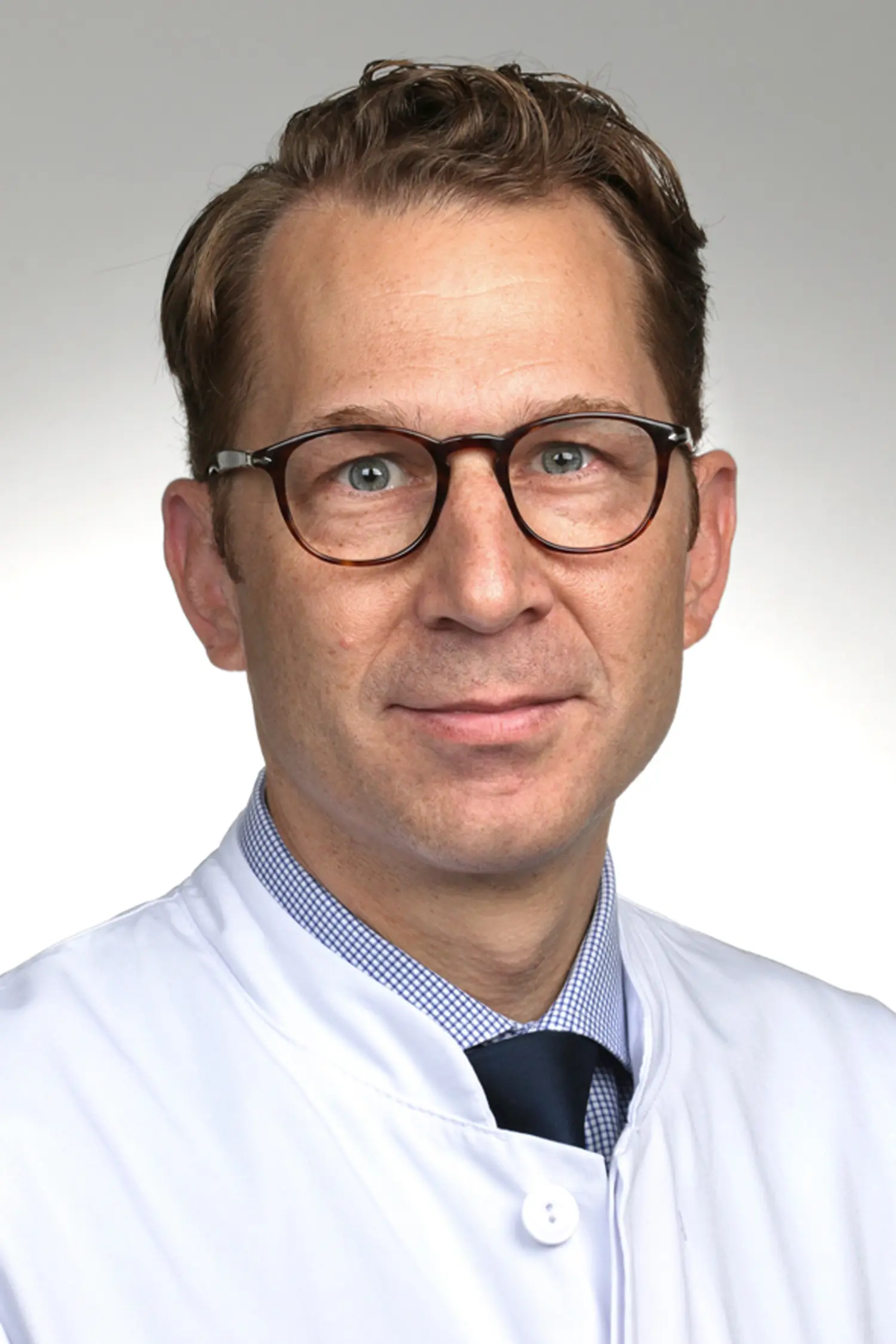
“Not seeing separates from things, not hearing from people.” This quote by Immanuel Kant expresses Prof. Dr. Christopher Bohr how important the sense of hearing is for our lives. It is now known that not hearing or hearing poorly not only socially isolates those affected but also negatively impacts cognitive abilities and favors dementia. Why hearing aids are still used far too rarely, which ones are available, and under what conditions a so-called cochlear implant enables even children born deaf to hear – these and many other questions are answered by the Director of the Clinic for Ear, Nose, and Throat Medicine at the University Hospital Regensburg in today's podcast episode of FEEL GOOD, LIVE BETTER.
The podcast from Premium Medical Circle
PMC Managing Director Stephanie Neureuter spoke with, among others, the specialist in psychiatry and psychotherapy Dr. Robert Musil about trauma management and with ophthalmologist Raphael Neuhann about the most common eye diseases; she met the neurologists Prof. Dr. Stefan Lorenzl and Dr. Georg Haber, the endocrinologist and diabetes expert Dr. Alexandra Schoeneich and the blind professional surfer Ben Neumann.
Feel good, live better
In the health podcast by Premium Medical Circle, Stephanie Neureuter talks with experts from various fields such as nutrition, mental health and women's health, psychosomatics, surgery, aesthetic medicine, or digital health.
It's about health and wellbeing and how we can lead a happy, long life. Informative, exciting, entertaining.
Every Wednesday, on Spotify, Google Podcasts, Deezer, Amazon Music, and Audible.