© Pixabay
August 12, 2026
Christine Bürg & Marianne Waldenfels
They promise longer, fuller lashes — but some eyelash serums contain potent prostaglandin derivatives. A new analysis by the CVUA Karlsruhe raises safety concerns. Ophthalmologist Dr. Tabitha Neuhann explains the risks — and why some changes to the eyes may be permanent.

With
Dr. med. Tabitha Neuhann
A slim applicator, one stroke along the upper lash line, a few seconds every evening: at first glance, eyelash serums look like an ordinary beauty product. But some contain substances from a class of compounds originally developed for ophthalmology: prostaglandins. They can genuinely make lashes grow longer and fuller — but they can also trigger unwanted effects on the eye.
Just how current the problem is becomes clear in a new report from the Chemical and Veterinary Investigation Office Karlsruhe.
The CVUA Karlsruhe has been analyzing eyelash serums for prostaglandin derivatives since 2018, with a particular focus on products that promise especially dramatic lash growth.
Between 2019 and 2026, 71 lash and eyebrow serums were examined. Of these, 38 — 53.5 percent — were assessed as unsafe. Prostaglandin analogues were detected in all 38 samples. That said, this figure does not mean that more than every second eyelash serum on the market is problematic: the CVUA specifically targeted products claiming particularly strong lash growth. The results therefore cannot be extrapolated to all eyelash serums available.
Particularly striking: in six products, the detected active ingredient was not even listed in the ingredients. This means that even consumers who carefully check the label cannot always be certain of spotting a prostaglandin derivative.
Why these findings matter from an ophthalmological perspective comes down to the origin of the active ingredients.
"Ophthalmology and prostaglandins are closely intertwined. Since the mid-1990s, prostaglandins have been used to treat glaucoma and have become indispensable in ophthalmology," explains Dr. Tabitha Neuhann, FEBO, a specialist in ophthalmology with a focus on refractive surgery, cataract treatment, dry eye treatment, and retinal diagnostics.
Prostaglandin analogues lower intraocular pressure. The fact that they can also make lashes grow longer and fuller was first noticed as a side effect. Later, this very effect was deliberately put to use: in 2008, bimatoprost was approved in the United States for the treatment of so-called eyelash hypotrichosis — that is, insufficient lash growth.
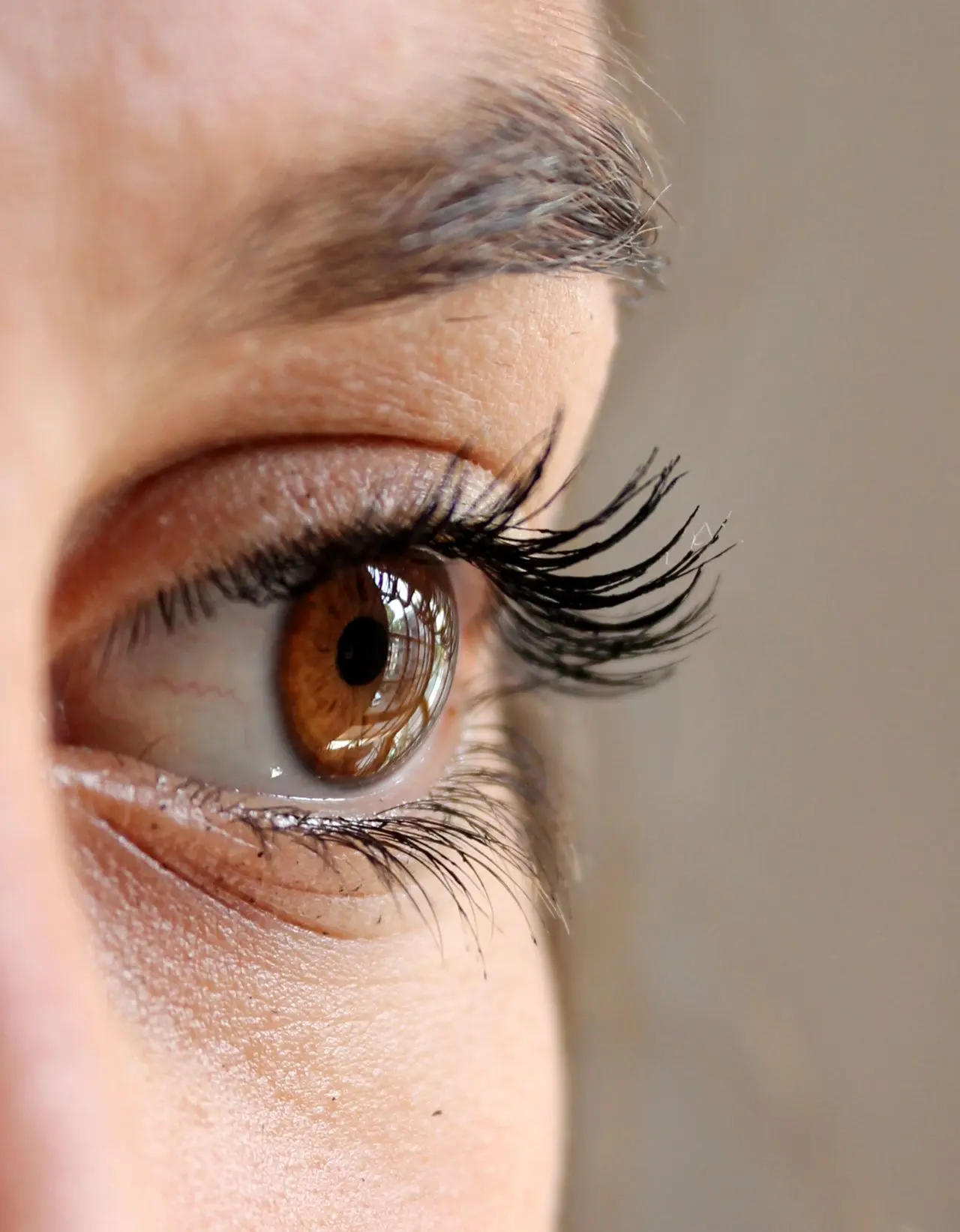
In over-the-counter eyelash serums, however, the well-known and better-studied pharmaceutical agents such as bimatoprost or tafluprost are often not used; instead, chemically related derivatives are employed. These too can significantly stimulate lash growth — but in some cases, considerably less is known about their safety.
"Caution is advised with these active ingredients, however. Since the established ones have been in use for a long time, there are scientific studies that clearly document both their effects and their side effects," says Dr. Neuhann.
The possible side effects range from comparatively mild complaints to changes that can persist for a long time.
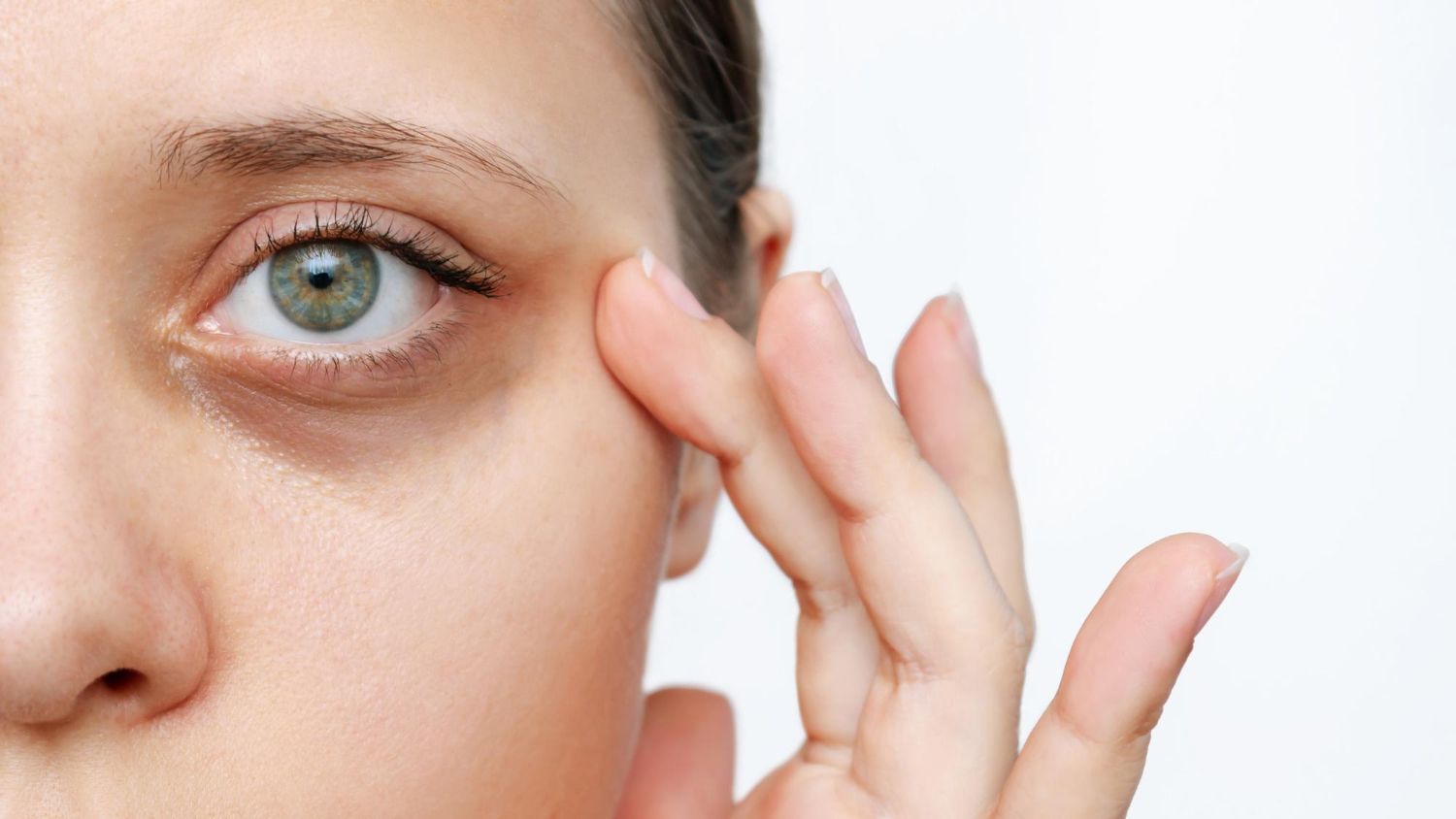
Dr. Neuhann lists "redness, itching, burning, dry eye, increased blood flow to the eye — i.e., red eyes, darkening of the eyelid skin (dark circles), and — less commonly, but possible — discoloration of the iris."
While the desired effect — longer and fuller lashes — gradually fades after discontinuation, the same does not necessarily hold true for all side effects.
"Iris discoloration is irreversible, and this is very well documented in scientific studies. Several studies on prostaglandins show that after approximately 3 years of treatment, around 30% of patients develop increased iris pigmentation. Follow-up studies after discontinuation of the medication confirm that this pigmentation persists — in contrast to changes in lashes and periocular skin, which are reversible," explains Dr. Neuhann.
The exact frequency of such iris pigmentation depends, among other things, on the active ingredient, the duration of treatment, the original eye color, and the population studied.
"Dark circles around the eyes (periorbital discoloration) are also only partially reversible: the recovery time varies from one month to several years!" says Dr. Neuhann.
Another possible change concerns the fatty tissue around the eye. "Something else to be aware of is so-called fat atrophy around the eyeball (periorbital fat atrophy). This causes the eyes to sink deeper into the eye socket, and it is equally well scientifically documented," explains Dr. Neuhann.
Whether this change fully reverses after discontinuation cannot be answered with a blanket statement.
"Regarding reversibility, the data is mixed: some case series report partial to complete regression after discontinuation (timeframe: months to years), but there are also documented persistent cases in which the lost fat volume does not regenerate. Imaging follow-up studies support the view that the volume loss is structural and — unlike pure pigmentation changes — cannot be reliably reversed."
The Scientific Committee on Consumer Safety (SCCS), the scientific advisory body of the European Commission, has also examined three commonly used prostaglandin derivatives: Isopropyl Cloprostenate (IPCP), Methylamido Dihydro Noralfaprostal (MDN), and Dechloro Dihydroxy Difluoro Ethylcloprostenolamide (DDDE).
The result of the final 2026 assessment is unambiguous: in the committee's view, none of the three substances can be considered safe for use in lash and eyebrow products. Concerns exist, among other things, due to their strong pharmacological activity and possible reproductive and developmental toxic effects. The CVUA therefore advises pregnant women and women who wish to become pregnant against using prostaglandin-containing eyelash serums.
How can such substances still be sold freely? This question was also addressed by the European Court of Justice in 2022. What determines the legal classification is not solely the pharmacological effect, but also the product's intended purpose: if an eyelash serum is meant only to improve appearance and not to treat a disease, it can be classified as a cosmetic.
The distinction is significant: medicinal products undergo extensive testing before approval, whereas cosmetics require no comparable regulatory authorization. This means that pharmacologically active substances closely related to prescription eye medications can end up in a freely available beauty product.
For some of the products examined by the Chemical and Veterinary Investigation Office Karlsruhe, the advertising also failed to match the contents. Eight serums were flagged for misleading claims such as "maximum safety," "recommended by the FDA," or even "prostamide-free."
In 13 samples, additional labeling deficiencies were found — including incomplete ingredient lists, undeclared prostaglandin active ingredients, or missing precautionary information.
Checking the ingredient list can help, though the search is far from straightforward. Prostaglandin derivatives hide behind chemical names that are barely recognizable as such to non-experts.
Dr. Neuhann advises: "You need to look for names ending in '-prost' or the following designations: Isopropyl Cloprostenate (IPCP), Methylamido Dihydro Noralfaprostal (MDN), Dechloro Dihydroxy Difluoro Ethylcloprostenolamide (DDDE)."
But even this check offers no absolute certainty: in six of the products flagged by the CVUA, the detected active ingredient was not declared at all.
Internationally, such substances have faced criticism for some time. "One notable early milestone: in 2011, the manufacturer of RapidLash received a warning letter from the FDA regarding Isopropyl Cloprostenate. Since then, these products have come under increasing scrutiny — Canada banned the substance in cosmetics in 2019, and the EU classified it as unsafe in 2026 (SCCS opinion)," explains Dr. Neuhann.
The fact that prostaglandin analogues may have side effects does not make them fundamentally problematic medications. In glaucoma, they can provide important medical benefits — and therein lies the crucial difference from cosmetic use.
"As already mentioned, prostaglandins come from ophthalmology and are now indispensable in this field. Prostaglandin eye drops for glaucoma (e.g., active ingredients such as latanoprost, bimatoprost, travoprost): same substance class, similar side effects. The key difference from cosmetic use: in glaucoma, treatment is medically necessary and monitored by an ophthalmologist, so the benefit-risk balance is weighed very differently than it is for an eyelash serum with no medical indication," says Dr. Neuhann.
Eyelash serums look like ordinary beauty products. Yet some contain substances closely related to highly potent active ingredients used in ophthalmic medicine. The fact that a product is legally classified as a cosmetic therefore does not automatically mean its ingredients are harmless.
The situation becomes particularly problematic when consumers cannot even tell that a prostaglandin derivative is present. The investigations from Karlsruhe illustrate this precisely: in six of the flagged products, the detected active ingredient was absent from the ingredient list entirely.
Dr. Neuhann puts it plainly: "As a general rule, these substance classes should genuinely be approached with common sense and caution. The side effects are not pleasant, and everyone has to ask themselves how much longer lashes mean to them when weighed against these possible consequences."

They promise longer, fuller lashes — but some eyelash serums contain potent prostaglandin derivatives. A new analysis by the CVUA Karlsruhe raises safety concerns. Ophthalmologist Dr. Tabitha Neuhann explains the risks — and why some changes to the eyes may be permanent.
Christine Bürg & Marianne Waldenfels

With
Dr. med. Tabitha Neuhann

Robotic assistance promises greater precision in knee replacement surgery – and potentially a faster recovery. But do patients really get back on their feet sooner? Orthopedic surgeon PD Dr. Daniel P. Berthold explains what the evidence shows.
Christine Bürg & Marianne Waldenfels

An interview with
PD Dr. med. Daniel P. Berthold