© ©Hans Feurer/trunkarchive.com
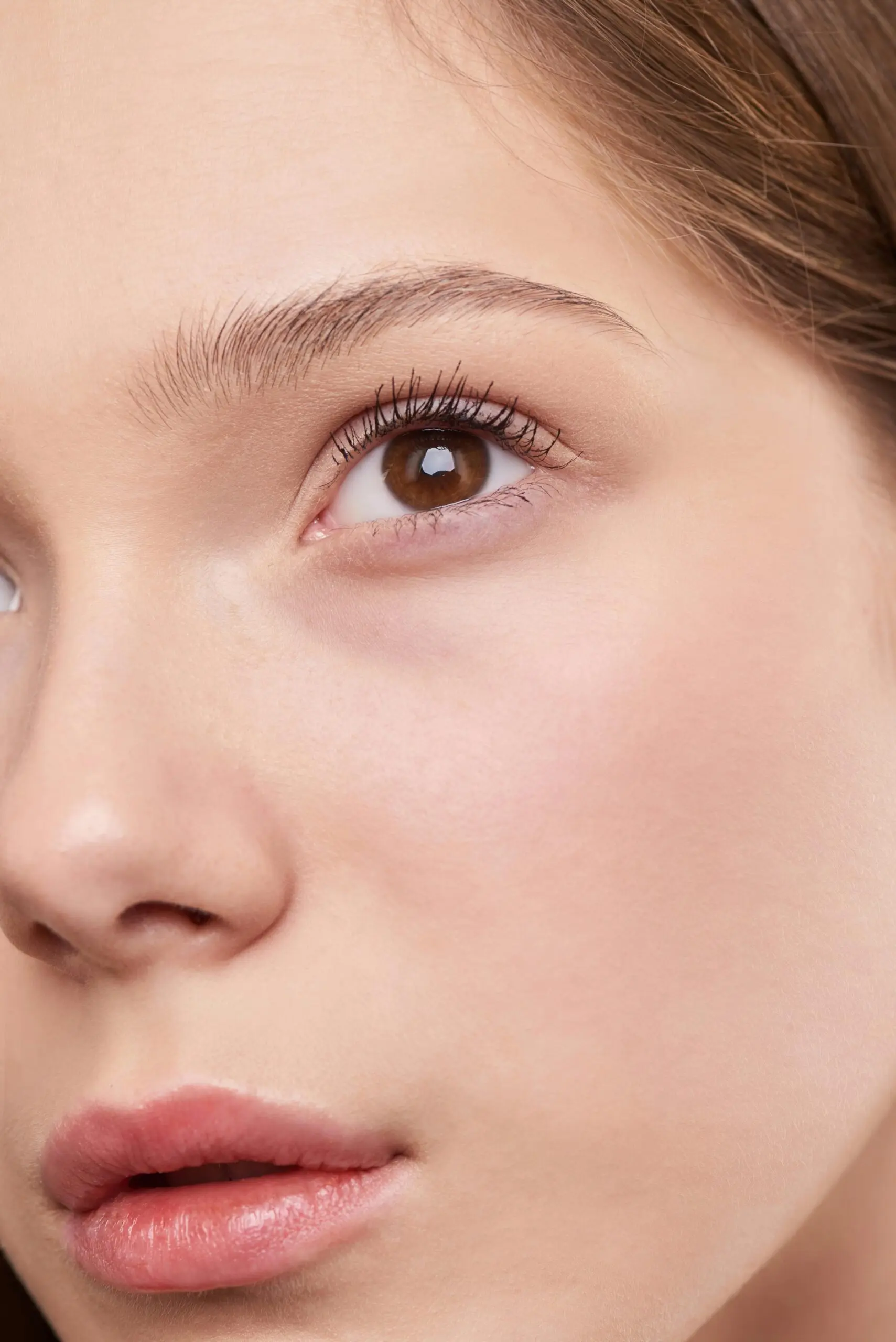
With the help of clean tech, it is increasingly possible to synthetically replicate plant compounds identically in their molecular structure.
March 5, 2026
Judith Cyriax
From microplastics to clean tech: discover why natural cosmetics are booming and the key trends shaping the future of beauty
Natural cosmetics are far more than a fleeting trend – they represent a fundamental change in the beauty industry. More and more people are questioning the ingredients, production methods, and packaging of their care products. Terms like "Green Beauty" and "Clean Beauty" have become true guiding principles: They promise effective care without questionable substances and a more conscious approach to the environment and resources.
The success proves them right: In Germany, the turnover with natural cosmetics has almost doubled within a decade. At the same time, the need for transparency, compatibility, and sustainability. Microplastics, synthetic additives, and allergy-causing substances are increasingly criticized – instead, plant-based active ingredients, innovative technologies, and environmentally friendly packaging are coming into focus.
But what is really behind the green boom cosmetics? Which trends are shaping the market - and which ingredients should be avoided? A look behind the scenes of a changing industry.
More and more producers are designing their care lines according to the aspect of "Clean Beauty" - the principle of clean cosmetics: Manufacturers avoid problematic ingredients that harm the environment and can negatively affect health.
According to Utopia.de, the community for strategic consumption and sustainable lifestyle, tens of thousands of tons of mineral oil end up in drains and thus in the environment each year due to the use of paraffin-containing cosmetic products. The paradox is that paraffins have no caring effect on the skin but only protect against moisture loss.
As a result, more and more cosmetic laboratories are researching plant-based substitutes in nature that can replace controversial substances. And often, the natural substances found offer even more benefits for the skin.
Even the often very elaborate packaging should meet the demands of "Clean Beauty." For example, since its founding in 2008, Grown Alchemist from Australia has only used amber glass bottles and PET, the most recycled plastic packaging material. Additionally, internally lined aluminum packaging (also recycled) ensures that the pure ingredients are not contaminated by sunlight, air, or chemicals.

Since last year, the German natural cosmetics line Susanne Kaufmann has relied on a sophisticated refill concept for some products: The refill packages are made from 75 percent recycled "post-consumer material" and are 100 percent recyclable. The intelligently designed refills require no closure, thereby reducing material use and the variety of plastics used.
Not only traditional natural cosmetics manufacturers rely on the green power. More and more luxury cosmetics brands are also searching for active ingredients in local and exotic plants and use high-tech methods to extract the best from flowers, leaves, and roots.
This is mostly done using the currently preferred clean-tech process. In this process, substances from nature that have proven particularly effective for well-groomed and healthy skin are chemically processed and optimized in the lab. The main goal is to molecular size of natural substances using high-tech methods so that the active ingredients can penetrate particularly deeply into the skin to work as effectively as possible.
However, clean-tech also increasingly helps to synthetically replicate plant substances in their molecular structure. This approach, besides reducing the depletion of nature, has the advantage of enhancing the effectiveness of natural substances. Components that can cause allergic reactions, such as essential oils, are removed in the process.
Among the most successful beauty labels with clean-tech formulations is the Spanish company Sepai, which develops highly effective anti-aging products with a mix of bio and molecular technology.
But other efficient laboratory methods also treat the plant world with care. For example, since 2006, Chanel has been using the special process of poly-fractioning: active plant molecules can be isolated without picking or harvesting the plant, to then be incorporated into creams, serums, and more.
Another green care trend with future potential is the production of solid cosmetics. With the classic bar of soap, people have been washing for more than 1,000 years. Nowadays, more and more hair and body care products are leaving their liquid form and presenting themselves as solid bars. This trendy water-free cosmetics are particularly environmentally friendly. After all, they help sustainably reduce the global cosmetics industry’s waste. For example: A 100-gram piece of shampoo replaces three shampoo bottles of 250 milliliters each.
In facial care, the 'dry' alternative is not yet quite as advanced, as it is extremely difficult to process moisturizing ingredients in water-free formulations.
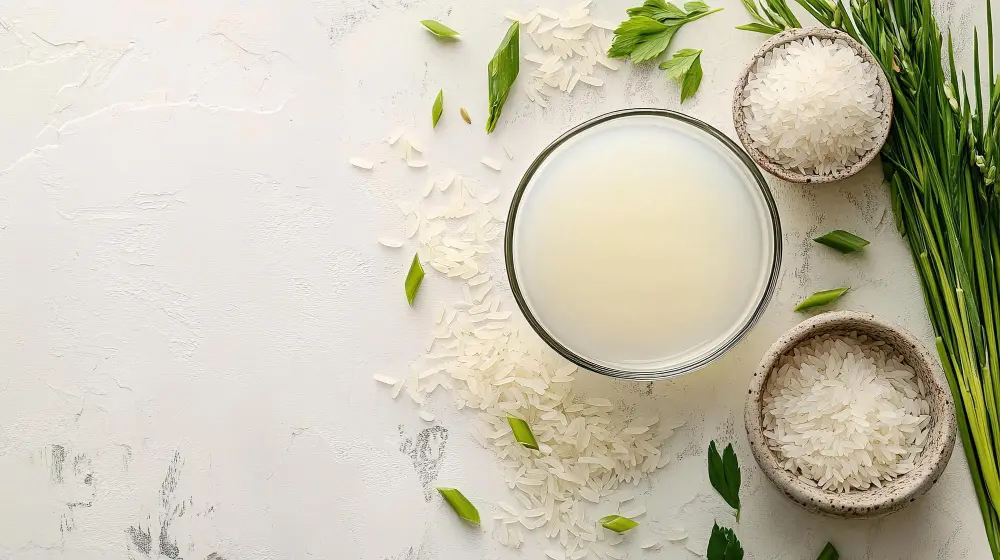
Here, however, there are other efficient solutions: so-called plant waters are very popular. Unlike 'normal' water, they hydrate more effectively and are rich in nutrients. The nature-oriented care line WASO by the Japanese beauty corporation Shiseido uses recycled water from apple juice production to conserve precious water resources. Other popular liquids used for beauty include coconut, birch, and orange blossom water, as well as aloe vera juice.
Whoever washes and creams themselves imposes on the skin not only the desired care effect but also a lot of ingredients that have anything but a caring effect. Some of them remain on the skin, some penetrate deep into the skin layers, and a few even make it into the bloodstream. So it makes perfect sense to look at the list of ingredients if you don't want to confront your body with harmful substances every day. The worst ingredients and their good, plant-based alternatives:
The sulfur salts ensure a good foam in shower gels and shampoos and dissolve fat and dirt particularly well. However, they are also quite aggressive, have a defatting effect, and dry out skin and hair. Sugar or coconut surfactants are happy to take over the cleaning work here, are absolutely harmless to health, and are also biodegradable.
These chemical compounds are used as preservatives in care and cosmetic products because they have antibacterial properties. Due to their hormone-like effects, allergies and disturbances in the hormonal balance are repeatedly associated with parabens. More compatible preservatives are, for example, ferments or essential oils.
In creams, they are used as a fat component, they protect against water loss and thus keep the skin supple. Unfortunately, they hinder skin breathing as they seal the skin like silicones. Often, impurities are the result. Here, too, natural oils such as jojoba or avocado oil provide a perfect substitute. They not only soften the skin, but also provide important vitamins, minerals, and fatty acids.
In care products, they have a smoothing effect and provide a soft feel. They do not have nurturing properties – on the contrary: they tend to seal the skin. A good alternative here is argan oil, for example. It moisturizes, has antibacterial effects, strengthens the skin barrier, and also makes it soft and supple.
Green beauty is more than a short-term trend – it marks a profound change in the cosmetics industry. More and more people value transparent ingredients, sustainable manufacturing processes, and environmentally friendly packaging. At the same time, innovations like clean tech and plant-based active ingredients are driving the development of highly effective, compatible products that combine performance and responsibility.
A rethink is also evident on the company side: From refill systems to recyclable materials to resource-saving production methods, sustainability is increasingly being considered holistically. Even large luxury brands are increasingly relying on green technologies and natural ingredients – a sign that ecological responsibility and premium standards are no longer mutually exclusive.