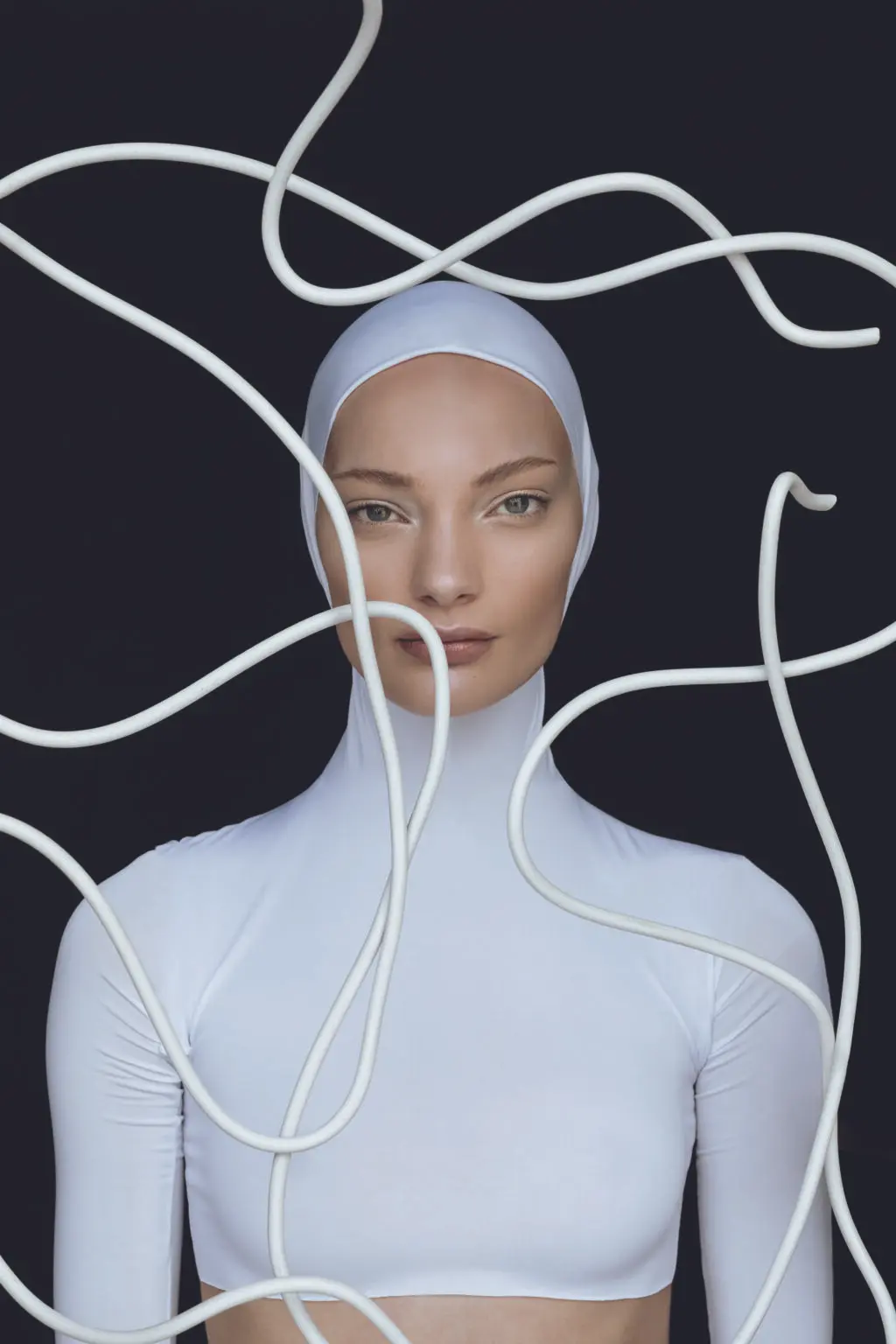
© © Michael Oliver Love @Hero Creative Management, Stylist: Low Kotze, Haare & Makeup: Michelle Lee Collins @Hero Creative Management, Model: Bethany De Waal @ Kult Models, Produktion: Hero Creative Management für Kinfolk Magazine
Can AI provide personalized beauty recommendations?
September 8, 2025
Judith Cyriax
Artificial intelligence is conquering the beauty world – with personalized care, smart tools, and virtual makeup experiences.
“Overall, the use of AI in the cosmetics industry helps to improve efficiency and customer satisfaction,” is the sober conclusion of ChatGPT itself. And indeed: Artificial intelligence is currently considered one of the most important driving technologies in the beauty industry.
According to the world's most discussed open-source AI application, AI can, among other things, develop new recipes and formulations for cosmetic products, analyze consumer needs more precisely, and more accurately target marketing and advertising campaigns. The quality control of cosmetic products is also increasingly benefiting from AI-supported systems.
Perhaps the most crucial aspect of AI in the cosmetics industry is the demand for tailored, personalized, and individualized beauty recommendations — be it in skincare, makeup, or fragrance.
“With the advent of artificial intelligence, smart technology, and machine learning, more and more cosmetics companies are moving towards personalizing products and offering customers knowledge-based beauty routines,” explains Hamburg cosmetologist Dr. Sabine Gütt.
She generally views this development positively: Artificial intelligence can support decision-making in skincare with data- and knowledge-intensive solutions, and thereby sustainably change the shopping experience.
But what does this digital skincare expertise look like in concrete terms? Who will take on the role of advisory professionals in the future?
An example is the beauty database founded in 2017 Proven Skincare (The Skin Genome Project). The aim is to build the world's most comprehensive analytical database for clinically effective skincare products. To achieve this, AI, big data, and scientific research are combined.
The platform has data on more than 100,000 products, over 20 million user reviews, and over 4,000 scientific publications. This is supplemented by an extensive efficacy list of more than 20,000 ingredients as well as environmental factors such as water hardness, humidity, and UV index.
Similar algorithms are used by Function of Beauty, to develop personalized shampoos and conditioners. According to the provider, up to 12 billion possible active ingredient combinations are available. Scent, color, and intensity can be individually customized.
For blemished skin, the platform currently only available in the USA offers Curology tailor-made acne care solutions. In addition to a data-based online questionnaire, the expertise of numerous doctors flows into the product recommendations.
The Metaverse is also increasingly becoming the playground of the beauty industry. Luxury brands like Givenchy Parfums or Gucci have brought their brand worlds to the gaming platform Roblox, which is visited daily by millions of users.
In the virtual Givenchy Beauty House, avatars can be styled, looks tried out, or makeup skills trained. Gucci, on the other hand, combines scent marketing with prominent avatars and interactive experiences.
More and more brands are relying on AI-based skin analyses. For instance, Shiseido collaborates with AI and augmented reality specialist Revieve. Users upload a selfie, answer questions about their beauty preferences, and then receive personalized makeup and skincare recommendations.
Babor also uses this technology with the 'Babor Skin Coach,' which functions like a fitness tracker for the skin. Changes are documented, skin goals defined, and content individually tailored.
Alongside apps and platforms, data-driven beauty devices are increasingly conquering the market. Interactive mirrors like the Swan Mirror analyze skin type and preferences, play personalized tutorials, and enable makeup application directly in front of the digital reflection.
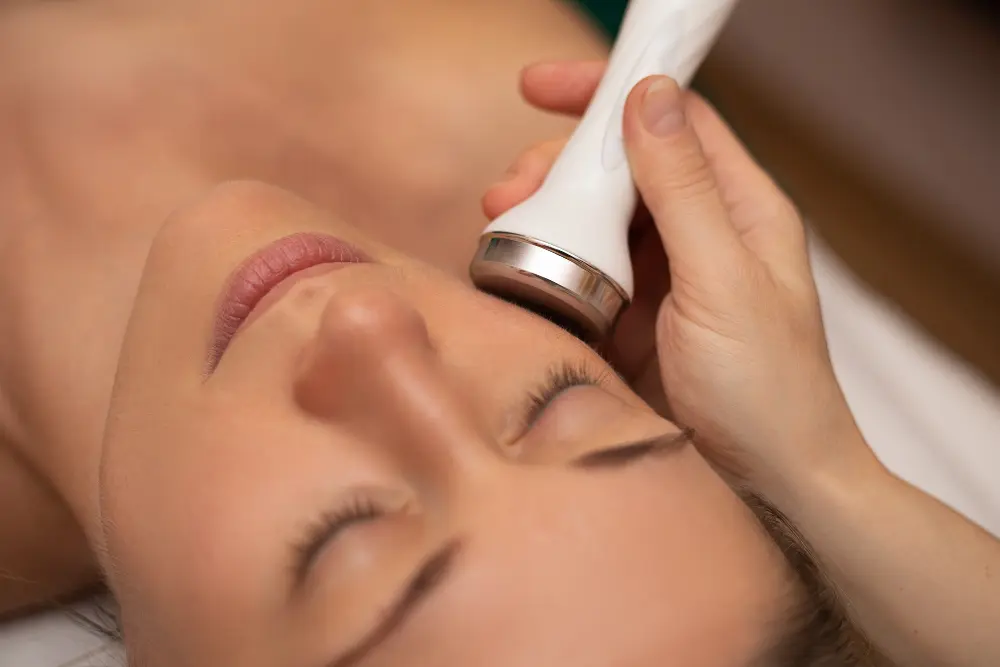
Cleaning devices like the AgeLOC LumiSpa iO connect via Bluetooth with an app, detect pressure changes, and automatically adjust the care routine. Other devices use sensors, AI algorithms, or laser light for skin and hair optimization.
AI is also making inroads into body care and fitness. The Austrian company Easy Motion Skin is bringing EMS training to the private sector for the first time. Training programs can be selected via an app, while a high-tech suit with dry electrodes stimulates up to 90 percent of the muscles.
Virtual avatars support the correct execution of exercises – short training sessions are said to have visible effects on muscle tone and skin texture.
Despite all innovations, Dr. Gütt also sees the development critically. Many digital skin consultations are closely linked to large beauty corporations and primarily serve the marketing of their own products. Moreover, AI cannot replace personal human-to-human consultation and social interaction.