© Freepik
Microalgae are invisible powerhouses to our eyes.
January 27, 2026
Barbara Markert
In the oceans lies a vast pharmacy. Algae are not only considered a superfood but also hold promise against some seemingly incurable diseases - and are seen as the future of acne treatment
On the simple shelves of the French research institute Ifremer, dozens of Erlenmeyer flasks are filled with brown liquids. The laboratory containers are sealed with aluminum foil. Hardly anything indicates that organisms are swimming in the murky water, which once made life on Earth possible and today are at the center of important research projects: Microalgae are invisible powerhouses to our eyes.
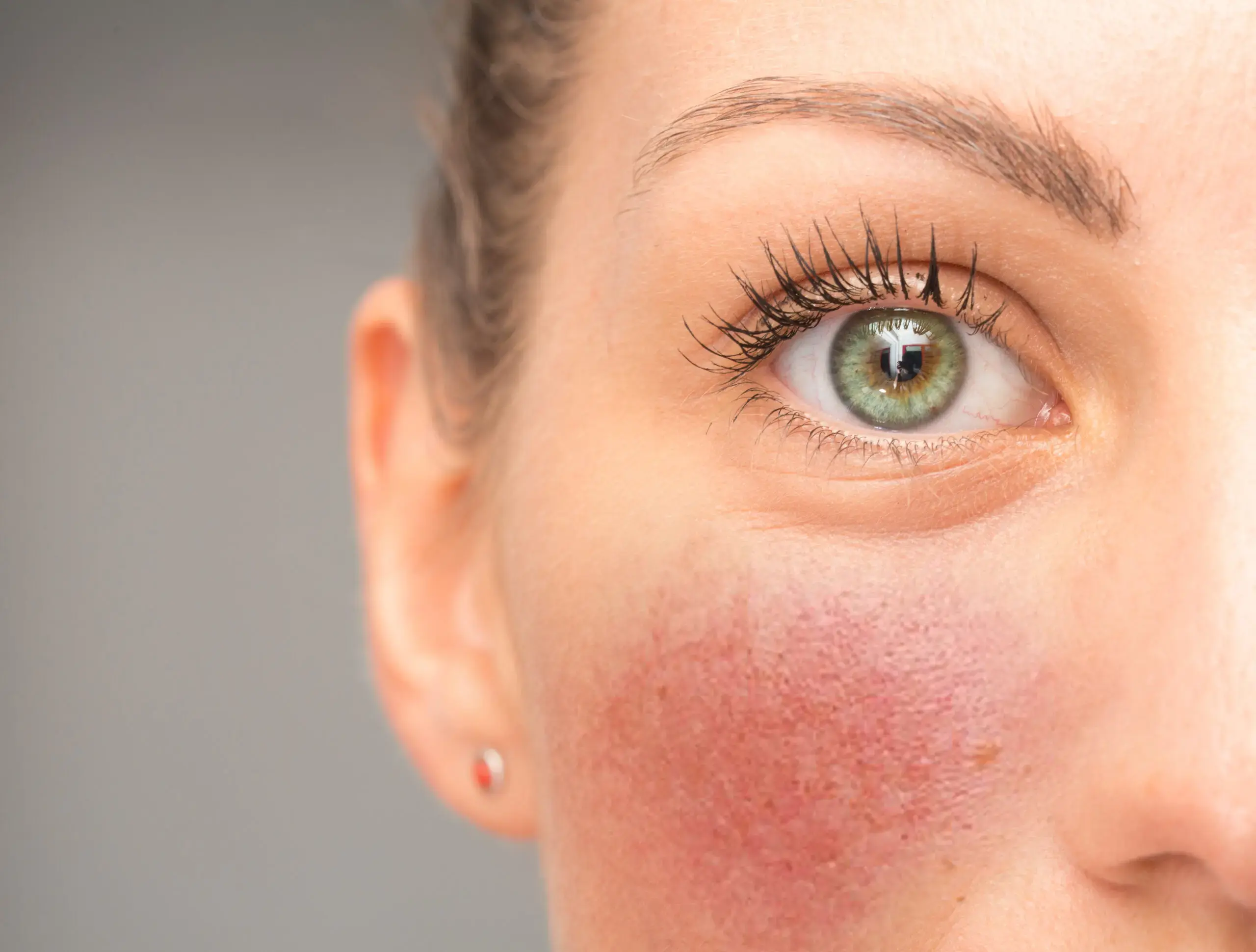
They produce the oxygen in our air, and some of them are good for our health. Jean-Baptiste Bérard, a marine biologist at this state institution for scientific exploration and industrial use of the sea, has specialized in these invisible multitaskers and discovered a microalga in his research, which is said to have the ability to heal acne.
His discovery is called Skeletonema marinoi, which has already been researched in vitro and whose natural extract is protected by a dermatological patent. 'This is an active ingredient for dermacosmetic and not for pharmaceutical use,' the scientist emphasizes emphatically from his office in Nantes, about 50 km from the French Atlantic coast.
The distinction is important to the 44-year-old, especially because his research project initially looked for natural marine pigments in the field of cancer research. 'These photosynthetic pigments have the property that they emit energy under the influence of light, with which tumors can be treated.'
Ten microalgae were examined at the time, from 2008 to 2012, and Skeletonema marinoi surpassed all others. 'And by a wide margin. Unfortunately, the project was then terminated. I found that very unfortunate. Especially since we were sure that it might not necessarily help with cancer cells, but could have a broader effect on bacteria.'
Bérard sought to revive the project and successfully joined forces with other universities and institutes to form a research partnership. Together they found that the molecules in the microalga are photoactive.
When they come into contact with light, they release energy and develop other molecules, which in turn eliminate acne bacteria and also limit the secretion of sebaceous glands. Its effectiveness has been demonstrated in the laboratory for three of the main bacterial genera responsible for the hormonal skin disease.
You have to think of it like a plant extract. This is a very simple, ecological, and inexpensive process, and that is precisely why it is not a medication, but a dermocosmetic active ingredient." Specifically, this has the advantage that once industrial implementation has been achieved, the anti-acne ointment or cream with the microalgae active ingredient will be widely available without a prescription.
"Acne is a widespread skin disease. Skeletonema marinoi helps with mild to moderate acne. All you need is a smartphone to activate the active ingredient with its light." Although normal daylight also works, a short exposure with the phone enhances the healing possibilities.
The microalga with the tongue-twister name is widespread in the Atlantic, the North Sea, and the Chinese Sea. Oyster farmers are well aware of it because it is used in aquaculture for larval formation. For this very reason, it is already being cultivated in the laboratory. This is an exception.
According to estimates, there are between 200,000 to a million different microalgae in the world's oceans, only 72,000 are categorized, even fewer researched. Jean-Baptiste Bérard: "In fact, Darwin already knew about their existence because some phytoplankton, as they are also called, color the waters. But it was not until the 20th century that we understood what it was. Intensive scientific research, however, only began from the year 2000."
The Frenchman is convinced that there is great potential in the invisible oxygen producers from the sea. However, he believes that science still has a long way to go. "Especially in the medical field, clinical tests are necessary."
You can't just release a drug; its efficacy must be proven." And for that, you need money and time. Microalgae are also very diverse, so research, especially for use in healthcare, is a vast field.
The fact that science is still in its infancy here is also evident in the discussions about the most well-known microalgae Spirulina and Chlorella, which are both hyped and criticized as superfoods in the field of dietary supplements.
The praises of the antioxidant effects on the body, detoxification, and cancer prevention are countered by warnings that – especially Spirulina – could adversely affect the liver or nervous system. Clear clinical evidence, as mentioned by Bérard, is lacking. Therefore, it is still not possible to clearly judge whether the supposed superfood pills from the sea are actually good or rather bad for health.
Research is a bit further along with the so-called macroalgae, which are algae we can see with our eyes and are also a normal part of the diet in Asia. Jean-Baptiste Bérard: "The Asians have a very large body of knowledge here."
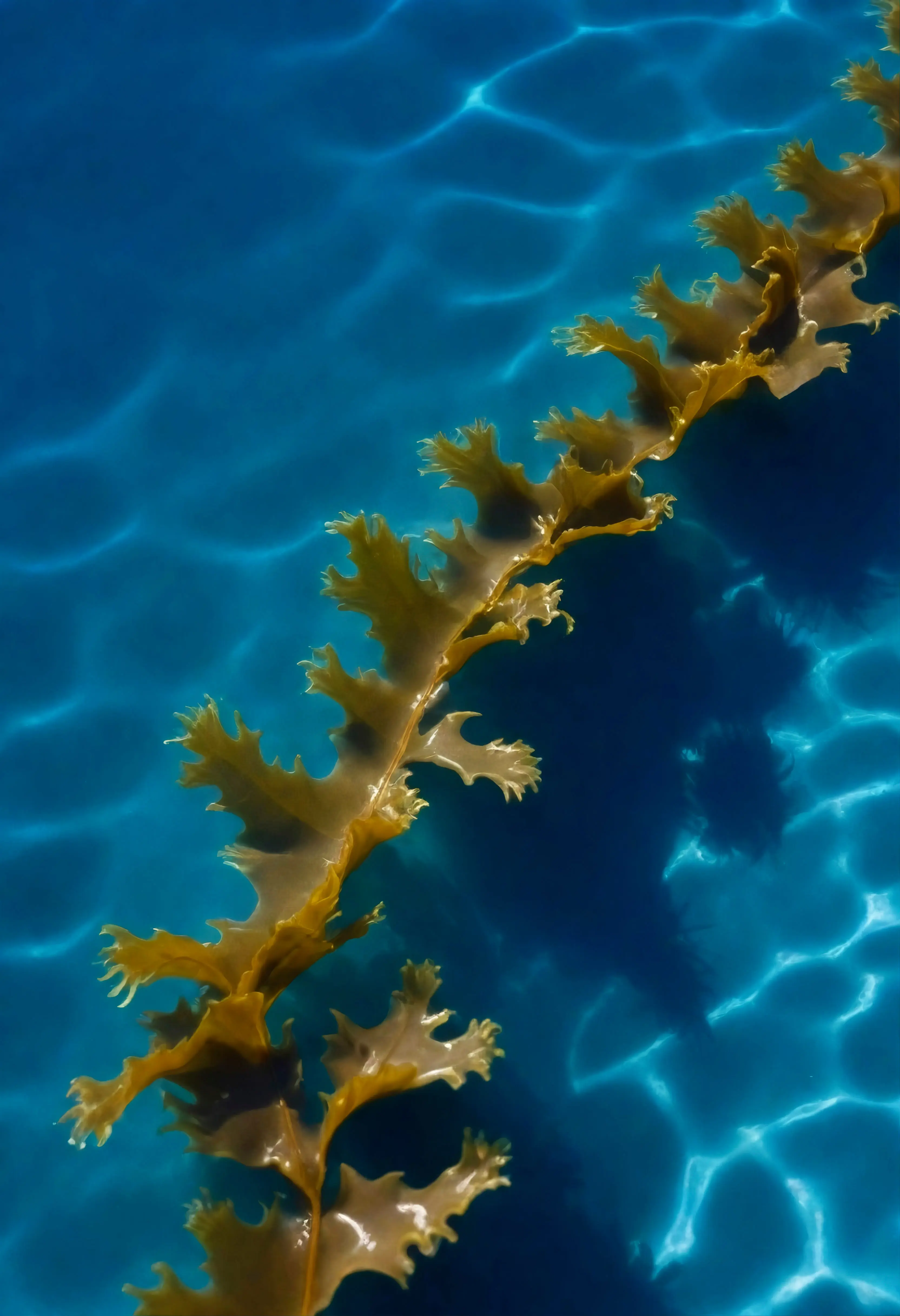
Macroalgae like Nori, Kombu, Wakame, or Ulva are considered protein- and nutrient-rich, as well as high in iodine and Omega-3. Research on the sugar kelp Saccharina latissima has shown that the active ingredients it contains could help against macular degeneration of the eye.
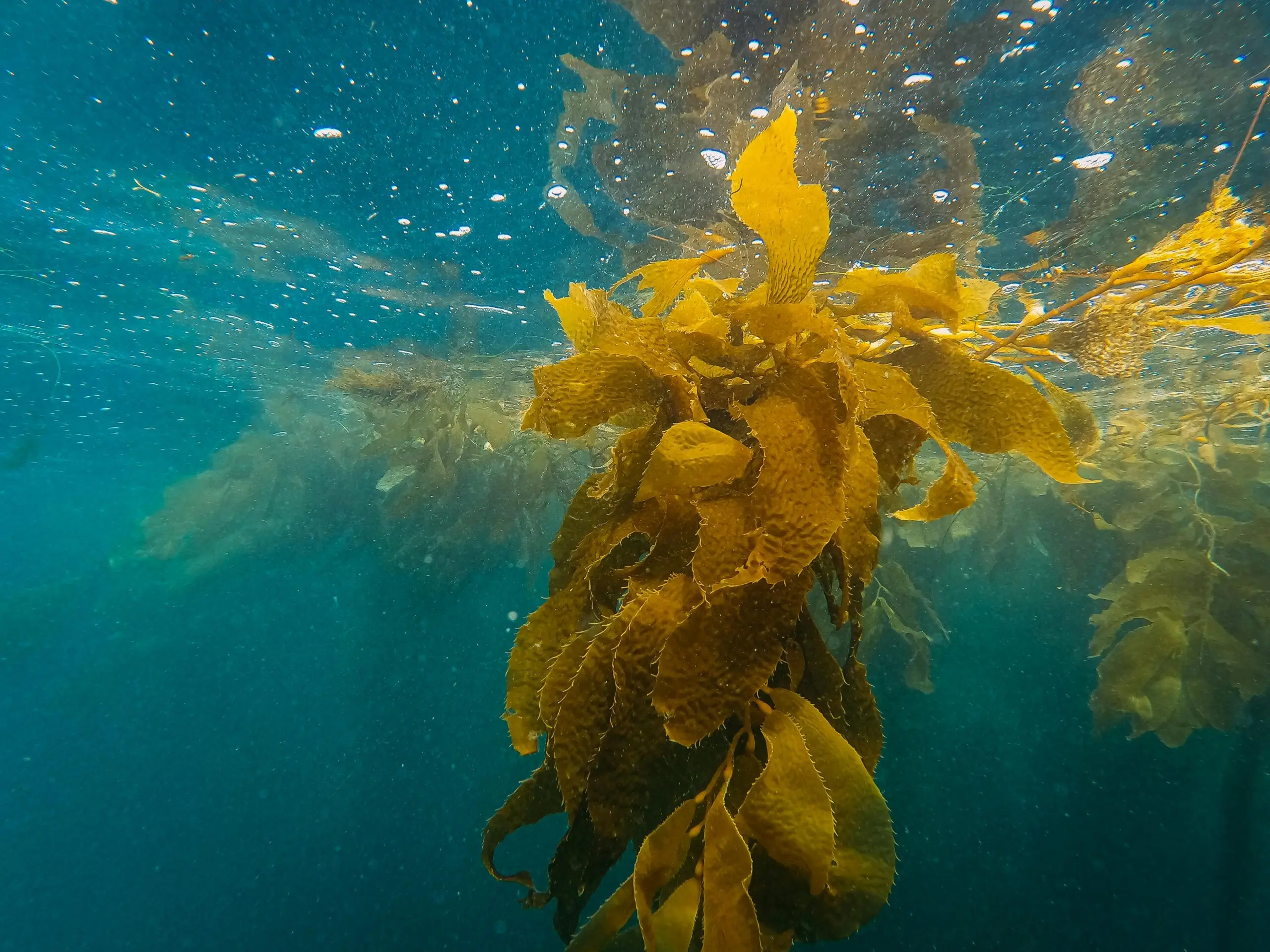
Macroalgae have long been valued in cosmetics for their anti-inflammatory and regenerative effects. The anti-aging efficacy of the famous Crème de la Mer, which contains sea algae kelp from the North Pacific, is probably the most prominent example.
So, in the world's oceans there is still largely untapped potential for remedies. However, the problem is that the seas are still being used as a dumping ground and ocean pollution continues to increase significantly. To what extent the photosynthesizing microalgae are affected by this environmental pollution has not yet been researched.
Jean-Baptiste Bérard: "The oceans, along with forests, are among the most important oxygen suppliers on Earth. They play a strategically important role in global warming. I am optimistic that humanity will understand this importance and protect the oceans more. We must never forget that life on our Earth came from the sea."
The microalga contains photoactive molecules that release a special energy upon contact with light. This energy develops additional molecules that have a dual effect: they eliminate the three main bacterial genera responsible for hormonal acne and simultaneously reduce excessive sebum production in the skin. The effectiveness has been scientifically proven in the laboratory.
Yes, once industrial implementation is complete, the anti-acne ointment or cream with the microalgae active ingredient will be available over the counter in pharmacies and in stores. It is a dermocosmetic active ingredient and not a prescription drug, as the natural extract is used without the need to isolate individual molecules.
Basically, normal daylight already works. However, a brief exposure to the light of a smartphone significantly enhances the healing possibilities. So the application is very simple: apply the cream and briefly irradiate it with the phone light.
Skeletonema marinoi mainly helps with mild to moderate acne. The microalga is particularly effective against hormonally induced skin diseases where bacteria and excessive sebum production play a role. In cases of severe acne, a dermatologist should still be consulted.
Skeletonema marinoi is widespread in the Atlantic, the North Sea, and the Chinese Sea. It is well known to oyster farmers, as it is used in aquaculture for larval formation. A major advantage: the microalga is already being cultivated in the lab, which allows for controlled and sustainable production of the active ingredient.
The active ingredient has been protected with a dermatological patent and its efficacy has been demonstrated in vitro (in the lab). Since it is a natural extract, the procedure is environmentally friendly and considered safe. However, clinical tests on humans are still necessary for medical approval, which is why the active ingredient will initially be marketed as a dermocosmetic product.
Unlike many pharmaceutical products, no single molecule is isolated – the complete natural extract of the microalgae is used. This makes the process simpler, more ecological, and cost-effective. Additionally, the treatment combines antimicrobial effects with the regulation of sebum production, while activation by light further enhances effectiveness.