© Adobe Stock
If the gut flora is not in balance, it can manifest in various complaints: from allergies and intolerances to mental health and even our skin.
April 6, 2026
Jana Ackermann
How does the gut-skin axis affect your skin? Discover how nutrition and a healthy gut microbiome can support clearer, healthier skin.
Struggling with breakouts despite a consistent skincare routine? Many people invest time and money in serums, creams, and treatments—yet overlook one crucial factor: the gut.
The so-called gut-skin axis has become one of the most talked-about health topics in recent years. And for good reason: around 70 percent of our immune system is located in the gut. At the same time, it is the body’s largest interface with the outside world—everything we eat and drink passes through this complex system.
In many ways, the gut reflects our lifestyle. When it falls out of balance, the effects often go far beyond digestion—showing up not only as bloating or discomfort, but also on the skin.
What makes this connection particularly interesting is the role of the microbiome in hormone regulation. Gut bacteria can influence hormonal processes in the body, which may help explain why some people struggle with hormonally driven acne despite a well-designed skincare routine.
In essence, the gut-skin axis describes the close relationship between the gut microbiome and overall skin health.
A healthy gut flora consists of billions of microorganisms that are in a delicate balance with each other. If this balance is disturbed – for example by an unbalanced diet, stress, or lack of sleep – it affects the entire body.
If the gut flora is disturbed, this can manifest in various ways. In addition to allergies, intolerances, or mood swings, the appearance of the skin is also among the first areas to react.
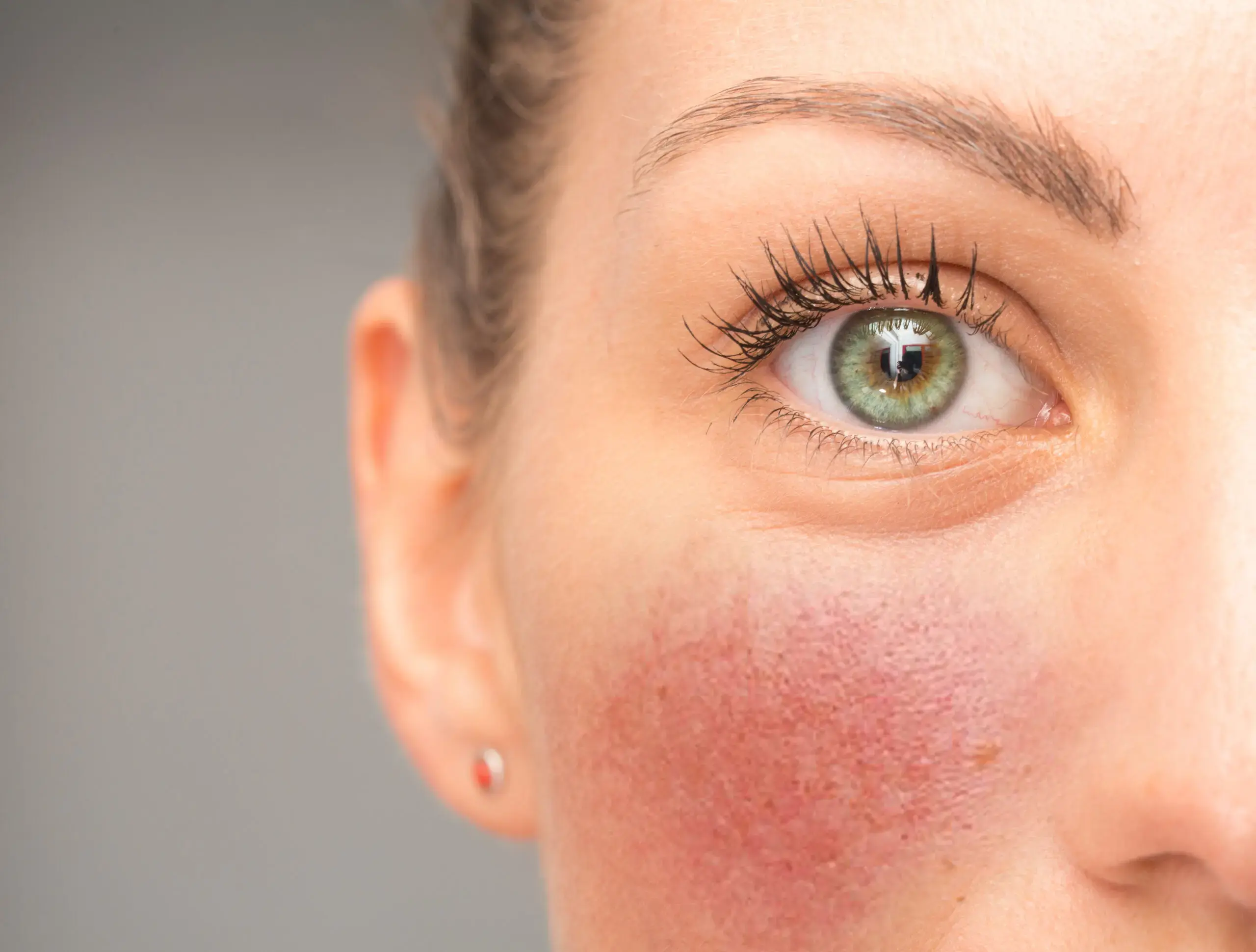
Studies show that an imbalance in the microbiome can promote inflammatory processes in the body. These play a central role in skin problems like acne, eczema, or rosacea.
Particularly interesting is the connection to hormone balance: gut bacteria also influence hormonal processes in the body. This could explain why many people suffer from hormonally induced acne, even though their skincare is actually well-adjusted.
The gut-skin axis describes far more than just a trend - it shows how closely our inner self and our outer appearance are connected.
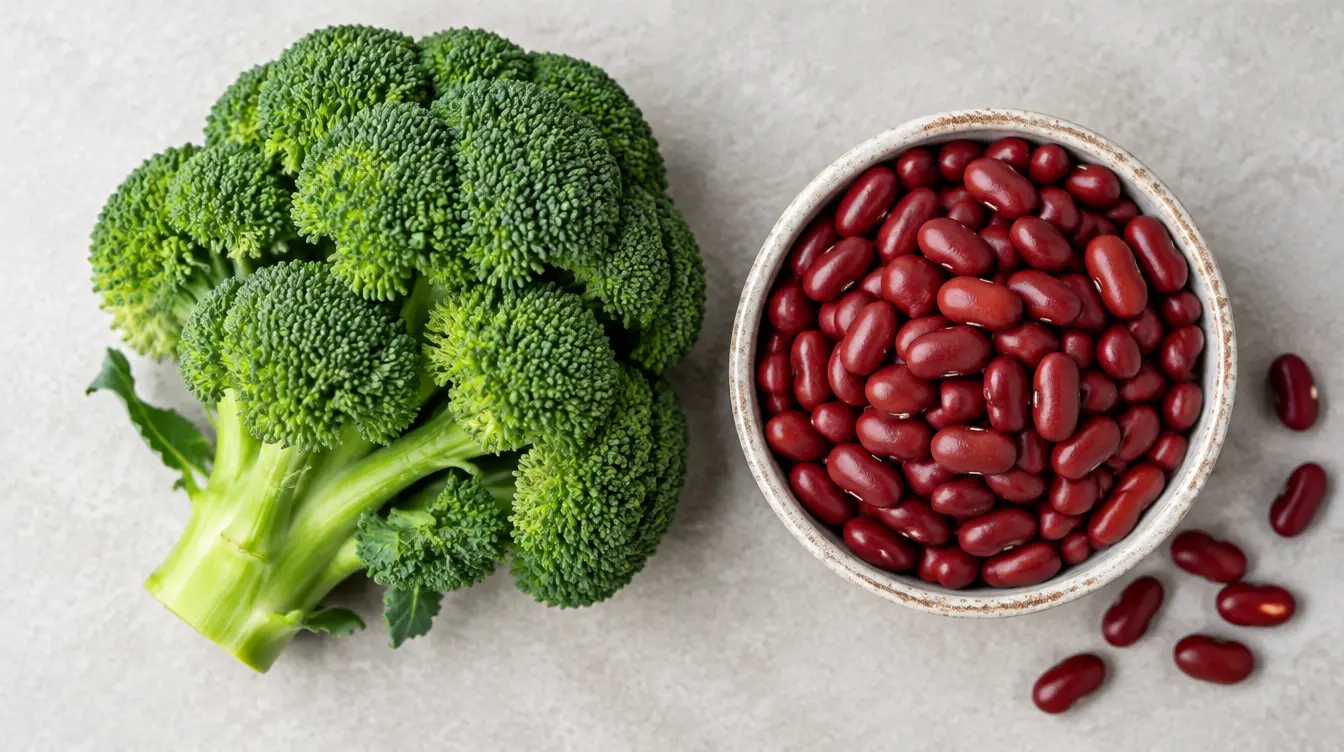
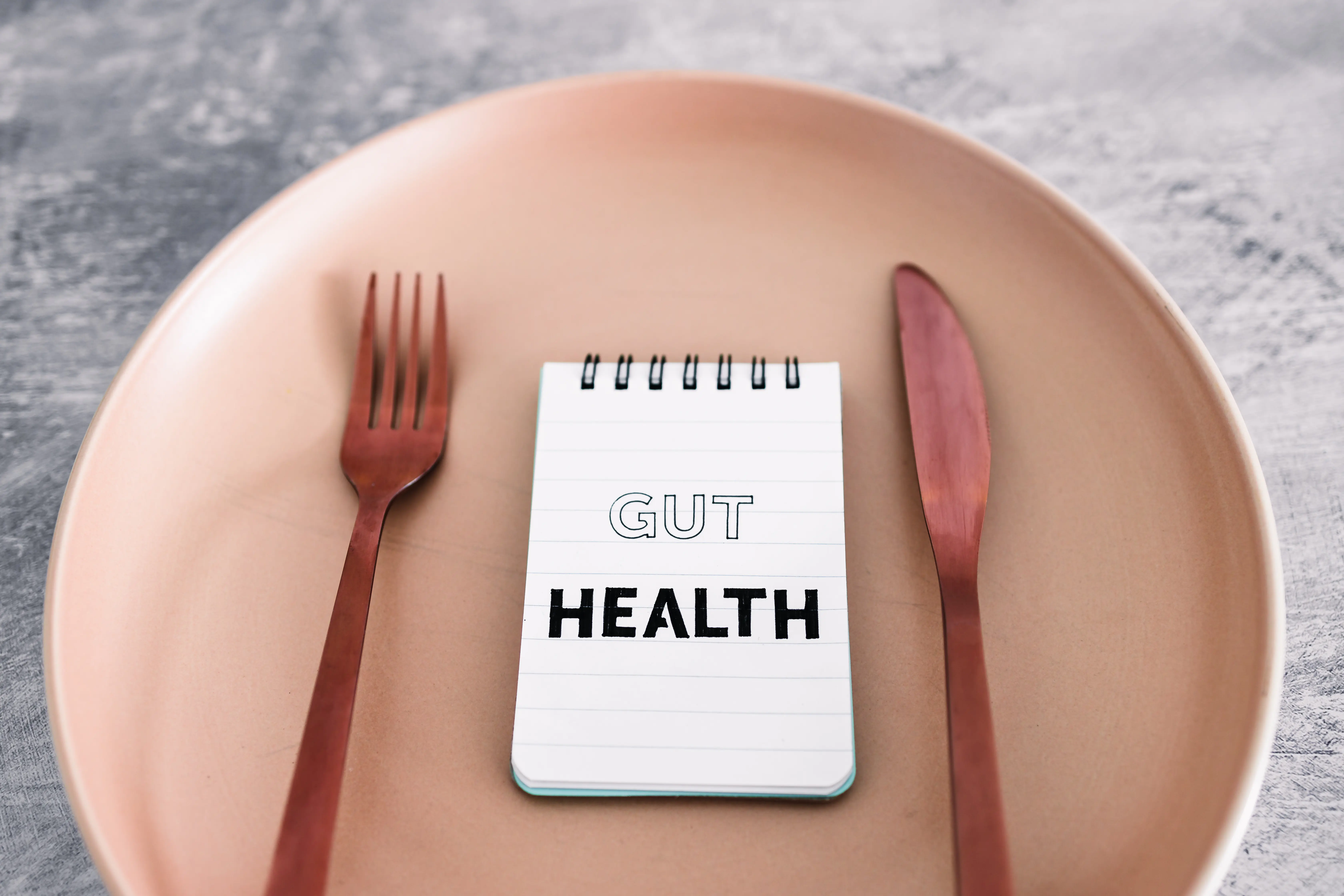
To relieve the and provide it with all the good things, there are a few basic tips and no-gos: While (e.g. legumes, whole grains, potatoes, nuts, and seeds) and fermented foods like sauerkraut, kefir, or kimchi support a healthy sugar and highly processed foods can promote inflammation.
Particularly exciting is that not only diet affects the gut – stress and lack of sleep change the gut flora and can thus affect skin health. Best immediate example: The complexion the next morning after a night of revelry.
In addition to fiber and fermented foods (probiotics), prebiotics also contribute to a healthy gut flora. These are certain types of fiber, specifically soluble, indigestible carbohydrates. They are found in oatmeal, onions, garlic, bananas, apples, artichokes, or flaxseeds.
Omega-3 fatty acids, as found in salmon, chia seeds, or linseed oil, have anti-inflammatory effects and influence the skin, brain, hormone balance, and much more. Zinc and vitamin D are also essential for gut health and skin regeneration.
A targeted micronutrient analysis and stool examination by a doctor can provide insight into the condition of the gut—and is often helpful in really getting to the bottom of skin problems, despite good care.
Many wish for quick results—but changing the gut flora takes time.
First changes can be noticeable after a few weeks, such as better digestion or more energy. Visible improvements of the skin often appear after four to eight weeks.
However, patience is required for sustainable effects. The gut is a complex system that does not change overnight.
A common mistake is giving up too early or constantly trying new approaches. It is precisely the continuity that has the greatest effect in the long run.
In addition to choosing the right foods, there is an often overlooked factor that can make a surprisingly big difference: the way we eat.
Chewing thoroughly is the first step of digestion – and thus crucial for gut health. Nutrition experts recommend chewing each bite at least 30 to 50 times.
This has several effects: The food is broken down better, digestive enzymes can work more efficiently, and nutrients are absorbed more easily. At the same time, the pre-digestion of carbohydrates is already initiated in the mouth.
In the further course, this means less work for the intestines – and less stress for the body. Unpleasant symptoms such as bloating, cramps, or a feeling of fullness can also be reduced.
An additional advantage: Those who eat more slowly feel full sooner. This has a positive effect not only on digestion but also on general eating behavior.
Can diet really influence acne?
Yes, studies show that diet inflammatory processes can affect the body - and thus also skin problems like acne.
Do probiotics really help?
Probiotics can support the intestinal flora but work best in combination with an overall balanced diet.
Do I have to completely give up sugar?
No. The amount is crucial. A conscious approach is usually sufficient.
Is the gut-skin axis scientifically proven?
Research is constantly evolving, but many studies already confirm the connection between gut health and skin.
The gut-skin axis makes it clear that skin health goes far beyond external care. Creams and serums can support – but the basis for healthy skin lies within.
A balanced, fiber-rich diet, adequate sleep and a conscious approach to stress are key factors in keeping the gut in balance.
Because ultimately, if the gut is doing well, it shows in the mirror.