The nootropic of the year: What L-Theanine really does to your brain
The natural amino acid from green tea promises focused alertness without nervousness and relaxation without fatigue. What does the current state of research say about L-theanine? Who benefits from taking it—and how real is the hype?
L-theanine is a natural amino acid from green tea and is considered one of the most discussed nootropics worldwide in 2026. Whether biohackers, students, or stressed professionals – more and more people are discovering the "matcha molecule effect": focused alertness without nervousness, relaxation without drowsiness.
In this comprehensive guide, you will learn everything about effects, dosage, benefits, safety, and the best use scenarios of L-theanine – scientifically proven and clearly explained.
What is L-theanine? Definition & origin
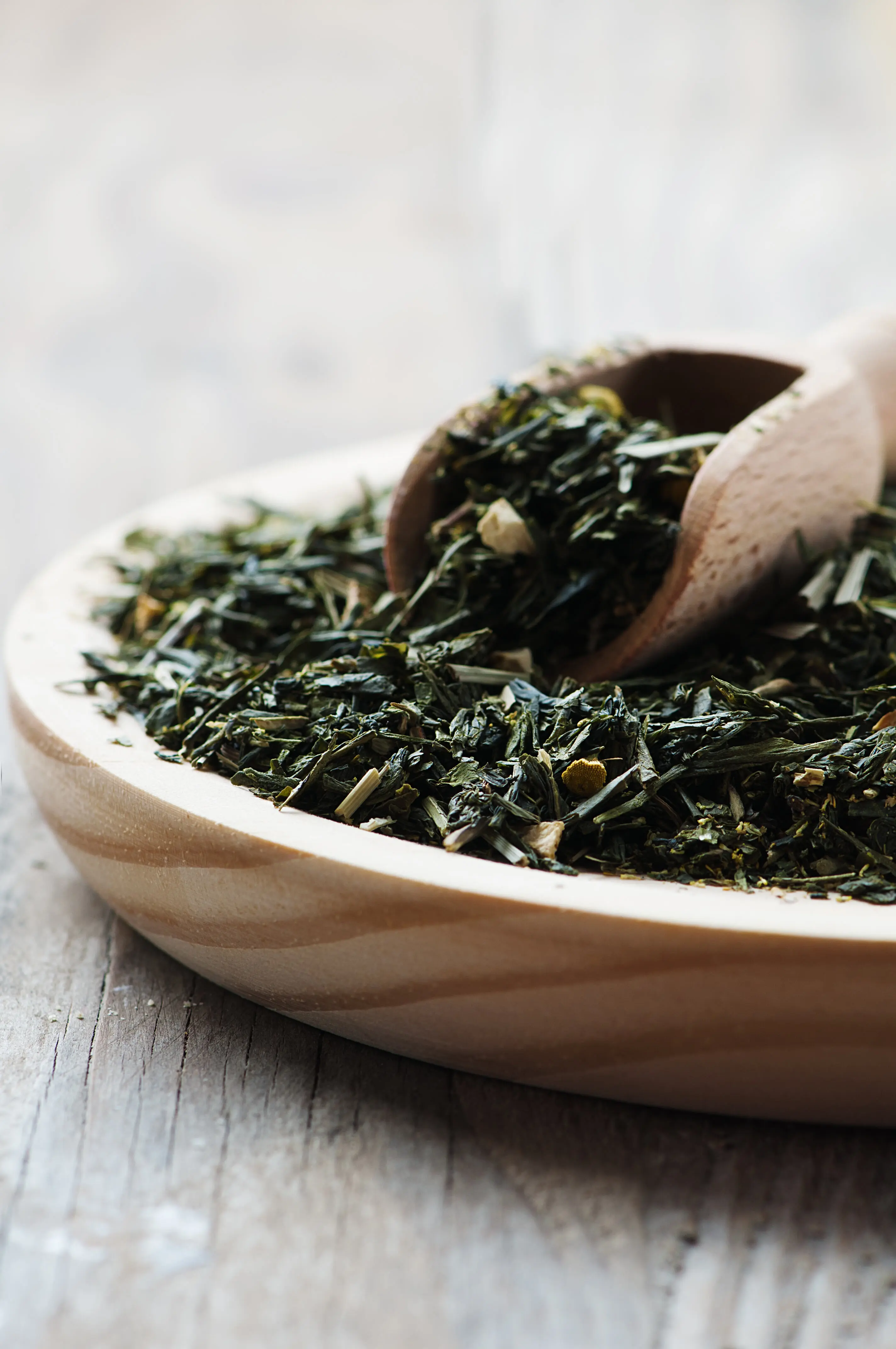
L-theanine (chemically: γ-glutamylethylamide) is a non-proteinogenic amino acid, which naturally occurs in the leaves of the tea plant Camellia sinensis It is the main reason why green tea and matcha have a calming effect despite their caffeine content.
The substance was first isolated in Japan in 1949 and is now one of the best-selling dietary supplements in the cognition & stress management category.
Note: The effects described in this article are based on scientific studies and may vary individually. This article is for informational purposes only and does not replace medical advice. If you have health issues, are taking medications, or have pre-existing conditions, we recommend consulting a doctor before taking L-theanine.
How does L-theanine enter the brain?
The special thing: L-theanine overcomes the blood-brain barrier and acts directly in the central nervous system. There, it interacts with several neurotransmitter systems:
Exactly this alpha wave activation explains why L-theanine is so unique: It creates a state of mind otherwise only achievable through meditation or sleep – and that within 30–45 minutes of intake.
L-Theanine & Caffeine: The most powerful natural synergy
The combination of L-theanine and caffeine is scientifically one of the best-documented cognitive synergies ever. While caffeine sharpens attention and blocks adenosine, L-theanine mitigates typical side effects such as nervousness, heart palpitations, and the later "caffeine crash."
Typical ratio in matcha: 1 part caffeine : 2 parts L-theanine
The result: focused, calm energy – no jitters, no crash. No wonder this stack is known in the biohacking community as “Clean Energy" is considered.
10 scientifically proven benefits of L-theanine
1. Stress reduction & cortisol lowering
In randomized controlled trials, L-theanine reduced cortisol levels by up to 30 % during stress tests (Kimura et al., 2007, Biological Psychology). Especially in stressful workdays or exam periods, this can make a measurable difference.
2. Improved sleep quality
200 mg of L-theanine daily improved both the sleep onset latency and the proportion of slow-wave sleep – the particularly restorative deep sleep (Williams et al., 2021, Nutrients). Particularly relevant for people who can't mentally switch off in the evenings.
3. Focus & Reaction Time
The caffeine-theanine stack has been proven to enhance attention and multitasking performance by over 10% (Haskell et al., 2008, Appetite). Ideal for home office, creative work, or long study sessions.
Animal models show that L-theanine protects nerve cells from glutamate excitotoxicity – a mechanism associated with neurodegenerative diseases (Kakuda, 2011, Frontiers in Bioscience).
6. Immune system boost
L-theanine increases the activity of gamma-delta T cells by over 30% – important first line immune cells (Rowe et al., 2007, Journal of the American College of Nutrition).
7. Cognitive resilience in sleep deprivation
Those who sleep little but still need to function: L-theanine supports the working memory even under sleep deprivation (Giesbrecht et al., 2010, Nutritional Neuroscience).
8. Blood pressure regulation
L-theanine dampens stress-induced blood pressure spikes – an advantage for those suffering from episodic hypertension (Yokogoshi et al., 1998, Bioscience, Biotechnology, and Biochemistry).
9. ADHD support
Pilot studies suggest that L-theanine impulse control can improve in children and adolescents with ADHD (White et al., 2016, Alternative Medicine Review). Not a substitute for medical therapy, but an interesting complementary measure.
10. Gut-brain axis & microbiome
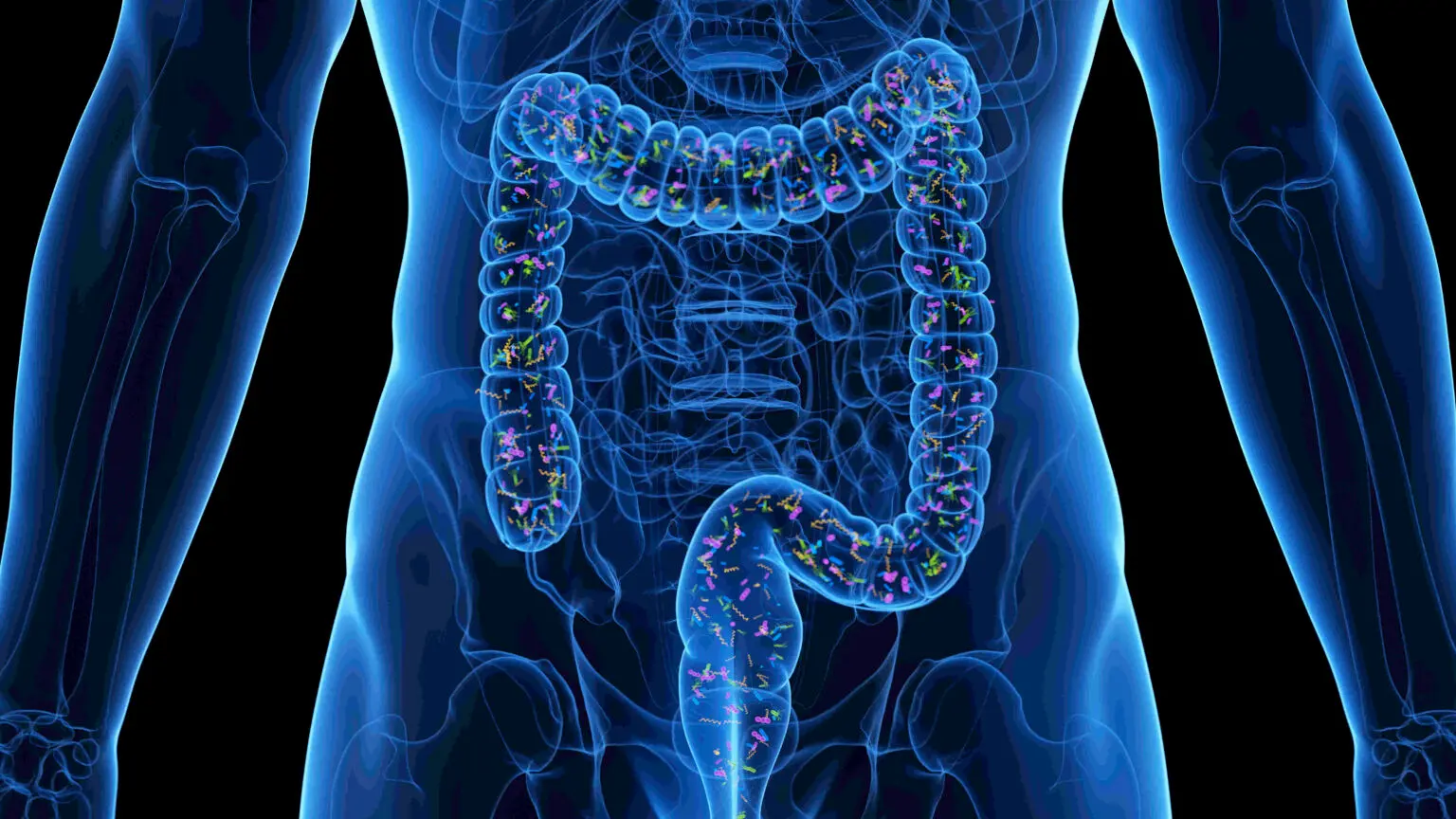
Recent research shows that L-theanine also affects the gut-brain axis and positively modulates microbiome signals (Yang et al., 2020, Food & Function). The so-called 'GABA-microbiome loop' could be relevant for mental health in the long term.
Dosage & application recommendations
The optimal dosage depends on the goal. As a general rule:
Recommended daily dosage: 100–400 mg L-theanine
Dosage recommendations based on application scenarios
Daily stress – 200 mg + coffee or matcha → Effects after approx. 30 min., usually lasts 4–6 hrs.
Home office focus – 150 mg + 75 mg caffeine → Effects after approx. 25 min., usually lasts 5–8 hrs.
Sleep problems – 200–400 mg + magnesium or glycine → Effects after approx. 45 min., usually lasts all night
Exam stress / ADHD – 300 mg + Omega-3 → effect after about 40 minutes, usually lasts 6–10 hours
Evening calm – 100 mg + chamomile tea → effect after about 30 minutes, usually lasts 3–5 hours
Safety & Tolerability: Is L-theanine safe?
Yes – L-theanine is considered one of the safest dietary supplements on the market. Both the FDA (USA) and the EFSA (EU) have given it GRAS status: "Generally Recognized As Safe."
Long-term data from over 10 years of human research show no toxicity or risk of dependency up to 1200 mg daily (Ross & Abdijadid, 2022, StatPearls).
Possible side effects (rare)
Mild fatigue – especially without caffeine combination
Mild headache at very high doses
Drop in blood pressure in sensitive individuals
Who should avoid L-Theanine?
Pregnant and breastfeeding women (as a precaution, limited data)
People with hypotension (low blood pressure)
Taking MAO inhibitors (possible interaction)
Unlike benzodiazepines or synthetic stimulants, L-Theanine causes no dependency, no tolerance issues, and no withdrawal symptoms.
Long-term effect: L-theanine & neuroplasticity
Beyond the short-term effects, there are exciting findings on the long-term effects of L-theanine:
Recent studies show that regular intake increases BDNF expression in the hippocampus – a growth factor responsible for neuronal plasticity and learning ability (Owen et al., 2022, Frontiers in NutritionBDNF is considered the most important "fertilizer" for the brain.
This effect explains why L-theanine is increasingly referred to as a "gentle neurotrophic." This is particularly interesting for:
Cognitive prevention in old age
Regeneration after chronic stress or burnout
Long-term support for mental exhaustion
L-theanine vs. other nootropics: A comparison
L-Theanine – Focus (with caffeine): yes | Relaxation: very good | Sleep: very good | Safety: very high | Dependency: none
Caffeine alone – Focus: very good | Relaxation: no | Sleep: no | Safety: good | Dependency: slightly possible
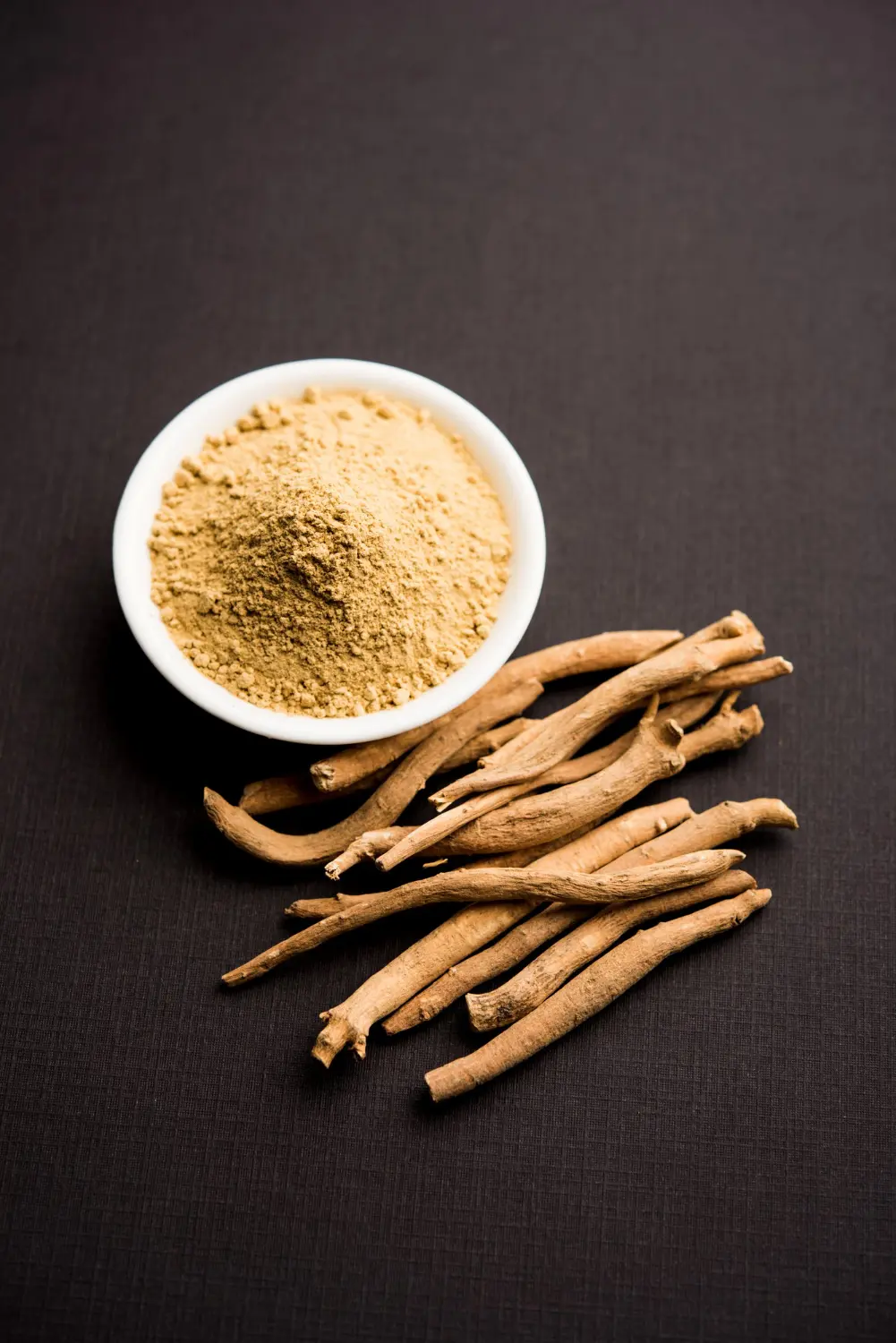
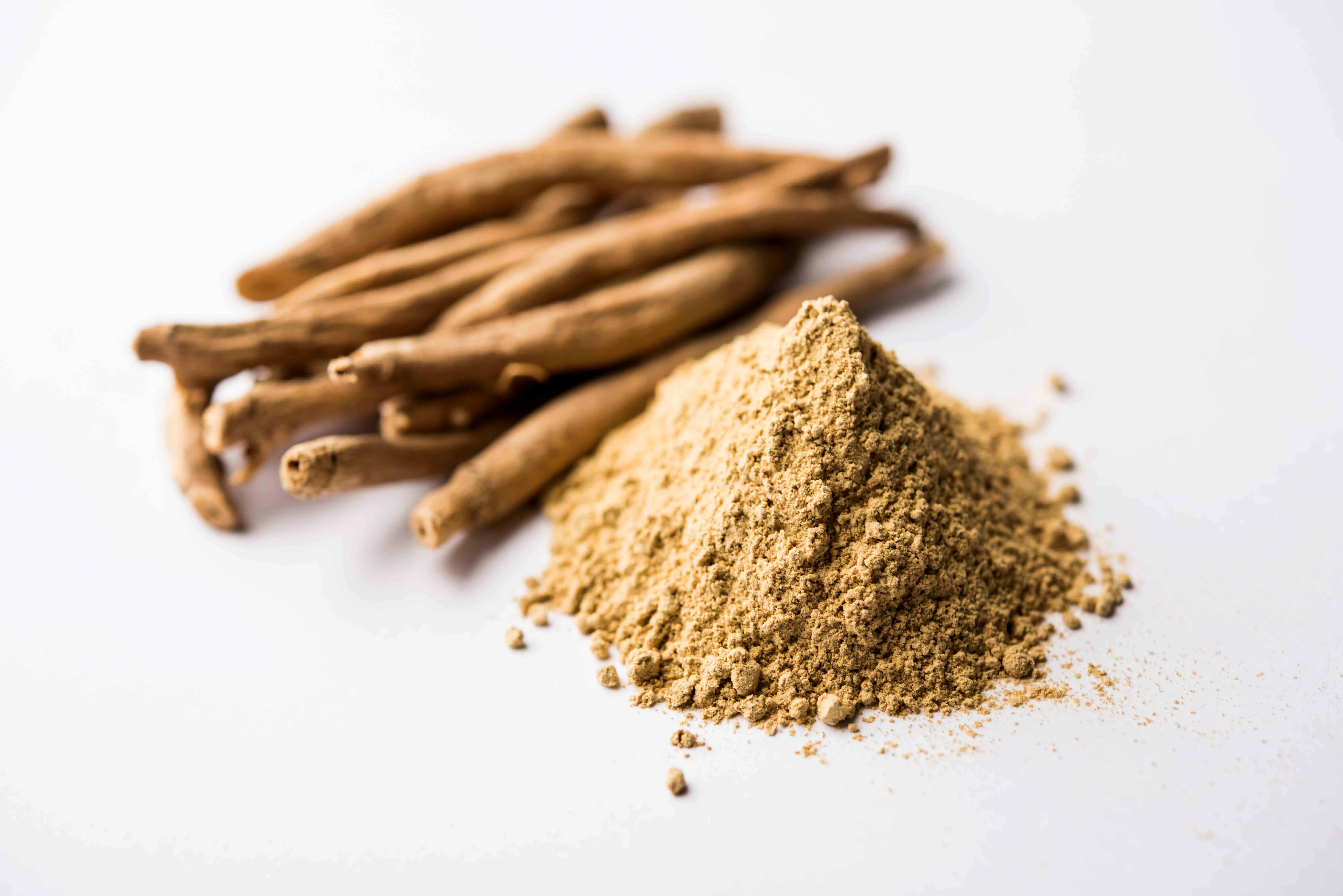
Ashwagandha – Focus: no | Relaxation: very good | Sleep: good | Safety: good | Dependency: none
Rhodiola Rosea – Focus: good | Relaxation: good | Sleep: no | Safety: good | Dependency: none
Magnesium – Focus: no | Relaxation: very good | Sleep: very good | Safety: very high | Dependency: none
L-theanine scores with the best safety profile and the unique combination of focus and relaxation – without the drawbacks of other substances.
Frequently Asked Questions (FAQ) about L-theanine
How quickly does L-theanine work? Most people feel the first effects after 20–45 minutes. The effect lasts 4–8 hours depending on the dose.
Can I take L-theanine daily? Yes. Studies show excellent long-term tolerability. There is no habituation effect – L-theanine does not lose its effect with regular intake.
Does L-theanine make you tired? Not in combination with caffeine. Taken alone – especially in the evening and in higher doses – it can have a relaxing and slightly sleep-inducing effect.
What is the difference between L-theanine and D-theanine? L-theanine is the biologically active form. D-theanine has no relevant effect. When buying, make sure it is pure L-theanine.
Is L-theanine suitable for children? Pilot studies show positive effects on ADHD, but parents should always consult a doctor before taking it.
Does L-theanine work immediately, or does it require a build-up phase? L-theanine works acutely, meaning after the first intake. There is no necessary build-up phase, as with some other supplements.
Conclusion: L-theanine at a glance
L-theanine is one of the most well-researched natural amino acids in the field of cognition and stress management. The research consistently shows positive effects on focus, sleep quality, and stress reduction, with a very good safety profile and no known potential for dependency.
The combination with caffeine is particularly well-documented scientifically and is a practical alternative to synthetic stimulants for many people. Those who want to unwind better in the evening or fall asleep faster can benefit from higher doses without caffeine.
As with all supplements, the described effects can vary individually and are not guaranteed for everyone. This article does not replace medical diagnosis or treatment. Those who are unsure or suffer from health issues should seek medical advice before taking it.