© Anna Shvets
February 23, 2026
Christine Bürg & Margit Hiebl
From AI-assisted surgery to Alzheimer's antibodies: 7 doctors from the PMC network explain which medical innovations will truly be relevant in 2026.
With experts from our network
What is really driving medicine right now – beyond the hype and glossy promises? We asked seven PMC doctors which developments in their disciplines are currently bringing about real change. The answers are surprisingly concrete: An eye surgeon from Düsseldorf who frees patients from reading glasses in ten seconds.
A Munich visceral surgeon who operates with robotic precision that surpasses human hands. Neurologists who are using antibodies against Alzheimer’s for the first time. And dentists who no longer only treat teeth. These insights show: Medicine is changing faster than expected – and progress is often already available today.
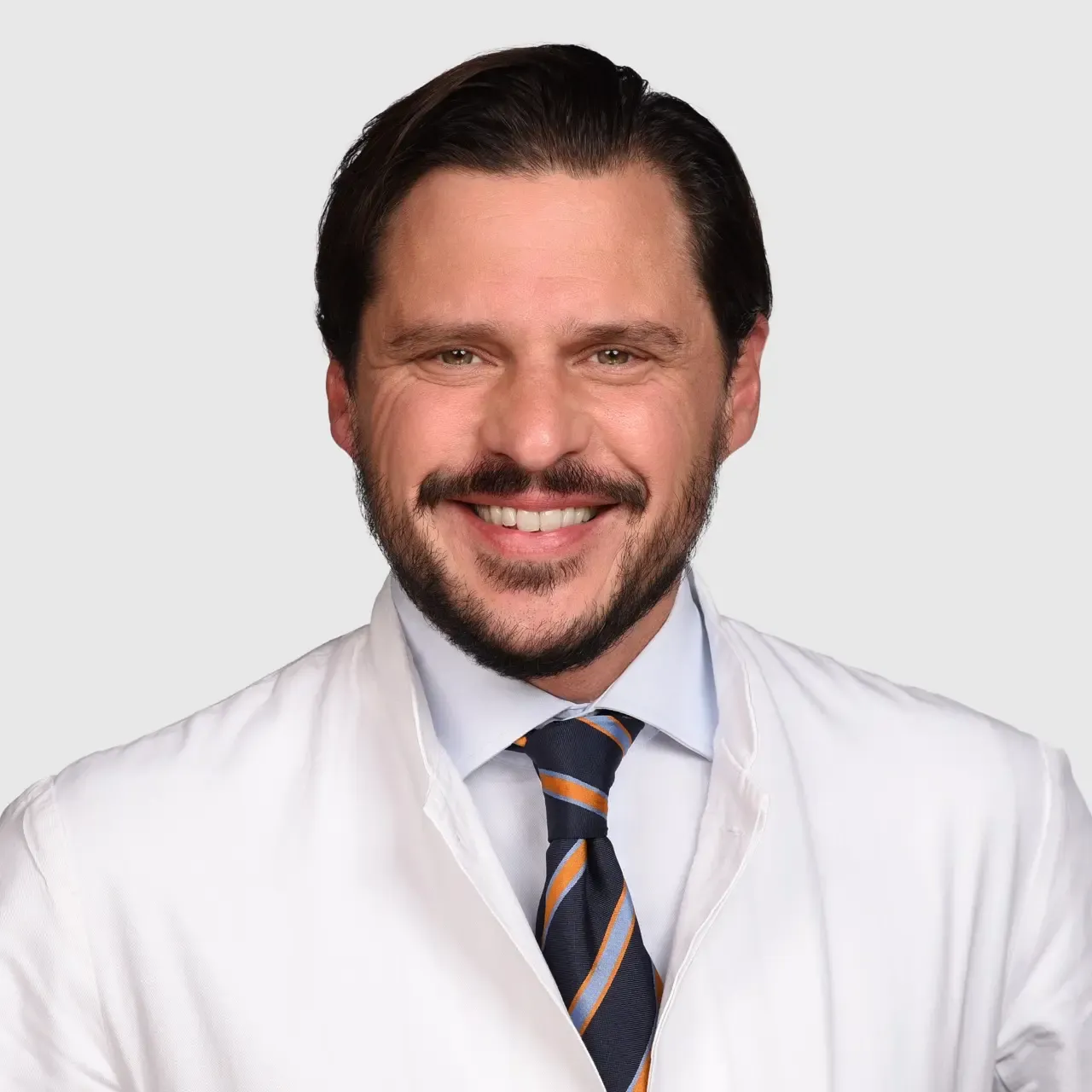
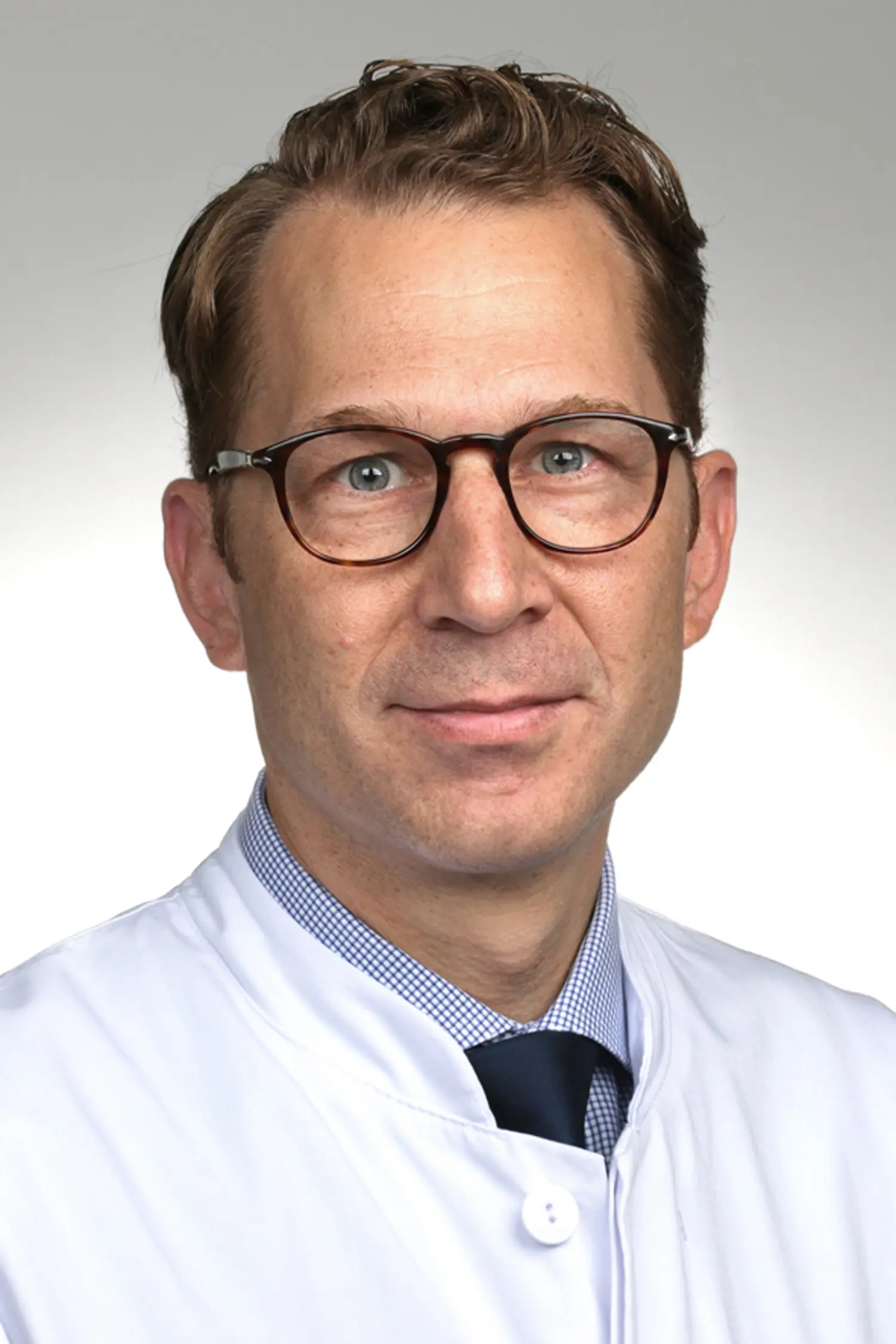
Dr. Detlev R. H. Breyer, Eye Surgery Clinic Breyer, Kaymak & Klabe and Eye Laser Center Premium Eyes in Düsseldorf
The most exciting development at the moment is in the correction of presbyopia: that we can free people from reading glasses and progressive lenses, thereby significantly improving their quality of life. If the human lens is still clear, there is currently nothing better than PresbyEDOF laser eye surgery, which I helped to further develop.
It only takes ten seconds, is painless, and safer than wearing contact lenses. If the lens is already clouded due to a beginning cataract, I use the new 'Galaxy' multifocal lens from Rayner. Unlike conventional lenses, it causes significantly less glare and does not lead to any loss of light, so you can see well even in poor lighting conditions.
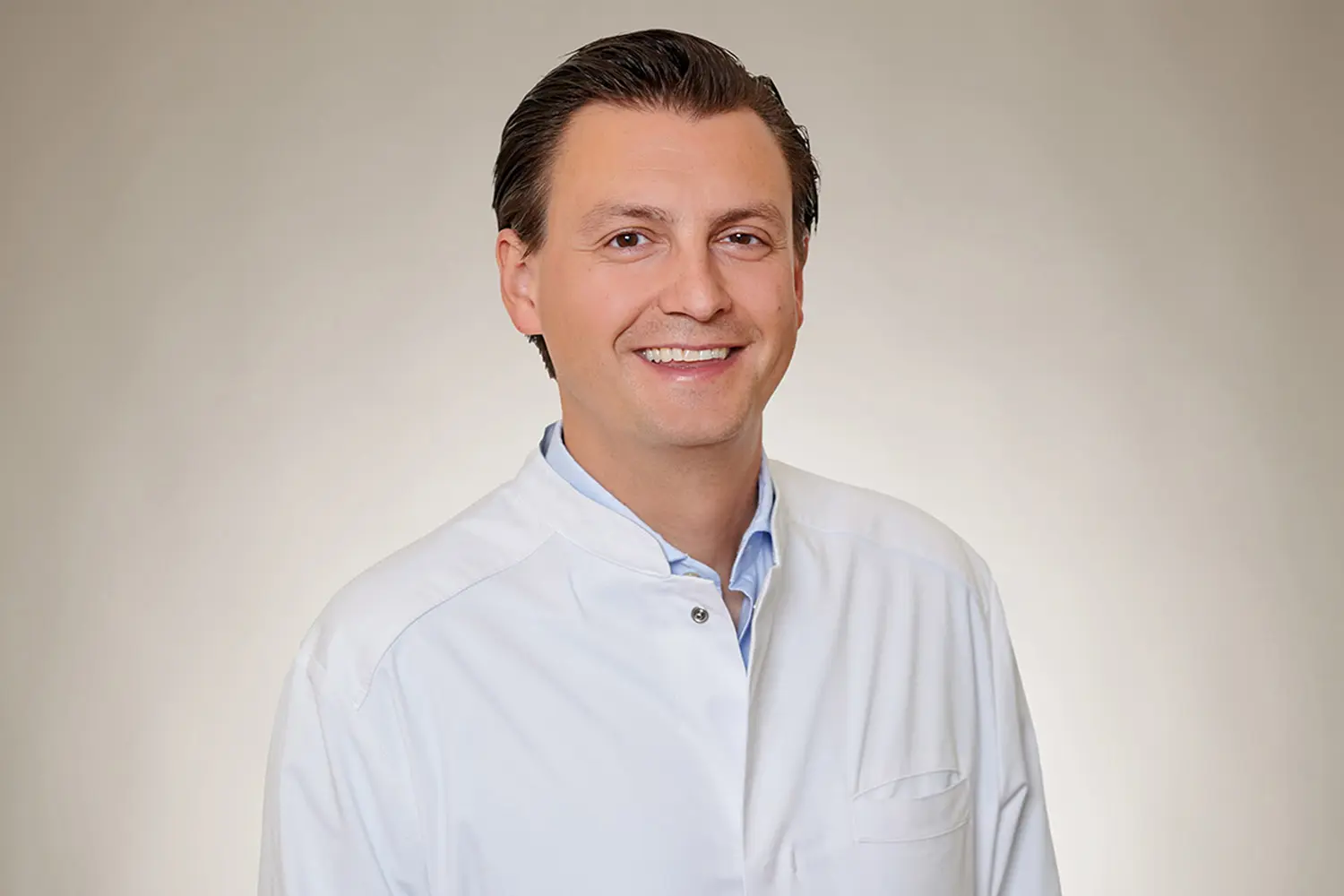
Prof. Dr. Franz Bader, Medical Director of the Clinic for General, Visceral and Minimally Invasive Surgery at the Isar Klinikum in Munich
Minimally invasive surgery has revolutionized the surgical treatment of benign and malignant diseases in the abdominal cavity over the past 20 years. However, the development of classical laparoscopy, in my opinion, is more or less complete and has reached its limits.
What has once again significantly advanced minimally invasive surgery is the use of robot-assisted procedures. For example, with the Da Vinci system, minimally invasive surgery is being redefined with the highest precision, optimized visualization, and new instruments that achieve the degrees of freedom of the human hand.
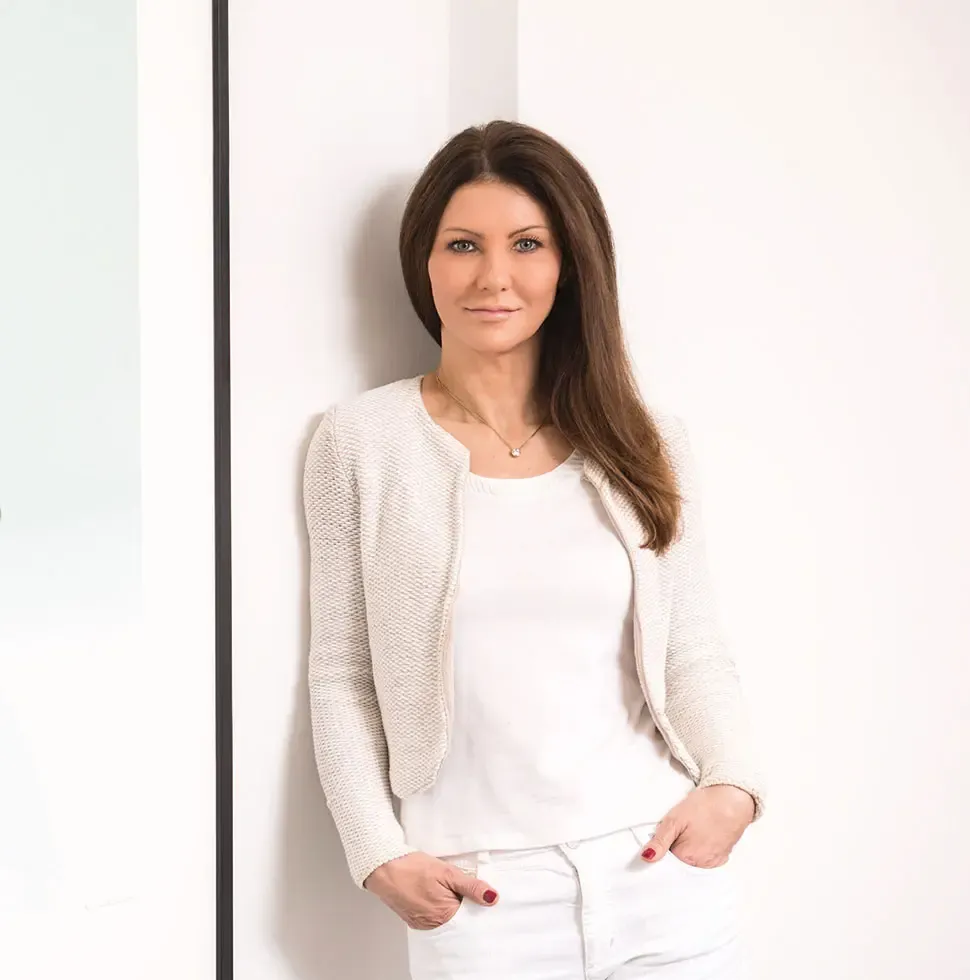
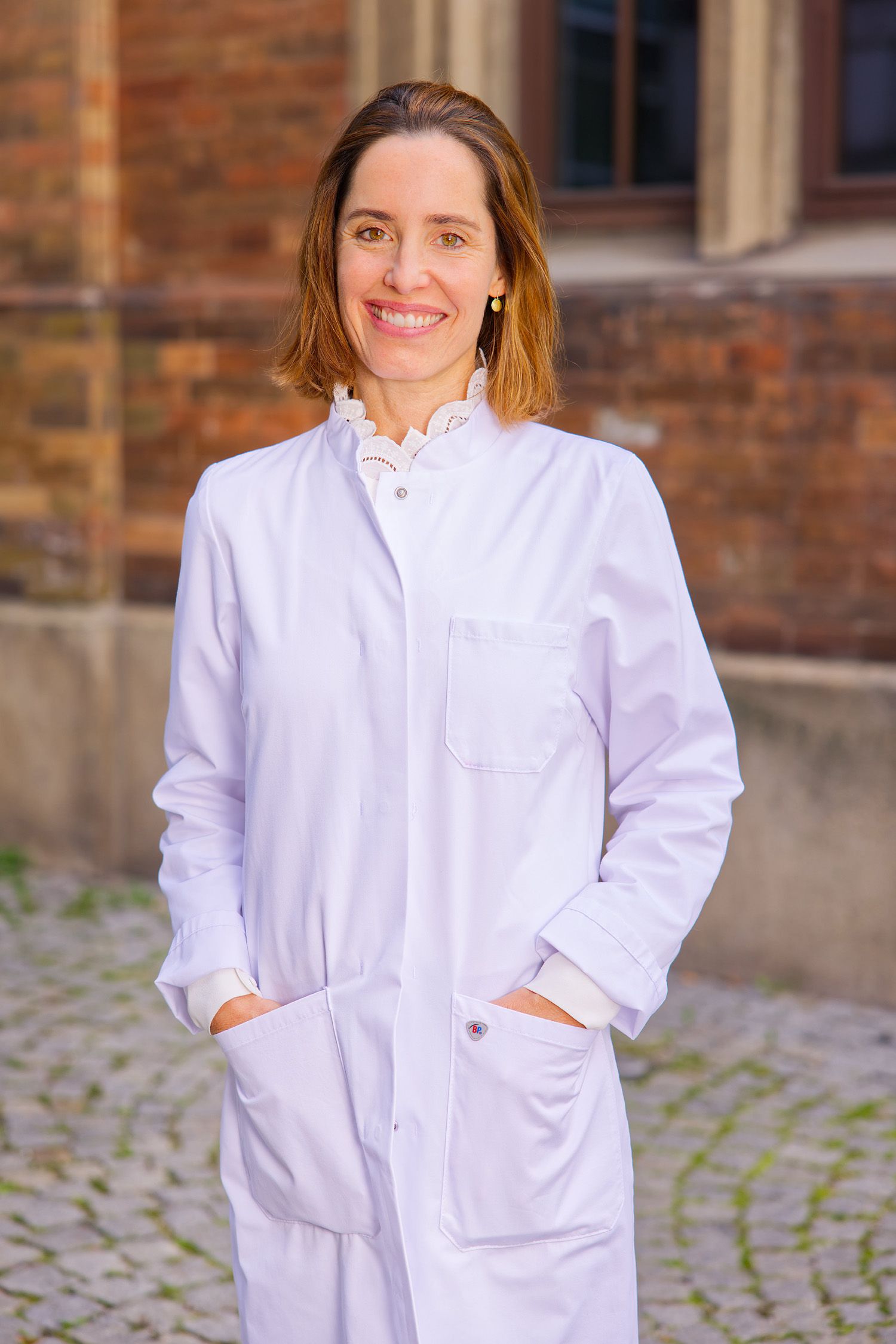
Dr. Elisabeth Zott, Dermatology Practice, Munich
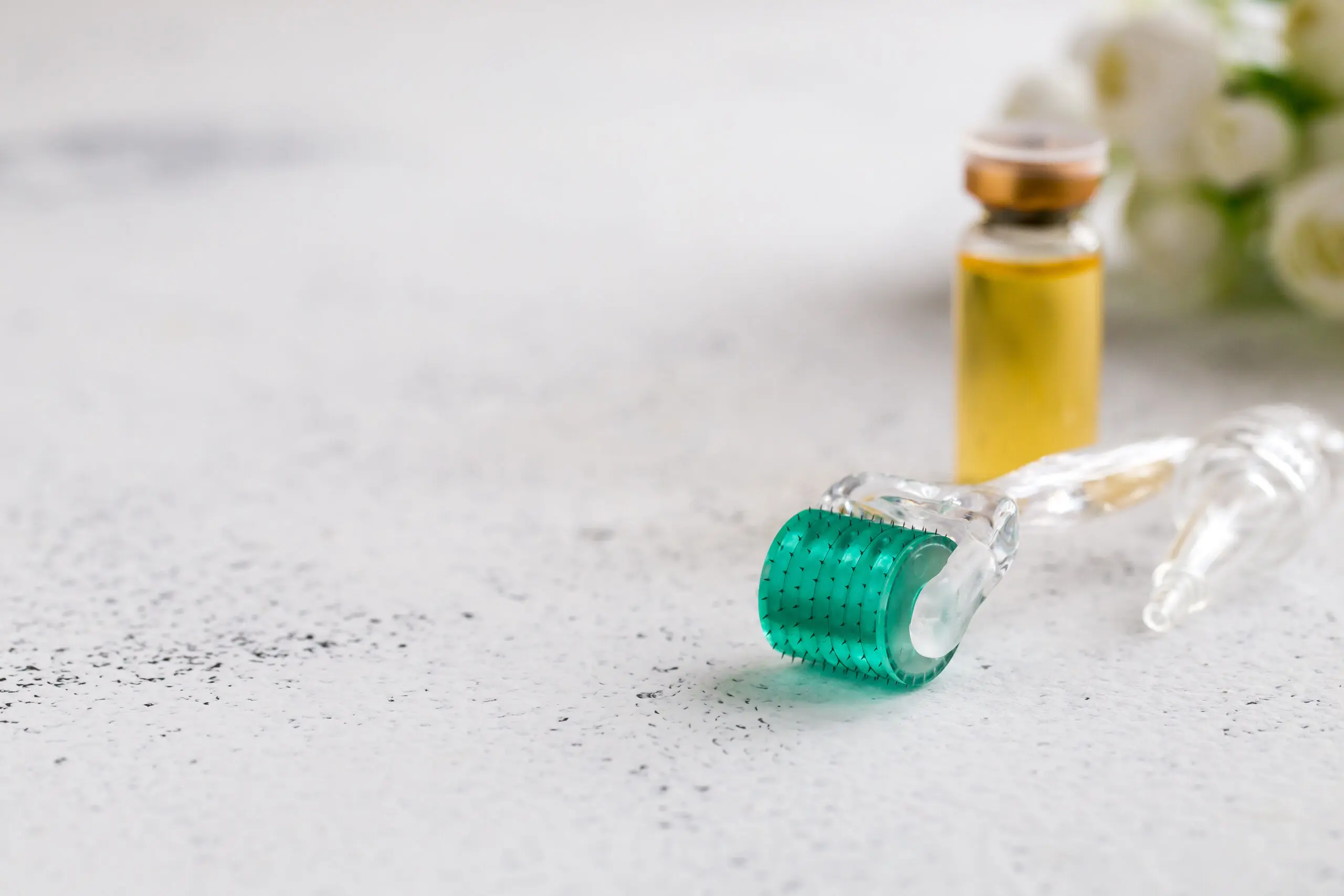
Lately, I have been intensely involved with so-called regenerative aesthetic medicine. After decades with fillers, Botox, and lasers in all variants, there are now numerous new possibilities. Regenerative aesthetic medicine is not exactly the same as biostimulation but overlaps. Regenerative medicine is about repairing, restoring, revitalizing, and sustainably rejuvenating the skin structure at the cellular level – both visually and functionally.
This also includes repairing cell damage. Typical procedures for this are exosomes, PRP and PRF, polynucleotides, stem cell-based therapies, microfat and nanofat, needling with growth factors and exosomes. Structural improvement of connective tissue cells at the cellular level results in long-term effects.
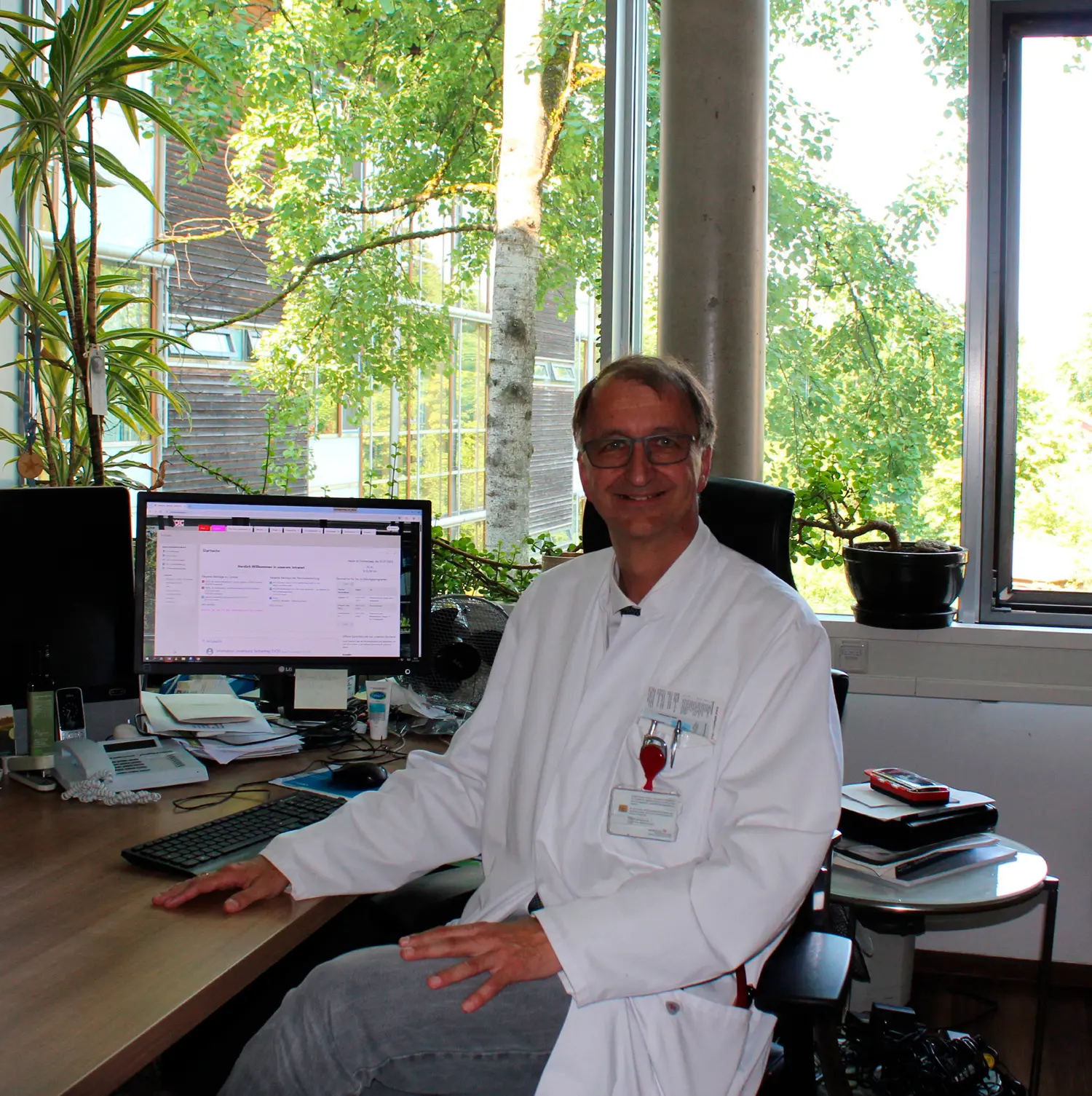
Prof. Dr. Stefan Lorenzl, Chief Physician of the Neurology Department at Agatharied Hospital at Schliersee
In neurology, new medications will enter the market in the coming years, potentially changing therapeutic options. Already in 2014, we had the opportunity in Agatharied to conduct an antibody therapy with a patient with an atypical Parkinson's syndrome.
This was truly the first patient treated in Europe, and I was very moved that we could play such a central role in this development. And this development is now advancing rapidly, including with antibodies used to treat Alzheimer's disease. In the meantime, at least two antibodies have been established for the treatment of Alzheimer's disease, and more will come. I am very confident about that.
Dr. Yvonne Ebel, Medical Director and Owner Orthopedics Wernau
The trend is increasingly towards digital health applications (DiGA) that can also be prescribed and reimbursed – training and movement everywhere and at any time, via app and smartphone. This creates a routine, and you can train anywhere, independent of location and time. Additionally, you always have a good overview of training progress and symptom progression – successes are thus measurable.
Dr. Peter Neumann & Dr. Daniel Thome, Aesthetic and Soul, Munich
One could say that the journey leads to the fountain of youth cocktail via injection, for example through the advancement of autologous fat therapy, where fat is sucked out and after cleaning and processing, injected again as a filler. This treatment simultaneously has a demonstrably regenerative effect on the tissue and thus also works as an anti-aging method – especially when using nano fat and exosomes.
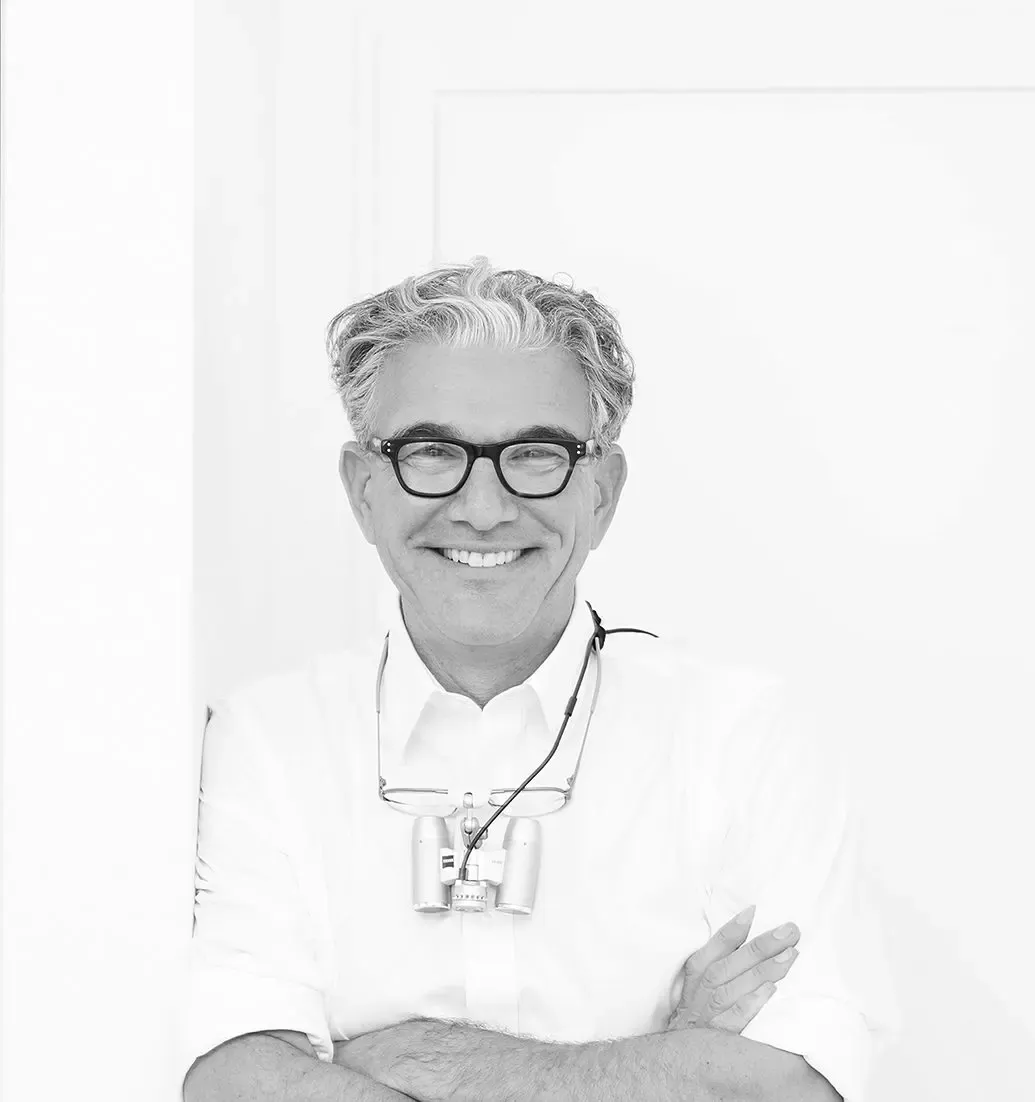
Dr. Mark T. Sebastian, Dentist at Praxis Max36, Munich
The trend in modern dentistry clearly moves away from mere "repair medicine" towards holism. We no longer view teeth and the oral cavity in isolation but want to know what impact they have on the health, performance, and quality of life of our patients. Some of the most important developments:
 Find a Doctor
Search the network for suitable specialists and contact them directly