© Cup of Couple
February 20, 2026
Birgitta Dunckel
Personalized nutrition instead of a one-size-fits-all diet: How DNA tests, blood sugar sensors, and microbiome analyses enable tailored nutritional plans – and prevent diseases
Why does one person tolerate pasta without problems, while another struggles with fatigue and blood sugar fluctuations after the same meal? The answer lies in biology – and this is exactly where personalized nutrition comes in. Instead of blanket diet plans, tailored nutritional strategies are developed based on DNA tests, microbiome analyses, and real-time digital data, as unique as a fingerprint. Nutritional medicine is thus at a real turning point.
Personalized nutrition – also known as precision nutrition or nutrigenomics – is a medical approach where dietary recommendations are tailored to an individual's biological, genetic, and lifestyle characteristics. The goal: optimal nutrient supply, disease prevention, and improved quality of life.
Four factors determine which diet is best suited for you:
• Genetics: DNA influences how one processes caffeine, fats, or lactose.
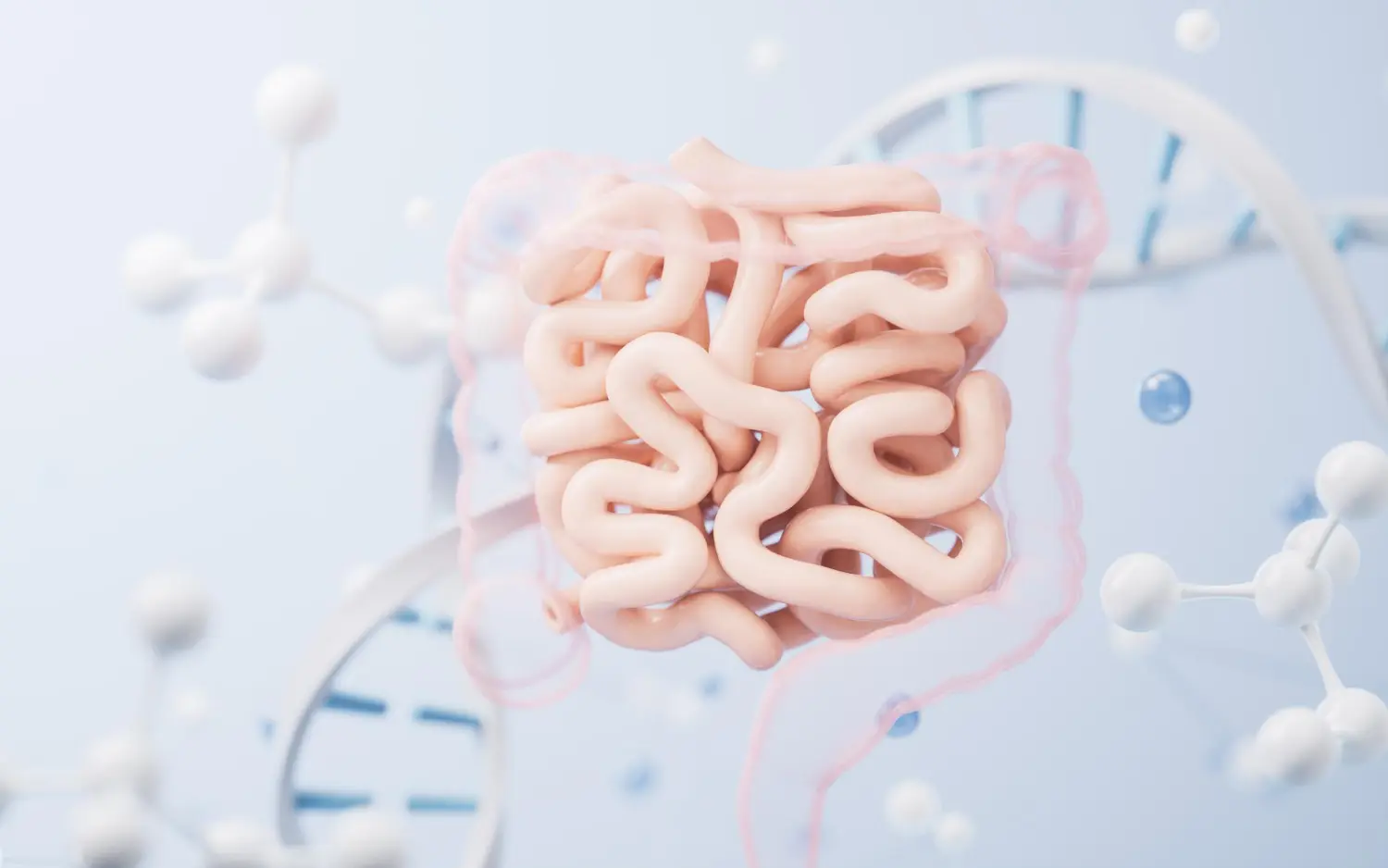
• Gut microbiome: The trillions of bacteria in the gut help determine how nutrients are absorbed and metabolized.
• Biomarkers: Blood values like cholesterol, insulin, or vitamin D levels provide information about current health status.
• Lifestyle factors: Sleep quality, stress levels, and physical activity affect how the body reacts to food.
Behind the concept is a range of modern technologies that were unthinkable just a few years ago. Together they create a detailed picture of personal metabolic biology.
A simple saliva sample can be used to read genetic variants (so-called SNPs) that reveal whether a person is prone to lipid metabolism disorders, how quickly they metabolize caffeine, whether they are intolerant to lactose or gluten, or how efficiently they process certain vitamins like folic acid or B12. Providers like Cerascreen, DNAnutriControl, or the Swedish company Zoe already offer such tests to individuals - cost depending on the provider between 80 and 300 euros.

A small sensor on the upper arm - originally developed for diabetics - measures blood sugar levels around the clock and transfers the data to an app. The result is astonishing: While person A shows little reaction after an apple, person B's blood sugar spikes. This impressively shows why general recommendations like "fruit is always healthy" are only conditionally valid. The devices (e.g., Libre from Abbott or Dexcom G7) cost between 50 and 80 euros per two weeks without a prescription.
A stool sample is enough to analyze the composition of your gut microbiome. Missing or excessively present bacterial strains can promote inflammation, impair vitamin synthesis, or weaken the immune system. Providers like Biomes, Medivere, or Viome provide specific dietary recommendations based on the analysis - including tips on which foods or probiotics you should use specifically.
Smartwatches like the Apple Watch or the Oura Ring capture sleep quality, heart rate variability, and activity levels – all parameters that change nutrient needs daily. Combined with an AI-supported app, fully automatically adjusted meal plans, shopping lists, and recipe suggestions are created. The technology turns raw data into concrete action recommendations.
The greatest benefit of personalized nutrition lies in prevention. Individually tailored nutritional strategies can demonstrably reduce the risk of common diseases such as type 2 diabetes, cardiovascular diseases, and obesity. A large-scale study by the Weizmann Institute of Science (Israel) showed as early as 2015 that the glycemic response after eating identical foods varies massively from person to person – evidence of the scientific core of this approach.
Personalized nutrition is also gaining importance therapeutically: It is increasingly used as a complementary treatment strategy for oncological diseases, autoimmune diseases like Hashimoto's or Crohn's disease, and chronic inflammatory diseases.
An often underestimated aspect is the effect on mental health. Research on the so-called gut-brain axis shows that a balanced microbiome not only improves digestion but can also alleviate anxiety, reduce depressive moods, and enhance overall well-being. Personalized nutrition could thus also play a role in psychiatric prevention.
As promising as the approach is – there are legitimate objections:
• Privacy: Genetic data and microbiome profiles are highly sensitive. Consumers should carefully examine how providers handle their data and whether sharing with third parties is excluded.
• Cost: DNA tests, CGM sensors, and microbiome analyses quickly add up to several hundred euros – currently without insurance coverage. This makes the approach inaccessible for many people.
• Scientific Maturity: In some areas – particularly with commercial DNA nutrition tests – the body of research is still thin. Critics argue that some providers promise more than science can currently prove.
• No self-medication: Personalized nutrition does not replace medical advice. Especially with existing conditions or the use of dietary supplements, medical supervision is indispensable.
Development is advancing rapidly. Researchers are already working on non-invasive blood sugar sensors, fully AI-supported nutrition coaches, and the integration of epigenetics data – in other words, the question of which genes are switched on or off by environment and lifestyle.
Coupled with increasingly affordable analysis technology, personalized nutrition could become the standard in preventive medicine in the coming years. What is still considered a premium concept today may become basic care tomorrow.
What does a nutrition DNA test cost?
Costs vary depending on the provider and the scope of the analysis between 80 and 300 euros. Cheaper tests only analyze individual genes, more comprehensive packages cover hundreds of variants. Health insurance usually does not cover the costs yet.

Is personalized nutrition scientifically proven?
For certain areas – especially the individually different glycemic response and the influence of the microbiome – there is solid study evidence. In commercial DNA diets, the study situation is still more heterogeneous. As a rule of thumb: Serious offers work evidence-based and recommend medical supervision.
Who is personalized nutrition suitable for?
Basically, anyone can benefit – however, the approach is particularly useful for people with chronic diseases (e.g. diabetes, irritable bowel syndrome, autoimmune diseases), recurring digestive problems, unexplained fatigue, or the desire for targeted health prevention.
Can I implement personalized nutrition without a doctor?
Simple entry tools such as apps for nutrition logging or a CGM sensor can be tried out without medical supervision. However, for comprehensive gene or microbiome analyses – and especially in cases of health complaints – the involvement of a doctor or nutritionist is strongly recommended.
How secure is my health data with providers?
This varies greatly depending on the provider. Make sure they comply with GDPR, explicitly exclude sharing data with insurers or third parties, and are based within the EU. If in doubt, it's worth checking their privacy policy and independent test reports.
Personalized nutrition is far more than a trend – it marks a paradigmatic shift in nutritional medicine. Instead of one-size-fits-all solutions, individual biology, data, and technology are at the forefront. Those willing to invest in analyzing their own health can benefit greatly – from more energy in everyday life to long-term prevention of serious diseases.