© Freepik
February 20, 2026
Marianne Waldenfels
Mitochondria are the engine of the cells - and determine how quickly we age. Learn how you can specifically strengthen them with exercise, nutrition, sleep & supplements.
Many people know the feeling: Despite getting enough sleep, they struggle with persistent fatigue during the day, productivity declines, concentration decreases. What is often overlooked: The reason for this could lie deep within the cells - more precisely, in the mitochondria. These tiny powerhouses not only determine how much energy is available. New research shows that they play a central role in aging. Strengthening your mitochondria is simultaneously an investment in longevity - a longer, healthier, and more vital life.
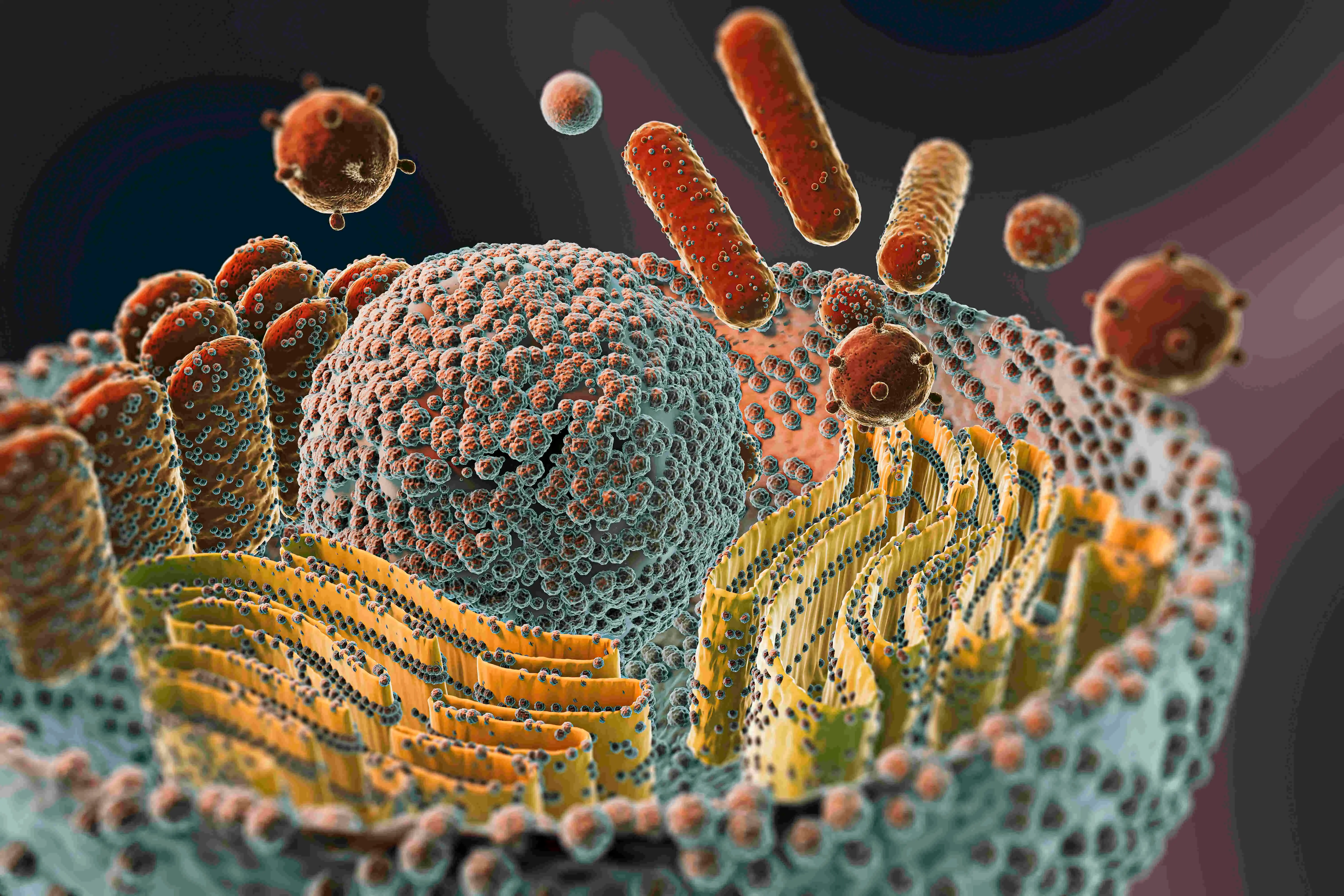
Mitochondria are specialized cell organelles found in nearly every human cell - hundreds in some cells, and in particularly energy-hungry ones like heart muscle or brain cells, even several thousand. Their main task: They convert nutrients from food into ATP (adenosine triphosphate) using oxygen - the universal energy carrier of the body. Without ATP, there is no heartbeat, no thought, no muscle movement.
But mitochondria are much more than pure energy factories. They regulate programmed cell death (apoptosis), are involved in the control of the immune system, and play a key role in regulating inflammatory processes. That is precisely why they have gained so much attention in modern longevity research.
One of the most significant advances in aging research was the realization that mitochondrial dysfunction is one of the central hallmarks of aging. As age increases, mitochondria become less efficient: They produce less ATP, generate more harmful free radicals (reactive oxygen species, or ROS for short), and lose their ability to self-renew.
A crucial mechanism in this is the decline of NAD+ (nicotinamide adenine dinucleotide) - a coenzyme that mitochondria urgently need for energy production and DNA repair. The NAD+ level drops to a fraction of youthful values over a lifetime. Researchers like David Sinclair from Harvard Medical School see this as one of the most important molecular switches in the aging process. In parallel, mitophagy decreases - the body's process for breaking down and renewing damaged mitochondria.
The result: Cells accumulate dysfunctional mitochondria, chronic inflammation increases (so-called inflammaging), and the risk for diseases such as type 2 diabetes, heart disease, neurodegenerative disorders, and cancer rises.
The good news: Mitochondria are plastic. They respond to lifestyle changes - and sometimes remarkably quickly. Below are the most important evidence-based strategies.
Physical activity is by far the most effective stimulus for mitochondrial biogenesis - that is, the formation of new mitochondria. Two forms of training are particularly effective:
• HIIT (High-Intensity Interval Training): Short, intense intervals of exertion alternate with recovery phases. Studies show that HIIT can significantly increase the number and efficiency of mitochondria within weeks - even in older adults.
• Endurance training: Moderate, sustained endurance training in the aerobic zone (e.g., easy jogging, cycling, swimming) particularly enhances fat burning in the mitochondria and is considered optimal for long-term mitochondrial health.
Recommendation: Combining both forms of training is particularly effective. Three times a week endurance plus one to two HIIT sessions per week is a scientifically well-supported strategy.
Nutrition influences mitochondrial health on several levels: through fuels, micronutrients, and metabolic pathways.
• Antioxidant-rich foods: Berries, dark leafy greens, broccoli, and nuts provide polyphenols and vitamins that reduce oxidative stress in mitochondria.
• Healthy Fats: Omega-3 fatty acids from fish, walnuts, and flaxseed oil are important building blocks for mitochondrial membranes.
• Intermittent Fasting: Fasting periods of 14 to 16 hours activate mitophagy - the cellular cleaning process that recycles damaged mitochondria. Studies show positive effects even with regular 16:8 fasting.
• Avoid Sugar and Ultra-Processed Foods: Chronically high blood sugar levels and processed foods promote mitochondrial stress and accelerate their aging.
During sleep, crucial repair processes occur - also for mitochondria. Lack of sleep has been proven to increase oxidative stress, reduce mitochondrial efficiency, and accelerate cellular aging. Seven to nine hours of high-quality sleep are not an optional recommendation but a biological necessity.
Anyone looking to optimize sleep will benefit from a consistent sleep-wake cycle, darkness in the bedroom, and avoiding screen light in the last 60 minutes before falling asleep.
Moderate stress stimuli - so-called hormesis - can spur mitochondria to peak performance. Cold showers, ice baths, or cryochambers activate mitochondrial biogenesis via the cold shock pathway (PGC-1alpha activation). Sauna visits, in turn, increase heat shock proteins that protect mitochondria and correct protein folding. As few as three to four sauna visits per week have shown significant effects on heart health and mortality in Finnish long-term studies.
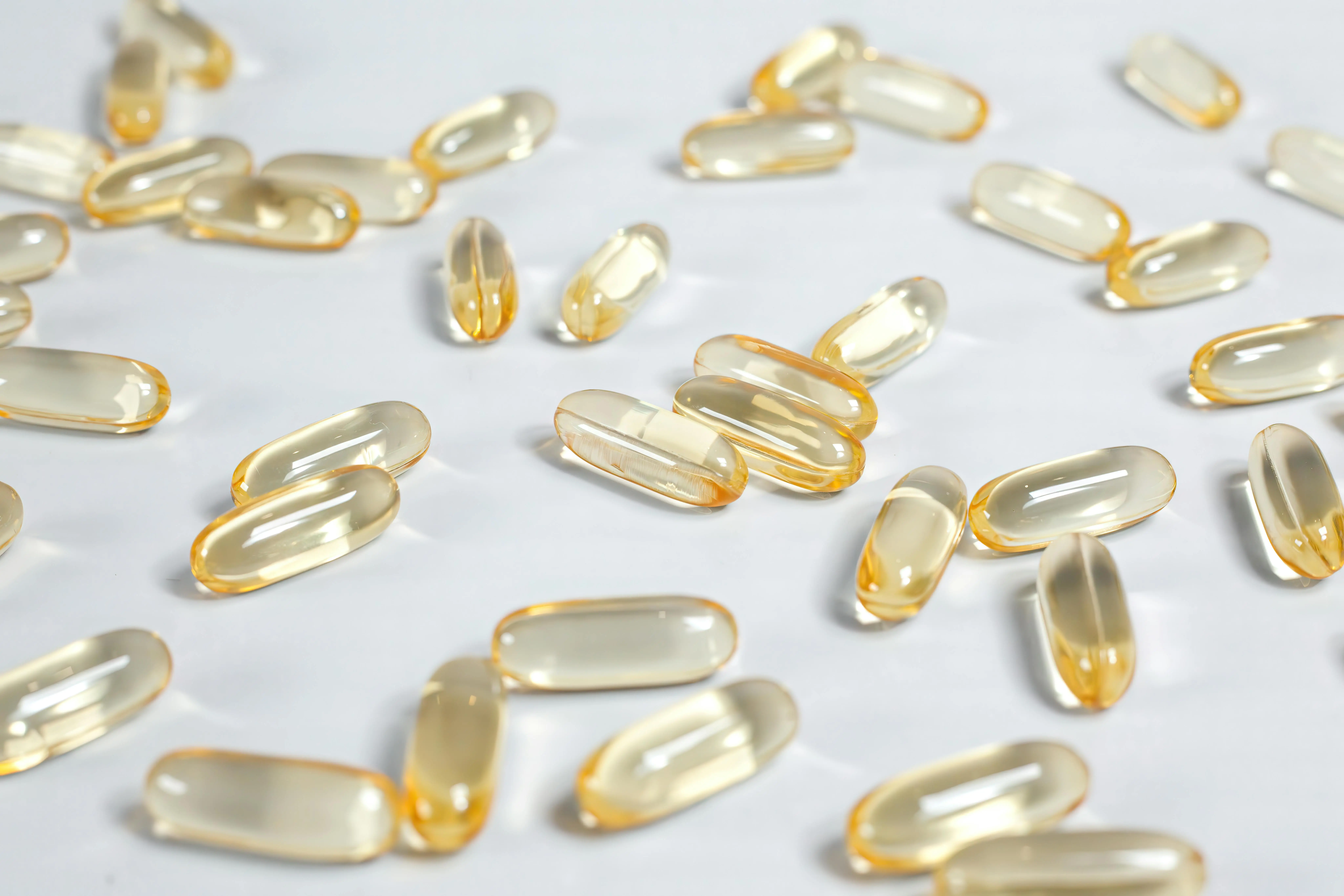
The supplement market around mitochondria and longevity is booming. But what is truly proven - and what is marketing? An objective overview:
Supplement: NMN (Nicotinamide Mononucleotide)
Effect: Precursor to NAD+; boosts NAD+ levels in cells
Research status: Promising in animal and early human studies; no long-term RCTs yet
Supplement: CoQ10 (Ubiquinol)
Effect: Electron transport in the respiratory chain; strong antioxidant
Evidence: Well-documented for heart failure and statin use; prefer ubiquinol form
Supplement: Magnesium
Effect: Cofactor in over 300 enzymes; essential for ATP synthesis
Study situation: Very well documented; deficiency widespread in Germany
Supplement: Resveratrol
Effect: Activates sirtuins (SIRT1); promotes mitophagy
Study situation: Bioavailability problematic, combination with NAD+ precursors better in studies
Supplement: Alpha-lipoic acid
Effect: Universal antioxidant, supports mitochondrial energy metabolism
Research status: Solid data; especially in diabetes and neuropathic pain
Important: Supplements complement a healthy lifestyle - they do not replace it. Always seek medical advice before taking, especially if existing conditions or medication use are present.
Longevity - a long, healthy, and vital life - is not a product of chance. It is largely the result of choices made daily. And mitochondria are at the center of it. Many of the most effective longevity strategies are free or inexpensive and directly target mitochondrial health.
Scientists such as David Sinclair (Harvard) or Valter Longo (USC) repeatedly point to the same pillars: regular exercise, caloric moderation or fasting, adequate sleep, stress reduction, and targeted supplementation. There is also a social component - close relationships and a sense of meaning in life are as strong predictors of health in old age in long-term studies as physical factors.
Anyone who understands mitochondria as a metaphor for cellular health quickly realizes: Longevity is not a matter of biotech wonders or expensive supplements alone. It is the sum of small, consistent decisions - daily, over decades.
How can one recognize weak mitochondria?
Typical signs of mitochondrial dysfunction include chronic fatigue despite adequate sleep, concentration problems, slowed recovery after exercise, frequent infections, and a general feeling of listlessness. Lab values like CoQ10 levels, lactate, or oxidative stress can provide additional clues - a check-up with a doctor is recommended.
How quickly do lifestyle changes affect mitochondria?
Amazingly fast: The first measurable changes in mitochondrial enzyme activity can be detected after regular training within just two to four weeks. Structural changes - a real increase in mitochondrial density - are documented after eight to twelve weeks of consistent training.
Is NMN really as effective as claimed?
NMN is one of the most promising substances in longevity research - but studies on humans are still limited. Animal studies show impressive results. Initial human studies confirm safe intake and an increase in NAD+ levels. Whether this leads to measurable anti-aging effects is the subject of ongoing research. NMN should be understood as a lifestyle supplement - not a miracle cure.
Who is longevity optimization particularly relevant for?
Basically, everyone benefits - but the earlier you start, the greater the long-term effect. The topic is particularly relevant for people aged 35 to 40, as NAD+ levels and mitochondrial efficiency begin to noticeably decline at this age. It is also worth addressing the topic early in cases of chronic fatigue, metabolic diseases, or a family history of cardiovascular or neurodegenerative diseases.
Do you need supplements to strengthen mitochondria?
No. Exercise, sleep, nutrition, and stress management are the basis - and completely sufficient for most people. Supplements can be a useful addition, especially if deficiencies are present (e.g., magnesium, CoQ10 with statin use) or if the lifestyle is already optimized and a further step is desired. However, they never replace the basics.
Mitochondria are far more than energy producers - they are molecular control centers that determine how we age and how vital we feel. The science is clear: Those who support their mitochondria through exercise, targeted nutrition, sleep, and wisely chosen supplements invest in longevity at the cellular level. No supplement in the world can replace an active lifestyle - but the combination of both may be the most effective anti-aging strategy available today.