© Freepik
December 17, 2025
Marie Hein
From preparation to proper technique: Ice bathing expert Dr. Josephine Worseck reveals how ice bathing trains the cardiovascular system, releases noradrenaline, and builds mental strength
There were many reasons not to get into this ice-cold water. Josephine Worseck, a PhD molecular biologist and then still working for a biotech company, had enough of them that day: too many emails, too little time, no swimwear. And yet she got in. A brief moment that turned out to be a turning point.
Spontaneous overcoming led to a career change, as today she is one of the most famous cold specialists in Germany, is an ice bathing trainer, yoga teacher, author, and founder of the ICE Academy. Since 2024, she has been training ice bathing coaches here and accompanies people daily who want to freeze consciously rather than by chance.
In the interview, she talks about why two minutes in ice-cold water can change more than you think, why intuition is sometimes more important than the thermometer, and how cold exposure can make us mentally stronger.
Hand on heart: What was the first time in ice water really like?
Above all, not as bad as I thought. And the feeling afterwards never left me: I was happy, full of energy, and euphoric.
Ice bathing is very popular right now: You see ice tubs on balconies, there are real communities in many cities that go into lakes together. What makes people so addicted to the cold?
It's probably exactly that feeling afterwards. That also helps in drizzle, by the way. You have to imagine it like sports: You don't always feel like it, but you know how good it is for you afterwards.
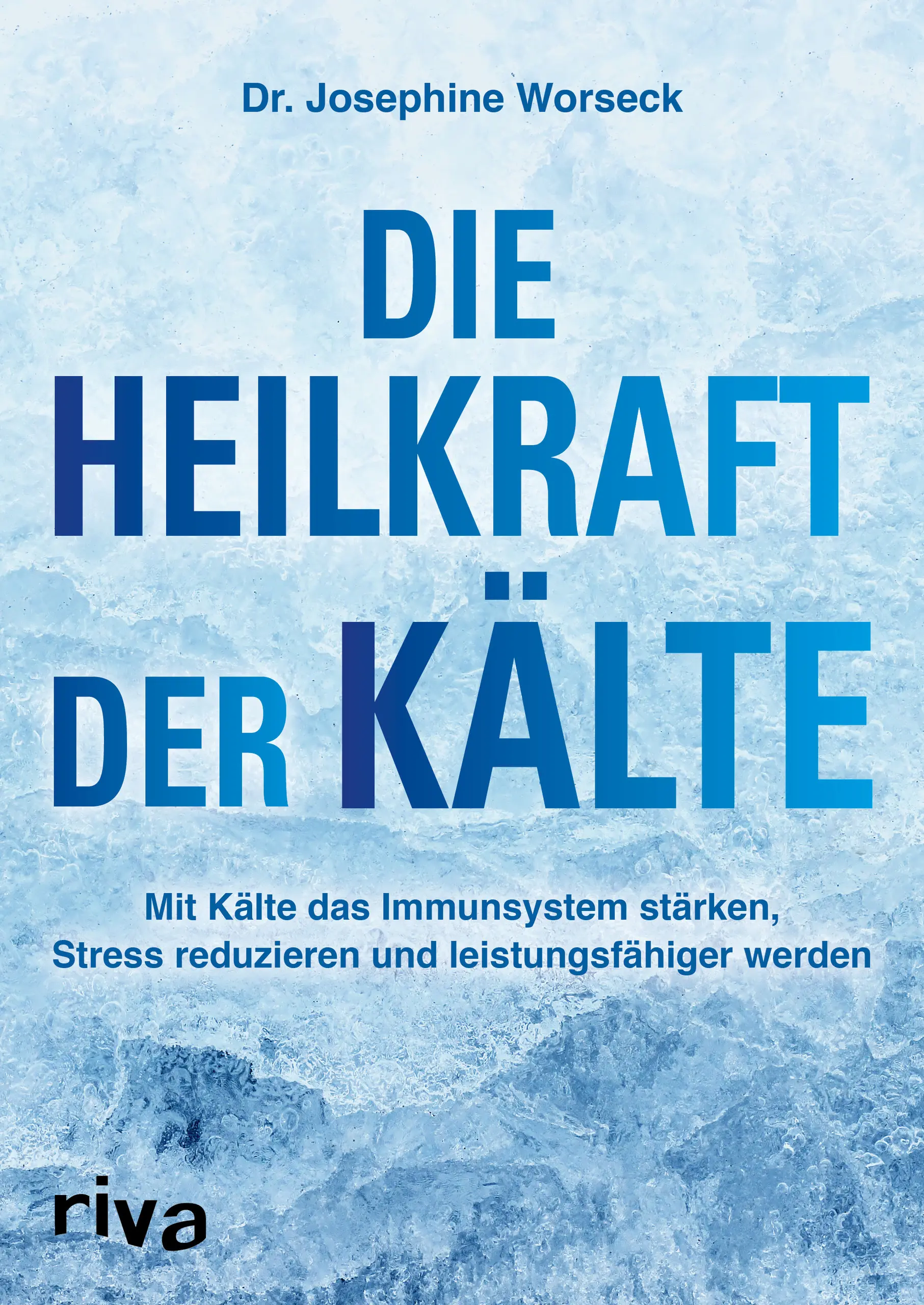
You have researched how well extreme cold benefits the body for many years and described it in your book "The Healing Power of Cold." Which positive effects are the most important to you?
On the one hand, the body releases noradrenaline, both the first and the thousandth time. It has an anti-inflammatory effect, activates brown adipose tissue and thus the metabolism, lifts the mood, and makes you more focused. Moreover, ice bathing supports recovery after sports and is an excellent cardiovascular training: In cold, blood vessels constrict, in warmth, they dilate again. This change promotes circulation and is a real workout for the heart and circulation.

© PR
Highly recommended: The Healing Power of Cold by Dr. Josephine Worseck
That does sound fantastic, of course. But you probably shouldn't just jump into the cold water, right?
Absolutely not! Especially not on January 1st, completely hungover but with good New Year's resolutions. The most important thing is preparation. I would recommend starting with cold showers and gradually increasing it. If it feels good, you can take a 15-degree cold bath. This way, you already have many positive effects and are in a safe setting. If that works well, you can cool it down to 10 degrees. For temperatures below that, I would always advise finding someone with experience. That can be a friend, a
Ice bathing community, or a coach. For ice bathing to have lasting health effects, you must regularly and controlled expose yourself to the cold. It's like eating salad: once a month is nice, but only has limited effects.
Let's say I've prepared well and am standing in front of my ice water. What do I do then?
The shortest instruction would be: Stand in front of the bath, close your eyes, take three deep breaths through your nose into your belly, and relax your shoulders as you exhale. A small sigh often helps to prepare the body for what's coming. It's important to mentally prepare as well and ask yourself: Why am I doing this? What is my intention in entering the water?
And how does it continue after that?
Then you walk in slowly. First up to your hips, then your shoulders go under water. The goal now is to calm your breathing. Ideally, count 24 breaths, which corresponds to about two minutes and the absolute maximum in ice water for beginners. Then walk out again, dry off, get dressed. No alcohol, no headstands, no jumping jacks. And no immediate sauna or whirlpool afterwards, as it disrupts the cardiovascular system.
Is there a rough guideline for beginners on how long they should stay in the water?
The rule of twos: twice a week, a maximum of two minutes, and always go into the water with someone else. If you can manage that, you've already covered the most important benefits.
However, the key is your own body awareness. We are all different, with various life realities, challenges, and health conditions. In the end, each person must feel for themselves what is beneficial and what is not.
As the name suggests, ice bathing means bathing in ice. What do you do if you don't have a lake, pool, or ice bath nearby?
A certain cold stimulus on the skin is enough to achieve similar effects. Air temperatures below 18 degrees also trigger a release of noradrenaline. So you can simply stand on the balcony as lightly dressed as possible. If you don't like that but still want to do something for your cardiovascular system, you can also take contrast showers.
Does that mean I don't actually have to go into ice water?
This is where intuition comes into play. The "ICE" in our academy stands for "Intentional Cold Exposure", meaning cold exposure with intention. My partner, co-founder, and I believe that motivation is crucial. That's why you should always ask yourself beforehand: What is my good reason for getting into cold water today? For recovery after sports, studies suggest it's best to go into ten-degree cold water for ten minutes.
For mental training, that is, stress resilience, an ice bath between two and five degrees is suitable because the mental challenge is greatest here. If you shy away from the cold but want to do something for your cardiovascular system, you can, as mentioned, also take contrast showers.
Ice bathing is particularly celebrated as mental training. In what way can it also be anti-stress training?
Initially, the body experiences a strong stress impulse: the sudden cold stimulus activates the sympathetic nervous system, we enter a kind of flight mode, breathing and pulse shoot up. With regular practice, however, one learns to consciously switch to calm nasal and abdominal breathing.
This signals to the nervous system: everything is fine, and we switch to the parasympathetic mode in which the body regenerates. This switching in the middle of the stress stimulus is great training. Those who practice this regularly can react more calmly even in stressful professional situations because they have learned to create inner peace, even if the outside remains turbulent.
The question of whether women should be particularly careful when ice bathing is controversially discussed. Often with the argument that cold water can upset the hormonal balance. What do you say about this as a molecular biologist?
I have not yet found a study that shows ice bathing hormonally harms women. Often studies are referenced that do not provide evidence for this. What you actually see: women start shivering sooner and have a higher subjective comfort temperature. However, if you normalize the values to body volume and surface, these differences disappear. Thus, body mass is more important than gender. A lighter man may freeze faster than a woman with more muscle or fat mass. This shows: gender alone says little about how well someone tolerates cold.
Does that mean the cycle is not affected by ice bathing?
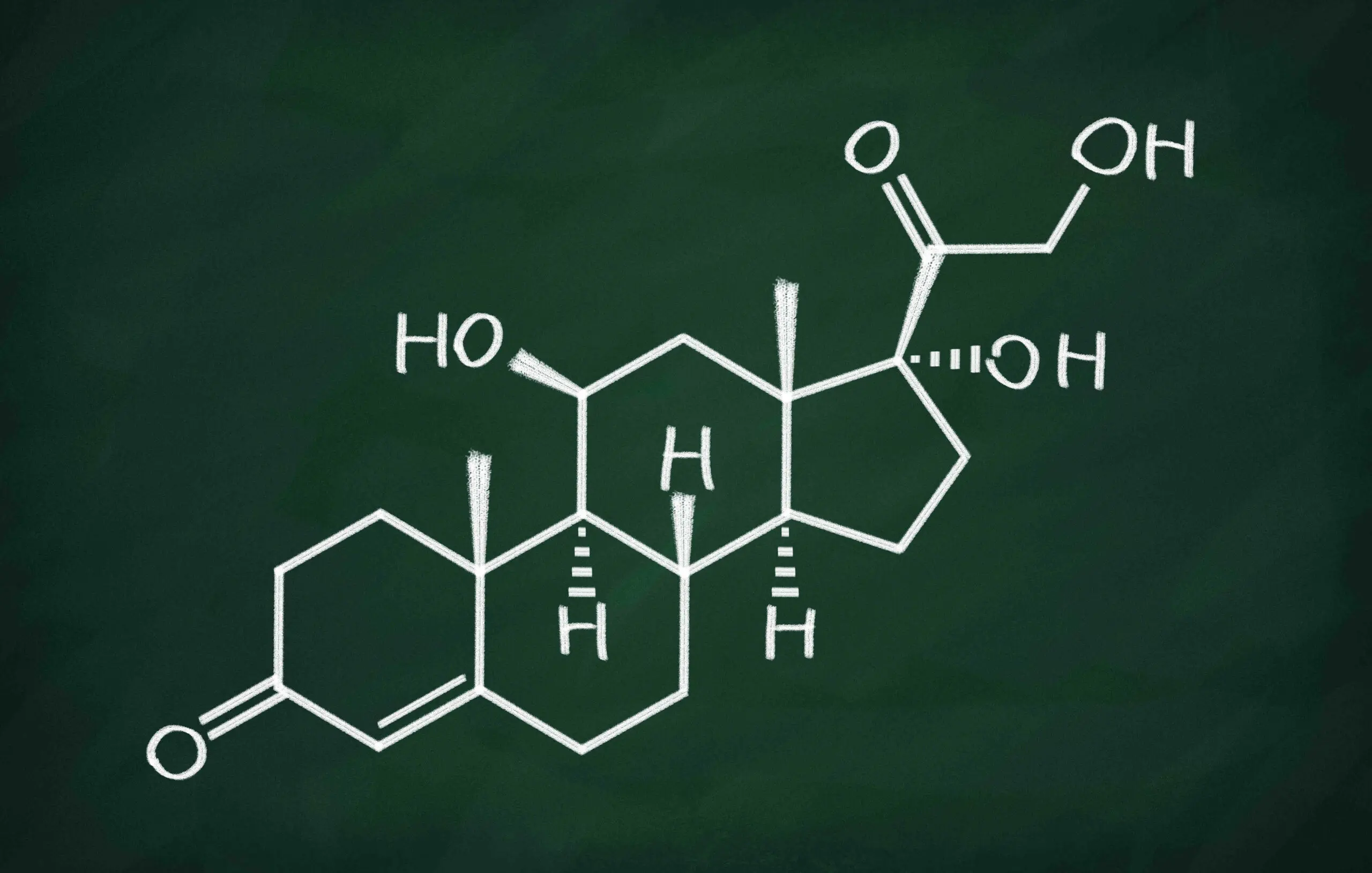
A lot is claimed, but I have not found clear evidence. The core body temperature rises slightly in the second half of the cycle, some derive higher cold sensitivity from this. There is no clear data for this either. In the end, we are so different as women that body feeling is more important than any blanket statement. For many – including me – ice bathing can even relieve PMS symptoms in the second half of the cycle; for others, it might be more strenuous at this stage. Each woman has to find this out for herself. But there are studies showing that ice bathing has a positive effect on cortisol levels.
To what extent?
There is a study on women who regularly do ice bathing, in which the average cortisol level significantly decreases over time. Also, the strong cortisol and adrenaline reaction that you have at the beginning of ice bathing eventually disappears. The body learns not to classify cold as a major threat anymore. It's like the first presentation at school: initially, a racing heart, later you just think: okay, I can do this.
The distinction is important here: Chronic stress in relationships, at work, or in the family is indeed dangerous for hormones. Short controlled stress impulses like cold, heat, or sports are something completely different. They are rather good for us.
Are there people who should be cautious about ice bathing?
A healthy person can, well-prepared and accompanied, ice bathe for two minutes without issues. "Healthy" mainly means: heart and circulatory system healthy. If unsure, do a stress ECG. People with high blood pressure, cardiovascular diseases, or acute infections should not go into the ice water. But a body that can handle climbing stairs or a 90-degree sauna usually copes very well with cold.
More information about Josephine Worseck, the ICE Academy, and an ice bathing cheat sheet can be found on her Website.