© Tara Winstead
January 30, 2026
Sharon Burbat
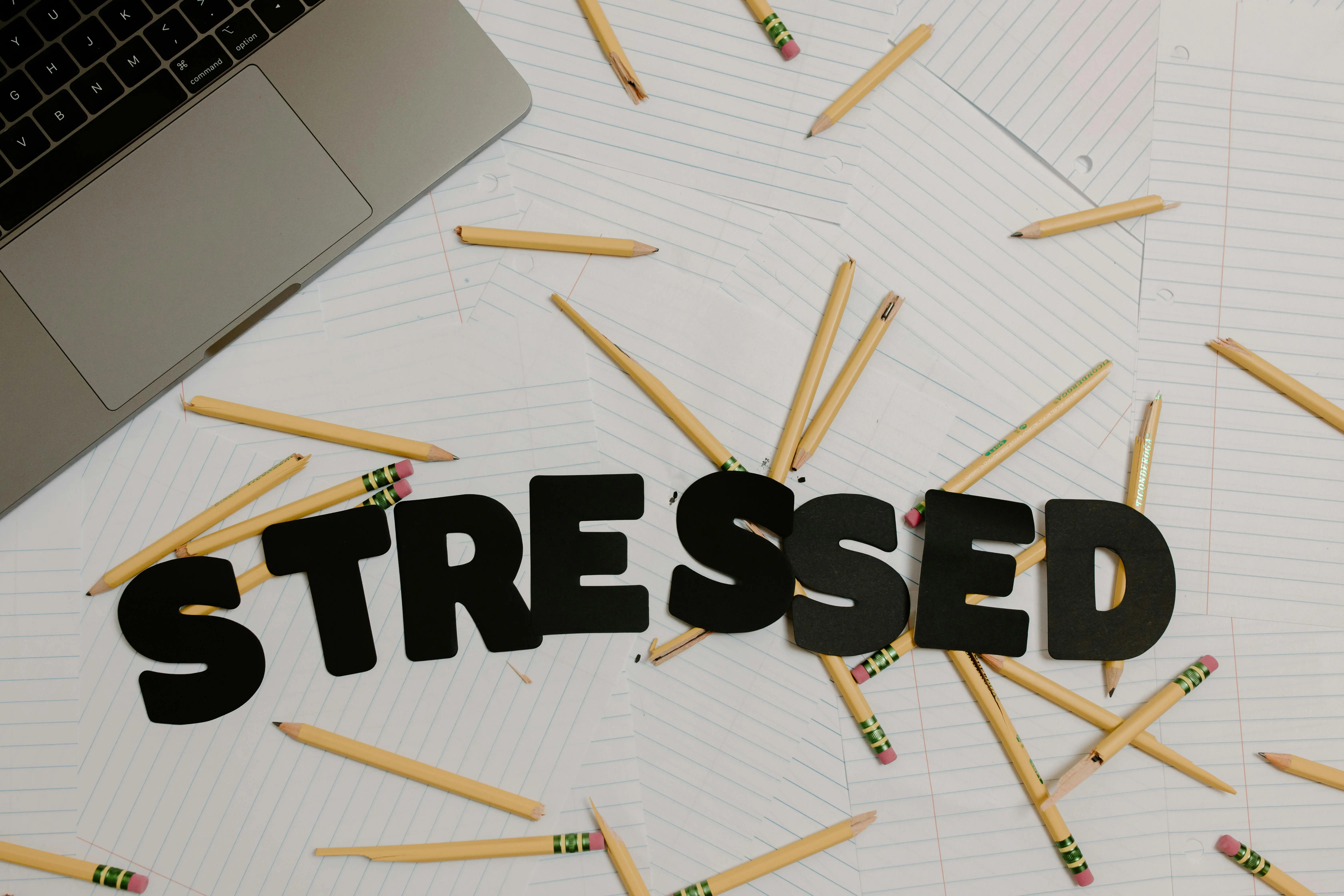
Stress is part of everyday life but doesn't have to be a constant state. We have compiled 10 simple methods to effectively reduce stress and sustainably enhance well-being.
Stress is a part of everyday life for many people. Professional demands, personal commitments, constant availability, and digital overstimulation burden both body and mind equally. Short-term stress can enhance performance, but chronic stress increases the risk of numerous diseases, including sleep disorders, cardiovascular diseases, depression, and burnout. According to a report from 2025, 66% of people in Germany feel frequently or sometimes stressed, while only 8% experience no stress at all.
The good news: There are many simple and effective methods to reduce stress that can be easily integrated into daily life. Here are ten proven strategies that can help reduce stress and strengthen mental and physical health in the long term.
Stress activates the sympathetic nervous system and leads to the release of stress hormones such as cortisol and adrenaline. If this state persists for a long time, the body becomes unbalanced – a risk factor for numerous diseases.
Reducing stress is therefore a central component of modern health prevention.
Breathing is one of the most effective tools for reducing stress. Slow, deep breaths activate the parasympathetic nervous system and promote relaxation. Practical tip: Inhale for 4 seconds, exhale for 6 seconds – and do this for 2-3 minutes. This exercise can be done anytime, even in the office.
Physical activity reduces stress hormones and releases endorphins. Even moderate exercise has a positive effect on the nervous system. Suitable activities include walking, cycling, yoga, and light strength training. Just 20-30 minutes of exercise daily can significantly lower stress levels.
Meditation helps calm the mind and gain distance from stress-inducing thoughts. Short, guided meditations are especially suitable for beginners. Mindfulness in everyday life – such as when eating or walking – can also help to consciously perceive and reduce stress. Many health insurance companies in Germany offer corresponding courses as a preventive measure (§ 20 SGB V).
Constant availability and information overload increase stress. A conscious digital detox can be relieving. Concrete measures: reduce push notifications, set smartphone-free times, avoid digital devices at least an hour before bedtime.
People with high stress levels are significantly more likely to suffer from sleep problems than less stressed individuals. Conversely, good sleep is one of the most important resources for coping with stress. Sleep hygiene tips: Regular sleep times, a calm evening routine, a dark, cool bedroom, and avoiding caffeine in the evening.
Stress often arises from mental overload. Writing down tasks and worries can help clear your mind. Useful strategies include to-do lists, prioritization, realistic daily planning, and checking off completed tasks. These methods reduce the feeling of losing control.
Conversations with trusted people have been shown to reduce stress. Social support strengthens resilience and promotes emotional relief. Even short, regular contacts—by phone or in person—can help reduce stress. In the aforementioned report, 78% of Germans stated that meeting friends and family plays a central role in stress reduction.
Classical relaxation techniques are well-researched and effective. The following methods can be easily learned and applied regularly:
Many people take breaks but use them for new stimuli (e.g., social media). More effective are genuine recovery breaks. These can be stretching exercises, a short walk, a view into nature, and quiet moments without input.
Stress often results from expectations and demands exceeding one's own capacities. The State of research: Chronic stress negatively affects mental health, especially in people with little social support and high burdens, such as with an increased risk of depressive symptoms and sleep disorders.
Reflection questions:
In the work environment, time pressure, information overload, and constant accessibility play a big role. Work, school, or university are often cited as major stress factors. Small changes can make a big difference here: clear work hours and breaks, defining email times, avoiding multitasking, short breathing or movement exercises between appointments. Healthy stress management not only improves well-being but also performance.
Not all stress can be managed alone. Persistent or overwhelming stress can be a sign to seek professional support. This includes medical advice, psychological support, and stress management programs. Early intervention can prevent stress-related issues from becoming chronic.
Reducing stress is not a luxury but a necessity for health. The ten simple methods presented show that effective stress reduction doesn't have to be complicated. Even small, regular changes in everyday life can have a big impact.
Those who learn to recognize stress early and counteract it specifically not only strengthen their mental health but also their physical well-being – long-term and sustainable.