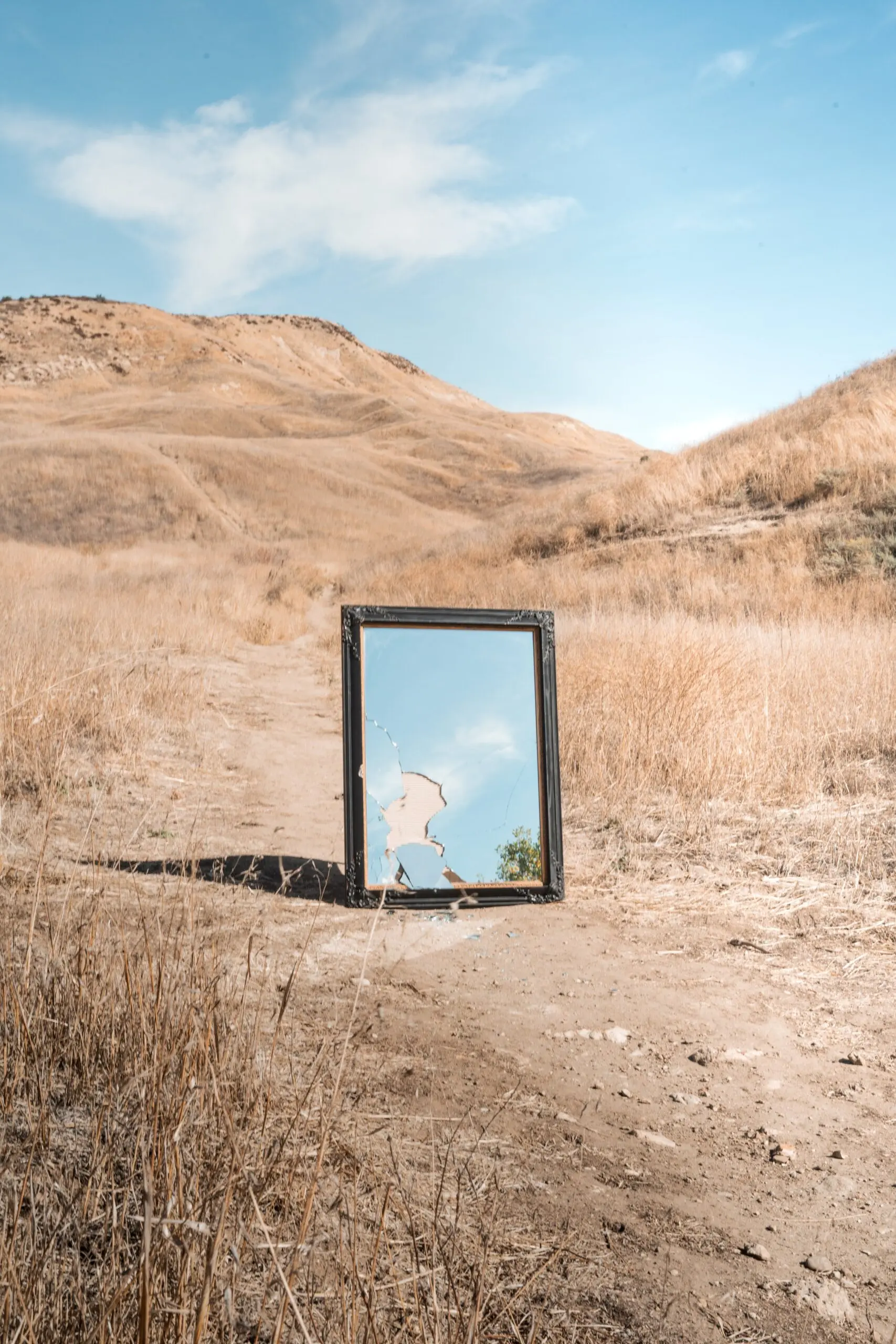
© Scott Neil
How and where can doctors switch off and recharge?
June 3, 2024
Judith Cyriax
From digital detox to karate training - even doctors need a reset sometimes. Seven members of the Premium Medical Circle share their personal recipes against overload and stress.
With experts from our network
The everyday life of doctors and female doctors is characterized by a high workload, immense responsibility, and extreme stress and pressure. Often they have to push themselves to their limits. How do medical professionals manage to regain balance, unwind, and recharge?
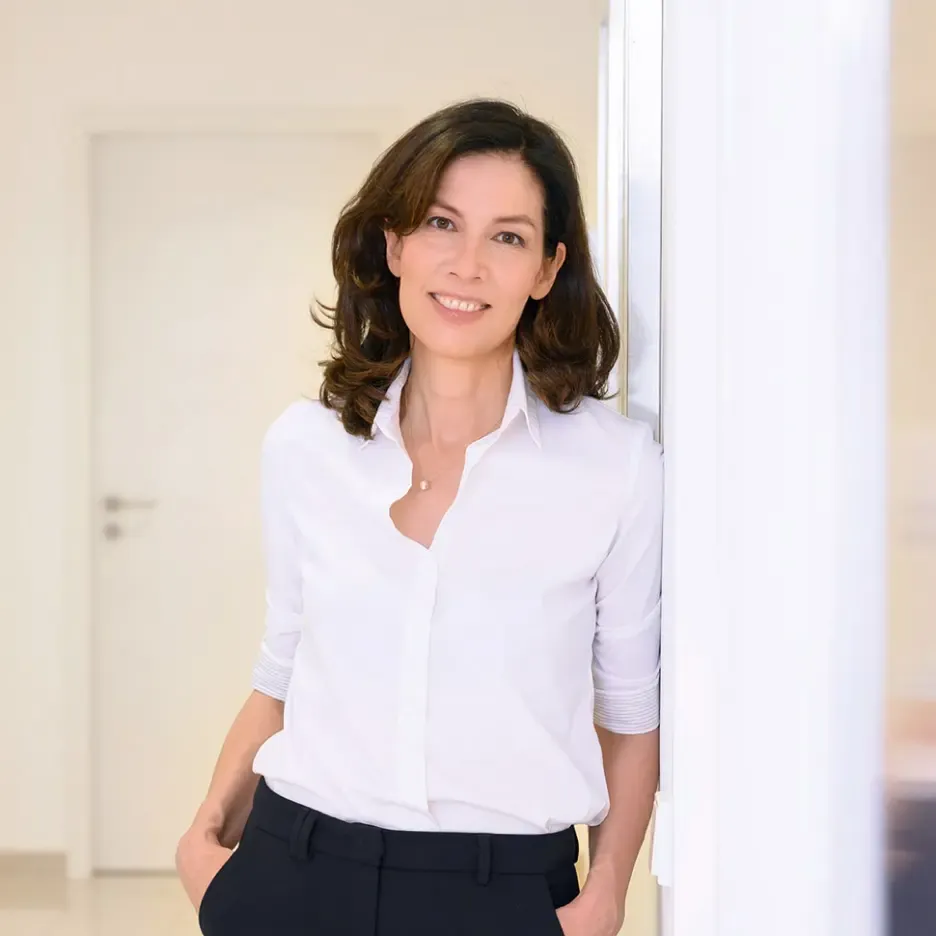
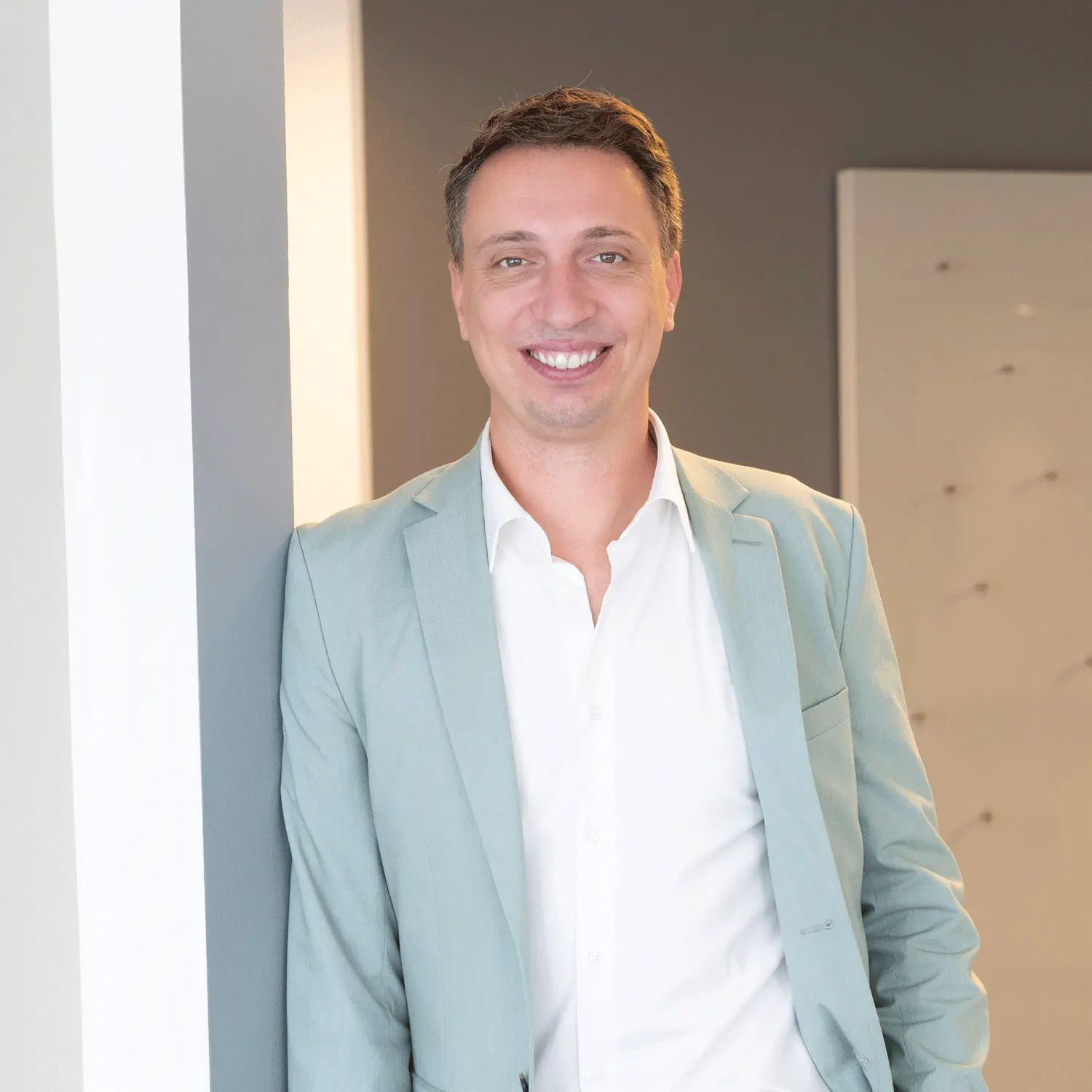
Dr. Caroline Kim, Plastic-Aesthetic Surgeon
"For me personally, small breaks to recharge are important. My profession requires the highest concentration and is physically demanding, so I need to get enough sleep and sometimes just do nothing to regenerate. A positive basic attitude is essential for self-healing. A good, calm attitude makes you healthy, a constantly negative, bitter one makes you sick."
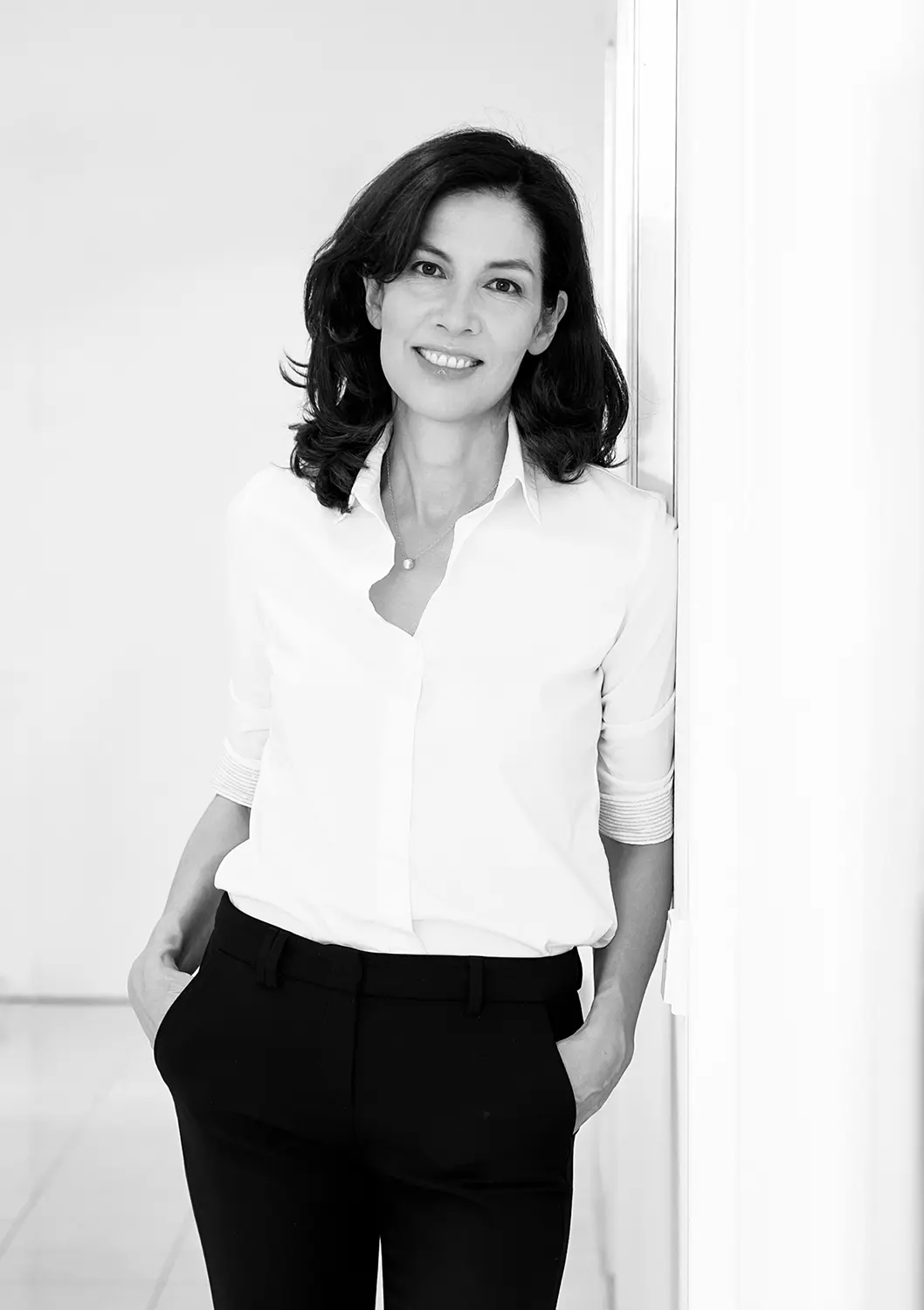
Dr. Karoline Kim
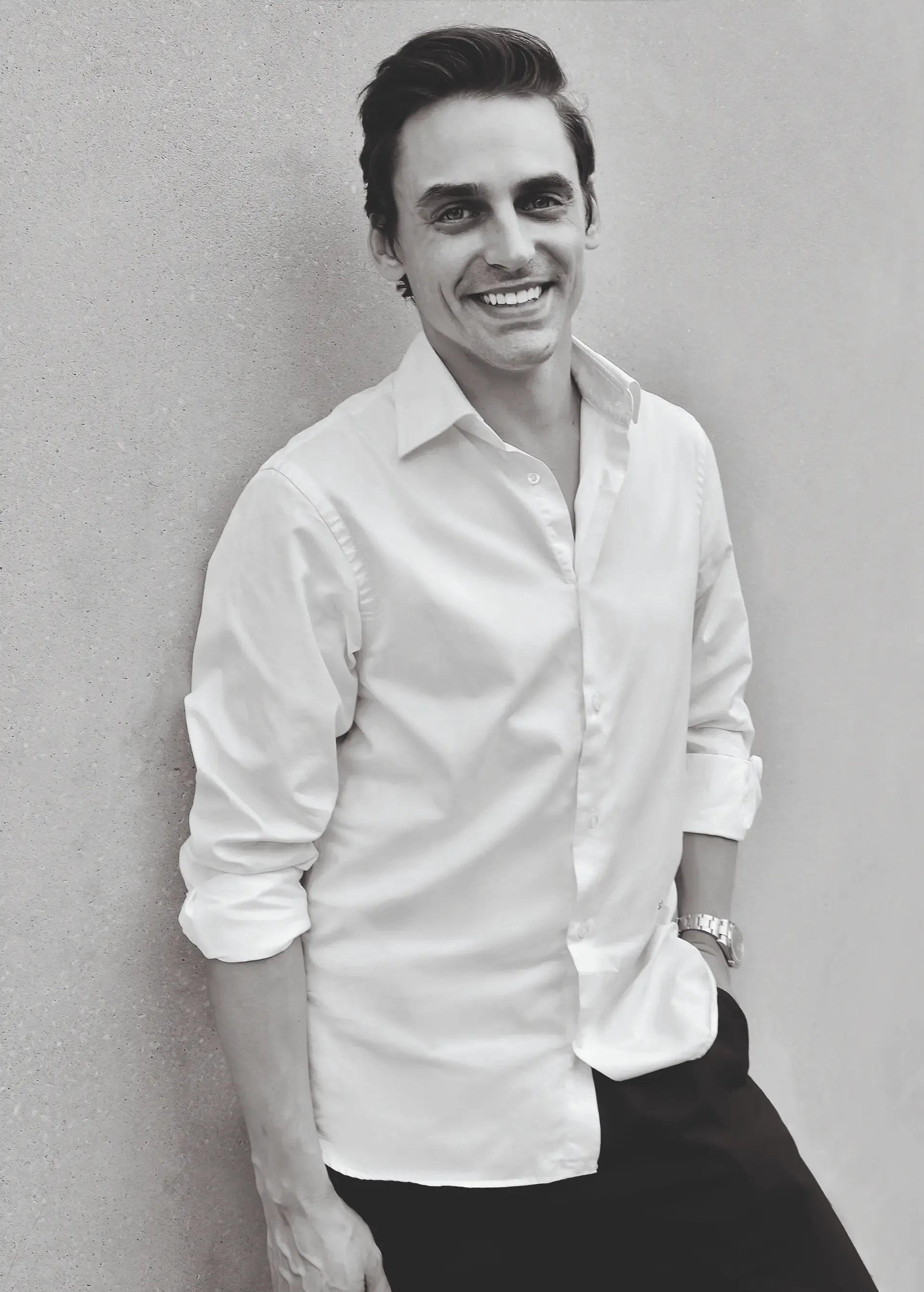
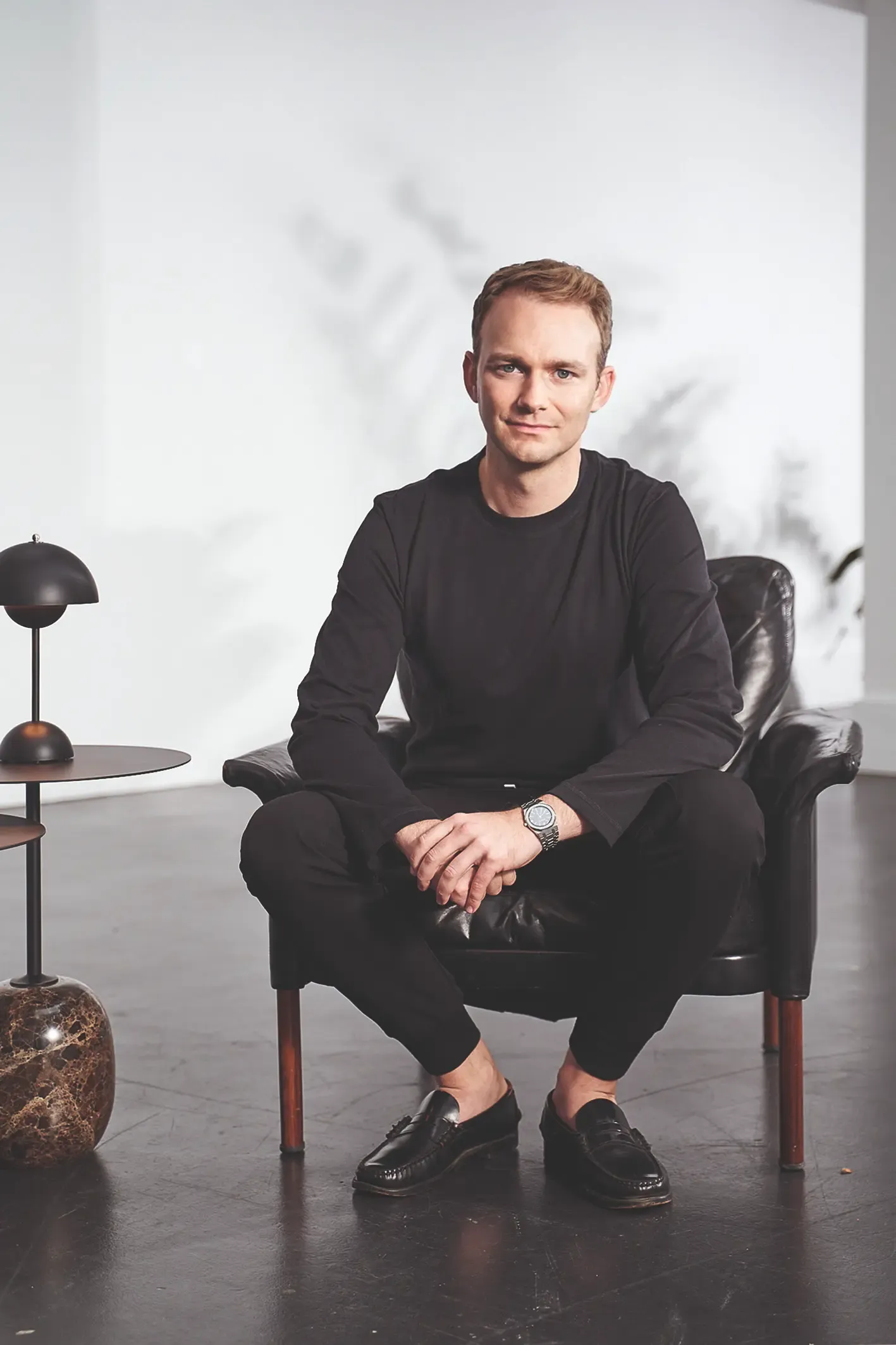
Dr. Sven Tomalla, Dentist
"In the stressful everyday life, using the little time for what satisfies and makes me happy: time with friends and family. I can relax especially well while golfing – a calming sport where you have to concentrate and focus. That's exactly what quickly calms me down and removes me from any hustle and bustle."
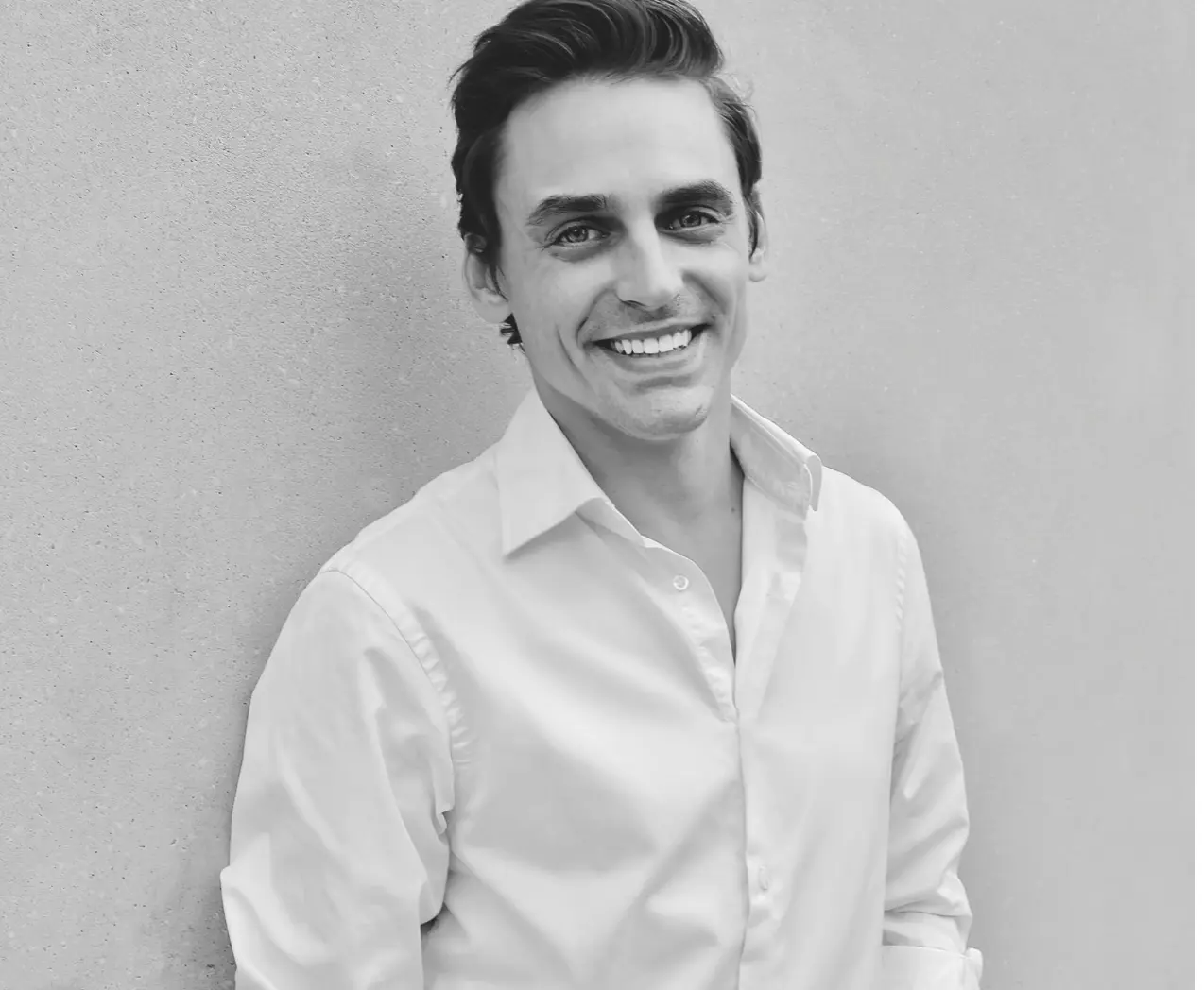
Dr. Sven Tomalla
Dr. Lukas Kohler, Plastic-Aesthetic Surgeon
"They say health is not the absence of illness, but health is the mental and physical state of well-being. And to hopefully maintain this state permanently in my life, my closest friends, who definitely have healing powers for me, help me best."
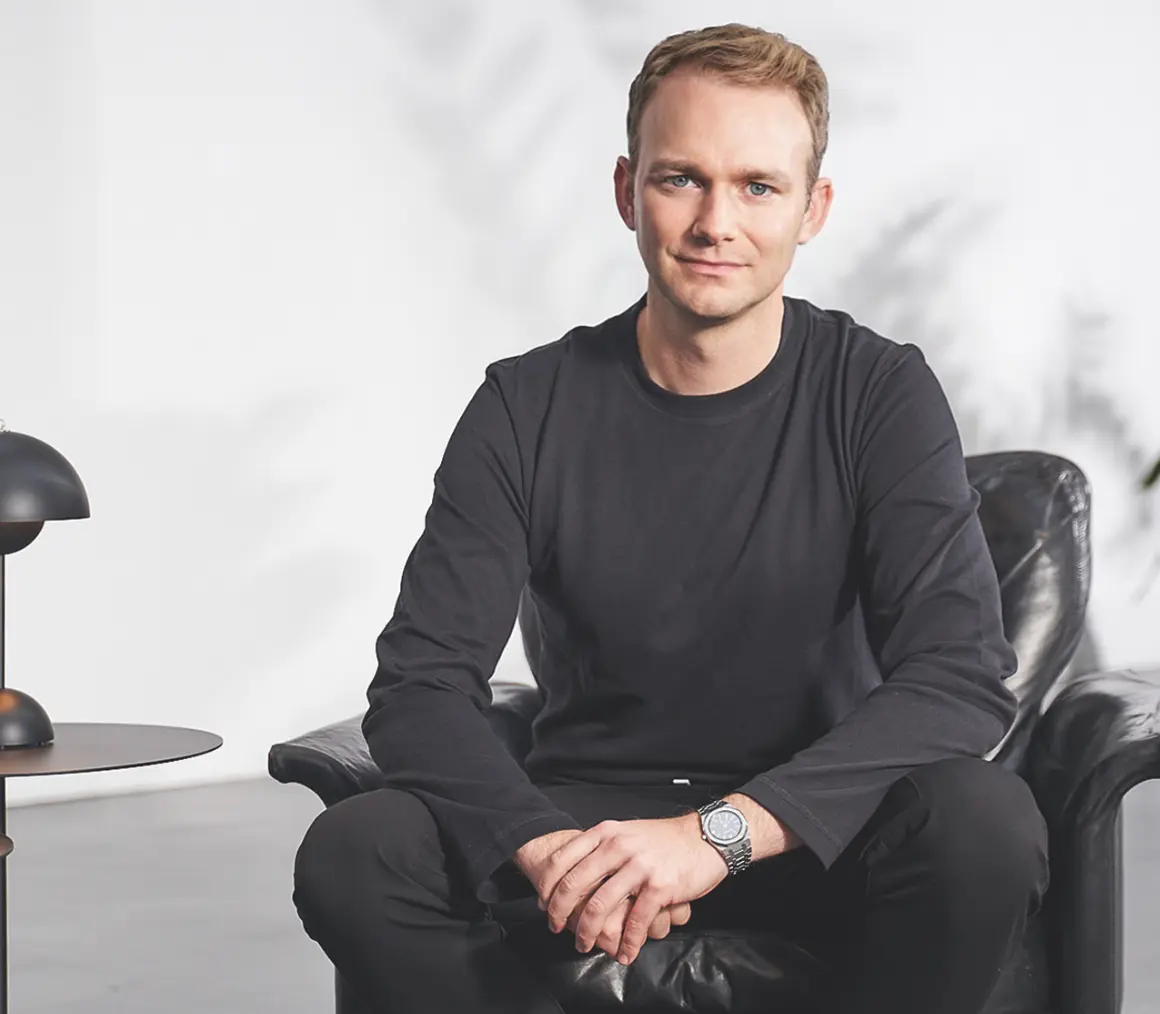
Dr. Lukas Kohler
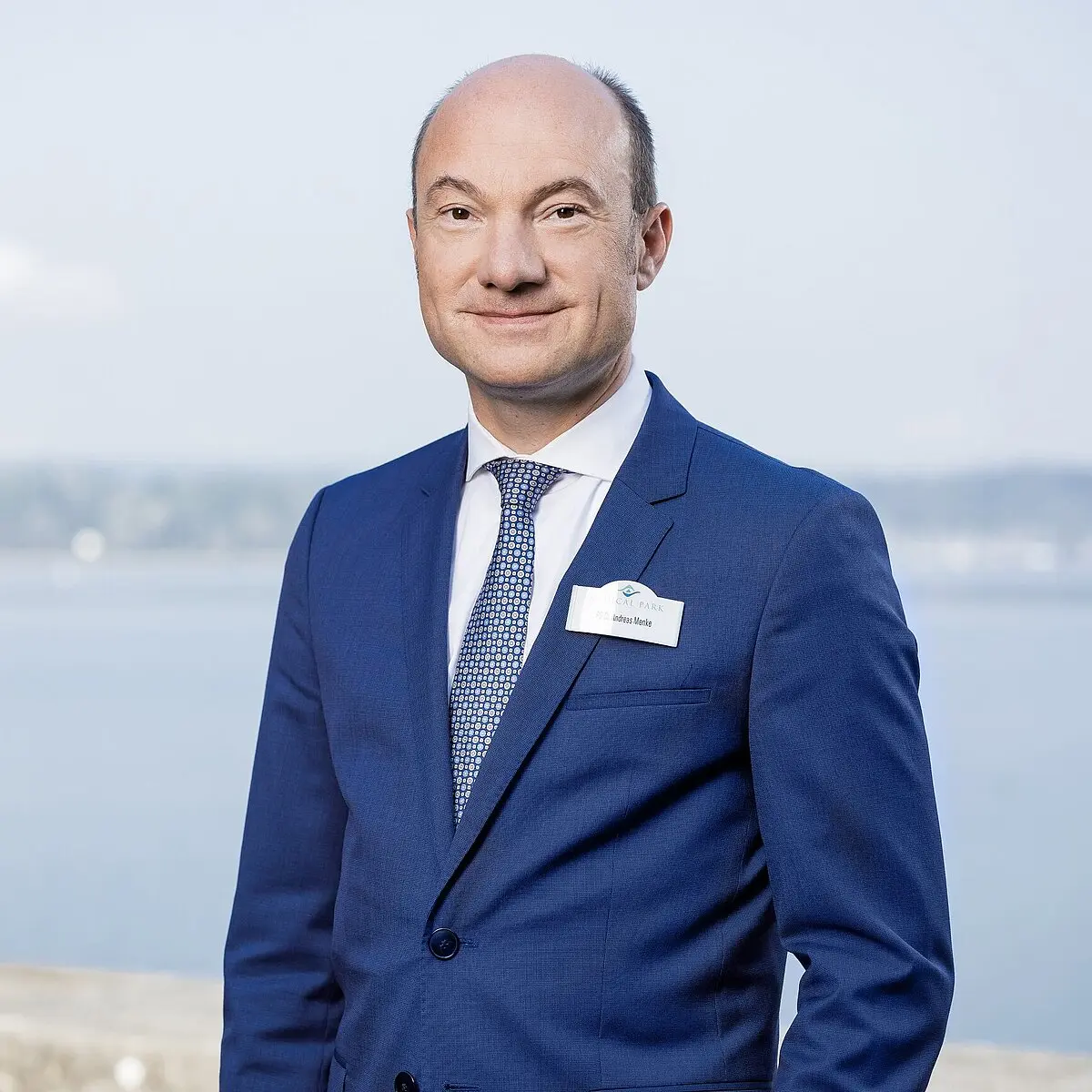
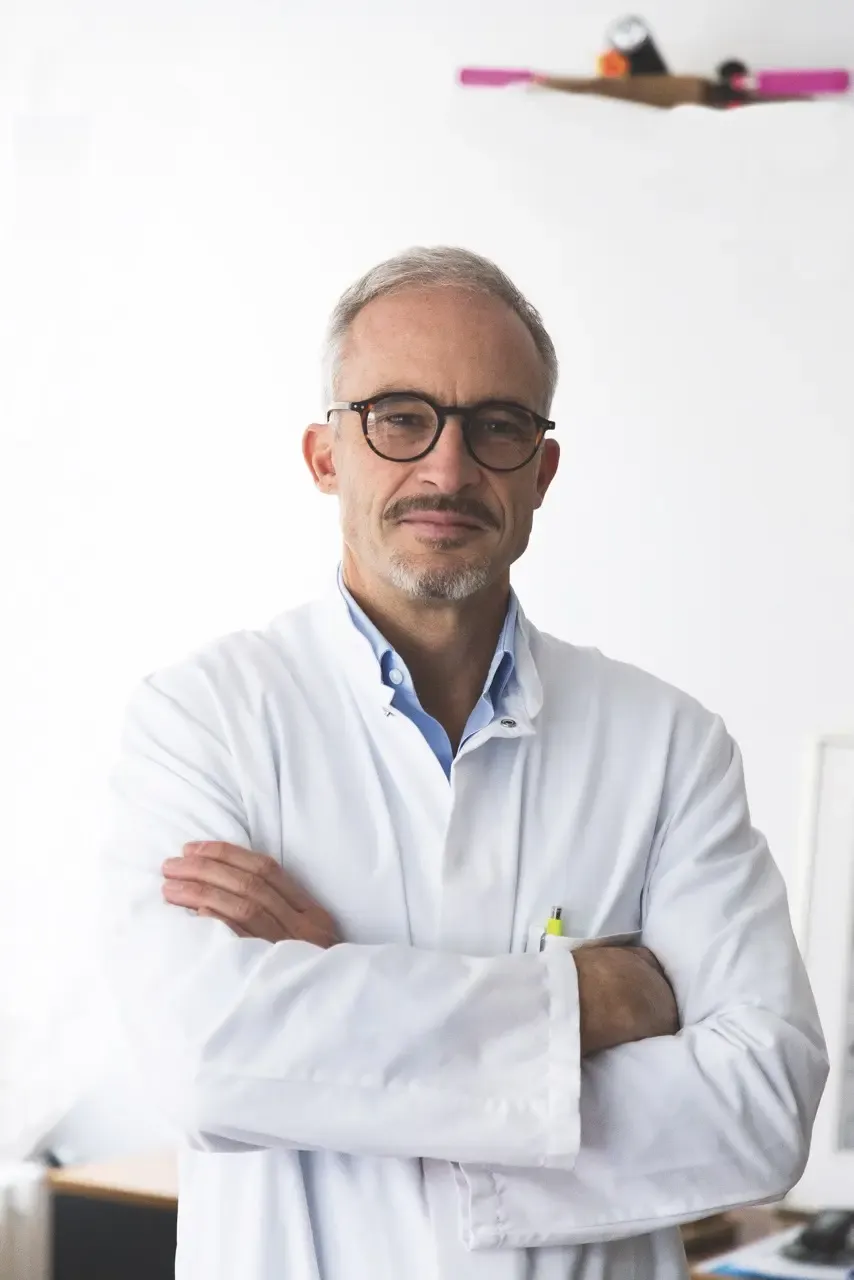
Prof. Dr. Andreas Menke, Medical Director and Chief Physician, Medical Park Chiemseeblick
For me, getting enough sleep is one of the most important things. I immediately notice if I sleep too little, it doesn't do me any good. Sport also plays a big role in my well-being – I run a lot and have now started karate. I also make sure to eat healthily and surround myself with nice, positive people.”
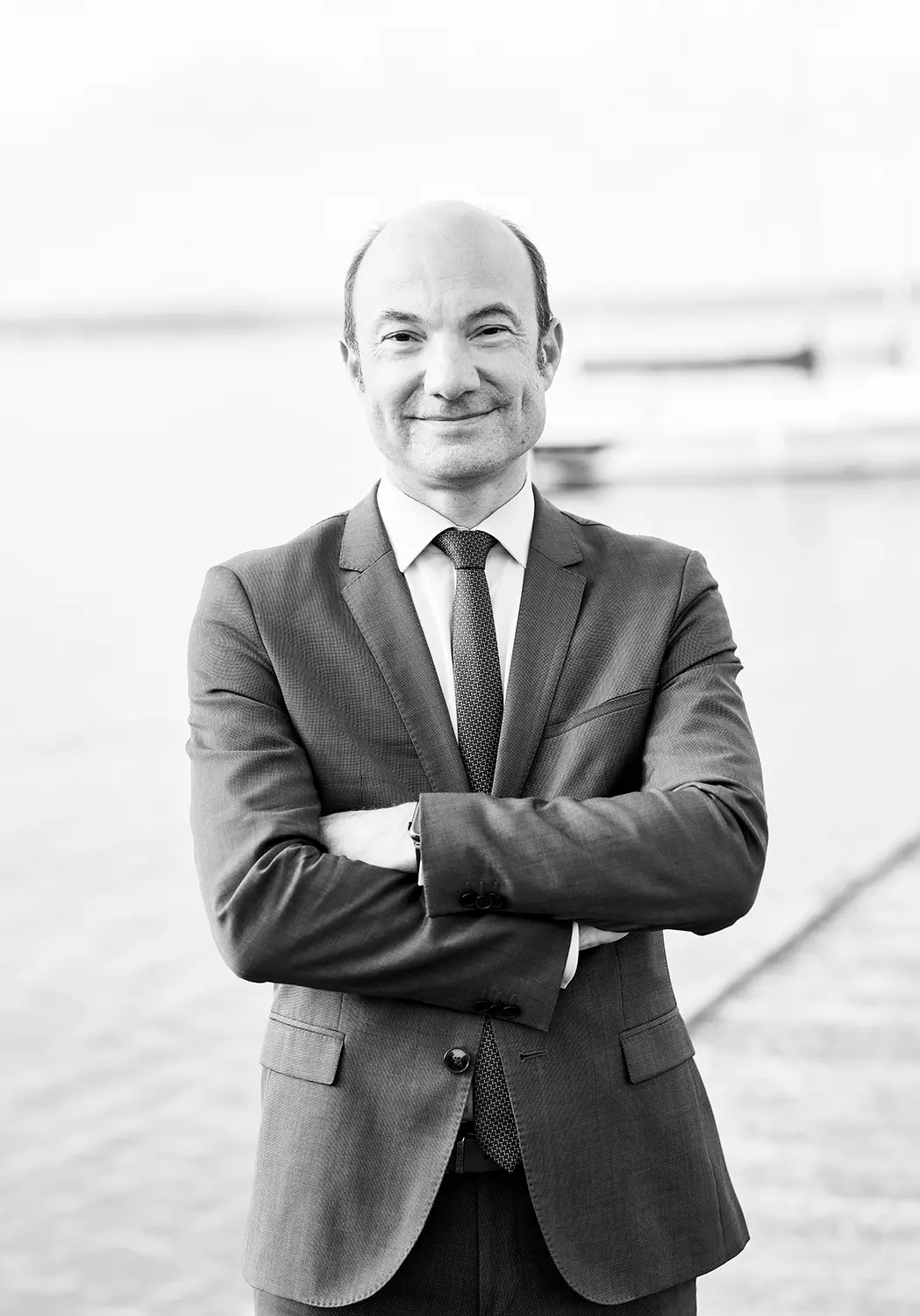
Prof. Dr. Andreas Menke
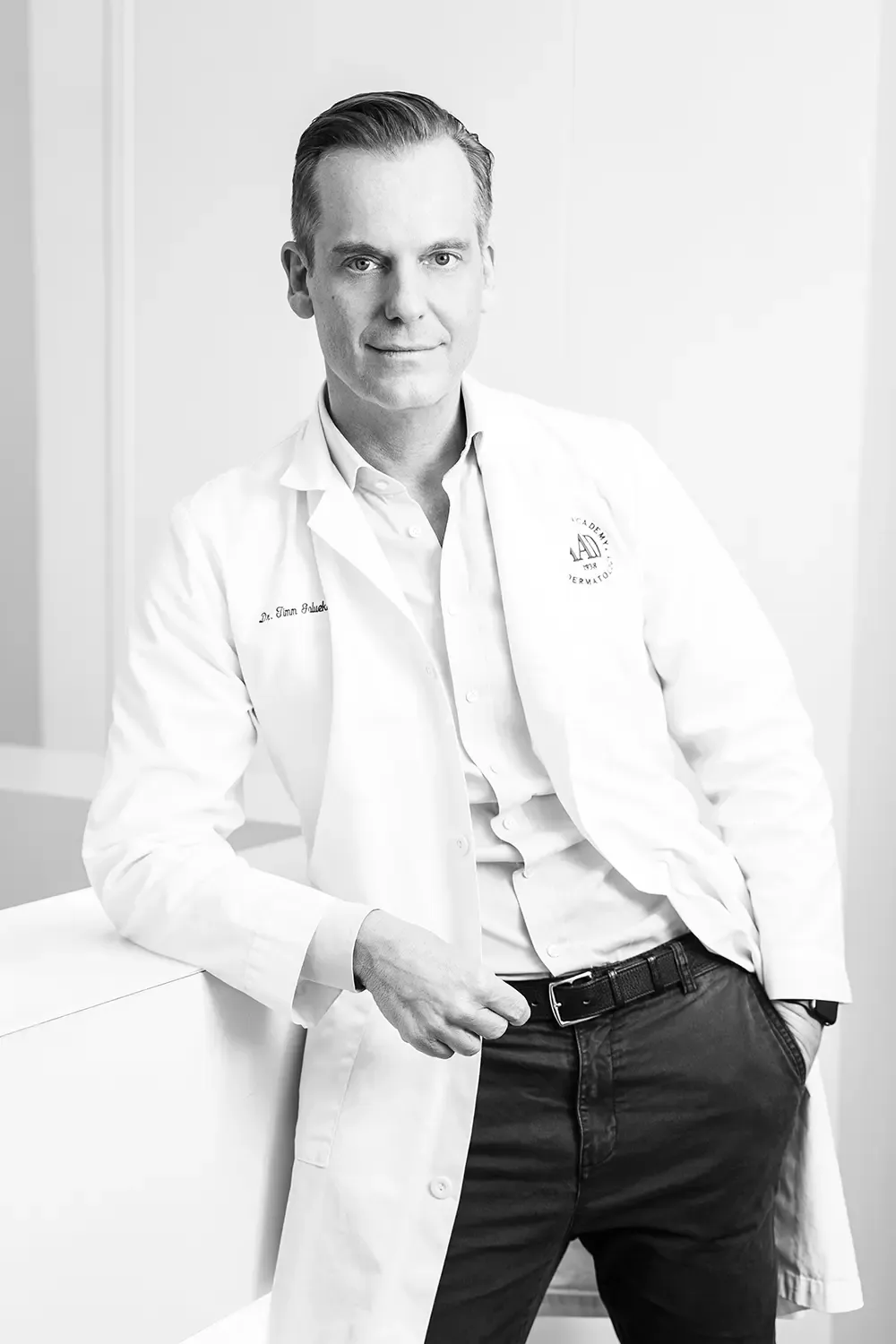
Dr. Timm Golüke, Dermatologist
"Sport and nature play a big role for me to stay mentally and physically healthy. Family and friends are just as big supports as self-reflection, for which I always put myself in the hands of reputable coaches."
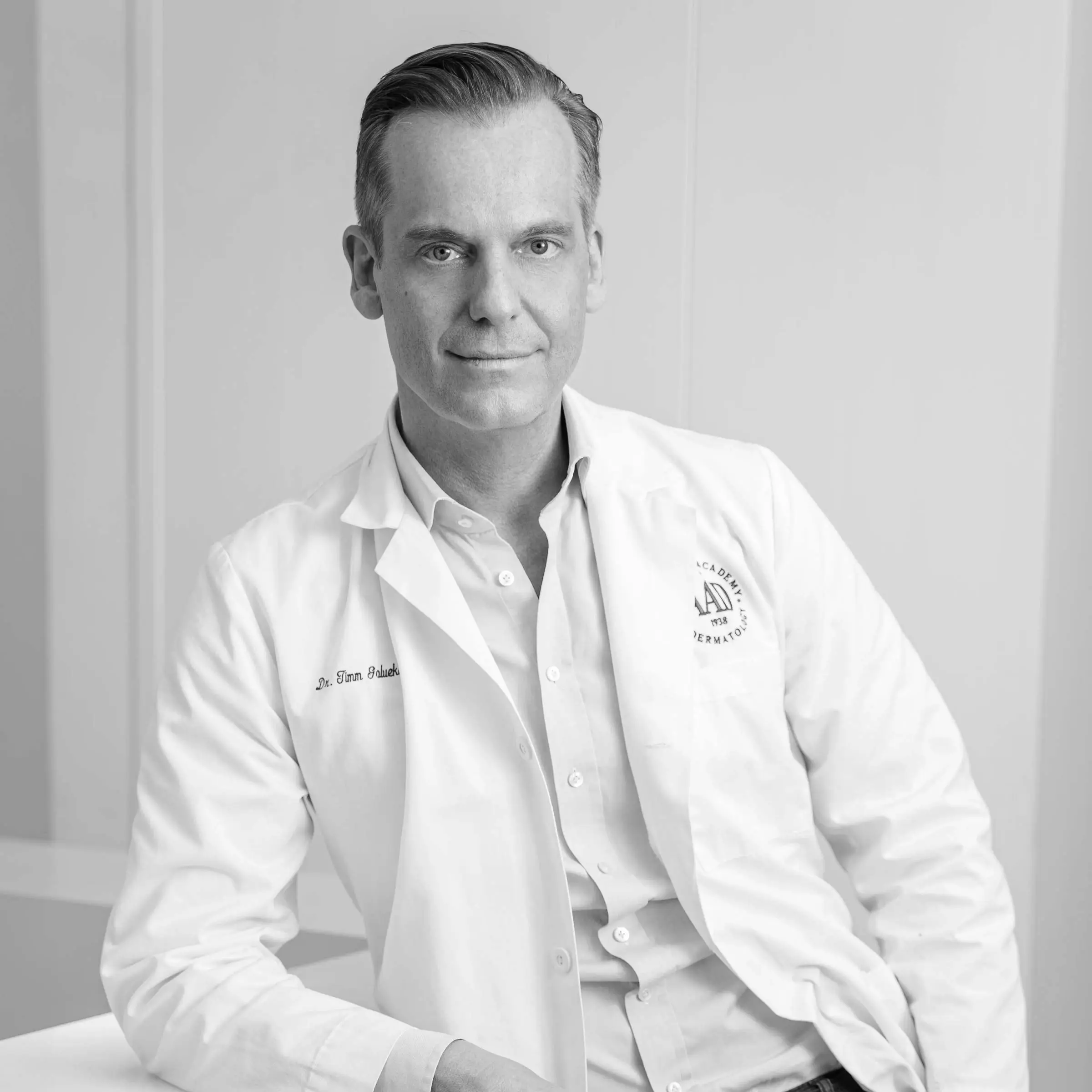
Dr. Timm Golüke, Dermatologist
Dr. Johannes Gonnermann, Ophthalmologist
I would say, these are the classics, such as adequate sleep, family, friends, a balanced diet, and exercise. If I don't manage to exercise – I'm an enthusiastic rower – I immediately notice that it's not just my body that doesn't feel well, but also my soul.
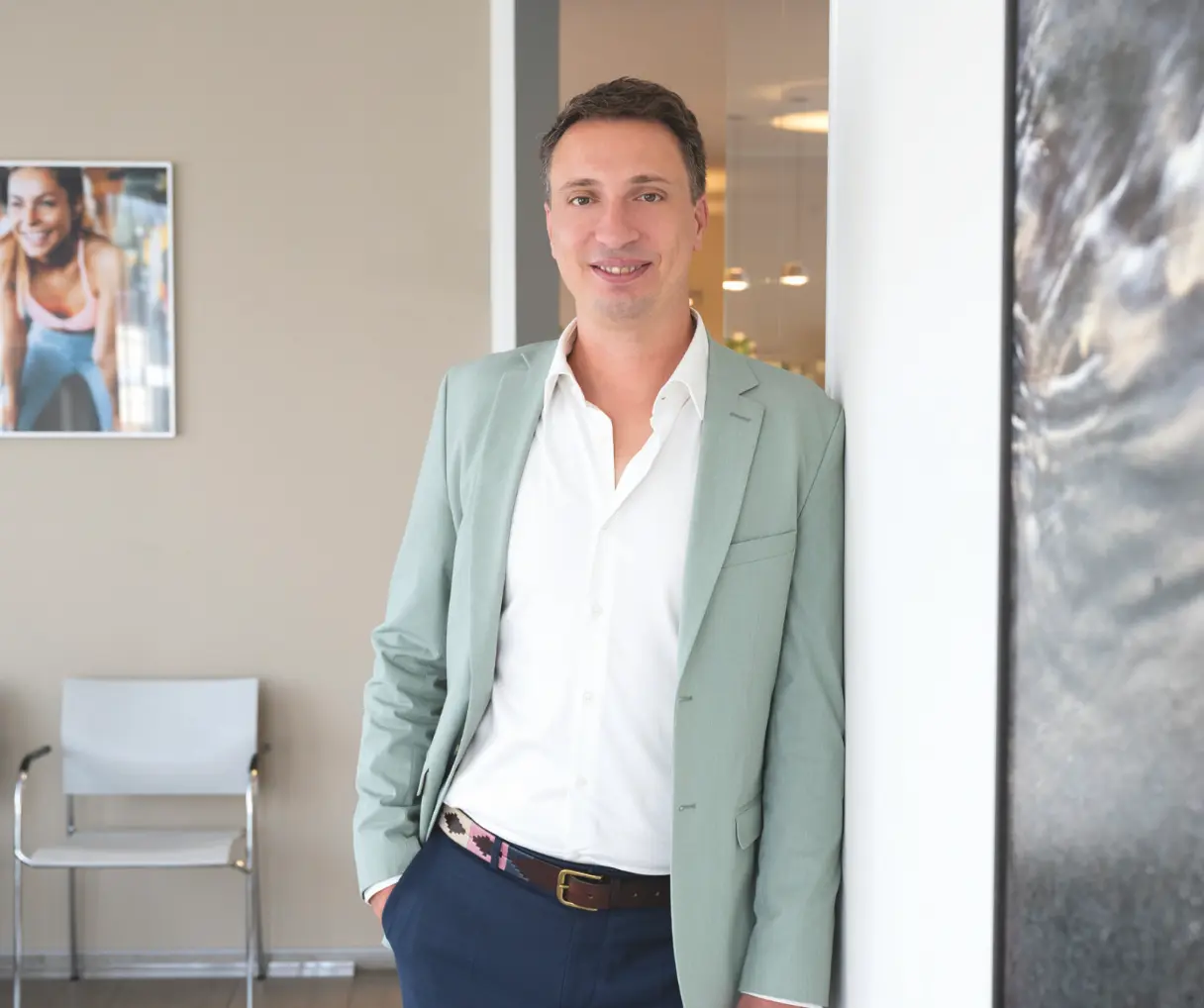
Dr. Johannes Gonnermann, ophthalmologist
Prof. Dr. Sebastian Siebenlist, Sports Orthopedist
Definitely spend time with family and friends. To compensate for stress, I need rest and relaxation - very important here is digital detox - but also physical exertion with enough recovery time.
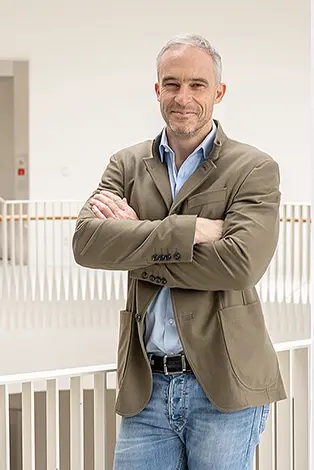
Prof. Dr. Sebastian Siebenlist, Sports Orthopedist

 Find a Doctor
Search the network for suitable specialists and contact them directly
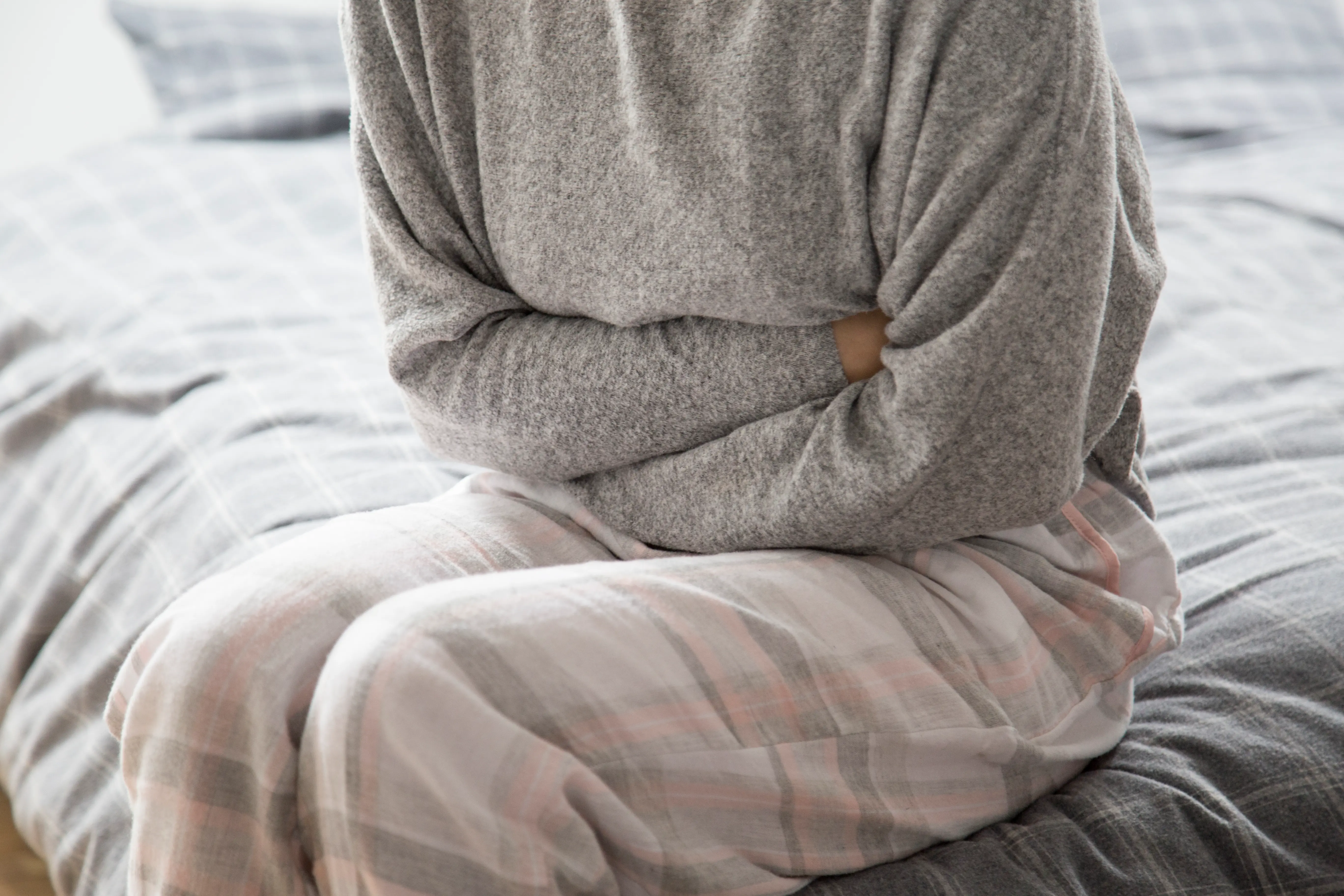
"Feel Good, Live Better" – In this episode, Dr. Birgit Dinnewitzer explains why small intestinal bacterial overgrowth is so often mistaken for irritable bowel syndrome.
Christine Bürg
An interview with
Dr. Birgit Dinnewitzer
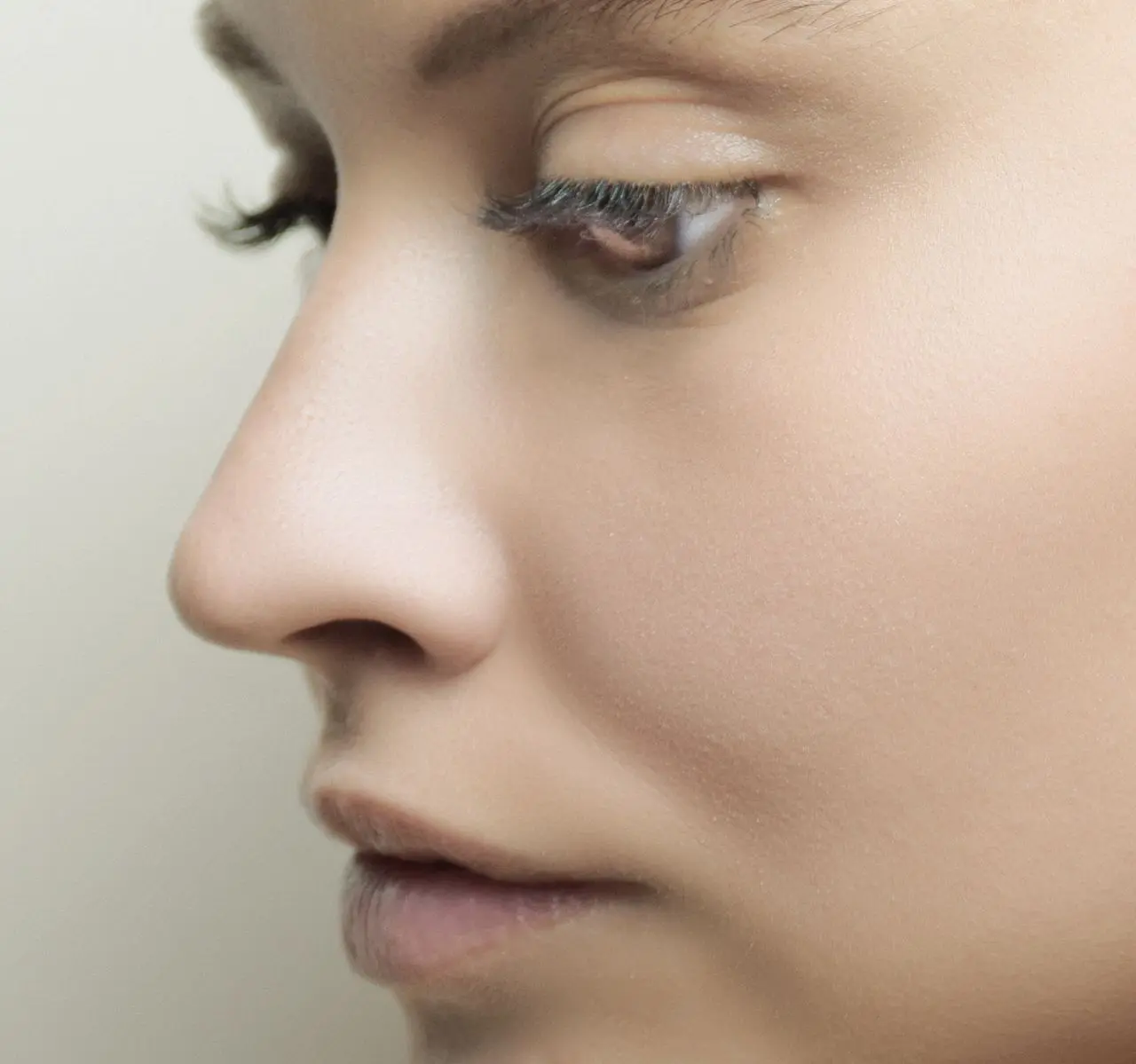
The small button nose was long the ideal. For rhinoplasty surgeon Dr. Christian Jacobi, what matters today is a nose that suits the face and keeps its function. He explains how social media shapes what patients want and why nose fillers are riskier than many think.
Judith Cyriax
An interview with
Dr. med. Christian Jacobi
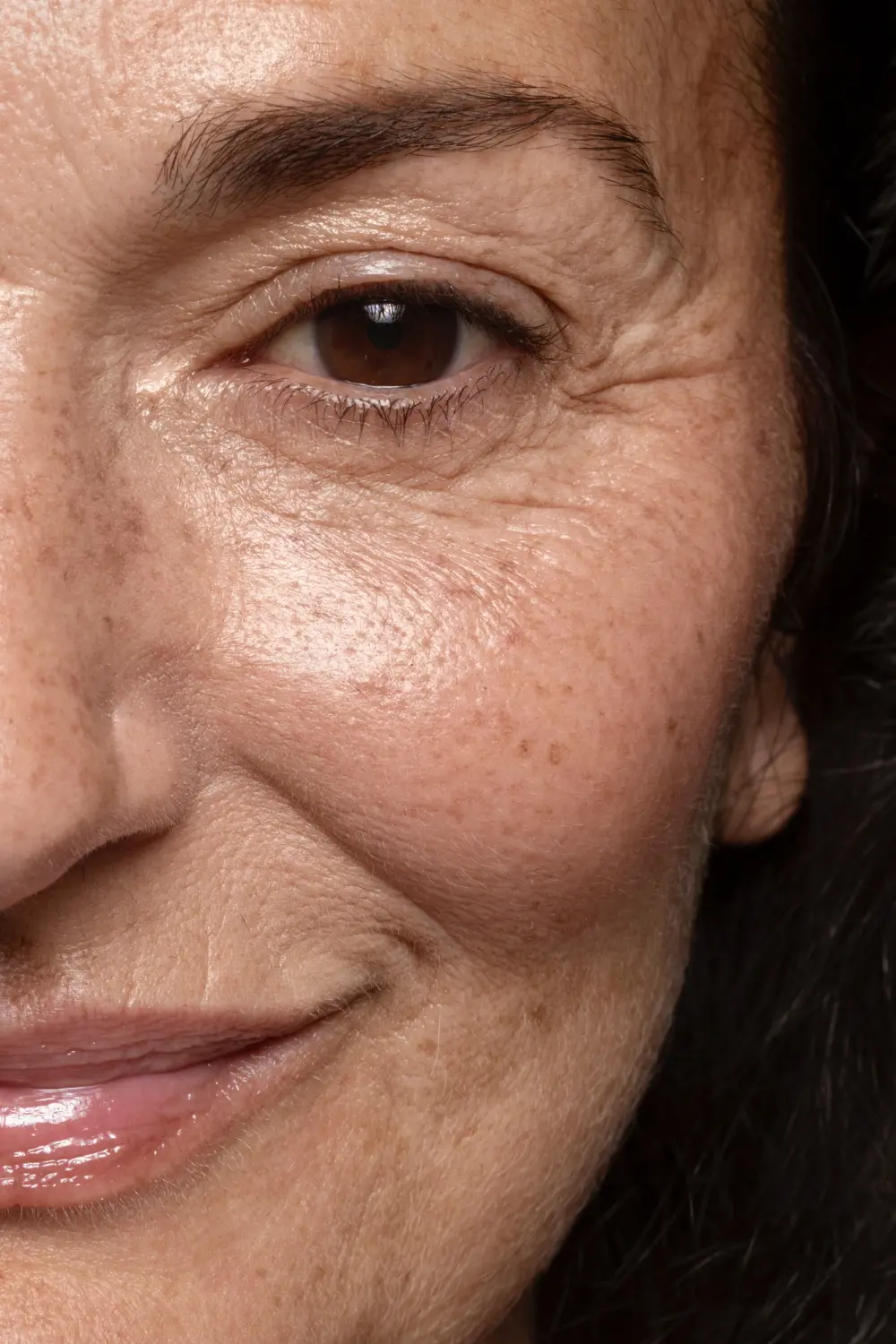
An upper eyelid lift is meant to make the eyes look more alert and youthful – but it isn’t always the right solution. Munich-based plastic surgeon Dr. Peter Neumann explains when he advises against surgery, which risks are often underestimated and why hooded eyelids can even impair vision.
Christine Bürg & Marianne Waldenfels
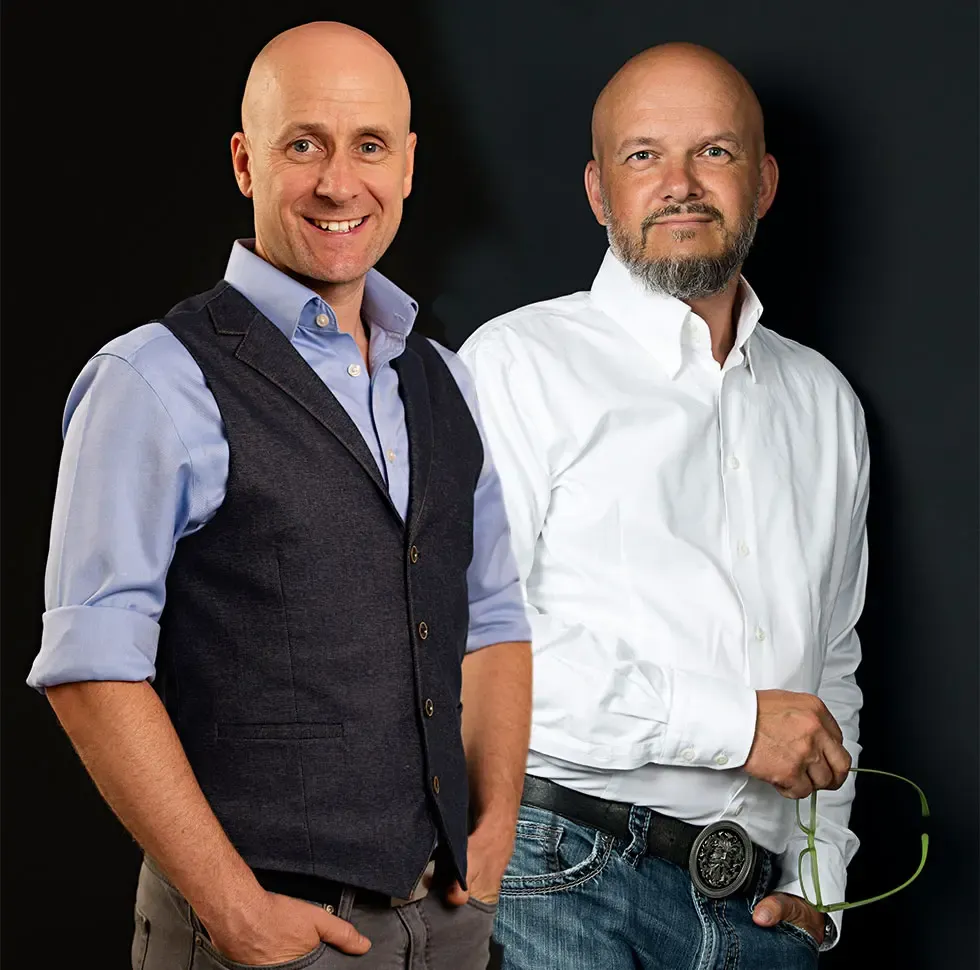
An interview with
Dr. med. Peter Neumann

A cold that isn't given enough time to heal can have serious consequences – even for young, athletic people. Cardiologist Prof. Dr. Uwe Nixdorff explains the warning signs of myocarditis, why exercising during an infection can be dangerous, and when it's safe to return to sports.
Christine Bürg & Marianne Waldenfels
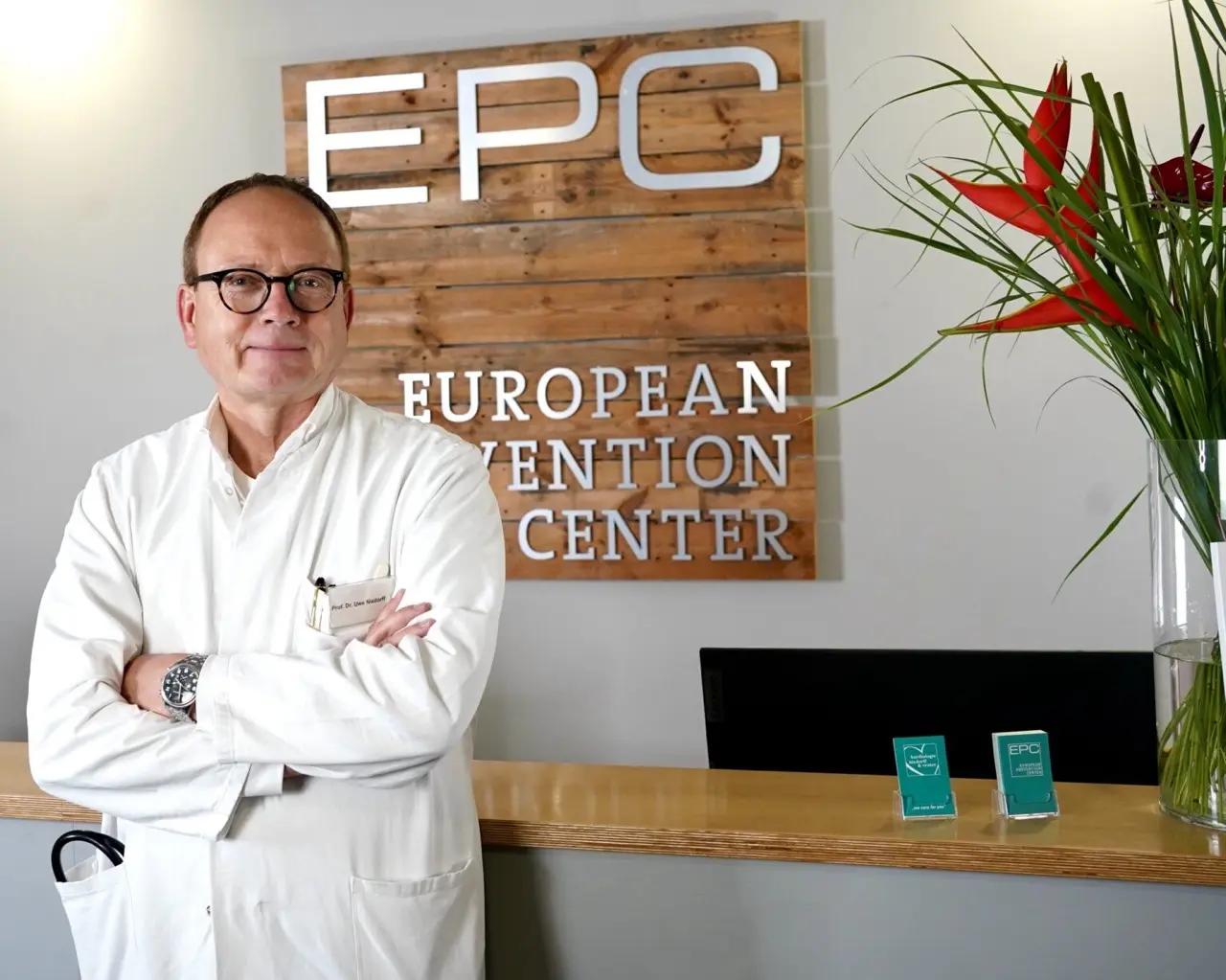
An interview with
Prof. Dr. Uwe Nixdorff