© Freepik
February 20, 2026
PMC Redaktion
Two days of oats, six weeks of effect – Researchers at the University of Bonn have discovered a surprisingly simple method to lower cholesterol levels.
Oatmeal in the morning, oatmeal at noon, oatmeal in the evening – sounds unappealing, but it could actually do your heart health a real favor. A new study from the University of Bonn, published in the renowned journal Nature Communications, shows: Just two days of intensive oat treatment can measurably lower cholesterol levels – and this effect can last for weeks afterwards.
Oats are not an ordinary grain. While wheat and corn are mainly known as a basis for bread and snacks, oats have a long history as a true remedy. As early as the beginning of the 20th century, the German physician Carl von Noorden Oats were specifically used to treat diabetics – with considerable success. Over the decades, this method was forgotten, but modern science is now bringing it back into the spotlight.
What makes oats so special is mainly found in their fiber – and especially in the so-called beta-glucan. This soluble fiber forms a gel-like layer in the intestine that slows down the absorption of cholesterol and sugar into the blood. Additionally, it has an impressive nutrient profile:
For comparison: Wheat contains a similar amount of calories, but significantly less beta-glucan and a poorer amino acid profile. In this regard, oats are likely the grain with the strongest health benefits.
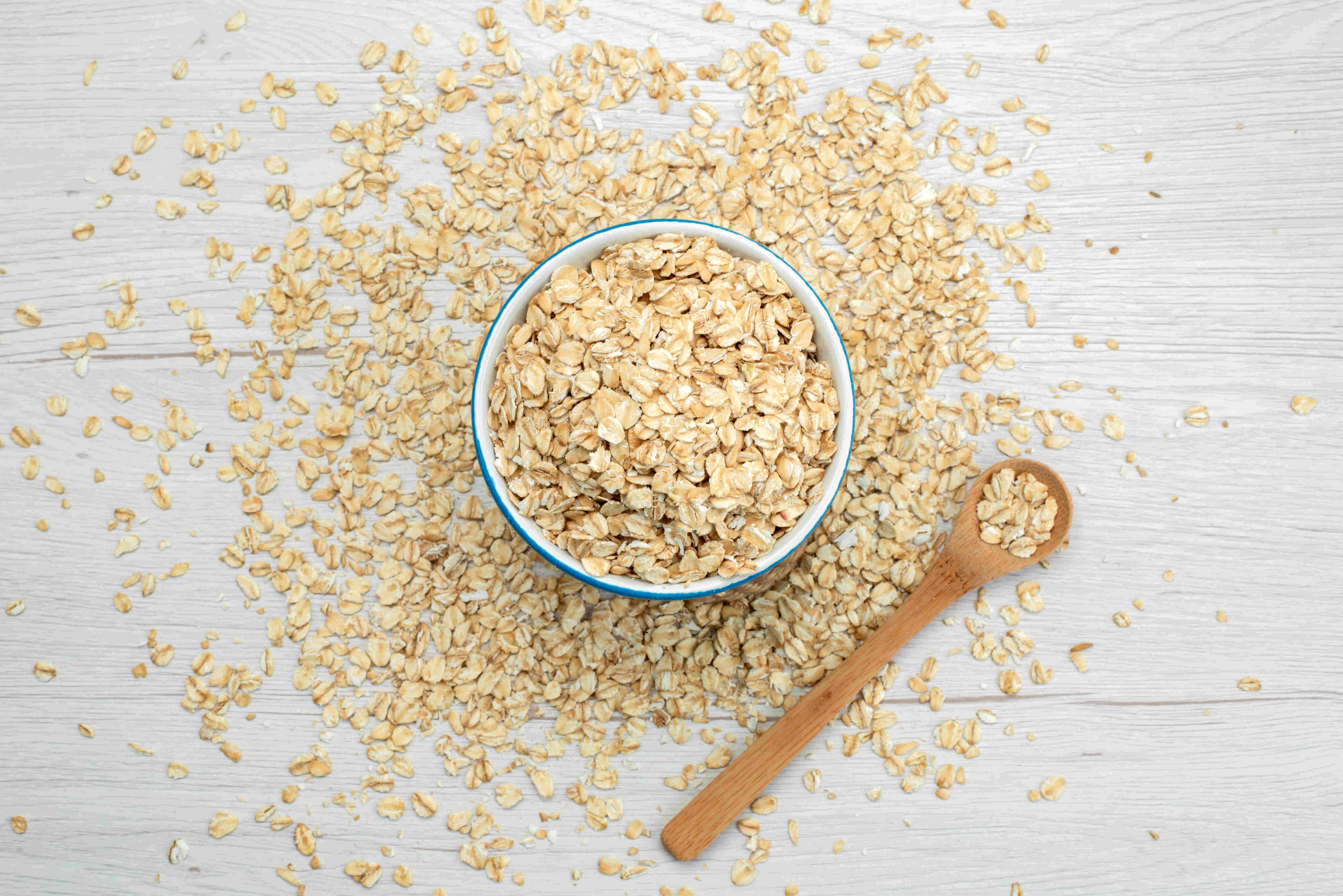
Not all oatmeal is the same. For an oatmeal cure - as in the Bonn study - it is recommended to use coarse or rough oat flakes, as they are less processed and contain more beta-glucan. Tender flakes or instant flakes are more industrially processed and have a higher glycemic index. Instant oatmeal is less suitable for a cure - it is too highly processed and acts more like a quick carbohydrate supplier.
All participants suffered from the so-called - more about that shortly. The experiment was simple but strict: Three times a day, there was oatmeal, cooked in water, supplemented only with some fruit or vegetables. 300 grams of oatmeal per day, for two days - and with only about half the usual calorie intake. A control group also ate a reduced-calorie diet, but without oats.
Before we come to the results, a brief look at the target group of the study is worthwhile. The metabolic syndrome is not a single disease, but a cluster of several risk factors that occur together:
Anyone who meets three or more of these criteria is considered affected – and that is alarmingly common: It is estimated that about one in four adults in Germany suffers from metabolic syndrome, often without knowing it. The insidious thing: Each of these factors increases the risk of heart attack, stroke, and type 2 diabetes – if they occur together, the risk increases significantly.
Cholesterol is not inherently bad – it is an essential building block for cell membranes and hormones. The problem is the LDL cholesterol (Low-Density Lipoprotein), which is commonly known as "bad" cholesterol.
When too much LDL circulates in the blood, it deposits in the walls of the blood vessels and forms so-called plaques – deposits that narrow and harden the vessels. This has serious consequences: narrowed vessels mean less blood flow to the heart and brain. If a plaque ruptures – for example, due to stress or physical exertion – a blood clot can form very quickly, completely blocking the vessel. The possible consequences: heart attack or stroke.
An LDL level below 100 mg/dl is generally considered desirable, and for people with heart disease, a level below 70 mg/dl is even sought after.
Both groups benefited from the calorie reduction. But the oat group took it a step further:
"This is a substantial reduction," emphasizes study leader Junior Professor Marie-Christine Simon. Although no food can match the effect of drugs – but as a natural, well-tolerated measure, the result is remarkable.
The key lies in the gut. Oatmeal provides plenty of fiber, which serves as food for certain gut bacteria. These then multiply and produce metabolic products that work throughout the body. One of these is the so-called ferulic acid – a phenolic compound already known to positively affect cholesterol metabolism.
At the same time, the gut bacteria slow the conversion of an amino acid that can otherwise promote insulin resistance – a central mechanism in the development of type 2 diabetes. In short: oats feed the right bacteria, and they thank you with a healthier metabolism.
However, a parallel long-term study dampens exaggerated hopes: those who ate 80 grams of oats daily for six weeks without reducing calories achieved hardly any effects. Therefore, the researchers' message is clear: Intensity beats continuity. Two days of a lot of oats are more effective than six weeks of little.
The team therefore recommends repeating the short-term oat cure at regular intervals. Whether this actually has long-term preventive effects is to be investigated in further studies.
As promising as the results are – the cure is not suitable for everyone. In the following cases, one should definitely seek medical advice beforehand or completely refrain from the cure:
As a rule of thumb: A two-day oat cure is generally well tolerated by healthy adults – however, anyone with pre-existing conditions or who regularly takes medication should discuss this with their doctor beforehand.
How often should you repeat the oat cure? Researchers at the University of Bonn suspect that a repetition every six weeks might be sensible – this should be examined more closely in further studies.
Can I exercise during the cure? Light exercise like walking is fine. However, intensive physical exertion should be avoided with a severely reduced calorie intake.
Do I really have to eat only oatmeal? In the study, the cure was limited to oatmeal with some fruits and vegetables. Small amounts of other foods could weaken the effect – those wanting maximum effects should closely follow the study protocol.
Do oat drinks or oat bars also help? No – processed oat products usually contain significantly less beta-glucan and significantly more sugar or additives. Real oatmeal should be used for the cure.
What if I get bored with oatmeal? Some fresh fruit or grated carrot is allowed – this was also the case in the study. Spices like cinnamon or vanilla help additionally without affecting the effectiveness.
Does the oat diet also lower total cholesterol? The study mainly focused on LDL cholesterol, which is considered particularly dangerous. There are likely improvements in total cholesterol, but these were not the focus of the investigation.