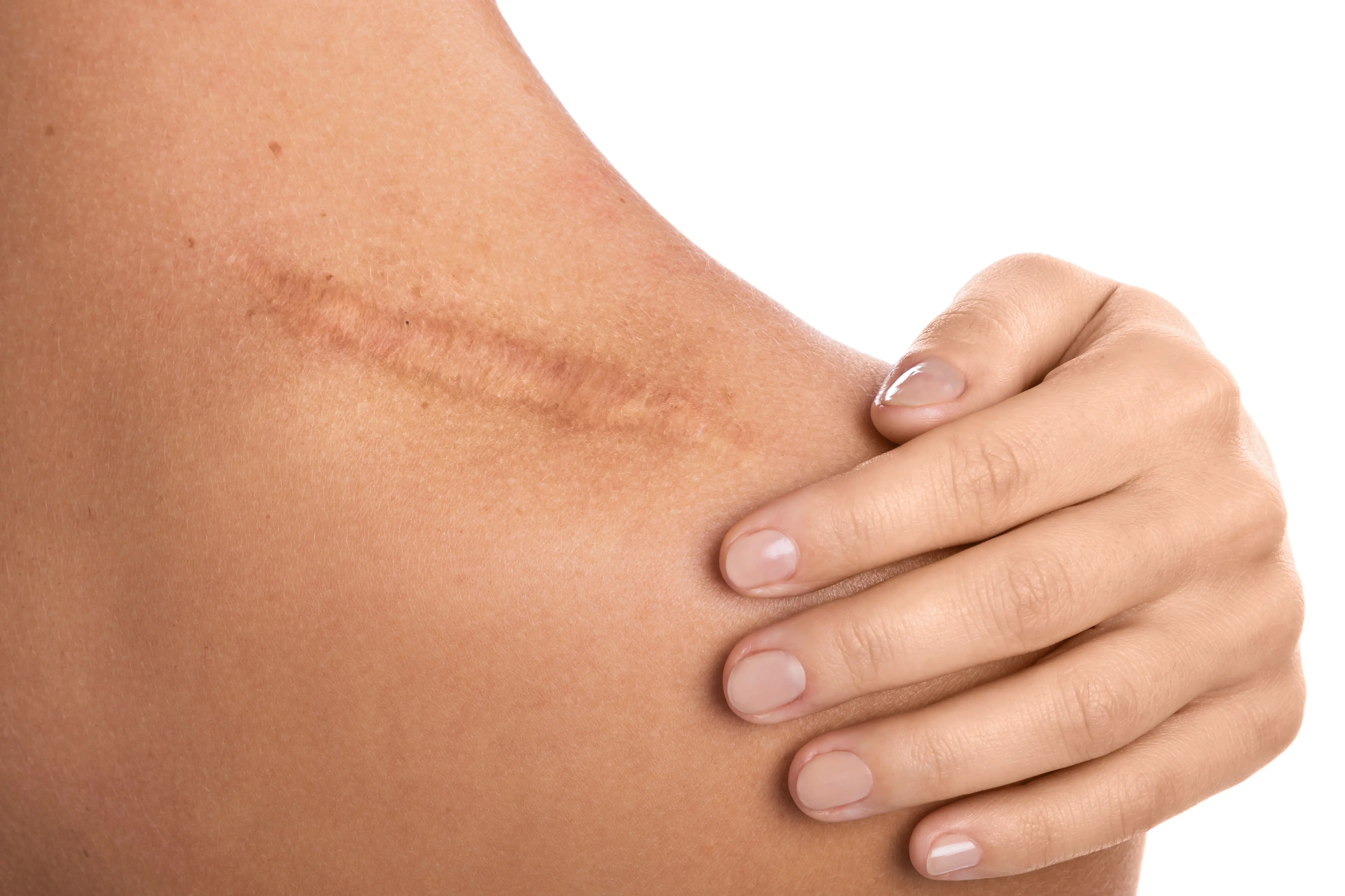
Scars form when the skin does not fully regenerate after an injury or surgery but is replaced by so-called scar tissue. This tissue differs structurally and functionally from the original skin texture:
It is usually less elastic, has poorer blood circulation, and can be visually noticeable. Especially on the face or after surgical procedures, many affected individuals find scars disturbing—be it for aesthetic or functional reasons.
Modern medicine today offers numerous options to treat scars and specifically improve their appearance. These include laser therapies, microneedling, silicone sheets, or injections. The goal is to positively influence the structure of the scar tissue, alleviate discomfort, and match the skin texture.
Here you will learn which treatment methods are useful for scars, when therapy is medically recommended, and how you can contribute to healing yourself.
What are scars and how do they form?
Scars form when the deeper layers of the skin—especially the dermis—are injured. The body responds by forming replacement tissue: fibroblasts produce more collagen to quickly close the wound. However, this so-called scar tissue differs significantly from healthy skin: it is less elastic, has poorer blood circulation, and contains few sebaceous or sweat glands.
The result: scars can appear firmer, lighter, or darker, feel tight, itch, or harden.
How noticeable a scar ultimately becomes depends on several factors:
Depth and type of injury (e.g., cut, burn, surgery)
Location, such as near a joint or on the face
Individual wound healing, including infections or tensions
Genetic predisposition, e.g., to keloid formation
Age of the affected person
Proper care in the early healing phase
Targeted, early scar treatment can help significantly reduce noticeable or excessive scar development, such as keloid or hypertrophic scars.
What types of scars are there?
Not all scars are the same - medically, scar types differ significantly in appearance, symptoms, and treatment needs. Anyone who wants to treat scars effectively should first know what type of scar it is. Because different therapies are appropriate depending on the structure and behavior of the scar tissue.
This type of scar occurs when too little connective tissue is formed, usually as a result of acne or chickenpox. They lie below the skin level and appear as small, sunken dimples or broad depressions. They often occur on the face and can be well treated with microneedling, laser, or fillers.
2. Hypertrophic Scars
Here the body produces too much collagen - the scar visibly protrudes beyond the skin but remains confined to the original wound area. Hypertrophic scars often occur after surgeries, burns, or deeper injuries. They can cause feelings of tension or itching but often flatten somewhat over time. Those who want to treat such scars should counteract early with silicone sheets, compression, or targeted injections - this can effectively slow scar growth.
3. Keloid Scars
Keloid scars grow beyond the original wound boundary and form lumpy, often painful or itchy thickenings. They occur particularly frequently with genetic predisposition - for example, in the area of the chest, back, or shoulders. Because keloids can be persistent and tend to recur, targeted scar treatment is particularly important. Combinations of cortisone injections, laser therapy, and - in exceptional cases - surgical removal are usually used.
4. Contractures
After extensive injuries or burns, scar tissue can contract - doctors refer to so-called contractures. This causes tension on surrounding skin areas or joints, which can noticeably restrict mobility. To avoid such consequences, a targeted functional scar treatment should be initiated early - for example, through physical therapy, compression, or special scar mobilization.
5. Scar Tissue after Surgery
After an operation, the scar tissue can temporarily harden, redden, or appear elevated - especially in the first weeks of healing. With proper care, gentle movement, and some patience, the skin often calms down on its own. If tension, hardness, or visually noticeable scars remain, targeted post-operative scar treatment can help make the tissue more supple and support healing.
When is scar treatment advisable?
Not every scar requires therapy, but as soon as scars cause discomfort or are perceived as cosmetically burdensome, targeted scar treatment is worthwhile. Functional restrictions, such as contractures or hardened scar tissue, also advocate for early intervention.
Scar treatment is particularly advisable when:
the scar itches, hurts, or feels tight
it stands out significantly from the surrounding skin level (e.g., with keloids)
movement or facial expressions are restricted
the scar is bothersome on the face or visible body areas
accompanying skin care alone is not sufficient
Modern methods for scar treatment
Depending on the type, age, and location of the scar, various medically tested therapies are available today. The goal of every treatment: to make scars softer, flatter, and less noticeable - both functionally and aesthetically.
Here's an overview of proven procedures:
Laser therapy for scars
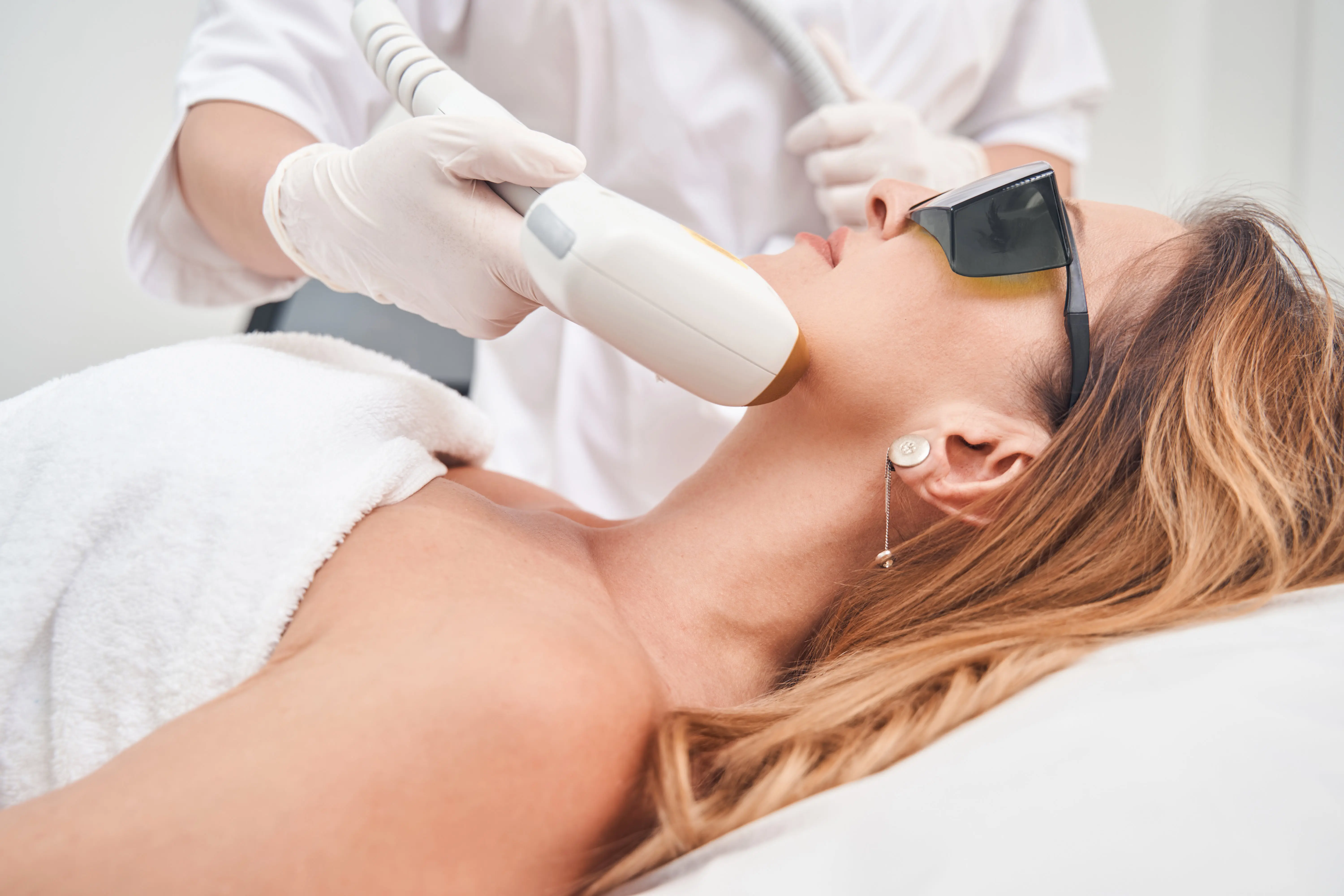
Lasers are now an integral part of modern scar therapy. Depending on the type of scar - whether reddened, bulging, or uneven - different procedures are used. CO₂ lasers, vascular lasers, or fractional erbium lasers have proven particularly effective. Targeted laser scar therapy can stimulate collagen production, smooth the skin surface, and visibly reduce bothersome redness.
Microneedling for scars
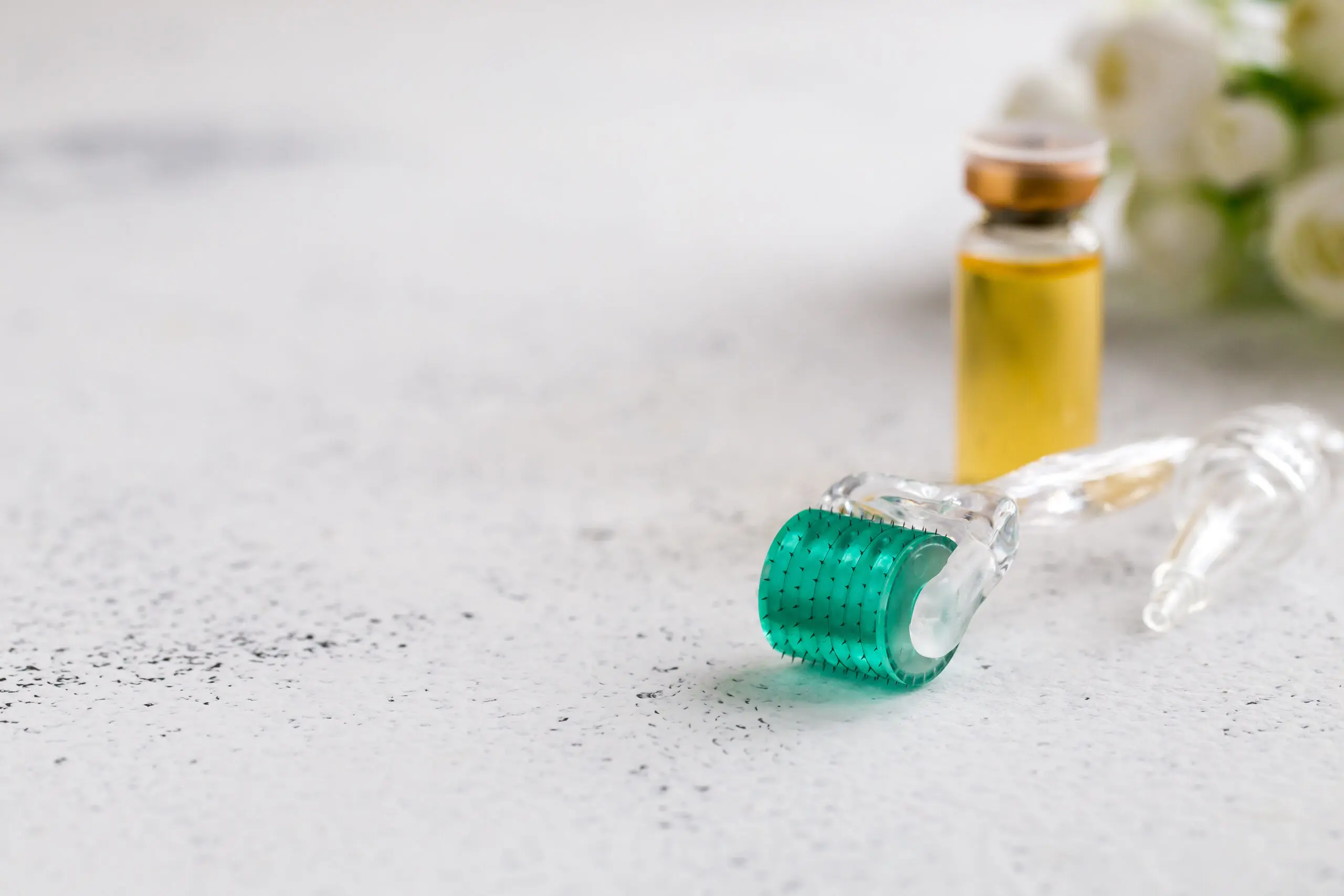
In medical microneedling, fine needles penetrate the skin in a controlled manner. The micro-stimulus promotes the formation of new collagen and can visibly improve atrophic scars - such as those from acne. Often, substances like hyaluronic acid or vitamin C are introduced simultaneously.
Treatment with silicone & scar gels
Silicone plasters and gels are considered the gold standard in conservative scar therapy. They regulate moisture, stabilize tissue, and can curb excessive growth. Especially in the early healing phase, they are an effective, well-tolerated option for scar treatment.
Compression therapy
Pressure treatment - such as with custom-made compression garments - is mainly used for hypertrophic scars and burn scars. The sustained pressure slows excessive collagen formation and helps keep the scar tissue flatter.
Cortisone injections for keloids
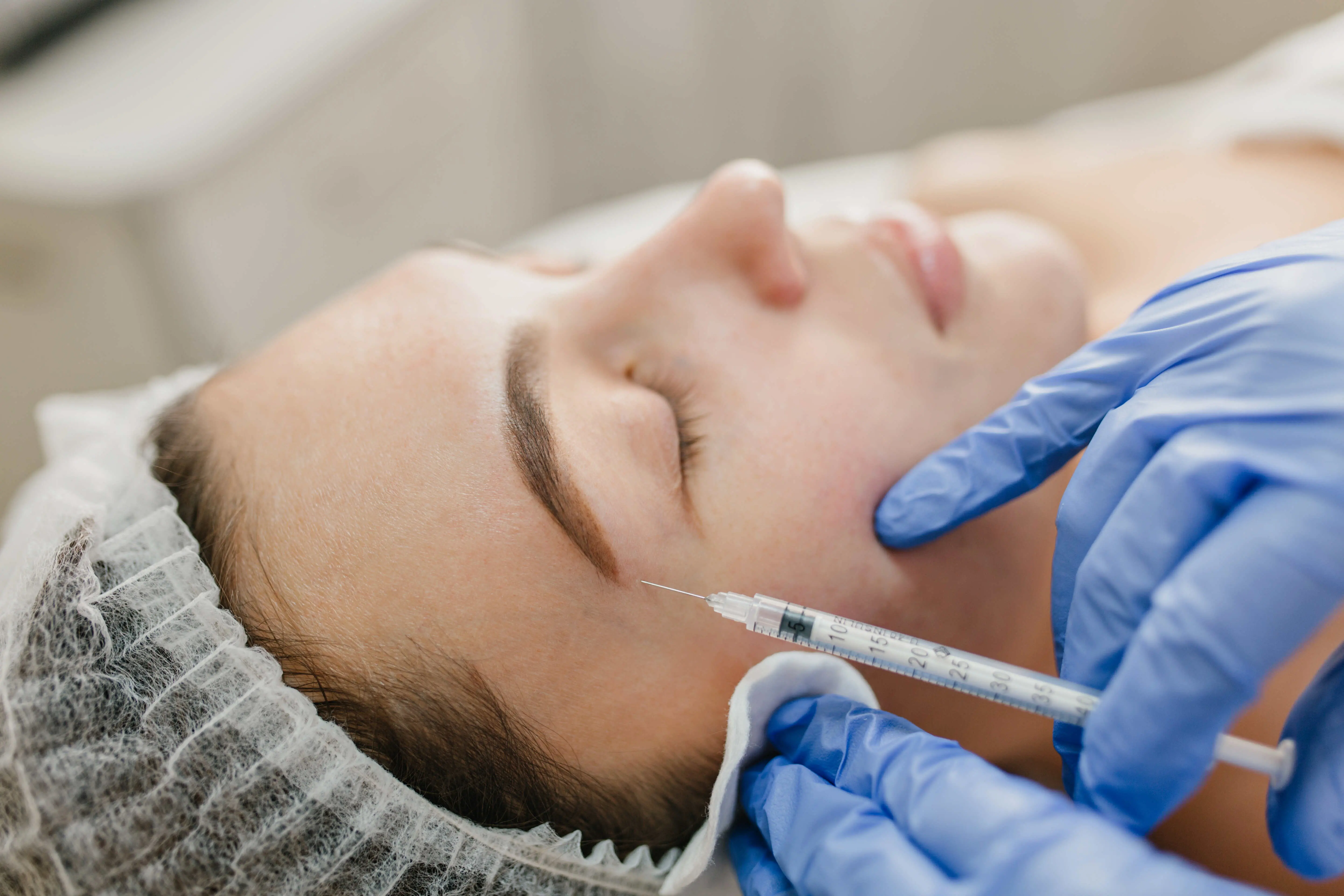
Keloids often respond poorly to conventional creams or plasters. In such cases, cortisone injections directly into the scar are used. They inhibit inflammation and reduce overactive cell growth. Several sessions are often necessary.
Surgical scar correction
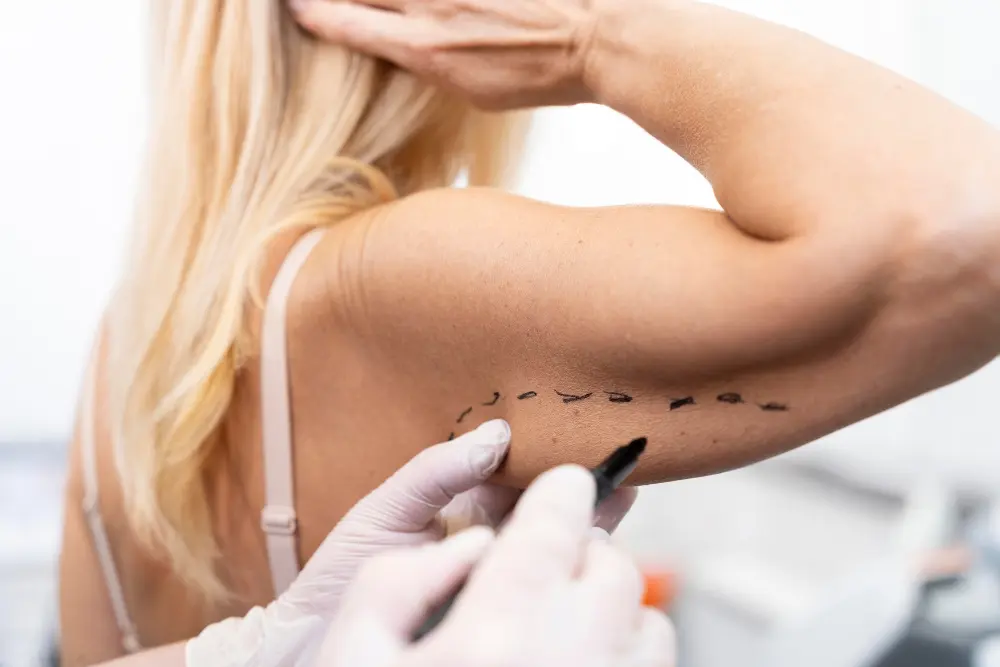
When scars are very noticeable or functionally restrictive, surgical correction may be useful. In this process, old scar tissue is removed and the skin is sutured with less tension. The new scar can then be treated with laser, silicone, or other methods.
Which method is best for my scar?
Which treatment is appropriate depends on the type, location, and extent of the scar. For targeted therapy, a specialist assessment is crucial. The following overview shows what can help with typical types of scars.
Atrophic scars
– Microneedling
– Laser therapy (fractionated)
– Filler or PRP
Especially effective for acne scars on the face
Hypertrophic scars
– Silicone gel/plaster
– Compression
– Laser (CO₂ or dye laser)
Treat early, often good regression tendency
Keloid scars
– Cortisone injections
– Laser (in combination)
– Surgical correction (with aftercare)
High risk of recurrence - long-term care important
Contractures
– Surgical scar correction
– Physical/occupational therapy
– Compression
Important for maintaining mobility
Scar tissue after surgery
– Silicone pads
– Scar massage
– ggf. Laser / Microneedling
Combination of care + targeted treatment often ideal
Facial scars
– Laser (gentle, precise)
– Microneedling
– medical care products
High aesthetic demands - tailor treatment plan individually
Treat scars on the face or after surgery
Scar treatment after surgery: What to pay attention to?
After surgeries, the skin is particularly sensitive. In the first weeks, proper scar care is crucial: gentle cleansing, consistent UV protection, and possibly silicone sheets. For prominent or hardened scars, targeted treatments such as laser, microneedling, or injections can help improve the structure and relieve tension. After treatment, continue supporting scars with care products to optimally accompany the healing process.
Scar removal on the face - what options are there?
The face presents special challenges for any treatment. Depending on the type of scar, gentle procedures like fractional laser therapy, medical microneedling, or gentle peels are used. Special scar gels or minimally invasive corrections can also help visibly smooth the skin appearance - all without surgery.
Can scars completely disappear?
Scars usually do not completely disappear - they are permanent replacement tissue. However, modern therapies can significantly improve their appearance: scars can become softer, flatter, less noticeable, and free of discomfort. Early treatment, the right method, and consistent care are crucial.
What can affected individuals do themselves?
Proper care can significantly influence how well a scar heals - especially in the first weeks. Those who want to support scars specifically should pay attention to the following measures:
Gentle scar massage Regular, gentle massage can promote circulation, loosen tissue, and relieve feelings of tension.
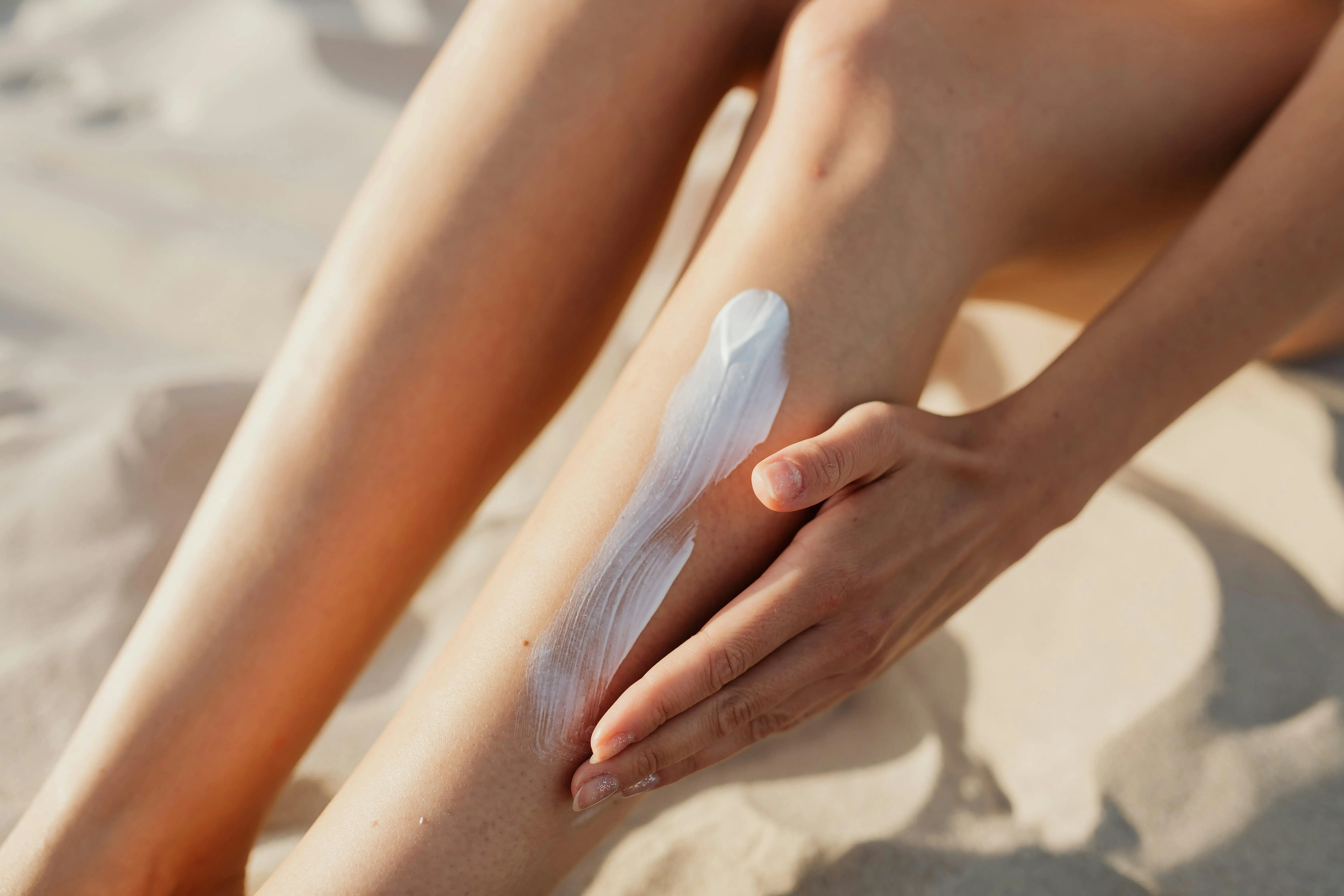
Consistent UV protection Fresh scars are sensitive to light and prone to permanent pigmentation. Therefore: always cover or apply with a high sun protection factor - ideally for several months.
Use silicone products Silicone patches or gels are considered the medical standard in scar care. They provide a moist environment, regulate collagen formation, and can curb excessive scar growth.
Seek medical advice early For noticeable, painful, or highly raised scars, medical advice should be sought early - the earlier, the better the treatment outcomes.
Home remedies & care products at a glance
For additional care - especially for older or inconspicuous scars - simple home remedies and over-the-counter products are also an option:
Onion extract (e.g., in gels): may have anti-inflammatory effects
Panthenol: supports the regeneration of dry, irritated skin
Vitamin E: antioxidant, often used in scar creams
Vegetable oils (e.g., rosehip seed, sea buckthorn, or calendula oil): nourish and smooth the skin
Important: Home remedies are supportive - but do not replace targeted medical treatment for problematic scars.
Frequently Asked Questions about Scar Treatment (FAQ)
When should a scar be treated?
Ideally, as early as possible - ideally within the first weeks to months after the injury or surgery. During this phase, the scar tissue is still malleable and responds particularly well to therapies such as silicone, massage, or laser. However, even older scars can often be significantly improved with modern methods.
How long does scar treatment take?
The duration varies depending on the method and initial condition. Initial effects are often visible after a few weeks - with laser or injections, several sessions are necessary over months. Aftercare is also crucial for long-term success.
What does a scar treatment cost?
Costs range from a few euros for scar gels to several hundred euros per treatment with laser or injections. Microneedling, silicone products, or surgical corrections are priced in between depending on the effort and region. An individual consultation provides clarity here.
Are the costs covered?
In most cases, it is a service paid out of pocket - especially for aesthetic reasons. However, if there are functional impairments (e.g., due to contractures), the health insurance may cover costs partially or fully. This usually requires a medical report.