Mesotherapy for the Face: A Gentle Anti-Aging Treatment for Firmer, Fresher Skin
Facial mesotherapy: How this anti-aging treatment with vitamins and hyaluronic acid revitalizes the skin and boosts radiance. Benefits, effects and what to expect from the procedure
Do you desire a fresh complexion without surgery and lengthy recovery times? Facial mesotherapy targets where wrinkles and sagging skin originate: In the upper skin layers. Fine injections deliver an effective cocktail mix of hyaluronic acid, vitamins, and nutrients directly to the target area. There, the active ingredients stimulate the body's own regeneration, plump up small lines from within, and ensure a radiant glow.
Learn how facial mesotherapy works, its advantages over other anti-aging methods, and what costs to expect - so you're well-informed for your consultation.
What is facial mesotherapy?
Mesotherapy is a minimally invasive treatment where a customized blend of natural active ingredients - such as hyaluronic acid, vitamins, and amino acids - is injected directly into the middle skin layer (mesoderm) using very fine needles. The aim is to provide the skin with additional moisture, stimulate regeneration, and boost the body's own collagen and elastin production. This activates the cell metabolism and refines the skin texture. The result: fewer wrinkles and noticeably more elasticity.
Natural instead of artificial: The distinction
Mesotherapy consciously avoids surgical techniques and volume fillers. While a facelift tightens mechanically and fillers add volume, mesotherapy biochemically stimulates the skin's own structure in the face. The micro-needles transport vital substances directly to where they promote collagen formation and elasticity - completely without permanent implants.
The principle of action of facial mesotherapy
What does mesotherapy do for the face? The treatment works in two successive steps:
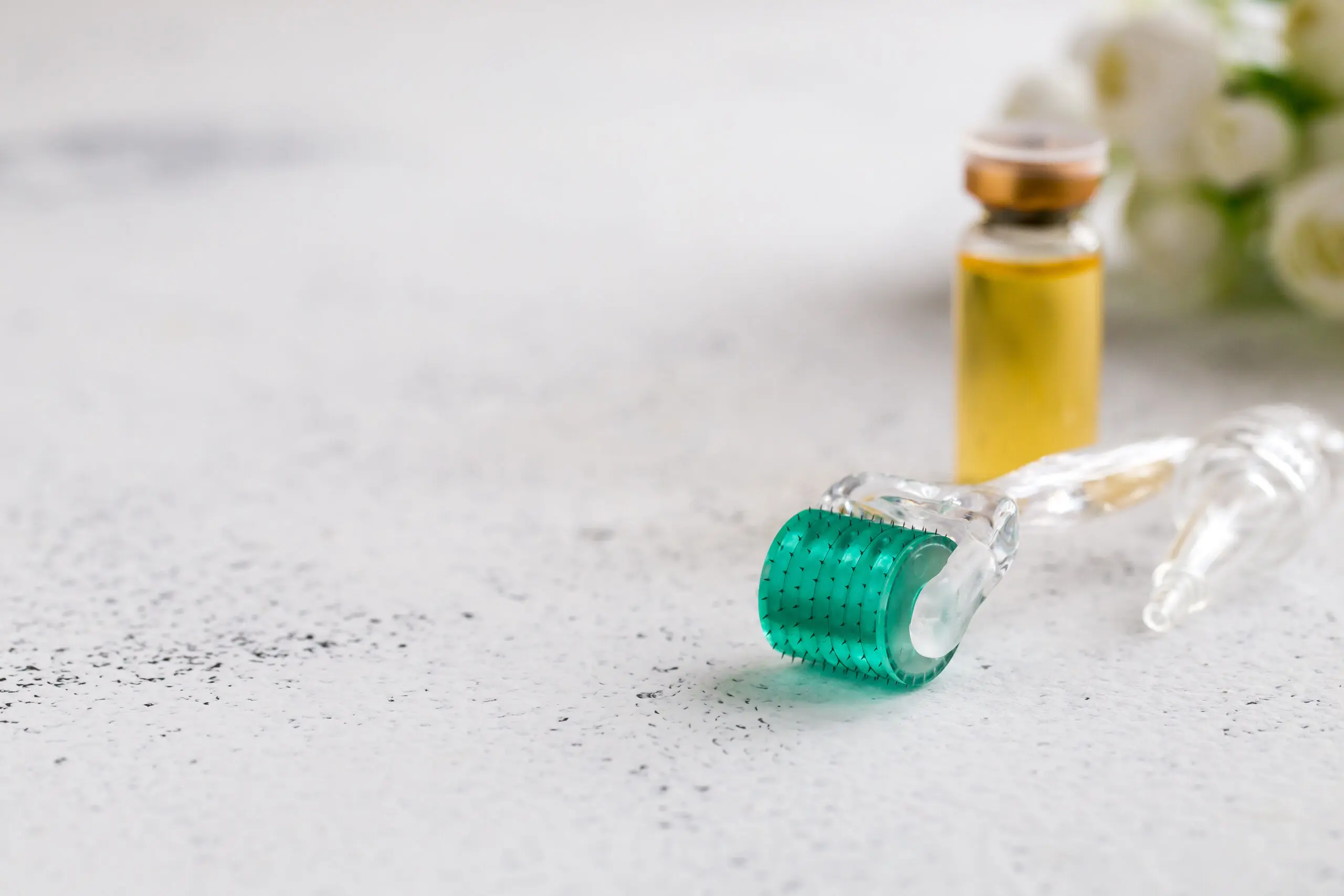
Microinjections with ultra-fine needles create tiny channels that optimize the absorption of active ingredients and trigger a slight stimulus that activates the body's repair response.
After the minimal micro-injuries, the active ingredients reach directly into the middle layer of the skin. There, they intensely moisturize the skin, protect against harmful free radicals, and stimulate the production of collagen and elastin. This boosts the cell metabolism, and the skin gains noticeable firmness and elasticity.
Overview of typical ingredients
Hyaluronic acid Binds large amounts of water, plumps up the skin from the inside, and ensures a smoother, fuller appearance.
Amino acids Provide the building blocks for collagen and elastin, increase firmness, and support natural regeneration.
Vitamins (C & B complex) Vitamin C strengthens collagen fibers, B vitamins promote cell metabolism and cell renewal.
Choline (Phosphatidylcholine) Stabilizes cell membranes, improves nutrient uptake, and leaves a smooth skin feel.
Antioxidants (Glutathione, Coenzyme Q10) Protect against environmental influences, neutralize free radicals, and slow down the breakdown of collagen and elastin.
Biochemistry to go: Hyaluronic acid in mesotherapy vs. filler
In mesotherapy, non-crosslinked, low molecular weight HA (50–1,000 kDa) is used - linear chains that penetrate deep into the mesoderm, bind water there, and stimulate fibroblasts to produce collagen.
Filler HA consists of cross-linked molecules that degrade more slowly, provide lasting volume, and remain in the tissue.
Mesotherapy for the face compared to other anti-aging treatments
What is better - mesotherapy or microneedling?
Microneedling creates tiny microchannels using fine needles alone to stimulate the skin's self-regeneration. Mesotherapy uses the same effect but enhances it with the targeted delivery of active substances such as hyaluronic acid, vitamins, and amino acids. Thus, mesotherapy combines mechanical stimulus with direct nutrient supply, often achieving faster results.
Is mesotherapy like Botox?
Botox (botulinum toxin) works by relaxing the muscles and thus smoothing out mimic wrinkles. Mesotherapy, on the other hand, does not interfere with muscles but strengthens the skin matrix: It promotes collagen and elastin production, improves moisture balance and cellular metabolism, and thus changes the skin's appearance from within - without paralyzing facial expressions.
Mesotherapy face vs. PRP autologous blood therapy
In PRP therapy, plasma rich in growth factors is obtained from one's own blood and injected into the skin to boost regeneration. Mesotherapy, on the other hand, delivers so-called cocktails of hyaluronic acid, vitamins, and amino acids into the middle layer of the skin.
Thus, it combines the body's own repair with targeted moisture and nutrient supply. Both methods are gentle and minimally invasive, but mesotherapy offers more active ingredients and can be precisely tailored to the specific skin type.
Tip: Combination of mesotherapy and PRP
Mesotherapy and PRP ideally complement each other: the former provides the skin with targeted active ingredients, the latter relies on the body's own growth factors. A recent randomized study by Yang Ling et al. (Journal of Cosmetic Dermatology, June 2025) shows that the combination of PRP and non-cross-linked HA mesotherapy significantly improves skin elasticity more than PRP alone.
Who is facial mesotherapy suitable for?
Facial mesotherapy is ideal for anyone who wants to reduce the first signs of skin aging and give their complexion more radiance. It is particularly suitable for:
Fine lines & early loss of elasticity: Regular sessions stimulate collagen and elastin.
Restless, slightly flaky skin: Vitamins and lipids balance the cell metabolism.
Typically, therapy begins around the age of 35, but in cases of significant skin problems such as pigmentation disorders or fine lines, treatment can be beneficial even at a younger age.
Exclusion criteria
Acute skin inflammations or infections in the treatment area
Autoimmune diseases with skin involvement
Severe allergies to cocktail components
Pregnancy and breastfeeding
After clarifying these points, the individual selection of ingredients follows:
Modular active ingredient profile
Mesotherapy kits follow a modular principle: Ready-made active ingredient mixtures are compiled according to guidelines and manufacturer specifications, but can be individually adjusted depending on skin condition and treatment goal.
Expert tip: Clarify in advance which active ingredients are in the cocktail, why they were chosen, and whether the mixing ratio can be adjusted to your skin needs.
Procedure of a mesotherapy treatment on the face
1. Preparation:
After cleaning and anamnesis, a numbing cream is applied (exposure time approx. 15 min.). When combined with PRP, blood is drawn beforehand (approx. 10 ml) and centrifuged to obtain the growth factor serum.
2. Injections:
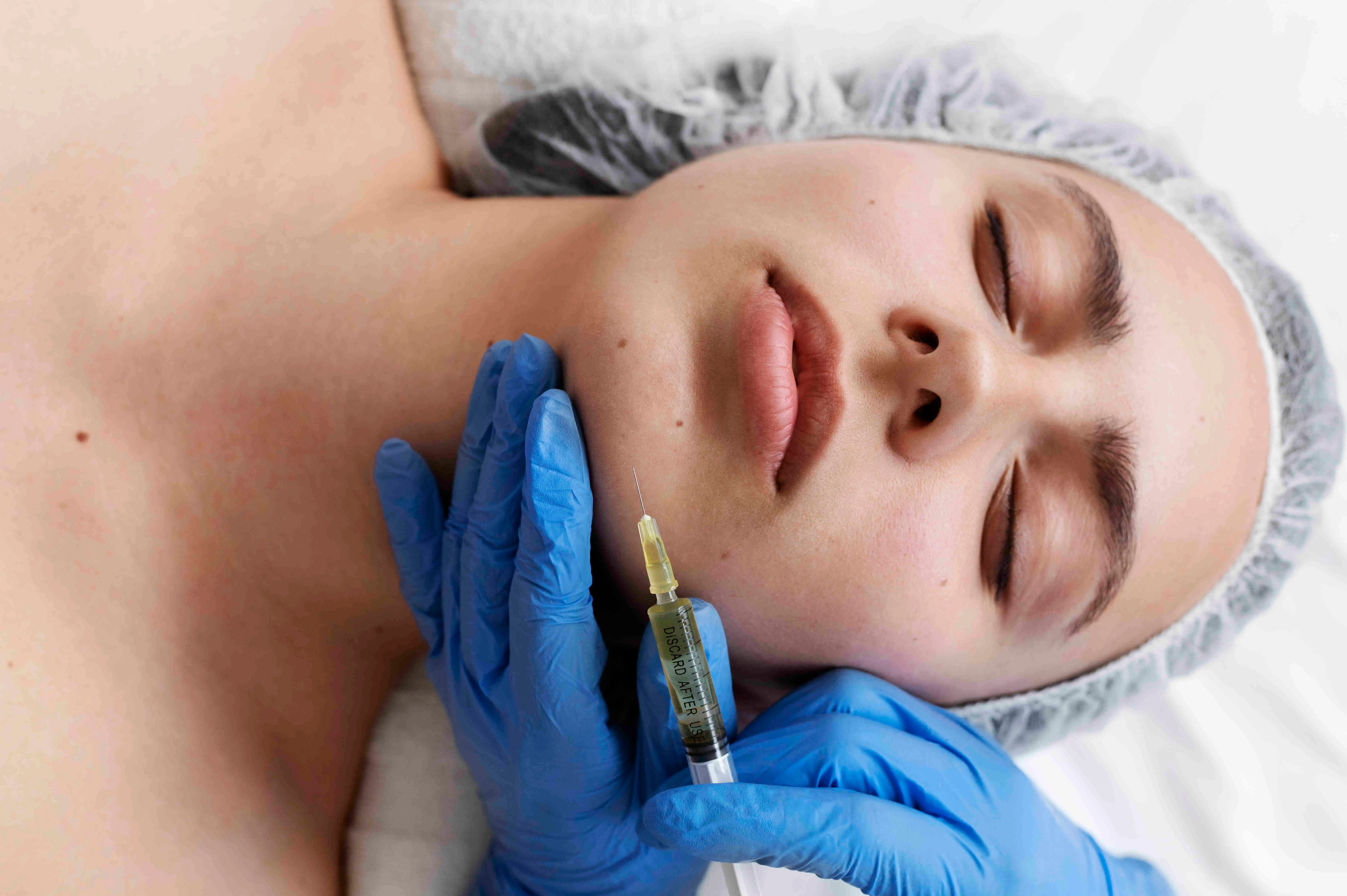
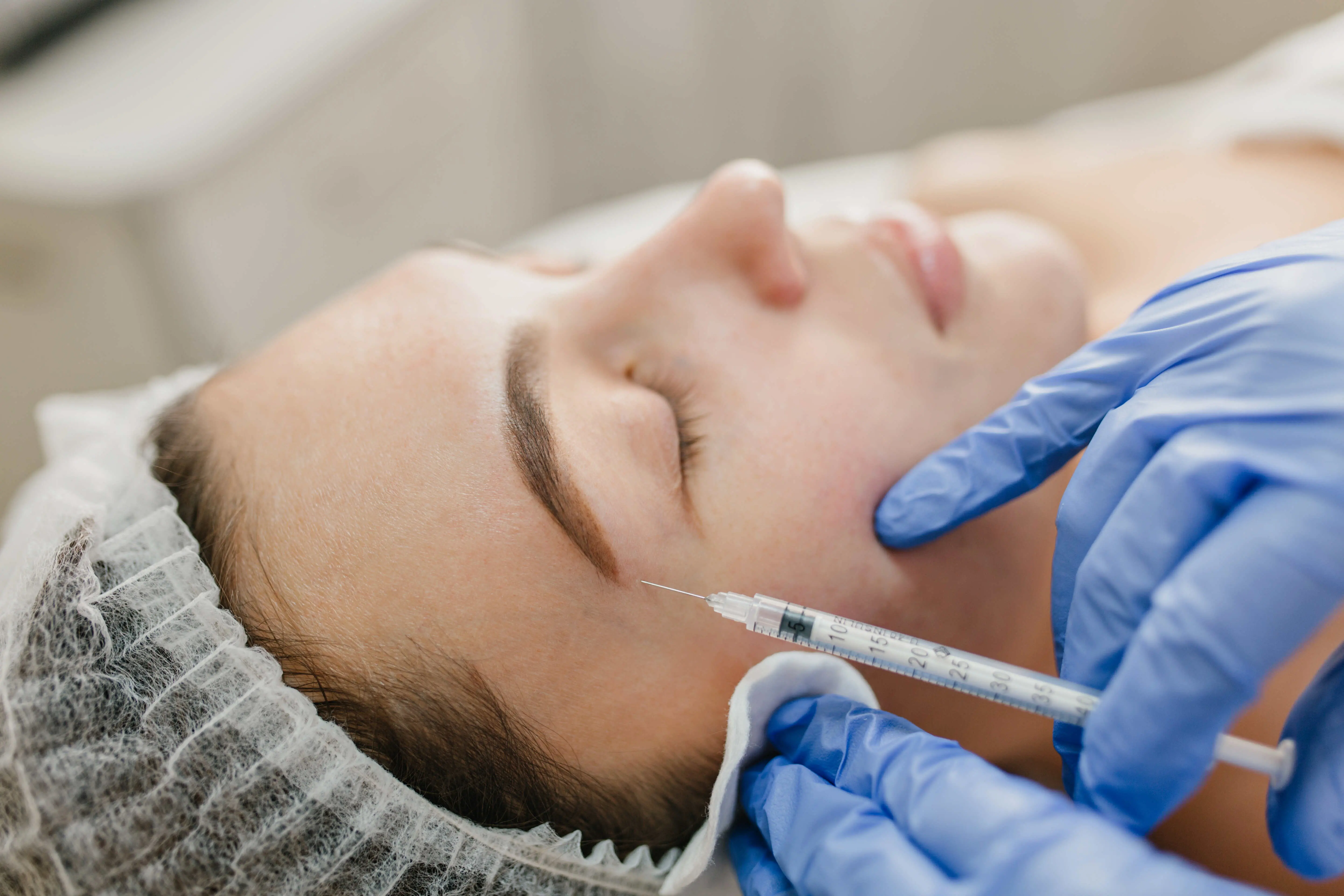
With ultra-fine needles, small amounts of the active ingredient cocktail - possibly enriched with the obtained plasma - are injected into the cheeks, forehead, chin, and neck in 5-10 minutes. Each needle prick is very short and is usually perceived as a gentle tingling.
3. Aftercare:
Redness usually subsides within a few hours. Avoid sun and makeup for 24 hours and provide the skin with intensive moisture.
Results and Refreshment Intervals
Frequently asked questions revolve around when the first effects of mesotherapy on the face become visible and how long they last. In the following overview, you will find concise answers to results, durability, and recommended refresh intervals.
When can you see the effect of a mesotherapy on the face?
First visible improvements are often noticeable just a few weeks after the treatment, as moisture and elasticity increase.
How long does the effect last?
Typically, patients notice a fresher complexion and reduced fine lines after 2 to 4 weeks.
How often should the treatment be repeated?
For a sustainable result, initially three sessions at four-week intervals are advisable, followed by maintenance treatments every 3 to 6 months.
Experiences with mesotherapy on the face
A study conducted in 2023 Study with 60 participants showed consistently positive experiences:
Angle level: Clinically proven reduction of visible wrinkles on the face, neck, décolleté, and hands after just three treatments.
Tolerability: No adverse side effects reported - redness and slight swelling quickly subsided.
Conclusion of the study: Mesotherapy on the face provides reliable wrinkle reduction and a noticeable rejuvenation of the skin appearance with very good tolerance.
What does facial mesotherapy cost?
Prices per session
A standard treatment usually costs between €150 and €300 per session.
Package deals
For a recommended basic treatment with three sessions, you should budget between €450 and €900 in total.
Additional services
Advanced active ingredient cocktails or special vitamin complexes can increase the price per session to up to €350. Some practices offer package prices that include additional follow-up appointments or care products - it's worth comparing here.
Mesotherapy Face: Side Effects & Risks
Normal Reaction to Facial Mesotherapy
After a facial mesotherapy, mild redness, small swelling, and pinpoint bruises at the injection sites are common. These usually subside within 24–48 hours and do not require special treatment. A temporary feeling of tension or fine tingling is also part of the normal healing process.
What You Should Observe
However, if severe pain, persistent swelling lasting more than three days, increasing redness, or pus formation occur, medical advice should be sought immediately. Allergic reactions such as hives or breathing difficulties are rare but should be taken seriously.
Can You Do Facial Mesotherapy Yourself?
Although tutorials and DIY kits are circulating online, it is risky to perform facial mesotherapy on your own and is therefore not recommended by specialists.
Risks & differences from professional application
Professional practitioners work with sterile single-use needles, precise depth adjustments, and tested active ingredient mixtures. In self-application, these control mechanisms are lacking, which can lead to infections, scarring, or uneven distribution of ingredients. Trust in experienced experts for a safe and effective treatment.