Allergies in Children: A Sharply Rising Trend
"Feel Good, Live Better". In this podcast episode, Dr. Sarah Quick explains why one in three children today has allergies — and how they can be treated.
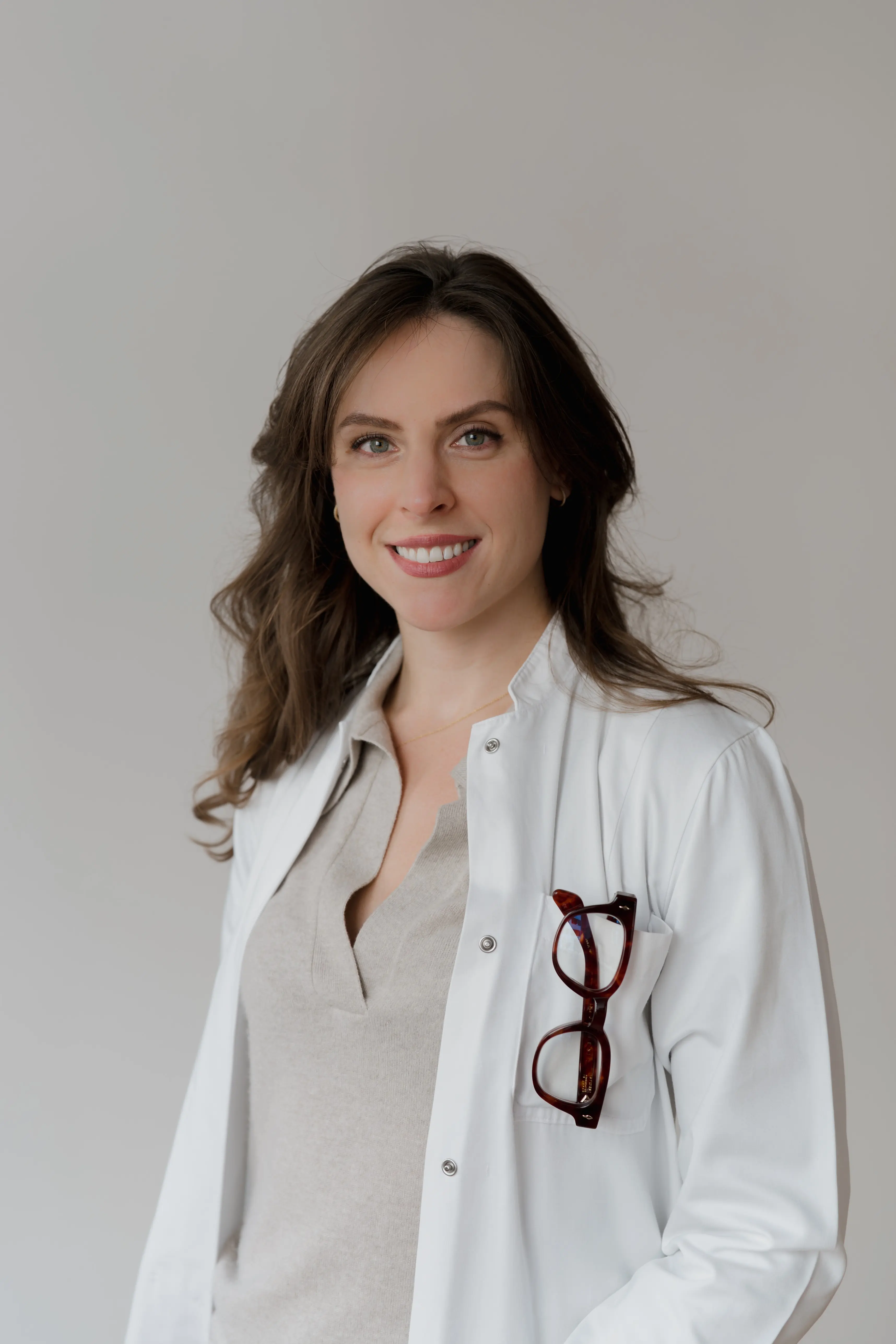
Children today are exposed to allergens far less frequently than in the past. For Dr. Sarah Quick, this is one of the key reasons why allergies have risen so dramatically in recent years — to the point where every third child now suffers from one. What children are most commonly reacting to, why parents often fail to recognize the symptoms as hay fever or a house dust mite allergy, and how to get the better of a cross-allergy — the Munich-based pediatrician covers it all in today's episode of FEEL GOOD, LIVE BETTER.
The Premium Medical Circle Podcast
PMC Managing Director Stephanie Neureuter has spoken with, among others, the endocrinologist and diabetes specialist Dr. Alexandra Schoeneich, the pediatric hormone expert Dr. Claudia Weißenbacher, the dermatologist Dr. Susanne Steinkraus, the ENT specialist Prof. Dr. Christopher Bohr, the gynecologist Dr. Uta Emmerich, and the psychiatrist Prof. Dr. Andreas Menke.
Feel Good, Live Better
In this health podcast from Premium Medical Circle, Stephanie Neureuter sits down with experts from a broad range of fields, including nutrition, mental health and women's health, psychosomatics, surgery, aesthetic medicine, and digital health.
The focus is on health and wellbeing — and on what it takes to live a happy, long life. Informative, engaging, and entertaining.
New episodes every Wednesday, available on Spotify, Apple Podcasts, Deezer, Amazon Music, and Audible.