Ear Cartilage for Knee Osteoarthritis: Can It Prevent Knee Replacement?
A Hamburg orthopedic surgeon harvests tiny cartilage samples from the ear and injects them into arthritic knees. In this interview, Dr. Hans Olaf Baack explains who may benefit, what early studies show and why he avoids making promises
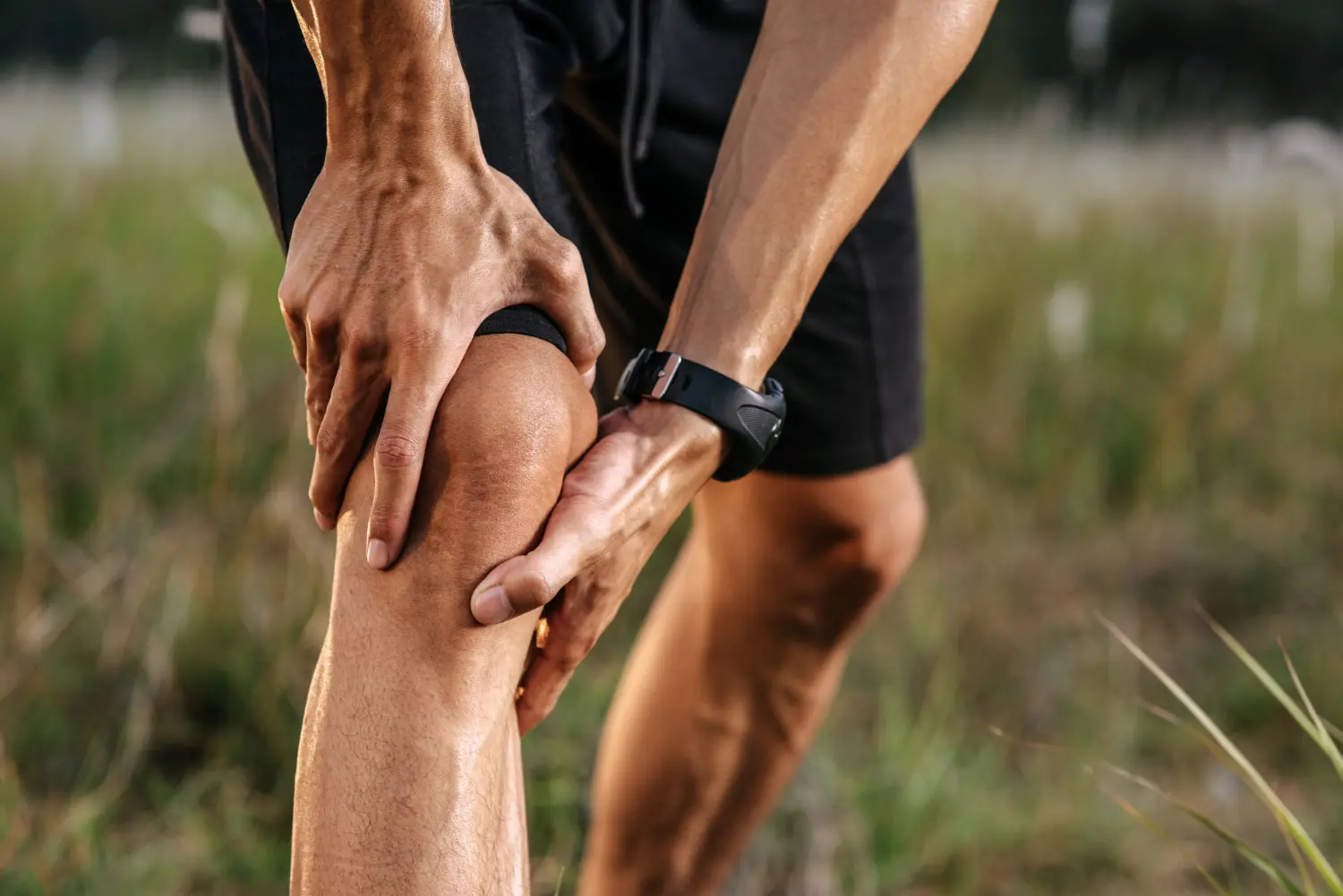
When the cartilage in the knee progressively wears away, pain and restricted movement can place a significant burden on daily life. As osteoarthritis advances, the question of whether an artificial knee joint will eventually become necessary often arises. But is it possible to preserve the natural joint for longer?
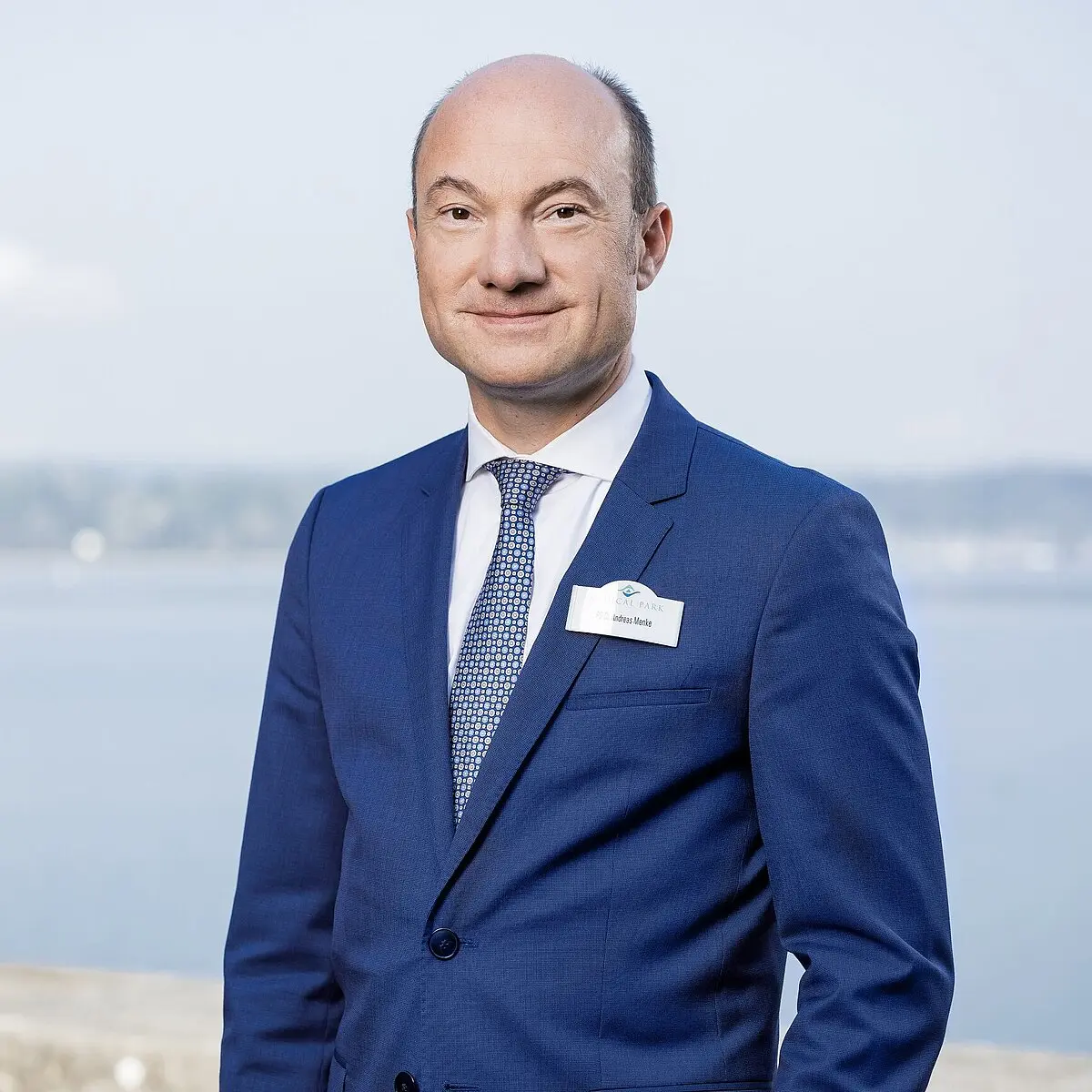
Hamburg orthopedic surgeon Dr. Hans Olaf Baack is using an innovative procedure to do just that: he takes tiny cartilage samples from the auricle, processes them, and injects this autologous material into the affected knee.
Baack, founder of the Arthrose Institut Hamburg, discusses his "Save the Knee" concept in this interview, explaining why ear cartilage in particular is of interest, what experience he has gained with so-called autologous ear cartilage microtransplantation, and where the limits of the method lie.
Dr. Baack, you treat knee osteoarthritis using cartilage taken from the patient's own ear. That sounds unusual. How did you come across this method?
Unusual – yes, that was my first reaction too. I came across the method at a medical conference, and my immediate thought was: we need to look at this more closely. Because for many years I have been preoccupied with one question: why should we give up a natural joint any sooner than absolutely necessary?
My background is in sports medicine, and I have worked with elite athletes for a long time – and still do. In that world, "less pain" is not the actual goal. What matters is: can the person run again, jump, train, and put load on their body?
That way of thinking shapes my work with osteoarthritis patients today as well. We don't just want to manage symptoms. We want to understand what regenerative potential a joint still has and how we can make the best possible use of it.
The idea of using the body's own cartilage tissue from the ear for this purpose therefore struck me as fascinating. We don't need to harvest additional healthy cartilage tissue from the already damaged knee, and the procedure itself is comparatively minor.
This fits with my guiding principle: before replacing a joint, I want to be sure we have truly exhausted every meaningful option for preserving it.
The ear has two useful properties: the cartilage is easily accessible, and we can take very small tissue samples without needing to operate on a joint.
The biology is even more interesting. In the region of the ear cartilage and its perichondrium, we find cells with chondrogenic potential as well as matrix and signaling components that are relevant to regenerative processes.
One important scientific clarification: ear cartilage and articular cartilage are not the same thing.
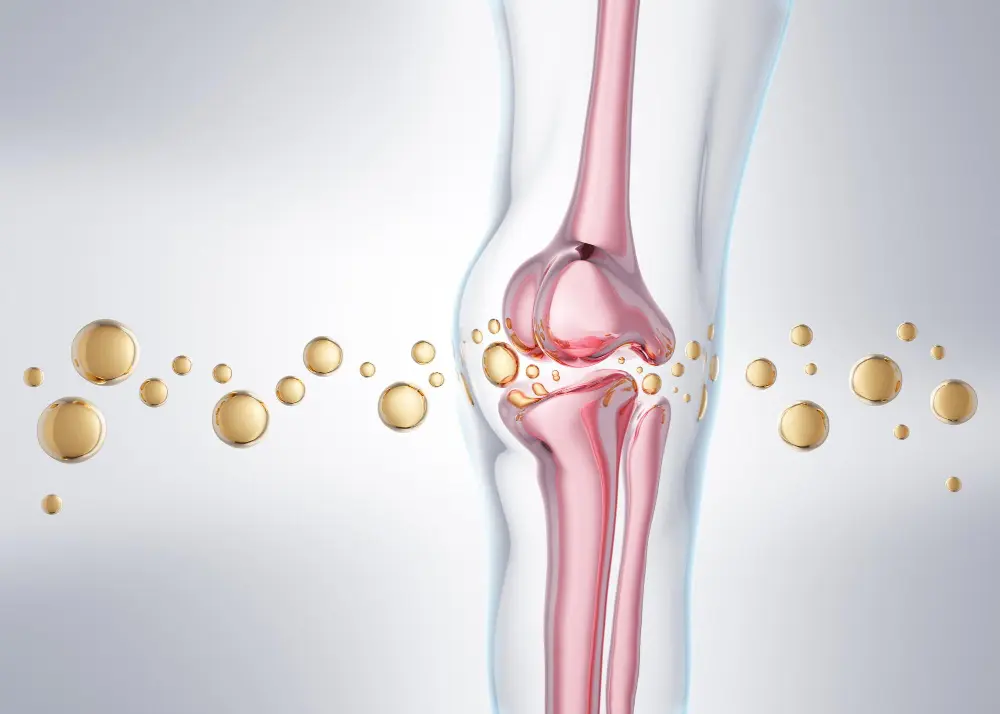
We are therefore not simply taking a piece of ear and using it to replace the damaged cartilage in the knee. The concept behind microtransplantation is rather to introduce the body's own biological material – with its cellular and molecular potential – into the damaged joint.
For me, this is a fascinating concept in regenerative medicine: rather than simply introducing a replacement into the body, we are trying to support the body in making better use of its own capabilities.
Ear Cartilage for the Knee: A Procedure of Just 30 Minutes
What does the treatment actually involve in practice – from the ear sample to the knee injection?
The process is surprisingly straightforward for the patient. Under local anesthesia, we take three very small cartilage samples from behind the auricle, each approximately 2.5 millimeters in diameter. These are then immediately processed mechanically under sterile conditions, producing a suspension of very small autologous cartilage microtransplants.
This suspension is then injected into the affected knee joint. The entire procedure is performed on an outpatient basis and takes approximately half an hour. There is no weeks-long cell cultivation and no major surgery. What is important to me, however, is this: the injection is not the whole therapy.
Osteoarthritis is a disease of an entire joint – and ultimately of an entire movement system. That is why we also take into account muscle strength, leg axis, stability, metabolism, movement, and load management. This is precisely what our "Save the Knee" concept is built on.
Does the treatment actually generate new articular cartilage?
I am very cautious about making grand promises here. There are clinical studies showing improvements in pain and function following treatment, and we can track changes in the joint using modern MRI diagnostics.
But it would be scientifically irresponsible to claim: "We inject ear cartilage into the knee and afterward new, completely normal articular cartilage is guaranteed to grow." We simply don't know that yet. The more meaningful question is: can we influence the biological environment in the joint in such a way that repair processes are promoted, symptoms are reduced, and function is maintained or improved?
The results so far are interesting enough to continue pursuing this question intensively. But regenerative medicine must be held to the same scientific standards as any other form of medicine. I therefore prefer to promise a little less and instead measure as precisely as possible what is actually happening.
Who the Method Is Suitable for – and Who It Is Not
Which patients with knee osteoarthritis are candidates for this treatment?
Not every cartilage defect is the same – and that is precisely why, for me, therapy does not begin with the injection but with diagnostics. I want to know: where is the damage? How extensive is it? What does the remaining articular cartilage look like? How are the menisci and ligaments? Is there a malalignment? How is the musculature functioning? What level of inflammatory activity do we see? And what demands does this person place on their knee?
The procedure may be of interest, for example, in selected cases of higher-grade cartilage damage and early to moderate arthritic changes. Active individuals in particular can make up an interesting patient group. A 45-year-old who wants to continue playing sport places very different demands on their knee than someone whose primary goal is pain-free walking in everyday life.
I therefore don't treat a grade of osteoarthritis. I treat a person with an individual knee and individual goals.
For whom is the treatment not suitable?
A completely destroyed joint cannot be restored to the condition of a healthy 20-year-old knee by an injection. In cases of very advanced osteoarthritis, significant malalignment, or pronounced structural changes, we need to assess very carefully what is still biologically and mechanically achievable.
And if a total prosthesis is medically the most sensible solution, then the patient should receive one. For me, "Save the Knee" explicitly does not mean: prevent a prosthesis at all costs. It means: do not give up the natural joint for as long as there is still a medically sound chance of preserving it.
The Hope for More Years with One's Own Knee
So can the treatment actually prevent a knee prosthesis – or at least delay it?
That is, of course, the question patients ask me most often. My answer is: we cannot guarantee that for an individual patient today. To be able to do so, we would need long-term data spanning many years and significantly larger patient groups.
But perhaps we should also frame the question a little differently. If a person could gain another five, eight, or ten good, active years with their own knee – would that not already be a highly meaningful medical goal?
That is exactly what "Save the Knee" is about. We want to extend the period during which a person can live with their natural joint – with as little pain as possible, while remaining mobile and physically capable. In some patients, we may be able to avoid a prosthesis altogether. In others, we may be able to delay it. Future studies will need to demonstrate this.
Our adversary, then, is not the knee prosthesis. Our adversary is the avoidable loss of function.
What are the risks of the treatment – both at the ear and in the knee?
No medical treatment is without risk – and with innovative procedures in particular, one must be open about this.
At the ear, for example, pain, bruising, swelling, wound healing problems, or in very rare cases infections may occur. In the knee, the general risks associated with a joint injection apply – in particular infection, bleeding, or a temporary reaction of the joint.
We are, however, working with the patient's own tissue. This means that certain immunological concerns associated with foreign materials do not arise in the same way.
For me, three things are therefore essential: careful patient selection, sterile execution, and honest communication about what the treatment can achieve – and what it cannot.
How strong is the scientific evidence for ear cartilage therapy so far?
It is promising – but still in its early stages.
We have experimental studies on the biological effects of microtransplants and initial clinical data. In a published prospective observational study, for example, ten patients with early to moderate knee osteoarthritis were treated. Following treatment, the clinical parameters examined improved markedly.
However, ten patients do not constitute definitive evidence. The study had no control group, and we need larger randomized controlled trials and longer observation periods. I am particularly interested in three questions: who benefits? How much do they benefit? And how long does the effect last?
Regenerative orthopedics will need to be judged by whether we can demonstrate such effects in a reproducible and objective manner. For me, innovation is therefore not the opposite of evidence-based medicine. On the contrary: an innovation only truly proves its value when we begin asking the right questions of it.
And that leads me directly to a follow-up question: why do we only begin focusing intensively on joint preservation once a patient already has significant symptoms or cartilage damage?
You recently founded your own osteoarthritis institute. Why do you believe a new perspective on osteoarthritis is needed?
Because with osteoarthritis, we still too often act too late. Many people only see a specialist once they are already in significant pain and structural damage is well advanced. By that point, the conversation is about injections, surgery, or eventually an artificial joint.
But I am increasingly drawn to the question: what if we started ten years earlier? Osteoarthritis generally does not develop overnight. Age plays a role, but so do previous injuries, lack of exercise, excessive strain, muscle condition, metabolism, and other individual factors – some of which can be influenced.
That is precisely why I founded the Arthrose Institut. We don't want to treat osteoarthritis only once the joint is already significantly damaged. We want to identify individual risk earlier, diagnose with precision, and – where medically possible – intervene proactively.
This is not about any single method. Ear cartilage transplantation, regenerative procedures, and modern imaging are all building blocks. What matters is developing a meaningful strategy tailored to each individual: what does this joint need right now to function for as long as possible?
From my work with elite athletes, I have been familiar with this approach for many years. In that world, no one waits until a problem is fully developed. We analyze load, function, recovery, and risk factors, and we try to intervene early. Why should we reserve this principle for top athletes alone?
For me, this is the connection between osteoarthritis medicine and musculoskeletal longevity: it is not only about how long we live. What matters equally is how long we can move with minimal pain, independently, and with joy. And prevention begins with knowledge.
That is why we have developed a scientifically based osteoarthritis risk calculator at the Arthrose Institut. With it, we want to help people engage in a structured way with their personal risk profile and, in particular, to identify the factors they can influence themselves — because the best opportunity to preserve a joint may not be when it first starts to hurt.

-1.webp)