© Joao Jesus
June 12, 2026
Christine Bürg and Marianne Waldenfels
Physiotherapist and health coach Andreas Stollreiter discusses the philosophy of osteopathy, identifying the root causes of pain and illness, and the surprising links between the musculoskeletal system, digestion, the nervous system, and mental health
Back pain, migraines, digestive problems, stress and chronic complaints—conditions many people seek treatment for not simply to relieve symptoms but to address the underlying causes. For Andreas Stollreiter, this is precisely where osteopathy excels.
The physiotherapist, naturopath, and biohacking expert views the human being as an integrated whole of body, movement, and mind. In the interview, he discusses the connection between the gut, nervous system, and wellbeing, the philosophy of osteopathy, and why sustainable health must always be approached holistically.
Everyone has heard the term osteopathy. But what exactly does it involve, and how does it differ from conventional physiotherapy?
That's actually the question I get asked most often. Physiotherapy is an excellent approach for managing symptoms, with a primary focus on the skeleton, muscles, and nervous system.
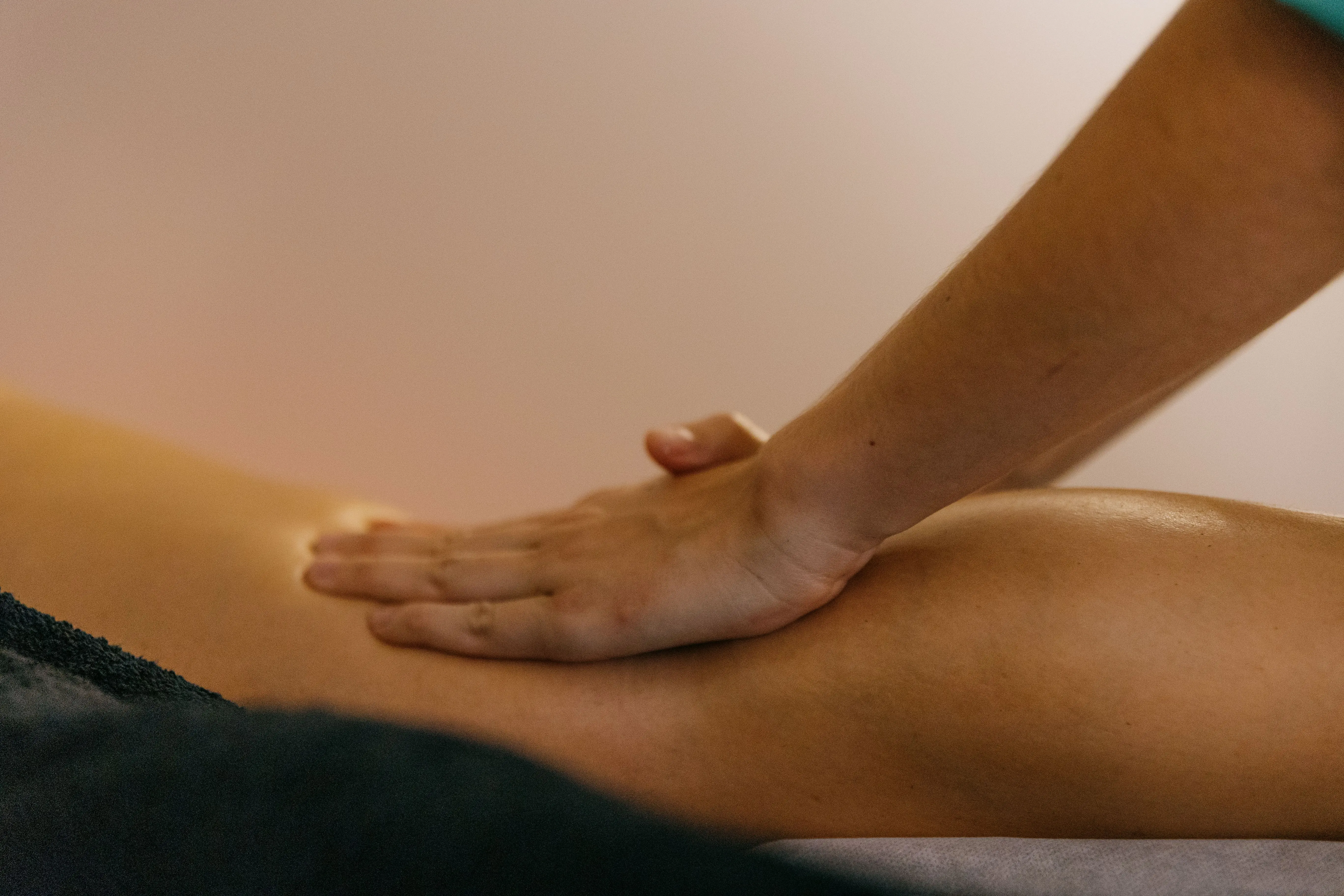
Osteopathy takes a different approach. Andrew Taylor Still, the founder of osteopathy, said: 'In the human being, one finds matter, movement and spirit.' This principle forms the foundation of osteopathic therapy. Rather than focusing solely on bones, nerves, or lymph vessels, it emphasizes viewing the human being as a complete whole.
Movement occurs not only in our joints, but at every level—in individual cells, connective tissue, and throughout all body systems. Osteopathy addresses all these levels and incorporates them into treatment.
Osteopathy remains classified as an alternative therapy. What does the scientific evidence show?
In fact, there is substantial scientific research on osteopathy. The challenge is that many studies cannot be blinded because of the nature of the treatment and often involve small participant groups. As a result, some very promising findings don't receive the attention they deserve.
Especially with back pain and migraines, as well as in pediatric and infant osteopathy, there are now numerous studies showing convincing results. There are also interesting scientific findings in areas such as burnout, , and digestive system complaints.
I would personally prefer to replace the term 'alternative treatment method' with 'natural treatment method'. In the USA, osteopathy is a full medical degree with the same basic educational content as classical medicine.
The World Health Organization defines specific criteria for an independent medical discipline: its own philosophy, distinctive diagnostic and treatment methods, and ongoing research. Osteopathy has met these requirements for over 125 years.
You mentioned that osteopathy can help with burnout and stress. How does that work?
It's primarily about how different body systems interact with each other.
The autonomic nervous system comprises two branches: the sympathetic and parasympathetic nervous systems. The parasympathetic nervous system is primarily controlled by the vagus nerve. Interestingly, approximately 80 percent of the information carried by the vagus nerve travels from the organs to the brain, while only about 20 percent flows in the opposite direction.
This is why the gut plays such a crucial role in our emotional wellbeing. Intestinal issues and emotional stress often share common neurological origins.
In osteopathy, we aim to consider these relationships and address issues such as the pathway of the vagus nerve or tension in the diaphragm. The goal is to restore balance among the body's various systems.
What should you look for when choosing an osteopath?
A good osteopath views the human being holistically and takes into account all aspects of the osteopathic concept.
Some therapists work exclusively with manual therapy. While this can certainly be useful, it doesn't represent the complete osteopathic approach. For me, this also involves perceiving and treating the deeper connections and movements within the body.
Training is also crucial. Members of recognized osteopathy associations typically must complete a five-year course of study and provide evidence of ongoing continuing education. These requirements ensure patients receive proper guidance.
It's worth noting that naturopaths and doctors are sometimes permitted to bill for osteopathic services after completing significantly shorter training programs. This can occasionally result in patients having vastly different experiences.
What made you choose osteopathy?
As a child, I originally wanted to become a physiotherapist. My father was a professional handball player, and through him I came into contact with physiotherapists at an early age. For a long time, that was my only career aspiration.
However, shortly before my graduation, I had a near-death experience caused by cardiac arrest. At the time, I wasn't aware of its significance, but looking back, it was probably the first sign that there's more to life than the purely material.
Later, I had formative experiences in other places, including Tibet. These experiences led me to see the human being as more than just a physical entity. That's what drew me to osteopathy. I'm fascinated by the idea that health emerges from the interplay of the body, movement, and the deeper levels of our being.
When do you use osteopathy versus physiotherapy in your practice?
Both methods have their merits and complement each other well.
In our practice, we conduct an osteopathic examination for every patient. We always start by identifying the underlying causes of the complaints, which often originate much further back than the current injury or acute pain.
If someone repeatedly twists their ankle, for example, the natural question becomes: why does this keep happening? Could there be structural causes? Are old injuries or perhaps emotional stress playing a role?
Osteopathy helps us recognize these connections and restore the body to balance. Physiotherapy then typically follows to specifically strengthen, mobilize, and stabilize the muscles and joints.
In your 'Holy Physix Health' concept, you combine osteopathy and biohacking. What's your reasoning?
For me, osteopathy is the original biohack.
If you define biohacking in modern terms, it's about manipulating your environment and biological processes so your body can function at its best. That's precisely what osteopathy aims to do.
The body has an innate ability to heal itself, or so the saying goes – but only when all its systems work together in harmony. This is ultimately the same basic idea.
This is why I combine osteopathy with approaches like cold and heat therapy, hypoxia training, and other targeted stress stimuli. However, these treatments can only be truly effective if the body has been brought into balance first.
How often should you have osteopathic treatment?
Of course, that depends on the individual situation.
For chronic complaints, I typically work with four to five sessions spaced about a week apart. A noticeable change should already be apparent during this time. If not, the therapeutic approach must be questioned and adjusted if necessary.
After that, the intervals are typically longer, approximately two to four weeks. Long-term, I recommend that many patients undergo preventive treatment two to three times per year.
The body compensates for psychological, physical, and chemical stress, often over long periods of time. Eventually, however, these compensation mechanisms become exhausted and complaints arise. Prevention can help avoid reaching that point in the first place.
Is there a patient case that has remained particularly memorable to you?
There are many, but one story has stayed with me to this day.
A patient came to me with advanced knee arthritis. An avid mountaineer and mountain biker, he had already been advised to undergo knee surgery and simply wanted support leading up to the procedure.
During the examination, however, I noticed severe tension in the kidney area. So I treated exclusively the corresponding structures in the abdominal cavity and mobilized the fascia around the kidney. I barely touched the knee itself.
Two days later, the patient called me and said the knee pain was gone.
The arthritis was certainly still present. But the actual source of the pain apparently lay in the fascial connections. That was about ten years ago. To this day, he doesn't need a knee prosthesis, exercises regularly, and maintains regular check-ins with me. Stories like these demonstrate how important it is to view the human being as a whole.
I would like to quote Dr. Viola Frymann in this context. She is considered one of the great pioneers of modern osteopathy and founded the first school for pediatric and infant osteopathy in San Diego, among other accomplishments.
A quote from her perfectly captures what osteopathy is ultimately about:
'Becoming an osteopath is much more than accumulating knowledge or perfecting specific techniques. It is an entire developmental process that provides the opportunity to develop an intuitive perception of the instrument that is capable of attuning itself to the patient and perceiving everything within them. Becoming an osteopath means acquiring the ability to respond to the patient's deepest needs.'
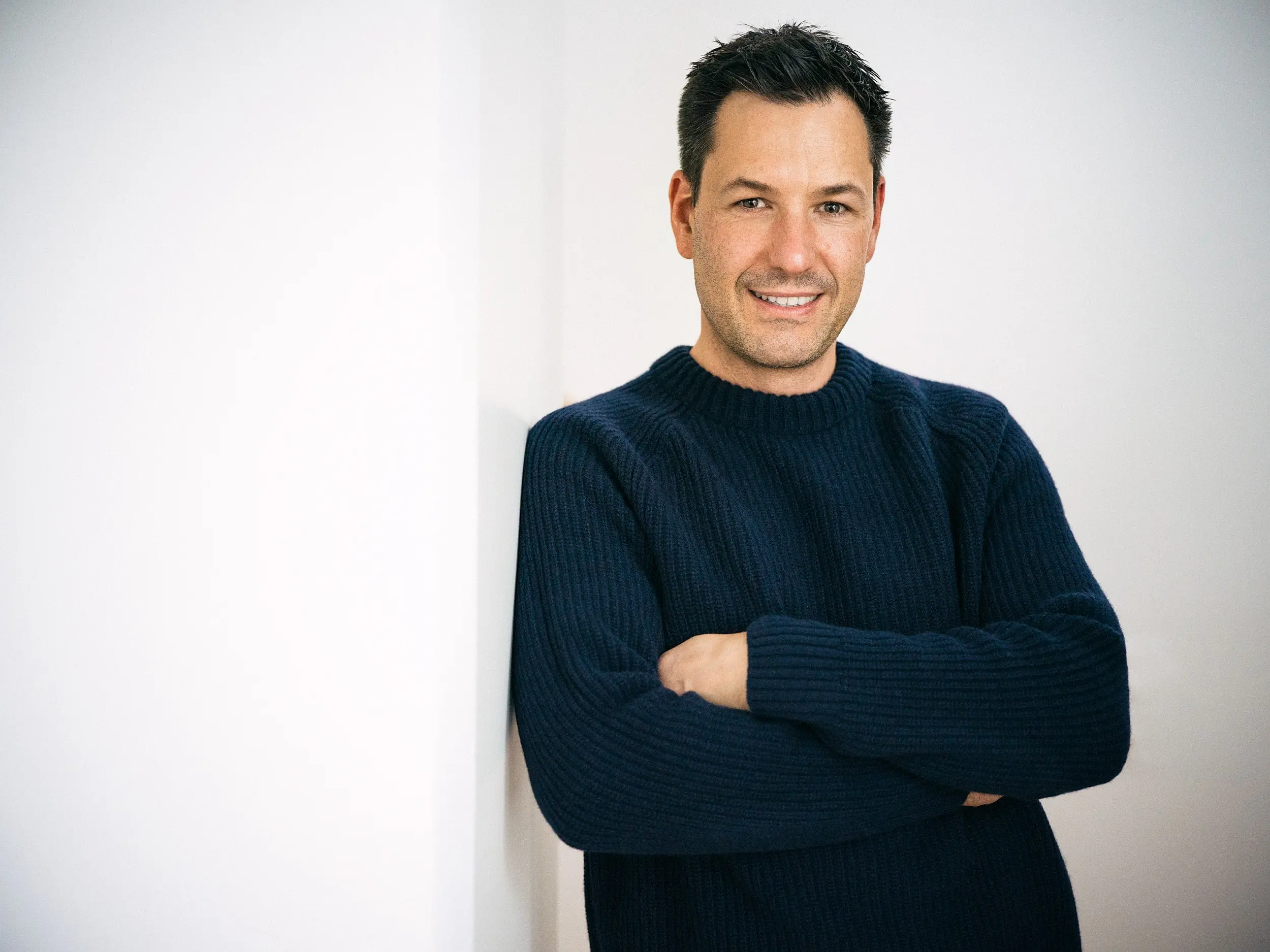
Andreas Stollreiter has been working with health and mental resilience for over 20 years. A trained physiotherapist, osteopath, naturopath, and yoga teacher, he is also an extreme sports athlete who coaches executives and elite athletes.

Physiotherapist and health coach Andreas Stollreiter discusses the philosophy of osteopathy, identifying the root causes of pain and illness, and the surprising links between the musculoskeletal system, digestion, the nervous system, and mental health
Christine Bürg and Marianne Waldenfels