© Laker
July 26, 2026
Marianne Waldenfels
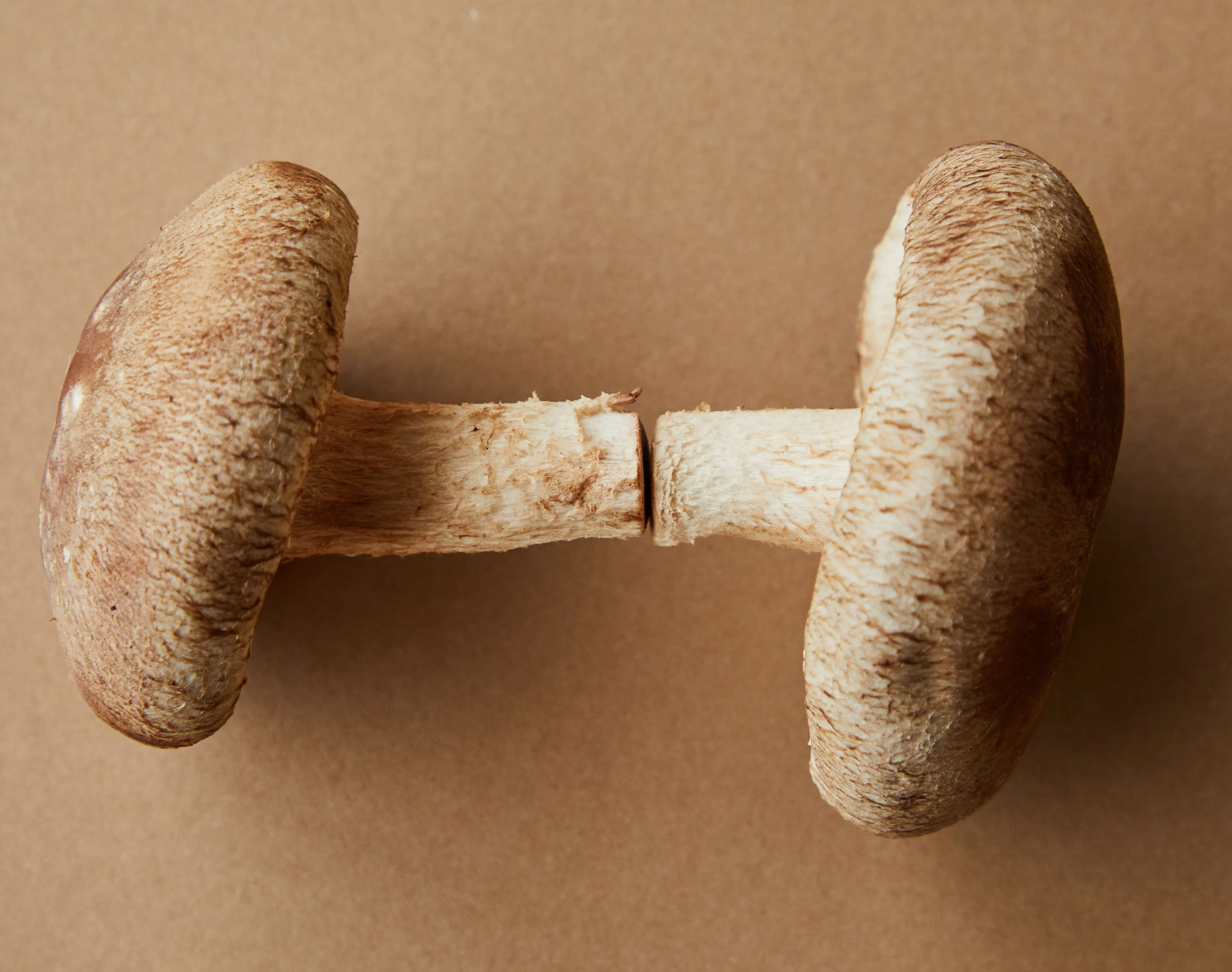
Shiitake, porcini, and oyster mushrooms contain ergothioneine, a natural compound that is attracting growing scientific interest. Early studies suggest it may support brain health, cardiovascular health, and healthy aging—but what does the evidence actually show?
Few areas of nutritional research are growing as rapidly as the search for compounds that could support healthy aging. Alongside omega-3 fatty acids and polyphenols, a compound that most people have never heard of is beginning to attract serious attention: ergothioneine.
This antioxidant is found primarily in mushrooms such as shiitake, porcini, and oyster mushrooms. Early studies link higher ergothioneine levels to a lower risk of cognitive decline and cardiovascular disease. Whether the compound actually offers causal protection, however, has not yet been scientifically established.
Oxidative stress is considered one of the factors that can drive aging processes and a range of chronic diseases, including cardiovascular disease, neurodegenerative conditions, and type 2 diabetes. Antioxidants are thought to neutralize free radicals and thereby protect cells from damage.
Ergothioneine differs from many other antioxidants, however. Rather than simply being absorbed and excreted, it is actively transported to particularly sensitive tissues. This is carried out by a specialized transporter called OCTN1 (SLC22A4), which shuttles ergothioneine into the brain, liver, kidneys, eyes, and red blood cells, among other sites — where it can accumulate over an extended period of time.
Another distinctive feature: neither the human body nor plants can produce ergothioneine on their own. It is synthesized exclusively by certain fungi and microorganisms, which means we are entirely dependent on dietary intake — a fact that has only deepened scientific interest in the compound.
Much of what is currently known comes from laboratory and animal studies. These suggest that ergothioneine may support various protective mechanisms in the body. Among the effects under investigation is whether the compound:
Will artificial intelligence replace doctors? Digital health expert Prof. Dominik Pförringer explains which tasks AI will take on in the future, where its limits lie, and why the personal doctor-patient conversation remains irreplaceable.
Christine Bürg & Marianne Waldenfels

An interview with
Univ.-Prof. Dr. med. Dominik Pförringer

The first GLP-1 weight-loss pill has been approved in the EU. Can it compete with Ozempic, Wegovy & Co.? Cardiologist Prof. Uwe Nixdorff explains the tablet's advantages and limitations compared with injections.
Christine Bürg & Marianne Waldenfels

With
Prof. Dr. Uwe Nixdorff

"Feel good, live better" – in this podcast episode, Dr. Alexander de Heinrich shares how he helps his patients achieve a body they feel truly comfortable in.
Christine Bürg

An interview with
Dr. Alexander de Heinrich

Many people start their day with a "half-empty battery," says sports medicine physician Dr. Lutz Graumann. He explains why recovery matters more than many people realize—and how sleep, nutrition, exercise, and simple habits can help restore your energy
Christine Bürg & Marianne Waldenfels
These findings are scientifically promising. They do not automatically mean, however, that the same effects can be demonstrated in humans to the same degree — and that is precisely where current research is focused.
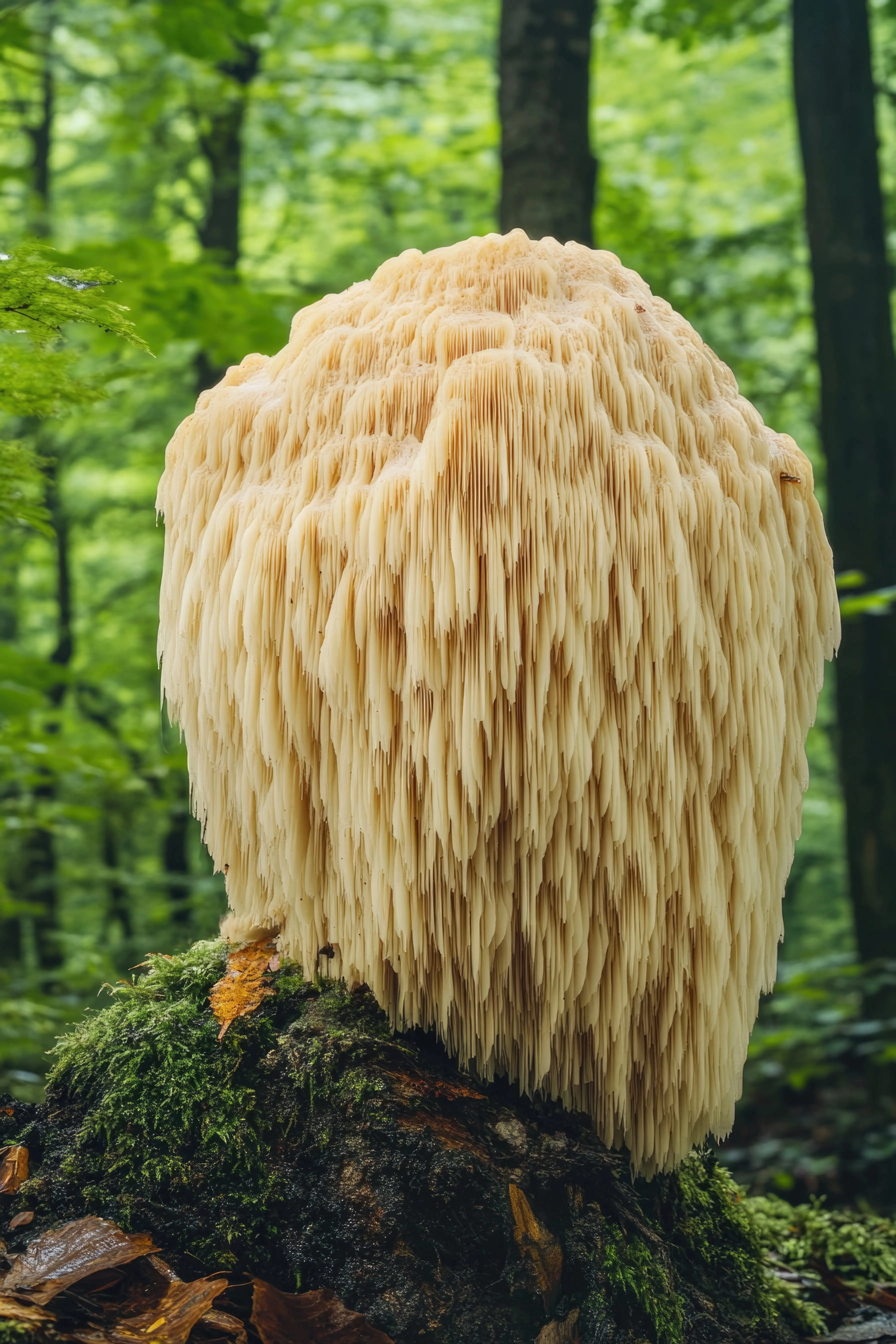
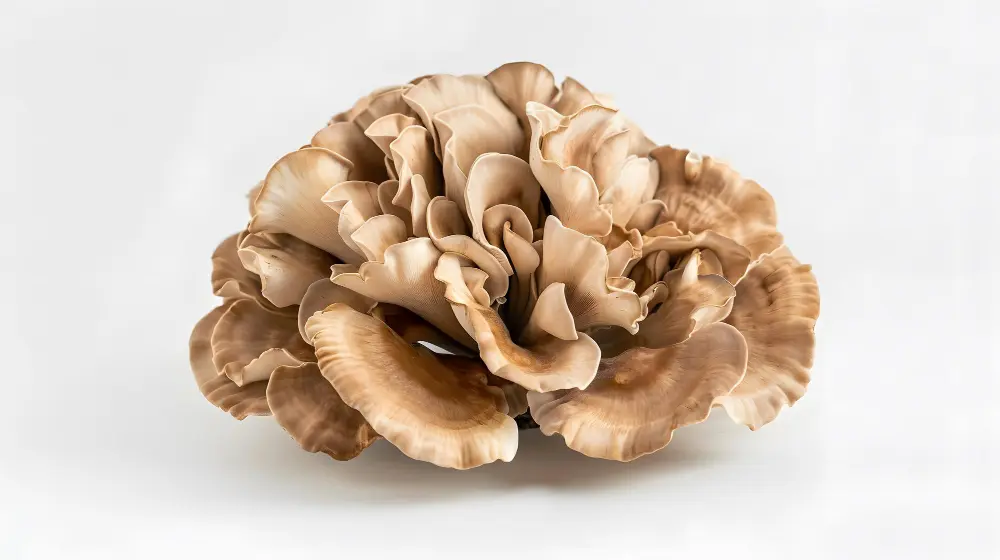
Not all mushrooms provide the same amount of ergothioneine. The content depends on the species, growing conditions, and how the mushrooms are processed. Particularly high concentrations have been measured in porcini, king oyster mushrooms, shiitake, and oyster mushrooms, among others. Button mushrooms also contain ergothioneine, though in smaller amounts — with brown varieties typically showing somewhat higher levels than white ones.
Outside the fungal kingdom, ergothioneine is found only in small amounts — for example in certain varieties of beans or in poultry liver. For most people, edible mushrooms are therefore by far the most important natural source.
One detail has particularly captured scientists' attention: the human body has its own dedicated transporter for ergothioneine. This is unusual, since most compounds derived from plants or fungi enter cells in a relatively nonspecific way.
This biological quirk has sparked an ongoing debate. Some researchers now argue that ergothioneine should be viewed less like an ordinary antioxidant and more like a vitamin.
It has no official vitamin status. Nevertheless, the fact that the body actively absorbs and stores the compound does suggest it may have a special physiological significance — a question that current studies are working to answer.
Interest in ergothioneine is growing especially quickly in brain research. The underlying premise is that oxidative stress and chronic inflammation may contribute to the development of neurodegenerative diseases such as Alzheimer's disease or Parkinson's disease. Whether ergothioneine actually plays a protective role in this context is currently under intensive investigation.
A study from the National University of Singapore attracted considerable attention. The researchers followed more than 600 older adults and found that those who ate at least two portions of mushrooms per week had approximately 50 percent lower risk of mild cognitive impairment than people who rarely consumed mushrooms.
The authors point to the high ergothioneine content of many edible mushrooms as one possible explanation. At the same time, they are careful to emphasize that their study cannot prove a causal relationship. Other components of mushrooms, or generally healthier lifestyle habits among mushroom eaters, could also have contributed to the observed effect.
Other studies have reached similar conclusions. A study of 496 participants, published in Free Radical Biology and Medicine, found that people with dementia had, on average, lower blood levels of ergothioneine than cognitively healthy controls. Lower concentrations were also associated with greater loss of certain brain regions.
Taken together, the findings to date make ergothioneine a compelling area of research — but they are not yet sufficient to establish that it protects against dementia or other neurodegenerative diseases.
The brain is not the only focus of researchers' attention — the heart and blood vessels are also under the microscope. Several observational studies show that people with higher blood levels of ergothioneine develop cardiovascular disease less frequently and have an overall lower mortality rate.
Given that chronic inflammation and oxidative stress are considered major drivers of arteriosclerosis, a connection seems biologically plausible.
Caution is nonetheless warranted. Observational studies cannot establish cause and effect. People who regularly eat mushrooms often follow a more balanced diet overall, exercise more, or have other health-promoting habits. How large a role ergothioneine itself plays in the observed effects cannot be determined with certainty at this stage.
Many vitamins are sensitive to heat. Ergothioneine, by contrast, is among the more stable natural compounds. Based on current knowledge, frying, steaming, or boiling results in only minor losses. Dried mushrooms also retain high amounts of the compound — largely because ergothioneine becomes more concentrated as water is removed.
In practical terms, this means that people who eat mushrooms regularly need not take any special precautions during preparation. Whether sautéed, braised, or oven-roasted, ergothioneine is largely preserved.
As interest in ergothioneine grows, so does the range of dietary supplements on the market. Whether these actually deliver a health benefit has not yet been established, however.
Clinical trials are currently underway examining the potential benefits of targeted ergothioneine supplementation. The available data are not yet sufficient to support a general recommendation, however. Neither the European Food Safety Authority (EFSA) nor other professional organizations currently recommend taking such supplements.
The picture is different when it comes to mushrooms themselves. They provide not only ergothioneine but also dietary fiber, vitamins, minerals, and other bioactive substances that may work together synergistically. From a nutritional science perspective, the current evidence therefore favors regular mushroom consumption over isolated dietary supplements.
Ergothioneine is one of the most intriguing natural compounds currently being studied in nutritional research. The fact that the human body has its own dedicated transport mechanism for this mushroom compound suggests it plays a special biological role. Observational studies also offer interesting indications of links between ergothioneine and brain health, cardiovascular disease, and healthy aging.
The available data are not yet sufficient, however, to label ergothioneine a miracle remedy or anti-aging substance. Whether the compound can actually prevent disease or slow aging processes remains to be demonstrated by larger clinical trials.
Until then, one simple takeaway stands: anyone who regularly incorporates mushrooms such as shiitake, porcini, oyster mushrooms, or button mushrooms into their diet will naturally obtain ergothioneine through food — along with a host of other nutrients that complement a balanced diet.