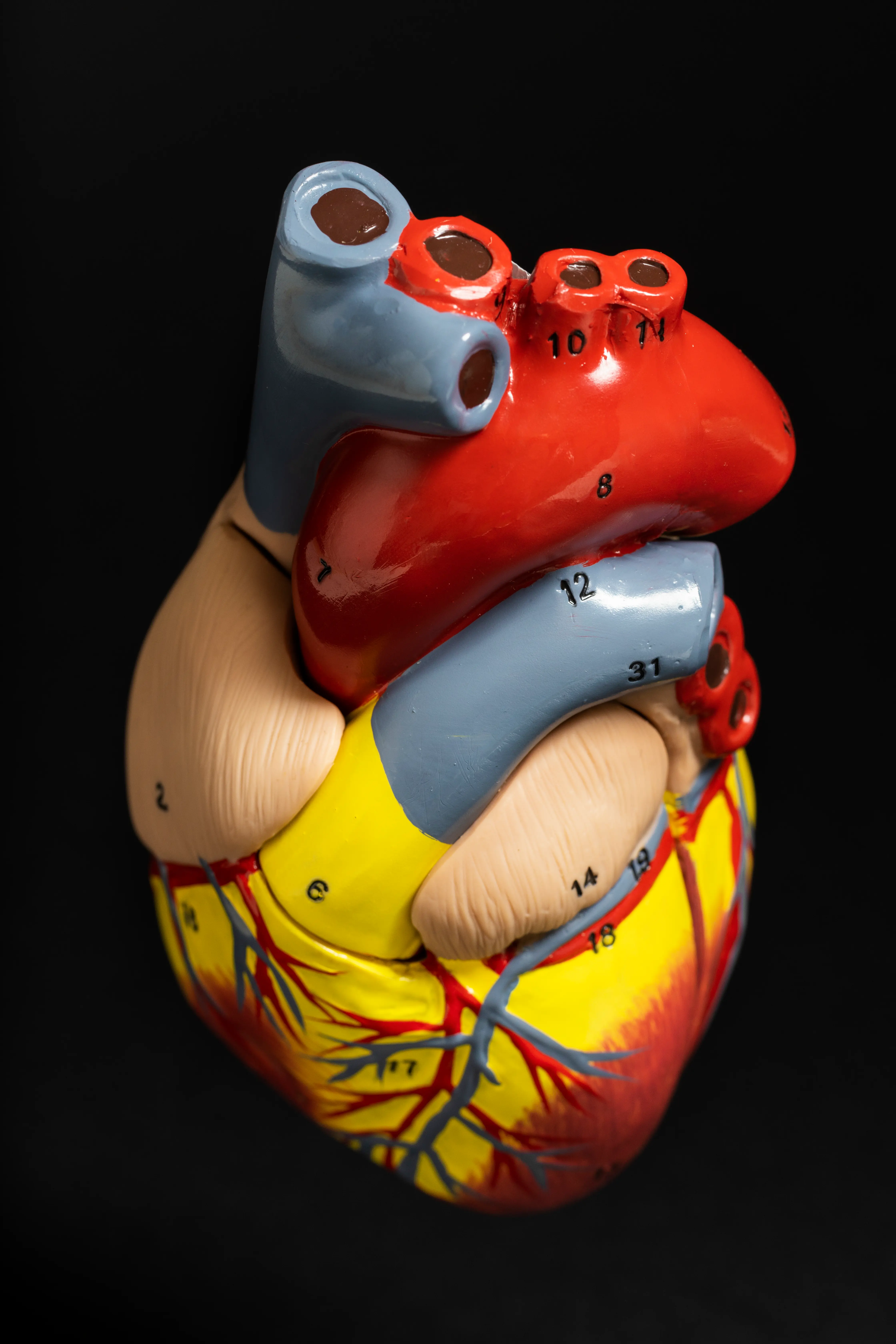
Podcast Heart Health with Dr. Ferdinand Vogt
"Feel good, live better" – the health podcast by Premium Medical Circle. In this episode, heart surgeon Dr. Ferdinand Vogt talks, among other things, about what can be done for a healthy heart.
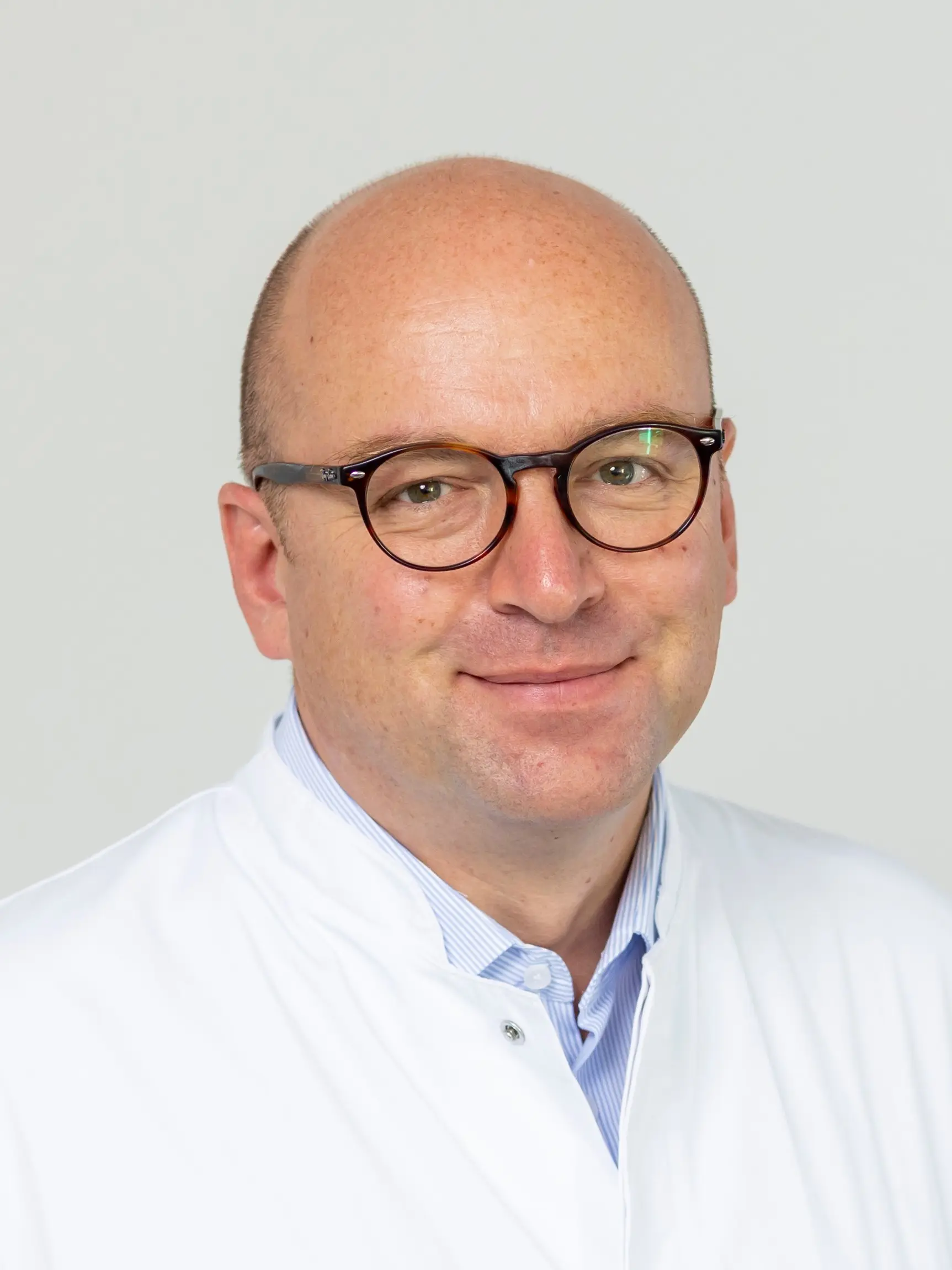
Heart surgeon Dr. Ferdinand Vogt, Senior consultant at Artemed Klinikum München Süd, on matters of the heart: Why women have heart attacks less often than men, but die from them more frequently. How to protect yourself from cardiovascular diseases and whether or when cholesterol-lowering drugs really make sense.
The podcast by Premium Medical Circle
PQ publisher Stephanie Neureuter met, among others, the health expert Nils Behrens, the orthopedist and digital health expert Dr. Dominik Pförringer, den Sportzahnmediziner Dr. Siegfried Marquardt, den Dermatologen Dr. Timm Golüke, die Unternehmerin Stephanie Neumann sowie die Plastische Chirurgin Dr. Caroline Kim.
Feel good, live better
Im Health-Podcast von Premium Medical Circle spricht Stephanie Neureuter mit Expertinnen und Experten aus ganz unterschiedlichen Bereichen wie Ernährung, Mental Health und Frauengesundheit, Psychosomatik, Chirurgie, Ästhetische Medizin oder Digital Health.
Wie in dem Print-Magazin geht es um Health und Wellbeing und darum, wie wir ein glückliches, langes Leben führen können. Informativ, spannend, unterhaltsam.
Immer mittwochs, bei Spotify, Google Podcasts, Deezer, Amazon Music und Audible.