© Kaboompics
November 2, 2026
Christine Bürg & Marianne Waldenfels
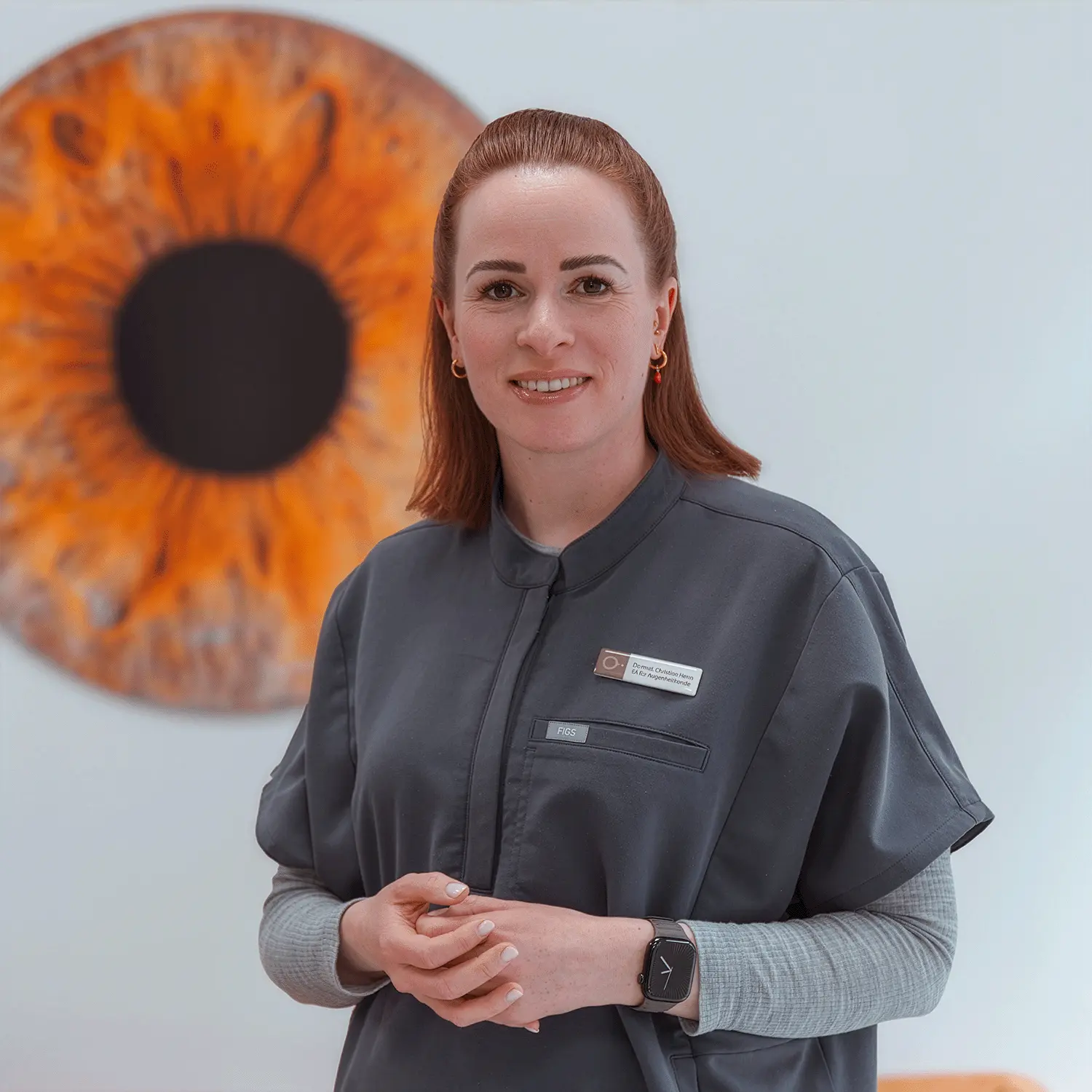
Burning or watery eyes despite regular use of eye drops? Ophthalmologist Dr. Christine Heun explains what causes the symptoms, why women are more frequently affected, and which new treatments are available.

An interview with
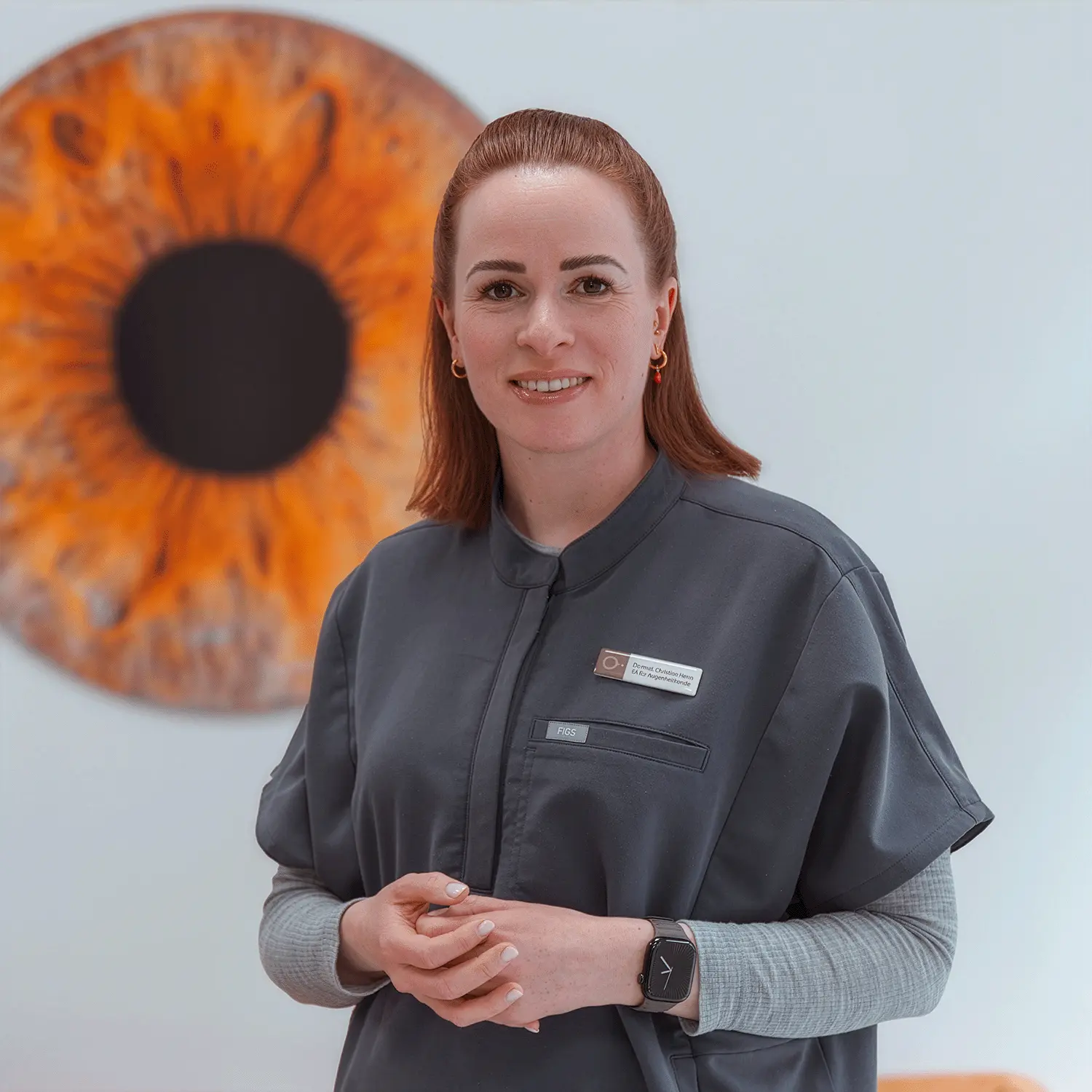
Dr. Christine Heun
Dry eyes can significantly impact everyday life. For a long time, artificial tears were seen as a simple solution. In recent years, however, our understanding of so-called sicca syndrome has changed fundamentally. Today, ophthalmologists can more precisely identify which disorders are behind the symptoms and tailor treatment accordingly.
New procedures such as tear film analysis and modern light therapies are expanding the range of options. What actually helps, what role hormones and screen use play, and what people should watch out for when choosing eye drops — ophthalmologist Dr. Christine Heun from the IRISIOvital eye clinic explains it all.
Dr. Heun, many people reach for eye drops when they have dry eyes. Why is that often not enough?
Lubricating eye drops relieve symptoms, but they don't always address the underlying cause. Meibomian gland dysfunction is frequently to blame — it causes the tear film to become unstable and evaporate too quickly. In such cases, pure hyaluronic acid preparations provide only temporary relief. That's why a thorough tear film analysis is the essential first step, after which targeted therapy can begin.
What role do the meibomian glands play, and how can you tell when they aren't working properly?
We now know that the meibomian glands along the eyelid margin play a central role in maintaining a healthy ocular surface. They produce an oily substance called meibum, which forms the outer lipid layer of the tear film and prevents tears from evaporating too quickly.
When the glands' ducts become blocked or the secretion is no longer produced at the right quality, the tear film becomes unstable. Patients then experience typical symptoms such as burning, a foreign body sensation, irritated eyelid margins, paradoxical tearing, and fluctuating vision. Modern tear film analysis can be used to assess the lipid layer, while meibography allows gland function to be examined in detail.
What is really behind so-called sicca syndrome — is the eye simply lacking tear fluid?
No, it's not that simple. We now understand that dry eye disease is a complex, multifactorial condition of the ocular surface. The majority of patients have a disruption of the lipid phase, or mixed forms of dry eye in which the aqueous phase of the tear film evaporates too quickly.

Less commonly, some conditions involve insufficient tear fluid production, such as Sjögren's syndrome. In dry eye disease, inflammatory processes on the ocular surface also play an important role alongside tear composition and meibomian gland function — and this is precisely where modern therapies come in.
Can the wrong eye drops actually make symptoms worse?
Absolutely. Many over-the-counter lubricating eye drops contain preservatives, which with frequent use can further irritate an already stressed ocular surface. That's why I recommend preservative-free preparations for regular use.
When meibomian gland dysfunction is present, lubricating drops containing only hyaluronic acid are not sufficient — lipid-containing eye drops are more appropriate in these cases. It is therefore crucial not simply to use drops more often, but first to determine which form of dry eye is actually present.
Why do women going through menopause suffer from dry eyes more often?
Women are statistically more often affected by dry eyes. Hormonal factors play an important role here. Around the time of menopause, the hormonal balance shifts, which leads to poorer meibomian gland function and can increase the tendency toward inflammation. Tear production also decreases with advancing age.
What effect do hours of screen use and smartphone use have on our eyes?
A very significant one. When concentrating on a screen, the blink rate decreases — and blinking regularly is essential for distributing the tear film evenly across the cornea. When this natural rhythm is disrupted, the tear film breaks up more quickly and evaporates more readily.
Long hours of computer work can significantly worsen existing symptoms, especially when dry heating air and an unfavorable sitting posture are also factors. As an immediate measure for tired, burning eyes, making a conscious effort to blink fully and regularly can help.
What has changed in the treatment of dry eyes in recent years, and what new therapies are available?
Fortunately, the treatment of dry eye has advanced considerably in recent years. Where artificial tears were once used as a blanket solution, we now aim to identify more precisely which disorder is driving the symptoms.
For meibomian gland dysfunction, for example, heat treatments, targeted eyelid margin care, and professional procedures such as IPL and low-level light therapy are now used. Since recurring inflammatory processes in the eye also play a role, immunomodulatory therapies such as cyclosporin eye drops are increasingly being used as well.
In severe cases, autologous serum eye drops or therapeutic contact lenses may be considered. The clear trend is moving away from a one-size-fits-all approach toward individualized therapy tailored to the underlying cause.
What can people do themselves in everyday life to help stabilize the tear film?
Quite a lot! When working at a screen, it's important to take regular breaks and avoid drafts and overly warm heating air. The monitor should ideally be positioned slightly below eye level, as this keeps the eyes less wide open and can reduce evaporation.
For meibomian gland dysfunction, warm compresses and appropriate eyelid care can be very beneficial. When using tear substitutes frequently, preservative-free preparations should always be chosen.
If symptoms persist, it's always worth seeing an ophthalmologist. The more precisely the cause is identified, the more targeted the treatment can be!

Burning or watery eyes despite regular use of eye drops? Ophthalmologist Dr. Christine Heun explains what causes the symptoms, why women are more frequently affected, and which new treatments are available.
Christine Bürg & Marianne Waldenfels

An interview with
Dr. Christine Heun

When fingers tingle or go numb at night, carpal tunnel syndrome may be to blame. Hand surgeon Prof. Dr. Helen Abel explains when a splint is sufficient, why waiting too long can cause permanent nerve damage, and what the chances of recovery are after surgery.
Christine Bürg & Marianne Waldenfels

An interview with
Prof. Dr. med. Helen Abel

A nasal spray containing synthetic mebufotenin, a psychedelic also found in toad secretion, has shown promising results after just one dose in patients with treatment-resistant depression. Psychiatrist Prof. Dr. Andreas Menke explains what makes the substance different from other psychedelics and how significant the findings really are.
Christine Bürg & Marianne Waldenfels

An interview with
Prof. Dr. med. Andreas Menke