© Mark Arron Smith
January 1, 2026
Christine Bürg
Sports and impaired vision rarely make a successful team. Modern laser treatments or special glasses for golfers, cyclists & co. lead back to the road to victory.
With
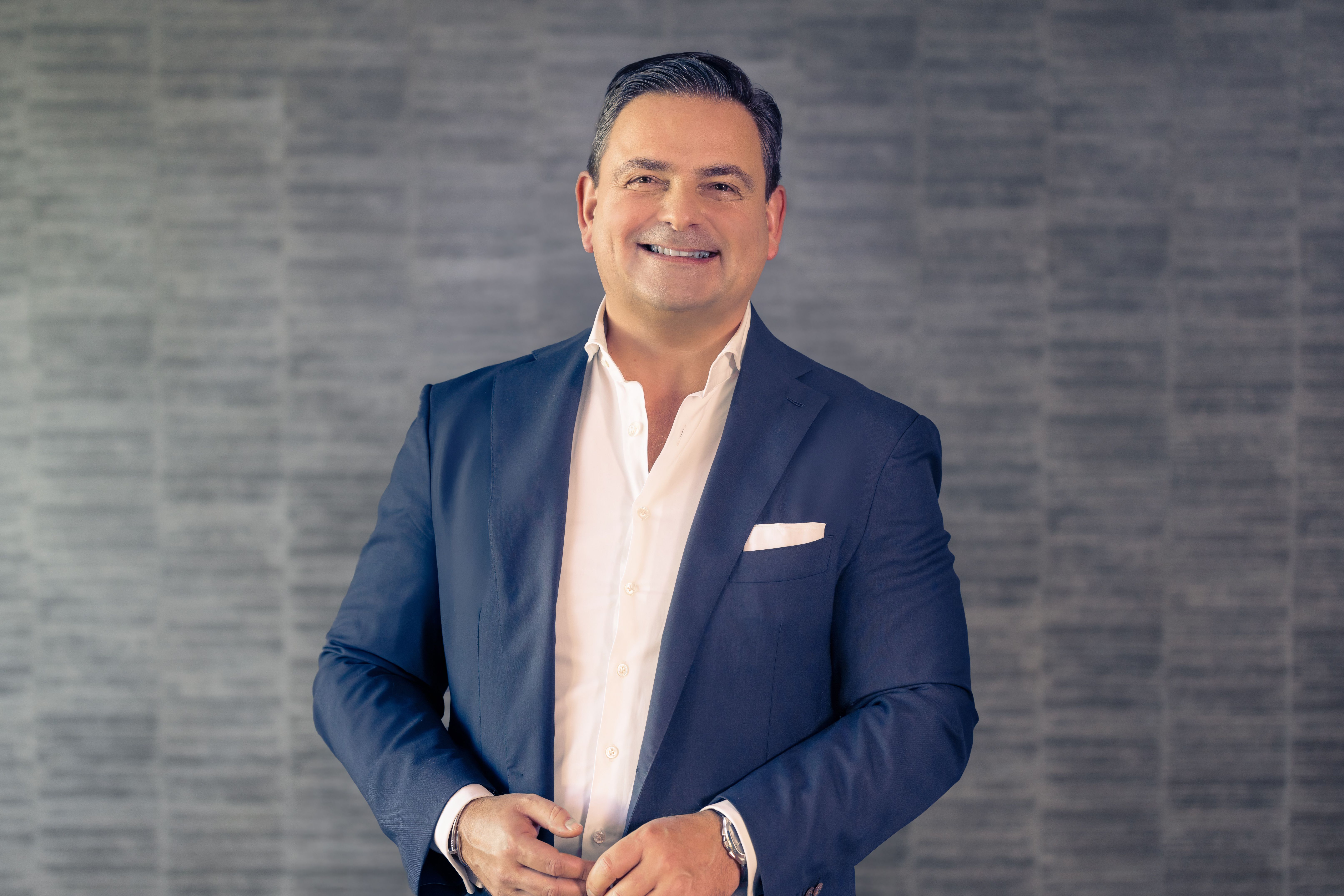
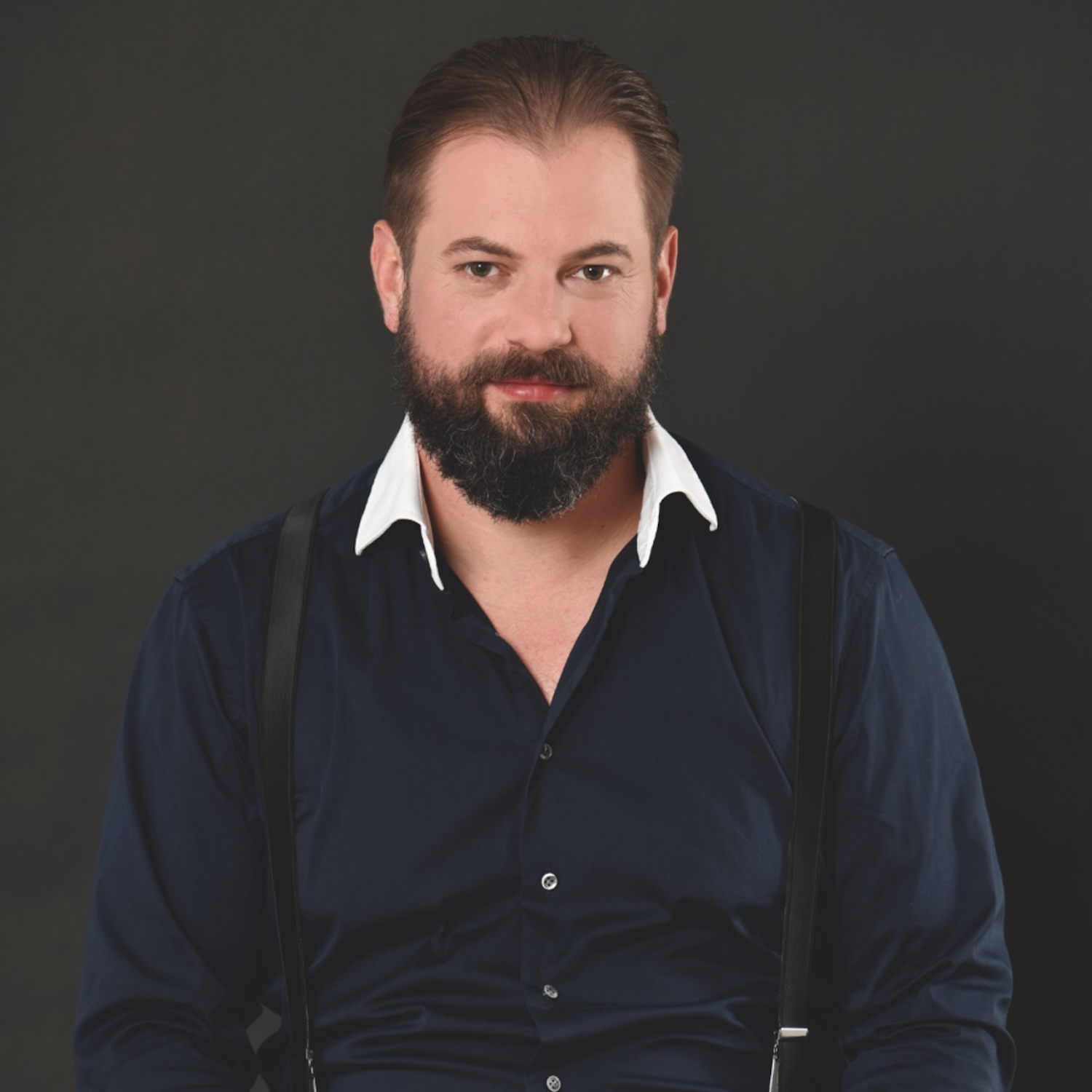
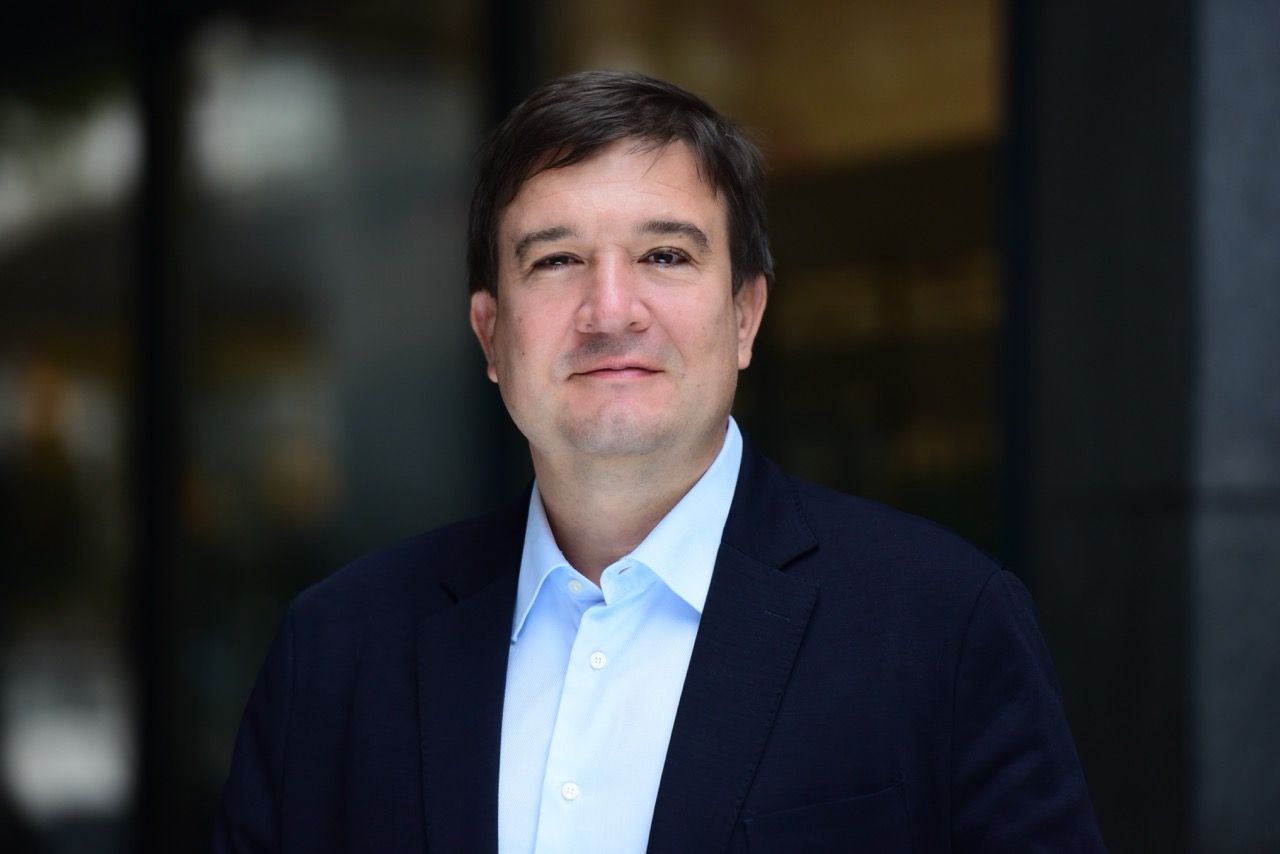
Dr. med. Detlev R. H. Breyer, Dr. med. Florian Kretz (FEBO) and Dr. med. Laszlo Kiraly
Whether it's eye laser surgery, sports glasses, or special contact lenses – three eye experts explain which solution is best suited for which sport and what modern laser procedures like Relex Smile can achieve.
Anyone who loves sports and has poor vision – is nearsighted or farsighted or suffers from astigmatism (corneal curvature) – knows the problem: Skiing glasses' temples are bothersome under the helmet, running in the cold fogs up the lenses, swimming should be done without submerging because contact lenses can slip or, in the worst case, be washed out… As well as one can get along with glasses and contact lenses in everyday life, during sports these visual aids are often just a hindrance.
Even more so, the more frequently and intensely one trains (especially in competitive sports) or in certain sports. In table tennis, good vision is extremely important because one deals with very fast movements at a short distance and a small ball. In martial arts, only contact lenses are actually possible, but hard lenses, in particular, could fall out of the eye, and in team sports, one needs to keep an eye on everything around to act perfectly in the team.
"An increase in quality of life is one of the main reasons why many athletes eventually decide against glasses and contact lenses in favor of laser surgery," says Dr. Detlev Breyer from the Breyer Kaymak Klare eye surgery clinic and the Premiumeyes eye laser center in Düsseldorf. "The second reason is that they want to see better. Especially with strong refractive errors, glasses cause a certain distortion, making it difficult to realistically assess the surroundings. This is very disadvantageous, for example, in archery."
But can every refractive error really be corrected with laser? "A laser treatment is the safest, most precise, and also the cheapest compared to all other procedures," says Dr. Florian Kretz from Precise Vision Eye Doctors in Erlangen. Generally, this is possible with a refractive error from minus ten diopters to plus four diopters and a corneal curvature up to five diopters. However, there are corneal diseases where one cannot perform laser surgery, such as in keratoconus or large corneal scars.
Which laser a doctor uses varies individually and can only be determined after a comprehensive preliminary examination and a personal consultation. "For some patients, only surface treatment is possible. It is the cheapest and most stable treatment, but is perceived by some as rather uncomfortable," says Dr. Florian Kretz. "The most innovative and gentle procedure, Relex Smile, only works for nearsightedness, Lasik with the femtosecond laser for both near- and farsighted."
"We are talking about a laser revolution that continues from the early 1990s to today," adds Dr. Laszlo Kiraly, head of the Eye and Laser Center Smile Eyes in Leipzig. "Initially, cuts were made with a knife, today a laser takes over. The femtosecond laser works with cold light, eliminating cut complications and scarring."
In the so-called lenticule method - known as Relex Smile - only an opening of two millimeters is necessary, making the infection risk extremely low. Since fewer nerves on the corneal surface are severed, eye sensitivity after laser treatment is reduced. Additionally, dry eyes occur less frequently.
Since this method causes no pain and you can usually do everything again after two days, Relex Smile has become particularly popular. "Since the beginning of the year, there is a successor laser," says Dr. Breyer. "Smile Pro is even more precise and gentler - and incredibly fast: the procedure takes only ten seconds. Patients often can’t believe it’s already over and wonder why they had sleepless nights before the procedure."
Despite rapid development, there are indications where a laser procedure is not possible. "Then we recommend an implantable contact lens (ICL), which is placed behind the iris and in front of the natural lens," says Dr. Kiraly. "A method as good as laser treatment and also works at very high values, as we can correct from minus 16 to plus 10 diopters." Another advantage: The procedure is reversible, which reassures some, also because nothing is removed from the eye itself as with laser treatment.
As safe and uncomplicated as laser treatment is today, many people still shy away from the procedure and prefer to wear glasses or contact lenses while playing sports. Good news: "There is a special sports glasses for practically every sport," explains Carolin Truckenbrod, an optician in Leipzig. "When golfing, for example, we use filter lenses that enhance the contrast between the white ball and the green. Cyclists need a frame that closes at the top so that the wind is kept away. At the same time, it has a ventilation system that prevents the lenses from fogging up."
Glacier glasses have full UV protection and a particularly dark tint of up to 98 percent. For marksmen, there are shooting glasses with swiveling and rotating lenses, so that the target is not distorted even when viewed at an angle through the sight. Polarized lenses reduce reflections on the water in water sports – an effect that also works when driving in the heat and avoids the shimmering of the road.
Depending on the sport, Carolin Truckenbrod recommends different tints of the lenses. In tennis on red clay, for example, a different color has proven itself than in golf. Tinted lenses that you can change yourself – depending on whether the sun is shining or it is cloudy – are also practical. Another advantage of sports glasses is the clamping mechanism, which, similar to a band, ensures that they fit securely and do not slip or even fall off during movement.
Contact lenses should also be adapted to the sport. If someone takes a hit in boxing, the risk would be too great with hard, rigid lenses that they would fall out, so soft lenses are the best choice. The same goes for swimming. Here, you should choose daily lenses instead of monthly lenses. Reason: If the water is contaminated with bacteria, these can also get onto the lens. Daily lenses are simply thrown away in the evening, preventing an infection that could develop if the lenses are worn longer. Therefore, monthly lenses should be thoroughly cleaned after swimming, preferably with a hydrogen peroxide solution.
The cost of laser eye treatment varies depending on the method and clinic. The classic surface treatment (PRK/LASEK) is the cheapest, costing around 1,000 to 1,500 euros per eye. Lasik with the femtosecond laser costs between 1,800 and 2,500 euros per eye.
The most advanced method Relex Smile or Smile Pro costs about 2,200 to 3,000 euros per eye. ICL lenses (implantable contact lenses) are the most expensive option at 3,500 to 5,000 euros per eye, as it is a more complex surgical procedure. Statutory health insurance usually does not cover the costs, but some private insurances participate in the costs.
No, not every vision impairment can be lasered. In principle, laser treatment is possible for myopia up to minus 10 diopters, hyperopia up to plus 4 diopters, and astigmatism up to 5 diopters. A prerequisite is also a sufficiently thick and healthy cornea.
In corneal diseases such as keratoconus or large corneal scars, lasering is not possible. The values should also have been stable for at least one year. For very high diopter values (up to minus 16 or plus 10), an ICL lens may be an alternative. A comprehensive preliminary examination by an ophthalmologist clarifies which method is individually suitable.
The healing duration depends on the chosen method. With the most modern method Relex Smile or Smile Pro, patients can usually see normally and resume all activities after just two days. Sports are often possible again after a week, swimming should be avoided for about four weeks.
With the Lasik method, complete healing takes about a week, although you can see relatively well the next day. The surface treatment (PRK/LASEK) requires the longest healing time of two to three weeks and is considered more uncomfortable by some, but it is the most stable method. Contact sports should be paused for four to six weeks depending on the method.
Modern eye laser procedures are considered very safe. Thanks to the femtosecond laser, which uses cold light, incision complications and scarring are now extremely rare. The most common side effect is dry eyes, which usually occur temporarily and can be treated with eye drops. With the Relex Smile method, this risk is significantly lower because fewer nerves are severed.
In very rare cases, there may be over- or under-corrections that can be re-treated. Infections are extremely rare due to the minimally invasive technique (only 2 mm opening with Relex Smile). It is important to choose an experienced clinic with the latest technology and to conscientiously attend follow-up appointments.
Yes, modern sports glasses are an excellent alternative for anyone who does not want a surgical procedure. There are specially developed glasses for almost every sport: In golf, filter lenses are used to enhance the contrast between the ball and the green. Cycling glasses have complete wind protection and a ventilation system to prevent fogging.
Glacier glasses offer up to 98 percent tint and complete UV protection. For shooters, there are glasses with swivel and rotatable lenses. Polarizing lenses reduce reflections in water sports. Most sports glasses have a clamp mechanism to prevent them from slipping or falling off. The advantage: no surgery, reversible at any time, and available for almost all visual impairments.
The choice of contact lenses depends heavily on the sport. In contact sports such as boxing, martial arts, or team sports, soft contact lenses are the better choice because rigid (hard) lenses can fall out more easily when hit or bumped. Soft lenses should also be used when swimming – ideally daily lenses, which are simply disposed of after training. This avoids infections from bacteria in the water.
When using monthly lenses, they must be thoroughly cleaned with hydrogen peroxide solution after swimming. A well-fitting swim goggle is also recommended for water sports. In non-contact sports such as tennis, running, or cycling, both soft and rigid lenses can be worn.
Laser eye treatment is generally possible from the age of 18, but a minimum age of 21 is recommended. More important than age is that the vision impairment has been stable for at least one year. In younger people, values can still change, which is why surgery too early is not advisable.
Basically, there is no upper age limit as long as the eyes are healthy. However, from around the age of 45, presbyopia begins, which cannot be corrected by laser surgery – here, special multifocal lenses could be an option. Individual suitability is clarified in a detailed preliminary examination.
In most cases, laser eye surgery achieves a permanent correction of vision impairment. About 95 percent of patients no longer need glasses for everyday life afterward. However, eyesight can still change over a lifetime – for example, due to natural aging processes.
From around the age of 45, presbyopia sets in, which also affects lasered eyes and may require reading glasses. In rare cases (about 2-5 percent), a follow-up correction may be necessary if the result was not optimal. This is usually possible without any problems. For certain situations, such as driving at night, some patients may prefer a light pair of glasses, even if they see perfectly during the day.

 Find a Doctor
Search the network for suitable specialists and contact them directly
Can fasting relieve hot flashes and other menopausal symptoms? Dr. Verena Buchinger-Kähler shares remarkable cases from her clinical practice and explains how women respond to prolonged fasting – and what science has revealed so far.
Christine Bürg & Marianne Waldenfels

An interview with
Dr. med. Verena Buchinger

"Feel good, live better" – in this episode, Dr. Alexandra Schoeneich sheds light on the wide-ranging changes that menopause brings to the body
Christine Bürg
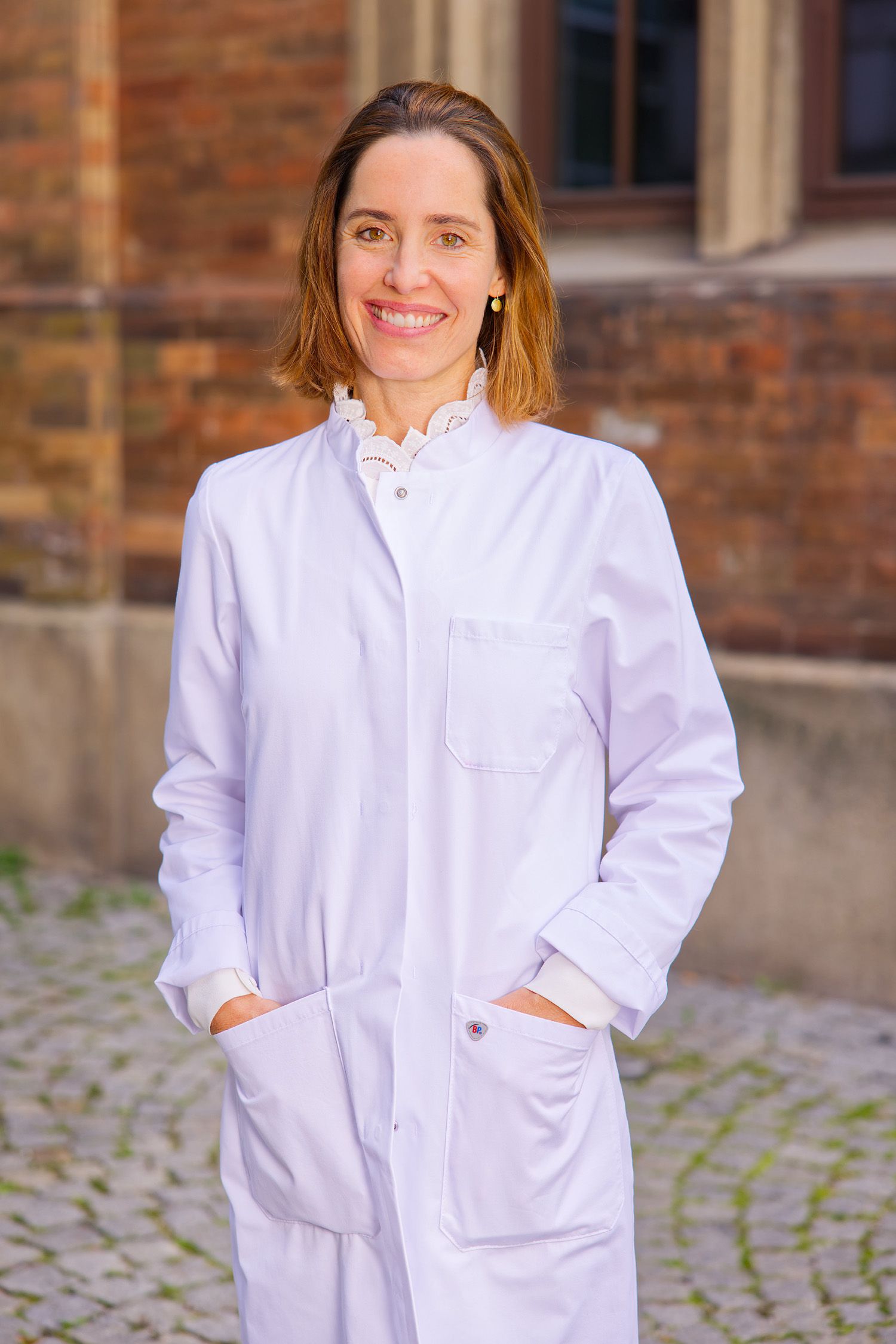
An interview with
Dr. med. Alexandra Schoeneich
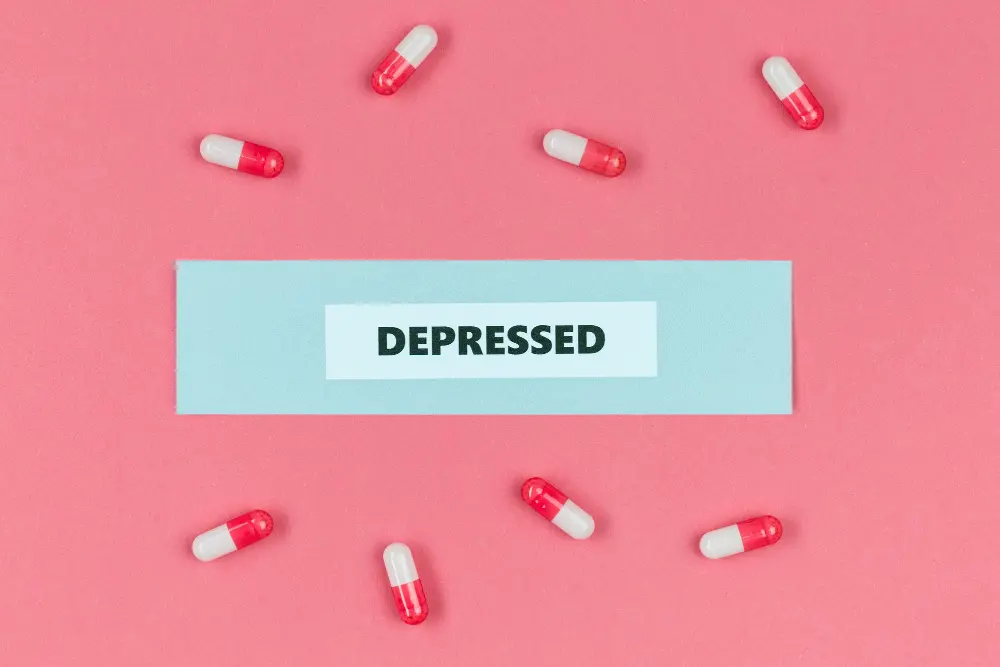
Stopping antidepressants can trigger symptoms that resemble a return of depression. Psychiatrist Prof. Dr. Andreas Menke explains how to tell the difference, why the final milligrams can be particularly difficult, and which two mistakes patients should avoid.
Christine Bürg & Marianne Waldenfels
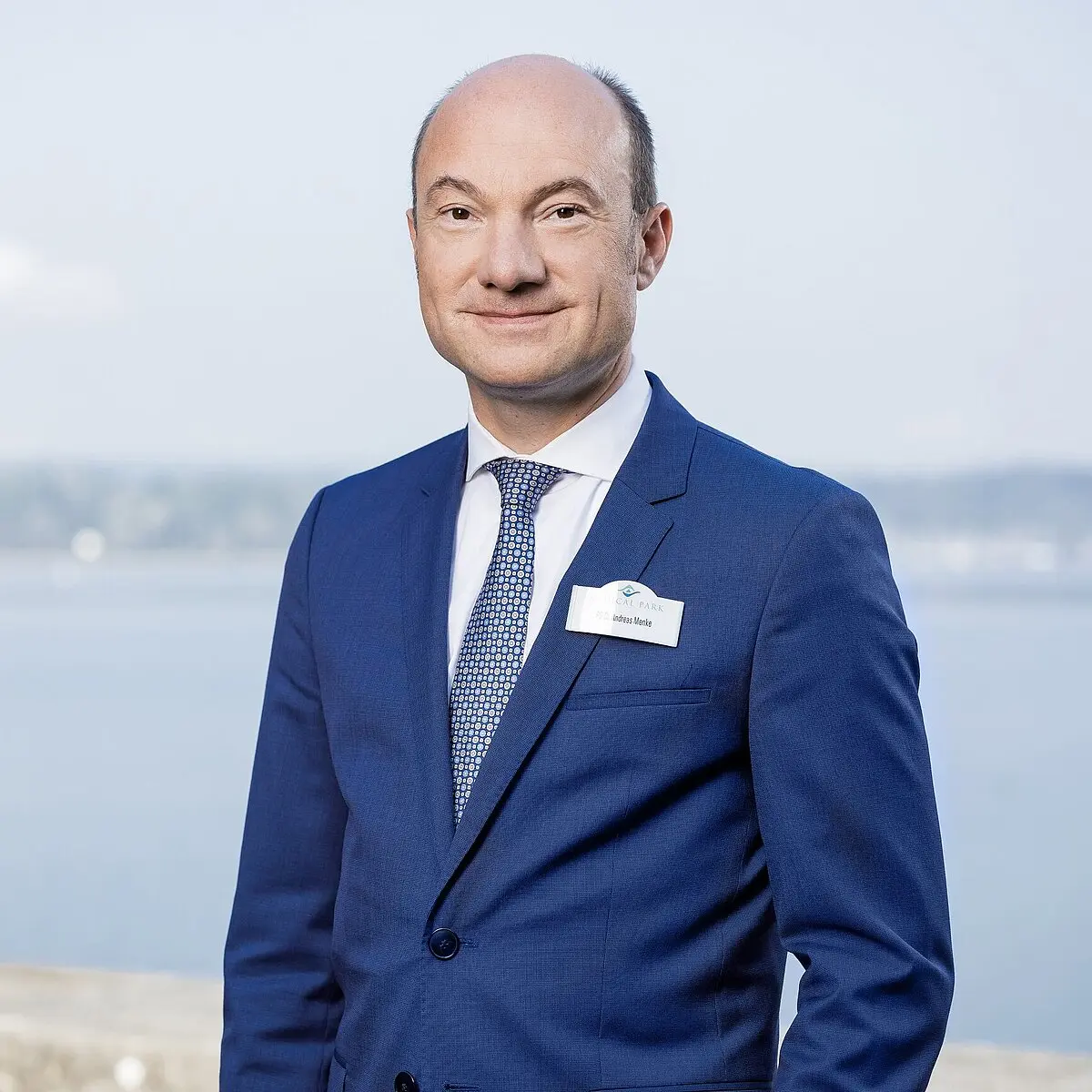
An interview with
Prof. Dr. med. Andreas Menke
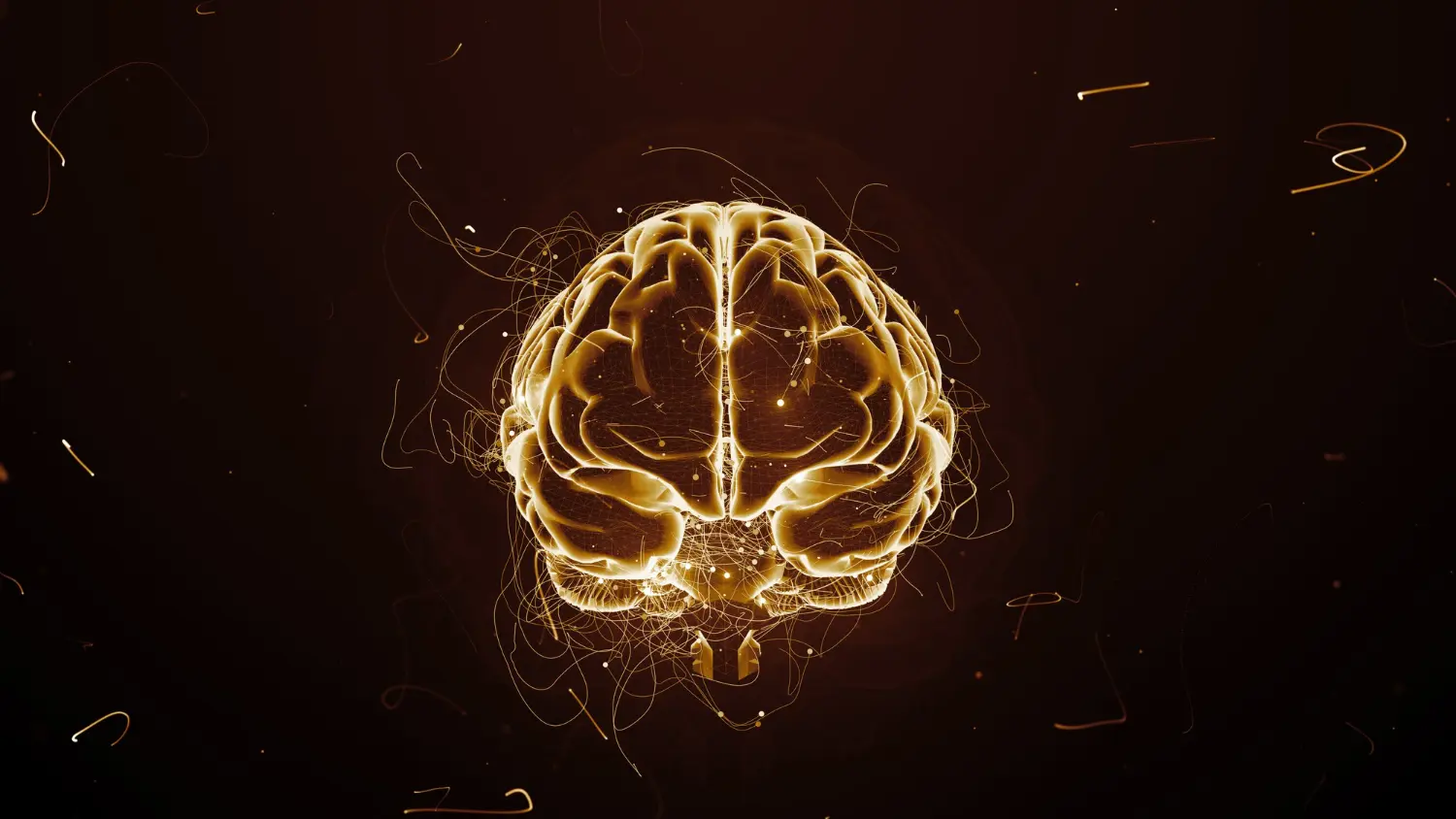
Less stress, better focus, greater peace of mind: EXOMIND aims to improve mental resilience through magnetic stimulation. Dr. Neda Nabavi explains how the treatment works, what changes she has observed in her patients, and why she considers brain health essential to longevity medicine.
Christine Bürg & Marianne Waldenfels
An interview with
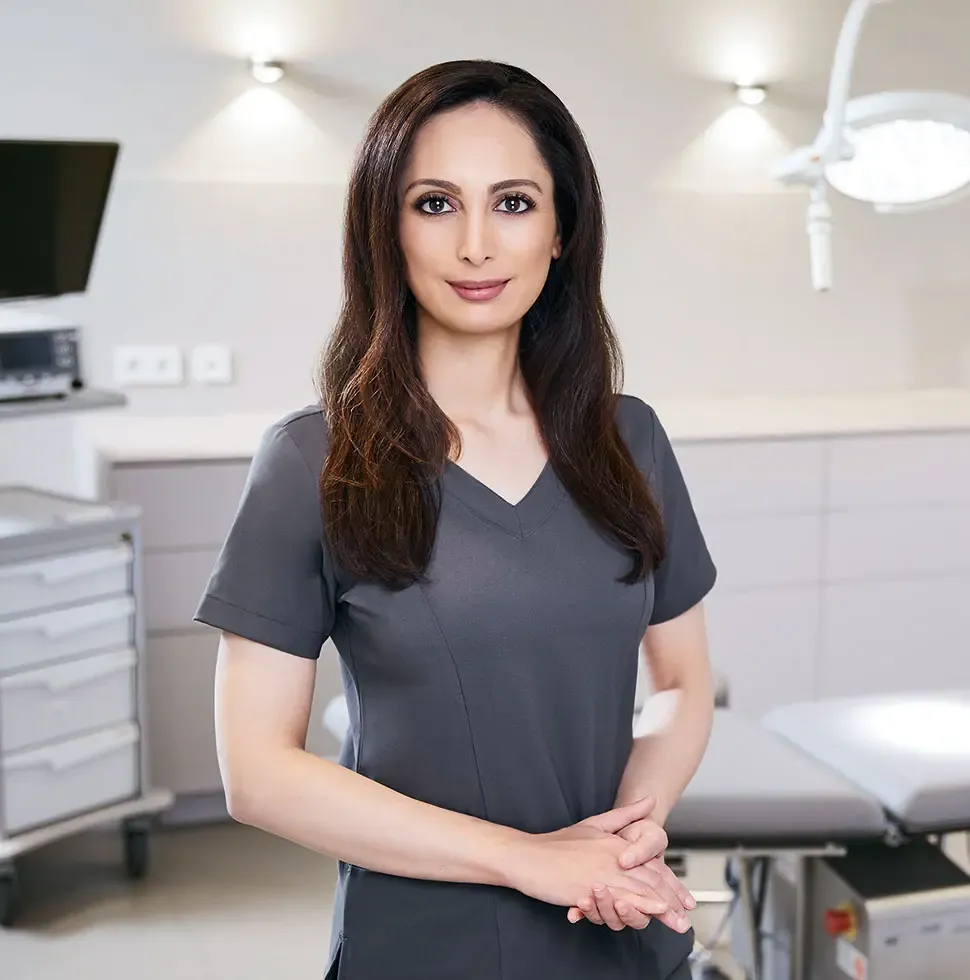
Dr. med. Neda Nabavi