Laser surgery: Happy without glasses or contact lenses
The internationally renowned eye specialist Dr. Detlev Breyer explains how he significantly improves the quality of life for his patients through lens and laser surgery. All about procedures & risks
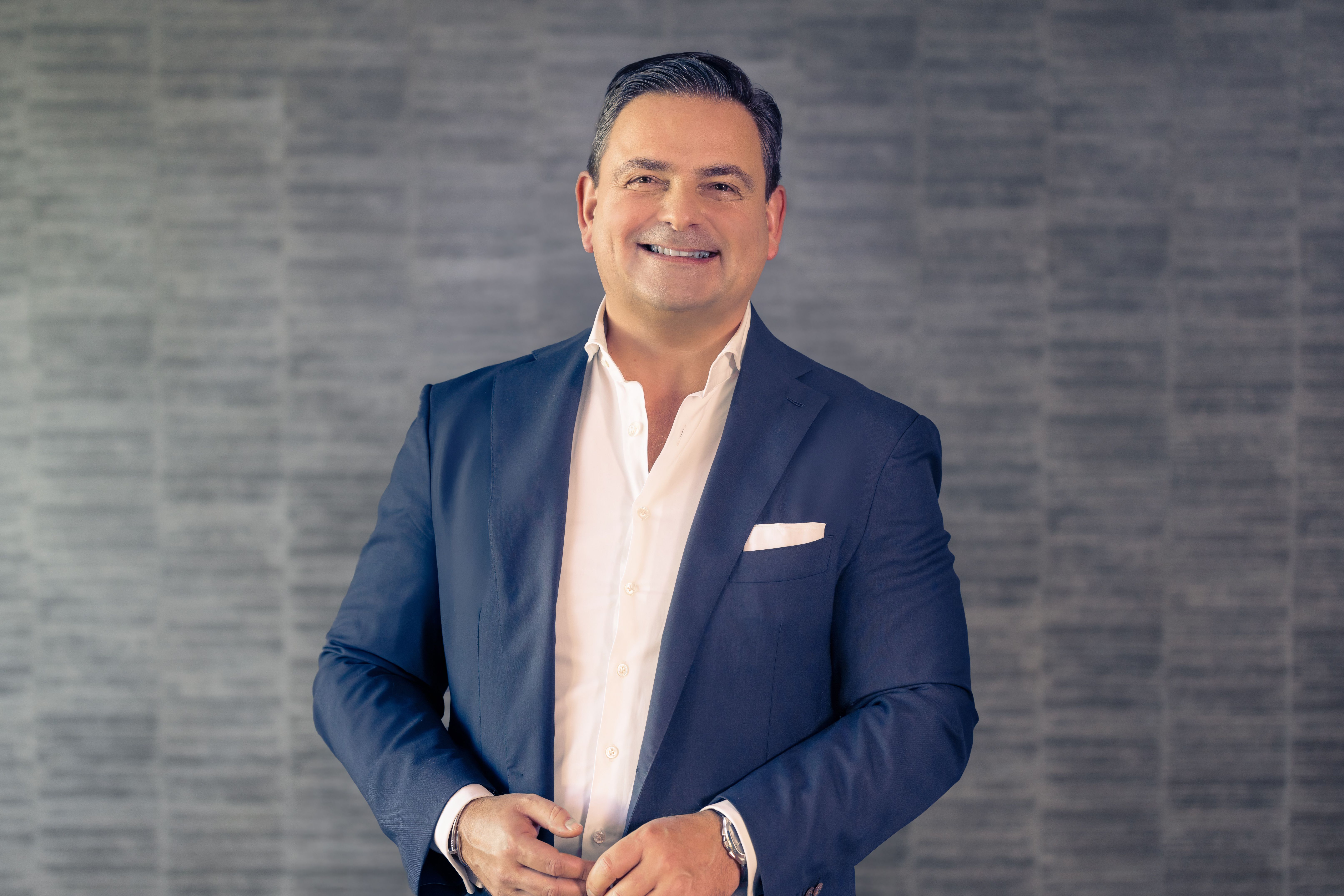
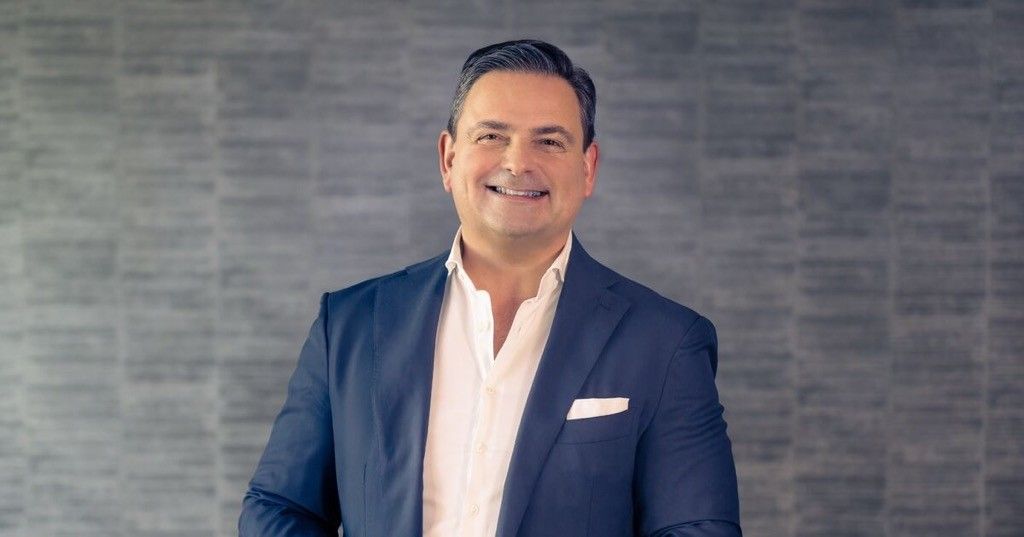
Dr. Detlev R.H. Breyer, owner and chief surgeon of Breyer, Kaymak & Klabe Augenchirurgie and Premiumeyes in Düsseldorf, is considered an absolute authority in his field. He is among the first ten surgeons worldwide to apply ReLEx® smile and was one of the first ten European eye surgeons to perform the minimally invasive laser cataract surgery. In an interview with Premium Medical Circle, he explains, among other things, which procedures he uses to sustainably improve his patients' quality of life.
Eye surgeries to enhance quality of life
There are therapies that are not necessarily medically required, but enhance quality of life. Which are they?
It is scientifically proven in large international studies that a life without glasses is associated with significantly higher quality of life for all patients who previously had to wear glasses or contact lenses and no longer need glasses after surgery. Whether one has eyes lasered, a contact lens or a new lens inserted during cataract surgery. All these patients are more satisfied than before with contact lenses or glasses.
This is now possible for all visual impairments from +10 to -20 diopters, even with presbyopia. Many people do not know this and struggle with their glasses. Of course, the prerequisite is that the eye surgeon has the latest diagnostic and surgical equipment, masters all surgical methods, is independent of companies and is not part of a "chain."
My motivation to be an international pioneer in lens and laser surgery has always been to provide my patients independently with the absolutely latest technical standards of medicine. I believe eyesight is far too important to be treated with a second-rate method. For this, I fly around the world every year and work as a consultant for the most important companies in my field. Unfortunately, this is not common sense.
Scientifically proven improvement in quality of life
How does the quality of life improve for those affected?
To seriously answer this question, I start with scientific study results, share life experiences, and end with a frequently heard compliment. First of all, numbers, data, and facts: The largest cohort of laser-treated patients (1800 patients aged 18 to 60) was compared with contact lens wearers back in 2016, and the results were published in the American Journal of Ophthalmology by Marianne O Price.
The result is as follows: One to three years after laser treatment, the laser-treated patients saw better when driving at night, did not have increased dry eyes, and had higher satisfaction levels than with contact lenses before surgery. And this with a method that is painless, rarely results in severe vision loss, and is safer than wearing contact lenses for five years.
All of this is scientifically proven in the JCRS and not a bold claim. Today we are, of course, even better, but it's hardly possible to improve further in terms of comfort. Twelve years ago, we were among the first five surgeons worldwide with the minimally invasive ReLEx® smile method. A year ago, we were the first commercial users worldwide with the latest SMILE pro. With this painless laser method, the treatment now takes an incredible 10 seconds.
Practical advantages in everyday life: sports, travel, and profession
Now experiences from daily practice: My patients are happiest that they can travel, play sports, and go for walks without glasses. They enjoy the feeling of not being dependent on glasses and thus not being restricted. The fact that they can simply choose a pair of sunglasses off the shelf is also an enormous gain in quality of life for many patients and naturally saves a lot of money in the medium term.
Many patients say before surgery that glasses don't really bother them: Yes, they even like the glasses and might still want to wear a pair after laser treatment. I call that a classic Stockholm syndrome. All the patients I've operated on and meet a year later no longer wear glasses. I just don't say anything.
Professional advantages: craftsmen benefit especially
“My patients are happiest that they can travel without glasses, can play sports. Professionally, it is craftsmen who benefit the most as a group. The disadvantages of progressive lenses, for example, for craftsmen who have to work overhead or descend stairs should not be underestimated. Since presbyopia can be lasered, we have many very grateful patients here at PremiumEyes. I also operate on doctors and surgeons every day who are amazed at what is now painlessly possible with the latest technology. In conclusion, something human. The nicest compliment I hear several times a day from all age groups, regardless of gender, is: 'I would love to hug you. Please also thank your team for your empathy and care' – these are the moments when your heart opens, and you know that all the efforts of a surgeon's life have paid off."
Risks and safety in eye surgeries
Every procedure carries risks. When would you still recommend it? And are there cases where you would refuse a procedure?
The big headline must be: Refractive surgery is absolutely painless today and the safest and most researched operation ever, if you use the latest technology and have an experienced surgeon. Complications are extremely rare according to the latest scientific literature, even according to ChatGPT.
The greatest risk today is always the surgeon, their experience, vigilance, scientific activity, independence, and moral integrity. We have been among Germany's top-rated doctors for 10 years and this year were appointed as a Fellow of the World College of Refractive Surgery and Visual Sciences. The greatest international honor in our field.
The second greatest risk in eye surgery is the diagnostic and operational equipment and the hygiene certification of the facility where you have surgery. We operate only in hygiene-certified operating rooms and have our own sterilization, so we do not outsource it, which is very important to us.
The third greatest risk is choosing the wrong surgical method. We master all methods and can therefore advise individually. If you are interested in this topic, you can learn more on our PremiumEyes YouTube channel.
When are surgeries rejected?
Do we also reject surgeries? Yes, definitely, daily and multiple times. Vision is the greatest good and should not be risked lightly. Today, there are excellent diagnostic devices such as the Pentacam or the Epithelial OCT, which can be used to filter out risk patients during a thorough preliminary examination. However, if I notice that patients come to us unprepared and poorly informed, I first analyze the case, make a therapy suggestion, and send the patient home with information material. We keep in touch by phone and if the patient decides on the surgery, we invite them back for a preliminary examination and briefing.
I actually prefer this approach to quick decisions. Every day I hear that patients are pushed by some institutions to make quick decisions on the same day. I find that unprofessional. A patient is not a customer. Our patients should undergo this surgery convinced, not persuaded.
Innovations in eye surgery
Has much changed in your field in recent years?
Oh yes. It is not without reason that we consider it very important to be represented in all major teaching faculties around the world, to actively participate in science, and to advise companies on future lasers and other innovative products.
This knowledge about the best future therapies already benefits our patients today, as surgery in this area has changed immensely in the last ten years. Here are three practical examples:
SMILE method: Twelve years ago, we were among the first five laser pioneers with the innovative SMILE method for laser correction of myopia and Presbyond laser correction for presbyopia. This made laser treatment safer than wearing contact lenses.
Implantable contact lenses: Twenty years ago, we were among the first Europeans to use an implantable contact lens.
EDOF lenses: We were the first to implant EDOF lenses worldwide and developed our internationally awarded Düsseldorf schema 12 years ago.
These are just the most prominent examples of how our patients benefit from our pioneering activities. My partners Dr. Klabe and Prof. Kaymak are equally innovative in the fields of glaucoma and retina treatment.
What is a bit unfortunate, but we have come to terms with it, is how many colleagues first talk against you for 10 years and make fun of you, only to later pretend they always knew it was better. Today we just smile about it: getting older has its benefits too, like achieving the serene composure we always aimed for.
Personal perspective: Quality of life for the doctor
Dr. Breyer's own experience with eye lasers
What does quality of life mean to you personally and what do you do to improve yours?
4 years ago, I had my own presbyopia lasered and have not needed reading glasses since. What freedom! Now I also understand the enthusiasm of my patients when they are glasses-independent after my surgery.
But seriously. My wife and good friends make me happy. I love my job. That is also invaluable. To not neglect physical quality of life, I have been exercising for at least 45 minutes every day for the past six months to promote strength, endurance, and mobility, and I only eat twice a day, preferably fresh products.
Pleasure should not be neglected: I love traveling, good wine, and good food. Best with my wife and friends.
Health impacts of improved quality of life
Safety in everyday life through better vision
How exactly does improved quality of life affect health? Could you describe a specific case?
I'm not aware of any statistics, but I don't want to know how many accidents have already happened because someone was wearing no glasses or the wrong ones, or with advanced cataracts still participates in traffic. We see these patients every day. It's good that no one knows who is driving and climbing ladders.
Or take the progressive lens: the classic femoral neck fracture when going down stairs and the craftsman who can't see anything close up when working overhead. The improvement in the quality of life for patients who previously had thick glasses is immense. This is also an improvement in the psychological situation.
How many patients have I seen a year later who were transformed, cheerful, and confident. This should not be underestimated. Recently a model came into the practice who could no longer wear her contact lenses... she couldn't have pursued her profession with glasses: I could of course go on for hours and provide more examples.
Medical expertise meets lifestyle
Holistic approach in ophthalmology
You once said: I see myself as a service provider for the patient – they receive a medical answer from me and one that concerns lifestyle. What exactly do you mean by that?
The medical answer is the individual care according to the latest scientific standards. The lifestyle is the freedom to go through life without glasses and to be creatively free in all aspects.
Conclusion: Modern eye surgery for more quality of life
Modern eye surgeries like laser eye surgery with the SMILE method or the use of premium lenses today offer a safe and painless way to sustainably improve quality of life. Scientific studies show that patients experience significantly higher satisfaction in everyday life after successful eye surgery—be it in sports, travel, or work.
The most important advantages at a glance:
Painless treatment in just 10 seconds (SMILE pro)
Higher safety than years of wearing contact lenses
Treatment of all refractive errors from +10 to -20 diopters possible
Significant improvement in quality of life in work and leisure
Minimal risk with experienced surgeons and the latest technology
Choosing the right eye surgeon is crucial: experience, scientific expertise, the latest technical equipment, and certified hygienic operating rooms are the basic prerequisites for optimal results. A detailed preliminary examination and comprehensive consultation should be a matter of course—quick decisions on the same day are unprofessional.
Frequently Asked Questions (FAQ)
Who is suitable for laser eye surgery?
For all patients with visual impairments from +10 to -20 diopters, including presbyopia, provided the preliminary examination shows no risk factors.
How long does SMILE take per treatment?
The painless laser treatment with the latest SMILE pro method takes only 10 seconds.
Is laser eye surgery safer than contact lenses?
Yes, according to scientific studies, modern laser treatment is safer than wearing contact lenses for five years.
When should an eye operation be declined?
In high-risk patients identified during the preliminary examination using state-of-the-art diagnostics (Pentacam, Epithelial OCT), or in cases of insufficient patient information.
Dr. Detlev R.H. Breyer, FWCRS, is an internationally acclaimed surgeon, researcher, developer, and teacher for minimally invasive eye surgeries using the femtosecond laser to correct myopia, presbyopia, hyperopia, astigmatism, keratoconus, and cataracts.