Coenzyme Q10: The Energy Booster for Cells, Heart, and Skin
Coenzyme Q10 is considered both an anti-aging miracle weapon and an energy supplier. It is found in creams, dietary supplements, and marketed as a fountain of youth. But what can Q10 really do – and who benefits from supplementation?
In the anti-aging industry, coenzyme Q10 has long been a star ingredient. Numerous skincare products rely on the antioxidant power of the coenzyme, and the market for Q10 dietary supplements is booming. This body-owned substance fulfills a fundamental task: It is the key to cellular energy production and simultaneously protects against oxidative stress.
However, while our body produces enough Q10 in our younger years, its production decreases drastically with age. The consequence: Energy deficiency at the cellular level, which can manifest as fatigue, declining heart function, and visible signs of skin aging. This article highlights what coenzyme Q10 really does, when supplementation is sensible, and what dosage is recommended.
What is coenzyme Q10?
Coenzyme Q10, scientifically also known as ubiquinone-10 or simply Q10, is a vitamin-like substance found in every single cell of the human body. The name "ubiquinone" is derived from the Latin "ubique" (everywhere) – an indication that this substance is indeed ubiquitous, i.e., present everywhere in the body.
Q10 belongs to the family of ubiquinones and is fat-soluble. It concentrates mainly in the mitochondria, the tiny "powerhouses" of our cells, where it plays an indispensable role in the energy metabolism. Particularly high concentrations are found in organs with high energy needs: in the heart, liver, kidneys, lungs, and skeletal muscles.
The human body can produce Q10 itself – a complex biochemical process that requires the amino acids phenylalanine and tyrosine as well as several B vitamins. Additionally, we absorb Q10 through food, albeit in relatively small amounts. This dual supply is usually sufficient to meet daily needs.
The two forms of Q10: Ubiquinone and Ubiquinol
Coenzyme Q10 exists in two forms that can be converted into each other in the body. Ubiquinone is the oxidized form and must first be converted into the active form in the body. Ubiquinol, on the other hand, is the reduced, active form that can act directly as an antioxidant and is responsible for energy production in the mitochondria.
As we age, the body's ability to convert ubiquinone into ubiquinol decreases. For this reason, supplements with ubiquinol are often advertised as more effective, especially for older people. However, the evidence for the superior effectiveness of ubiquinol is not clear – both forms show positive effects.
What is coenzyme Q10 good for? The most important functions
Coenzyme Q10 fulfills two central tasks in the body, making it an indispensable molecule:
Energy production in the mitochondria
The main task of Q10 lies in the so-called respiratory chain, a complex process in the mitochondria where energy is obtained from nutrients. Q10 acts here as an electron carrier – it could be compared to the spark plug of an engine. Without Q10, the energy obtained from food from sugars, fats, and proteins cannot be efficiently converted into ATP (adenosine triphosphate), the universal energy currency of our cells.
Every cell needs ATP for practically all life processes: muscle contraction, nerve signals, protein synthesis, cell division, detoxification processes, and much more. Organs with high energy needs, such as the heart, which beats about 100,000 times a day, particularly rely on an adequate supply of Q10.
Researchers estimate that the human body needs about 500 milligrams of Q10 per day to maintain all metabolic processes. This amount is largely covered by the body's own production, while only about 2 to 20 milligrams are absorbed through food.
Antioxidant protective function
The second important function of Q10 is its effect as an antioxidant. Free radicals are by-products of energy production, but they are also caused by external factors such as UV radiation, environmental toxins, stress, and smoking. These highly reactive molecules can damage cell membranes, proteins, and DNA and are associated with numerous diseases, from cardiovascular diseases to neurodegenerative diseases and premature aging.
Coenzyme Q10 neutralizes free radicals and thus protects the cells from oxidative stress. This protective function is particularly valuable in the mitochondria themselves, where particularly many free radicals are produced during energy production. Q10 also stabilizes cell membranes and protects other important antioxidants such as vitamin E from oxidation, allowing them to maintain their protective effect longer.
Q10 and the heart: protection for the most important muscle
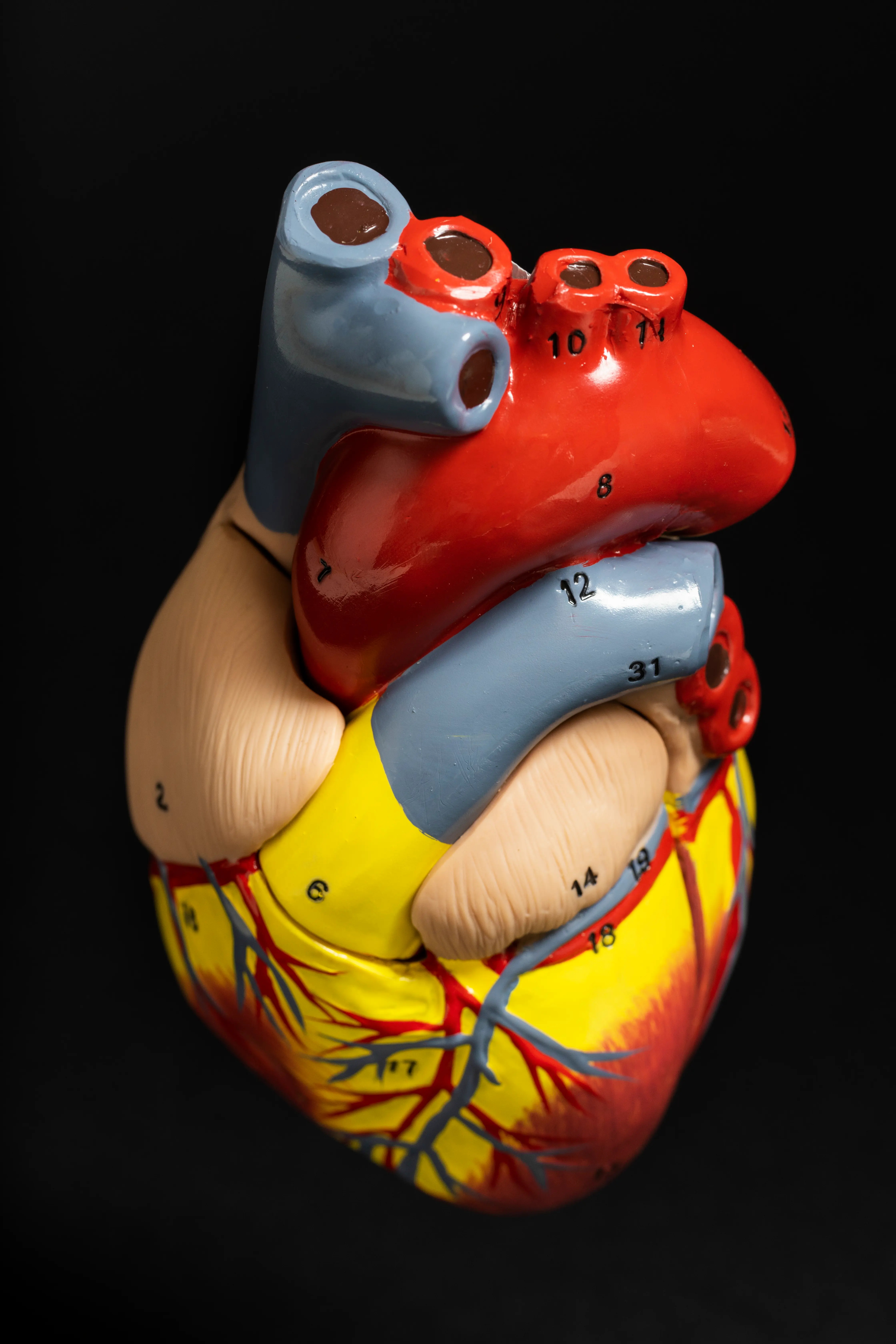
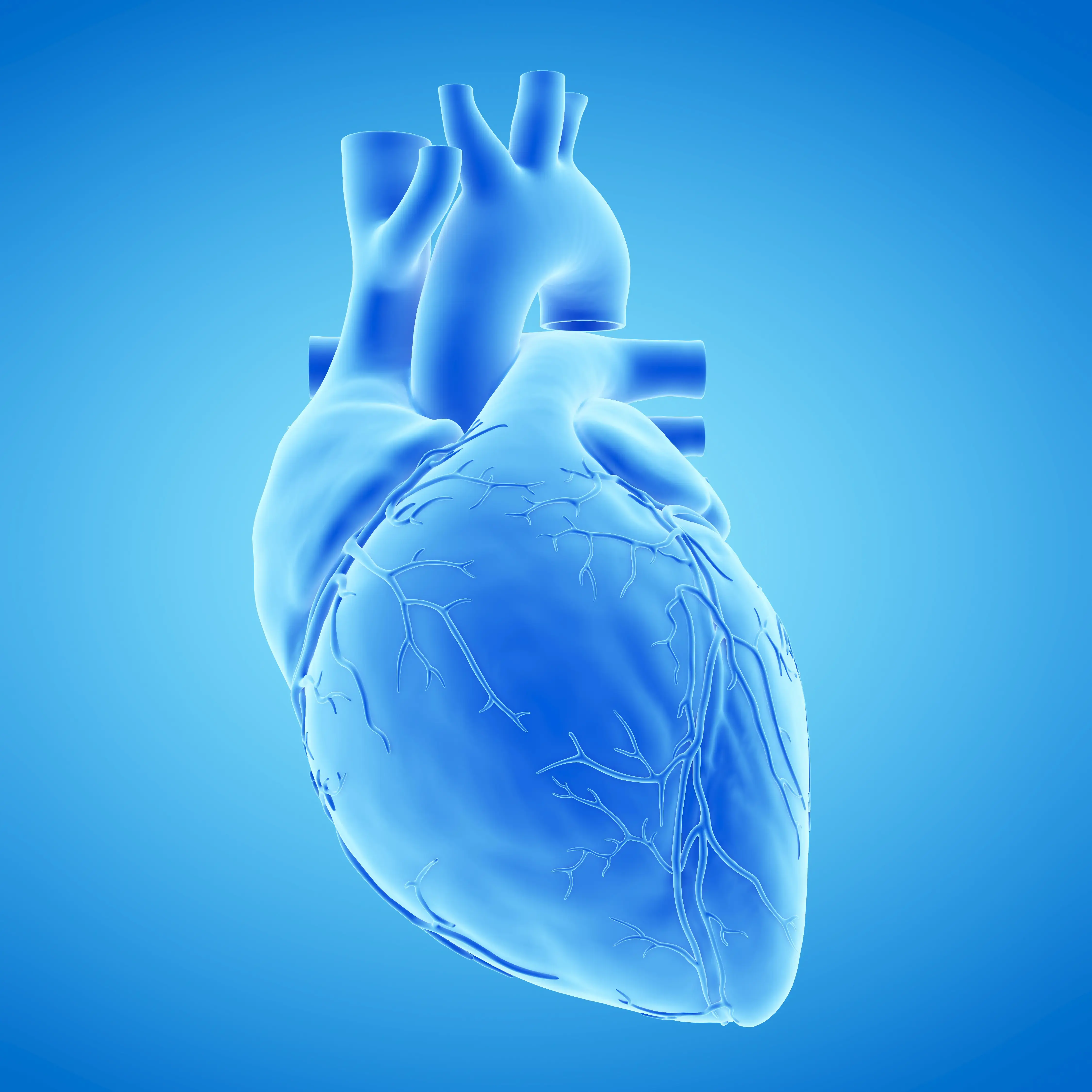
The heart is the organ with the highest energy demand and the highest Q10 concentration in the body. This high concentration is no coincidence: A healthy heart requires enormous amounts of ATP to perform its tireless pumping work.
As you age, the Q10 content in the heart muscle decreases dramatically. Scientific studies show that 80-year-olds have only about 60 percent of the Q10 concentration measured in 20-year-olds. This decline could explain why heart function declines with age and the risk of cardiovascular diseases increases.
Q10 in heart failure
Especially interesting is the role of Q10 in heart failure, a condition where the heart can no longer pump enough blood through the body. Several studies have shown that patients with heart failure often have low levels of Q10. Supplementation with Q10 has been shown in some studies to improve symptoms, increase resilience, and improve quality of life.
The Q-SYMBIO study, a large European study with heart failure patients, showed that taking 300 milligrams of Q10 daily for two years significantly reduced mortality and reduced hospitalizations. However, the study situation is not uniform - some studies have not been able to confirm these effects.
Q10 and blood pressure
Some studies suggest that Q10 can slightly lower blood pressure, especially in people with high blood pressure. The mechanism is not yet fully understood, but it could be related to improved blood vessel function and antioxidant effects. However, the blood pressure-lowering effect is moderate and cannot replace drug therapy.
Coenzyme Q10 in skincare: Anti-aging from the outside
The cosmetics industry has long since discovered Q10 for itself. The active ingredient is found in countless anti-aging creams, serums, and eye creams designed to protect the skin from premature aging. But what can Q10 really achieve in skincare?
The skin is exposed to oxidative stress daily. UV radiation, air pollution, smoking, and other environmental factors produce free radicals that break down collagen and elastin - the proteins responsible for skin firmness and elasticity. The breakdown of these structural proteins leads to wrinkles, sagging skin, and pigmentation spots.
Q10 in skincare products is supposed to work on several levels. As an antioxidant, it neutralizes free radicals and protects skin cells from damage. It strengthens the skin's protective function and can stimulate collagen production. Some studies show that the topical application of Q10 can reduce wrinkle depth and improve skin structure.
However, Q10 is a relatively large molecule that does not easily penetrate into deeper layers of the skin. Therefore, modern formulations use special carrier systems such as liposomes or nanoparticles to improve absorption. The effectiveness strongly depends on the formulation, concentration, and stability of Q10 in the cream.
Important to know: Q10 in skin creams does not replace sun protection. While Q10 can mitigate oxidative damage, it does not provide direct UV protection. A sunscreen with a high SPF remains the most important anti-aging measure.
Coenzyme Q10 deficiency: Causes and symptoms
A true Q10 deficiency is rare, as the body produces most of it itself and also absorbs it through food. However, there are situations where Q10 supply can be suboptimal.
Causes of low Q10 levels
The most important factor is age. From the age of 40, the body's own Q10 production continuously decreases. This age-related decline affects all organs but is particularly pronounced in the heart. An 80-year-old person produces only about half as much Q10 as a young adult.
Certain medications inhibit the body's own Q10 synthesis. Statins, the most well-known cholesterol-lowering drugs, are among the most frequently prescribed medications. Statins block an enzyme necessary for both cholesterol and Q10 production. People who take statins long-term often have lower Q10 levels. Beta-blockers, antidiabetics, and certain antidepressants can also affect Q10 concentration.
Chronic diseases such as heart failure, diabetes, neurodegenerative diseases, or cancer often accompany low Q10 levels - although it is not always clear whether the deficiency is a cause or a consequence of the disease.
Intense physical activity increases energy demand and thus Q10 consumption. Athletes may therefore have an increased need. An unbalanced diet low in Q10-containing foods can also lead to suboptimal supply, although the body's own production usually covers the main part.
Symptoms of Q10 deficiency
The symptoms of a Q10 deficiency are non-specific and can have many causes. Chronic fatigue and exhaustion are among the most common signs, as cellular energy production is impaired. Muscle weakness and muscle pain can occur, especially during physical exertion. Reduced physical performance, longer recovery times after exercise, and increased susceptibility to infections due to weakened immune function are other possible indications.
In severe deficiency, heart problems such as arrhythmias or worsening of existing heart failure can also occur. Neurological symptoms such as concentration difficulties or memory problems are also possible, as the brain has a high energy requirement.
A Q10 deficiency can be detected by a blood test, which is not routine. Anyone who suspects a deficiency - for example, due to statin intake or chronic illness - should discuss this with a doctor.
Q10-rich foods: Natural sources
Through diet, we only consume small amounts of Q10 daily - about 2 to 20 milligrams, depending on food choices. Nevertheless, targeted nutrition can help optimize supply.
The best natural sources of Q10 are animal foods, especially organ meats and fatty fish. Sardines top the list with about 6.4 milligrams per 100 grams. Other fatty fish like mackerel and herring are also good suppliers. Beef contains about 3.3 milligrams per 100 grams, with heart muscle and liver being particularly rich in Q10. Pork provides 3.2 milligrams per 100 grams, while poultry contains slightly less at 1.8 milligrams.
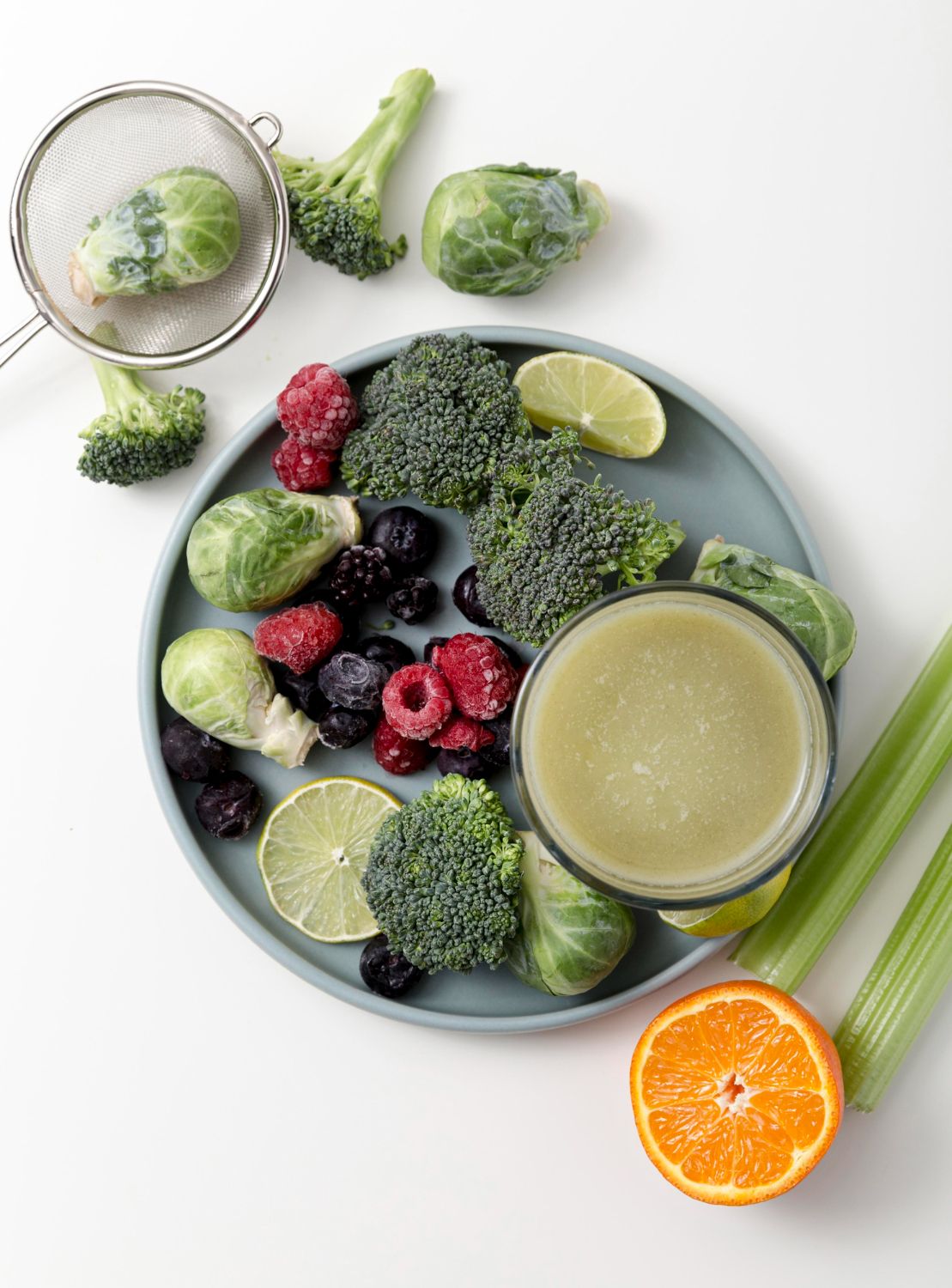
Plant-based foods contain significantly less Q10, with olive oil at 3.0 milligrams per 100 grams being one of the best plant sources. Nuts, especially pistachios and sesame seeds, as well as legumes like soybeans, also contain small amounts. Broccoli, spinach, and cauliflower also provide Q10, albeit in very low concentrations of less than one milligram per 100 grams.
To consume significant amounts of Q10 through diet, one would have to eat large portions of these foods daily—which is not always practical. For therapeutic purposes or in cases of proven deficiency, supplements are therefore the more effective option.
Who should take Coenzyme Q10?
Not everyone needs additional Q10. However, there are certain groups for whom supplementation may be beneficial:
People taking statins are the most important target group. Since these medications inhibit Q10 production, some doctors recommend accompanying Q10 intake to prevent possible side effects such as muscle pain. The decision should always be made with the treating physician.
Patients with heart failure could benefit from Q10, as several studies suggest. Supplementation should be understood as an addition to drug therapy, not as a replacement. People with high blood pressure who want to support their levels in addition to medication might also consider taking Q10.
Older people over 50, whose natural production declines, could benefit from moderate supplementation to maintain energy and vitality. Athletes with high energy needs and oxidative stress from intensive training also sometimes rely on Q10 to improve performance and recovery—although the study situation here is not clear-cut.
People with chronic fatigue or tiredness, where other causes have been ruled out, might try Q10. There is also evidence from studies that Q10 can reduce the frequency and intensity of migraine attacks.
Coenzyme Q10 dosage: How much is right?
The optimal dosage of Q10 depends on the intended use. The Federal Institute for Risk Assessment considers a daily intake of 10 to 30 milligrams through dietary supplements as harmless. This amount is suitable for general health maintenance and support with mild statin use.
For therapeutic purposes, higher doses are often used. In studies, 100 to 300 milligrams daily have been used for heart failure. For migraine prophylaxis, 100 to 300 milligrams are also recommended. Studies have shown effects at 100 to 200 milligrams daily for high blood pressure, while 50 to 100 milligrams are considered sufficient for anti-aging and general vitality.
It is important to note that Q10 is fat-soluble and should therefore be taken with a fat-containing meal to optimize absorption. The effect does not occur immediately – it may take several weeks for effects to become noticeable. Intake should be long-term, as Q10 levels drop again after discontinuation.
Products with a dosage of more than 100 milligrams must be labeled with a warning in Germany, as they are not recommended for pregnant women, nursing mothers, and individuals under 18 years due to insufficient safety data in these groups.
Side effects and safety of coenzyme Q10
Coenzyme Q10 is considered very safe and is generally well tolerated even at higher doses. Adhering to the recommended daily dose of 10 to 30 milligrams should not raise any health concerns.
However, at dosages over 100 milligrams daily, side effects can occur. The most common are gastrointestinal issues such as nausea, diarrhea, abdominal pain, or loss of appetite. Some people report insomnia, which is why Q10 should be taken in the morning or midday. Skin rash, irritability, or malaise are less common but possible.
Long-term studies on very high doses are largely lacking, so no definitive statements can be made about possible chronic effects. However, the data so far does not indicate serious risks.
Interactions with medications are possible. Q10 can weaken the effect of blood thinners like warfarin, so blood coagulation should be monitored during concurrent use. In chemotherapy, Q10 should only be taken after consulting with the oncologist, as it could theoretically affect the action of some cancer drugs.
Pregnant and breastfeeding women should avoid Q10 supplements, as the data on safety in these sensitive phases is inadequate. There are also no sufficient studies for children and adolescents under 18 years.
Buying Q10: What should you pay attention to?
The quality of Q10 supplements varies significantly. When purchasing, one should look for natural Q10 obtained through fermentation, as opposed to synthetic Q10. The form of Q10 also plays a role – ubiquinol is often advertised as more bioavailable, especially for older people, but is also more expensive. Ubiquinone is the more common form and is converted into ubiquinol by the body.
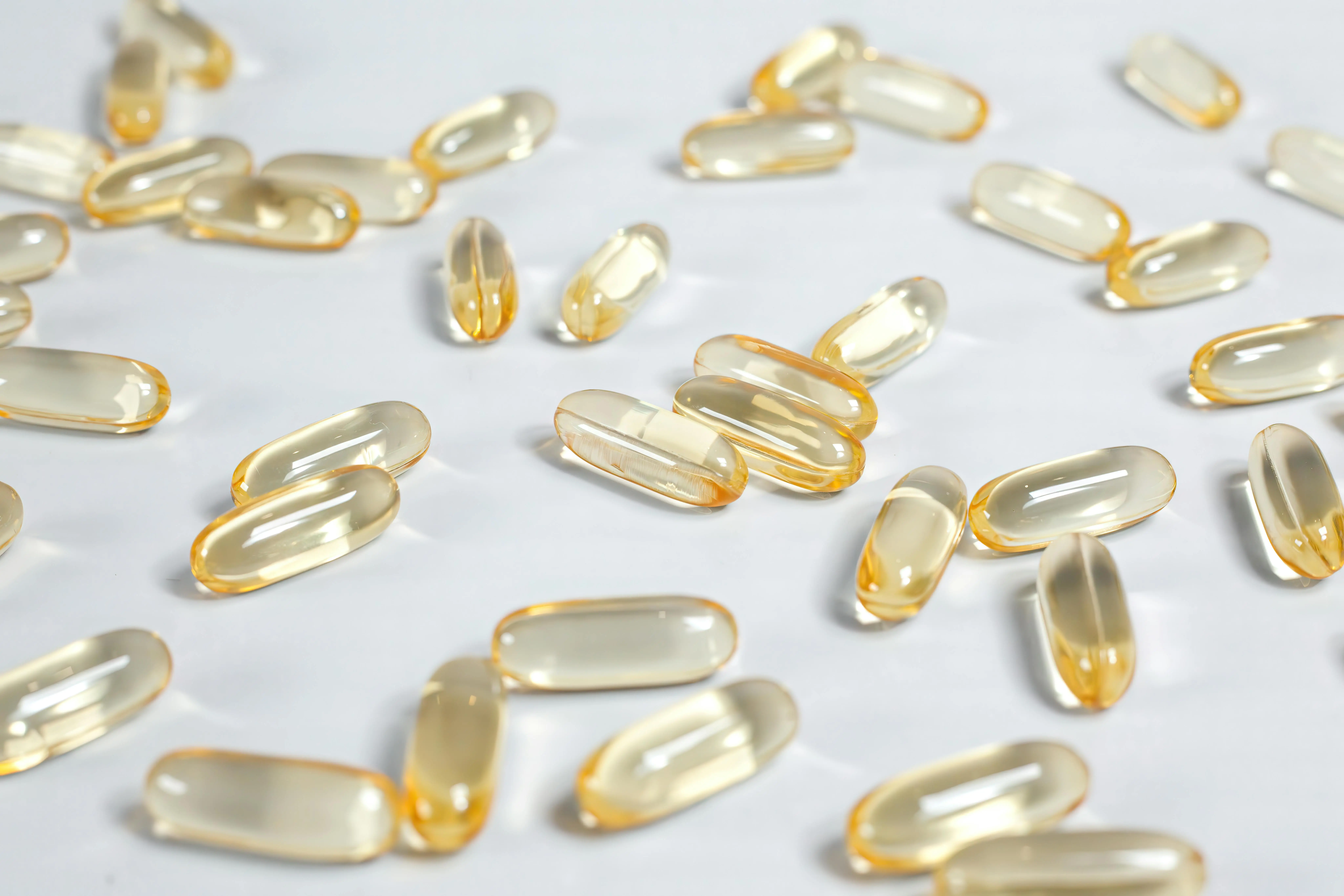
Good supplements contain Q10 in an oil matrix or as a softgel capsule, as the fat-soluble substance is better absorbed this way. The dosage should be clearly stated, and unnecessary additives, fillers, or allergens should be avoided. Certifications like GMP production or seals from independent laboratories are quality indicators.
The costs for Q10 supplements vary greatly. Affordable products with 100 milligrams of ubiquinone cost about 10 to 20 euros for a month's supply, while high-quality ubiquinol products can cost 30 to 50 euros. Price alone is not a quality indicator – purity, bioavailability, and reputable manufacturing are more important.
Conclusion: Coenzyme Q10 – sensible supplement or overrated?
Coenzyme Q10 is undoubtedly an essential component of our metabolism and plays a central role in energy production and as an antioxidant. The age-related decline in the body's own production is well documented scientifically, and certain groups of people can benefit from supplementation.
Q10 is particularly promising with statin use, heart failure, and possibly with migraines. For healthy young people without special risk factors, supplementation is usually not necessary as the body produces enough on its own.
Advertisements often promise more than science can deliver. Q10 is not a miracle cure for aging and cannot replace a healthy lifestyle with a balanced diet, exercise, and stress management. In skincare, Q10 can indeed have positive effects, but it does not replace consistent sun protection.
Anyone considering supplementation should ideally discuss it with a doctor, especially in the case of existing illnesses or medication use. With sensible dosing and good product quality, Q10 is safe and can be a valuable addition – but miracles should not be expected.