Mona Nemmer's approach: The right food at the right time
January 8, 2026
Philip Reichardt
Food
Health
Mona Nemmer: Nutrition for Elite Athletes
Jürgen Klopp once brought Mona Nemmer from FC Bayern to FC Liverpool as a nutrition coach. Here she reveals how the perfect diet for athletes is composed. After all, victories also come through the stomach.
What does a nutritionist do in professional football?
Mona Nemmer, Head of Nutrition at Liverpool FC, develops individual nutrition plans for professional footballers. Her concept "Performance Nutrition" is based on the principle: the right food at the right time. She analyzes player data (age, position, training load, metabolism) and creates personalized nutrition profiles. Jürgen Klopp called her hiring the "best transfer of his life." Her team provides all Liverpool squads with optimal meals for performance, recovery, and injury prevention.
How can you improve players who are among the best of their generation? Football professionals whose performance data is recorded and analyzed day after day, and who have already largely adapted their lifestyle to the demands of top-level sports? Where is there still potential for those few extra points that make the difference between second place and winning titles, cups, and championships?
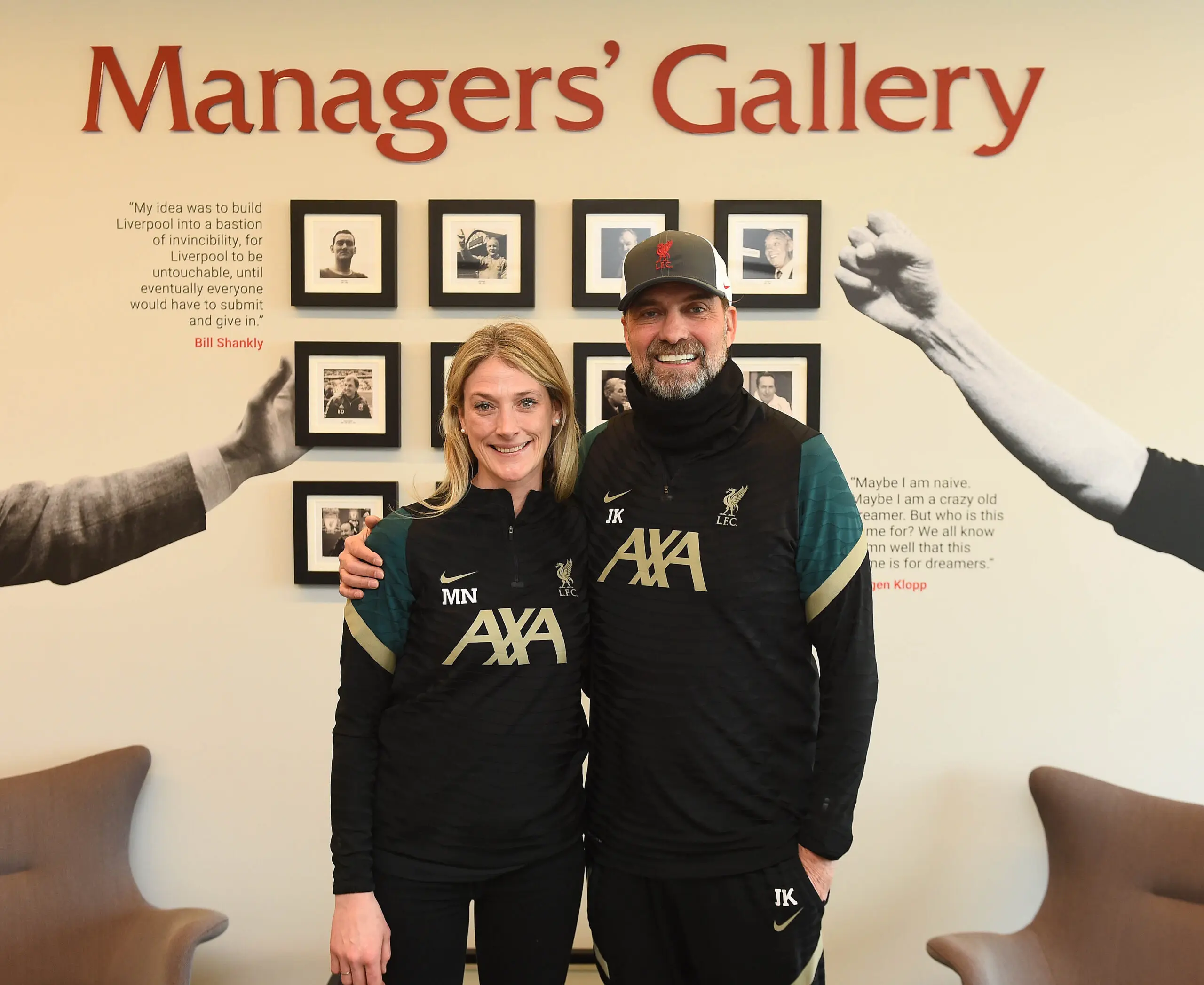
When Jürgen Klopp pondered these questions, he made a decision he later called the "best transfer of his life." He brought Mona Nemmer to Liverpool FC – that was eight years ago. Nemmer previously worked for Bayern Munich and the DFB, she is a nutritionist, and in Klopp's team she holds the title "Head of Nutrition."
Jürgen Klopp's "best transfer": Mona Nemmer comes to Liverpool
The trained nutritionist and qualified cook developed a nutritional plan for the club that solely follows the question of how nutrition can optimize athletic performance. When she arrived, two chefs and two women who served the food took care of the players' meals. On Mondays there was chicken, on Tuesdays Fish, Wednesday chicken again. Two chefs, two dishes, that’s it. Jürgen Klopp called Mona Nemmer the best transfer of his life.
From two chefs to 26 employees: The development of the nutrition team
Meanwhile, her team has 26 employees and supplies not only the pros but also all teams down to the nine-year-olds with daily meals, but above all with valuable knowledge about what benefits the body and what harms it. To this end, Nemmer has also had a 1,200 square meter garden built, where potatoes, tomatoes, cucumbers, broccoli, and fruit are grown.
The youth teams help with watering and weeding and learn early what fruits, vegetables, and spices can do for them. With the successes of the “Reds” – Champions League, Club World Cup, UEFA Super Cup – Nemmer’s contribution also became known, but she never gave interviews. She preferred to focus on her work rather than talk about it.
Performance Nutrition: The right food at the right time
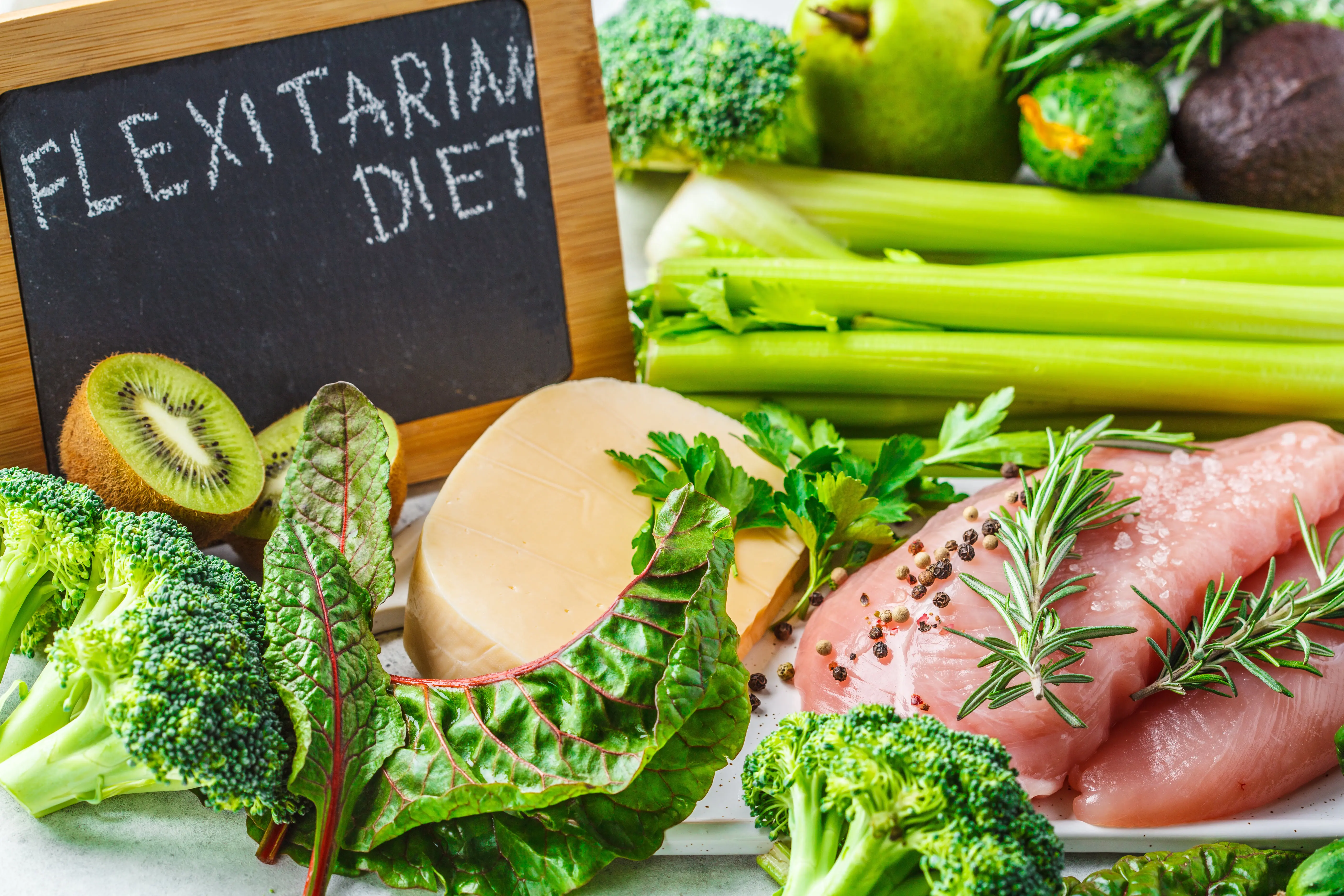
After eight years in Liverpool, the 40-year-old finally gave insight into her work with the book "Eating Like the Champions" (Piper Verlag). It is neither about diet cuisine nor quick recipes or vegan feel-good dishes. Here, what counts is what provides energy, prevents injuries, and accelerates recovery. The technical term is "Performance Nutrition," and neither meat nor fish as protein sources are frowned upon, nor are carbohydrates.
What makes office workers fat and sluggish is the fuel for high-performance athletes. Nemmer's approach is based on a principle that sounds as simple as it is plausible: The right food at the right time.
Individual nutrition plans for every player
This requires a lot of knowledge and a lot of work if, like Mona Nemmer, you take it seriously and precisely, and go into detail in daily practice. Because not every player in a football team needs the same. How many carbohydrates, proteins and fats, how many minerals and dietary fibers one needs depends on age, size and weight, metabolism, body fat percentage, allergies and intolerances, but also on the kick-off time, the weather at the playing location, the duration of play, and the position on the field.
A player who runs up and down the sidelines for ninety minutes, covering up to 13 kilometers, has a higher energy requirement than the goalkeeper. A player who is in rebuild training after an injury needs more proteins than one who is in the starting lineup three times a week.
Ethnicity also plays a role: the current squad of FC Liverpool includes players from 18 nations, with diverse cultural eating traditions such as Japan, Brazil, Egypt, and of course Great Britain. To devise a nutrition plan precisely tailored to individual needs, Nemmer first creates a nutritional biography for each player.
She determines with which eating habits he grew up, and what he associates with his parents' cuisine, as well as preferences and aversions to smells and tastes and what questions and problems might be associated with them.
In addition, samples of saliva, blood, urine, and stool are taken and subcutaneous fat is measured. This results in a complete "portfolio" of the player. In consultation with the coaching team, fitness coaches, and doctors, an individual nutritional profile is created on this basis.
This results in Nemmer's most important task: persuading players to understand the right diet as an element of their personal success strategy. For this purpose, Nemmer has developed a nutritional compass that provides easily understandable guidance on which substances the body needs, how they work, in which foods they are found, and in what proportions they should ideally end up on the plate.
In her book, she first clarifies the basics. What do proteins do, what do carbohydrates ? And why is it worth paying attention to Vitamins, minerals, and fiber in food. “I am a big fan of,” writes Nemmer, “explaining things in a practical, realistic way so that people immediately understand how they should eat in everyday life.”
The Mealwatch System: Energy at the Perfect Time
One suspects she has a lot of practice in leading fundamental conversations, explaining contexts in workshops, and inspiring new recipes. With her style of explaining patiently and vividly, she is perfectly in line with Jürgen Klopp. In the foreword, he writes: “What really counts is passing on knowledge. Mona is unparalleled in this.” Her ability to positively influence players and staff makes her so valuable to the club.
To reach the players and give their insights the greatest impact, Nemmer places great importance on the presentation of daily meals and formulates rules that are clear and easy to remember. To ensure that players have the needed energy at the right time, she developed a system she calls “Mealwatch.”
For professionals whose daily routine is completely scheduled, this plays a lesser role than for young players who are not yet supported by a team of specialists from morning to night. Mealwatch helps them not to miss the ideal moment of energy intake. “For those who want to train at four o’clock, Mealwatch tells them that a snack is due at least 90 minutes beforehand,” says Nemmer.
The ideal ratio of carbohydrates, proteins, fats, fiber, and minerals on the plate depends on the intensity of training and the strain of games. Portion sizes are also systematically adjusted to the player’s energy needs: The more physical activity, the greater the carbohydrate requirement.
"A moderate level of physical activity," it says in "Eat Like the Champions," "for players who are substituted late, means a more even division of portions of rice, chicken, and vegetables on the plate. With very low activity, such as with injured players, the plate can be half filled with chicken and vegetables, as less rice, and therefore fewer carbohydrates as fuel, is needed." Players who eat a vegetarian or vegan diet must consume the correspondingly higher amount of plant proteins.
The plate color rule: Micronutrients at a glance
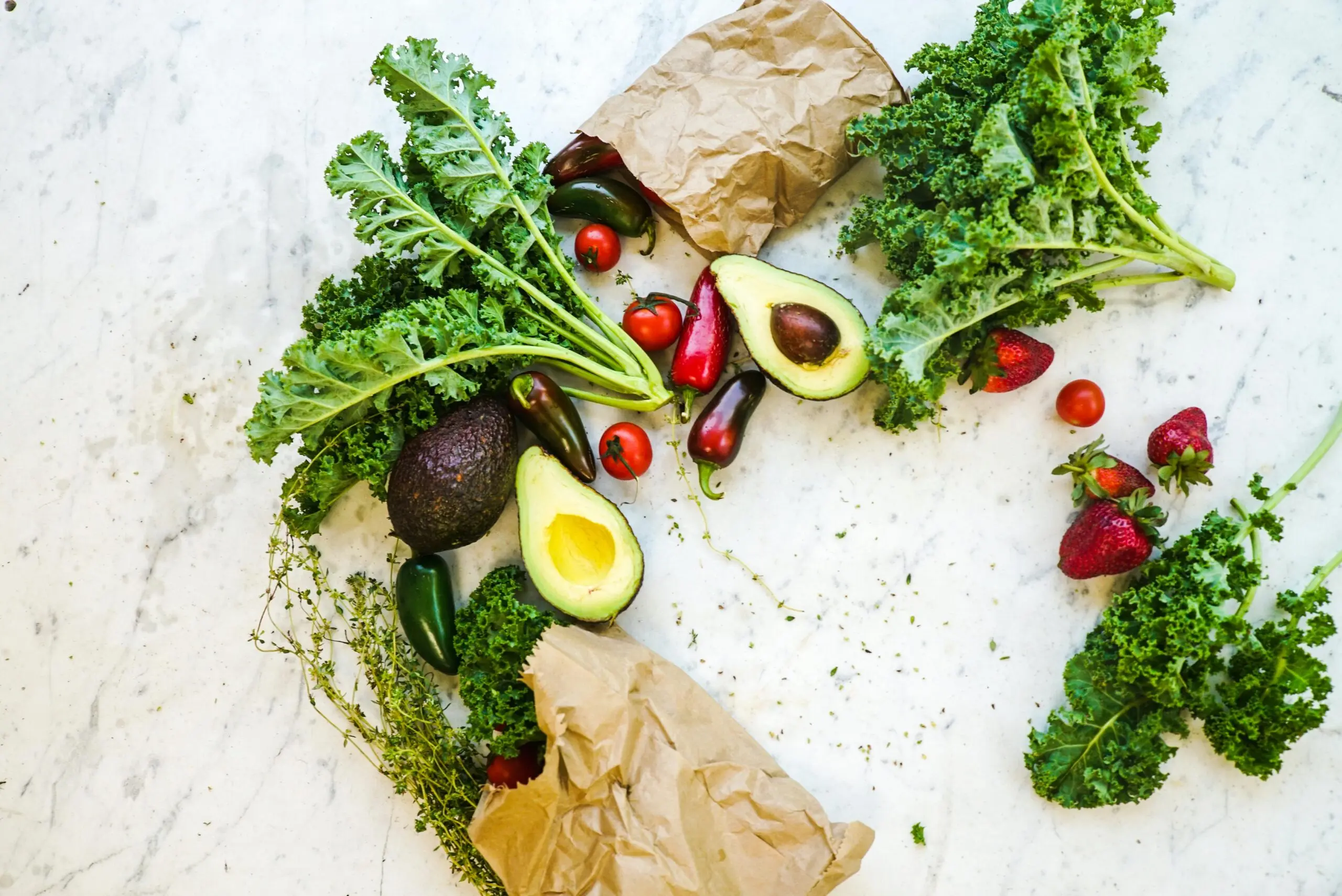
Nemmer advises the stars around Mo Salah, Virgil van Dijk, and Luis Díaz to also pay attention to the colorfulness of a meal. Meaning: "The more natural colors on the plate, the better for the body." This ensures that the body also receives important micronutrients.
Green vegetables, for example, contain a lot of lutein and vitamin K, which strengthens the bones, the carotenoids in carrots or yellow peppers are rich in vitamin C and prevent muscle soreness, light vegetables like onions, garlic, or cauliflower contain allicin, a plant compound that has anti-inflammatory and antibacterial effects, red grapes and red peppers are rich in antioxidants.
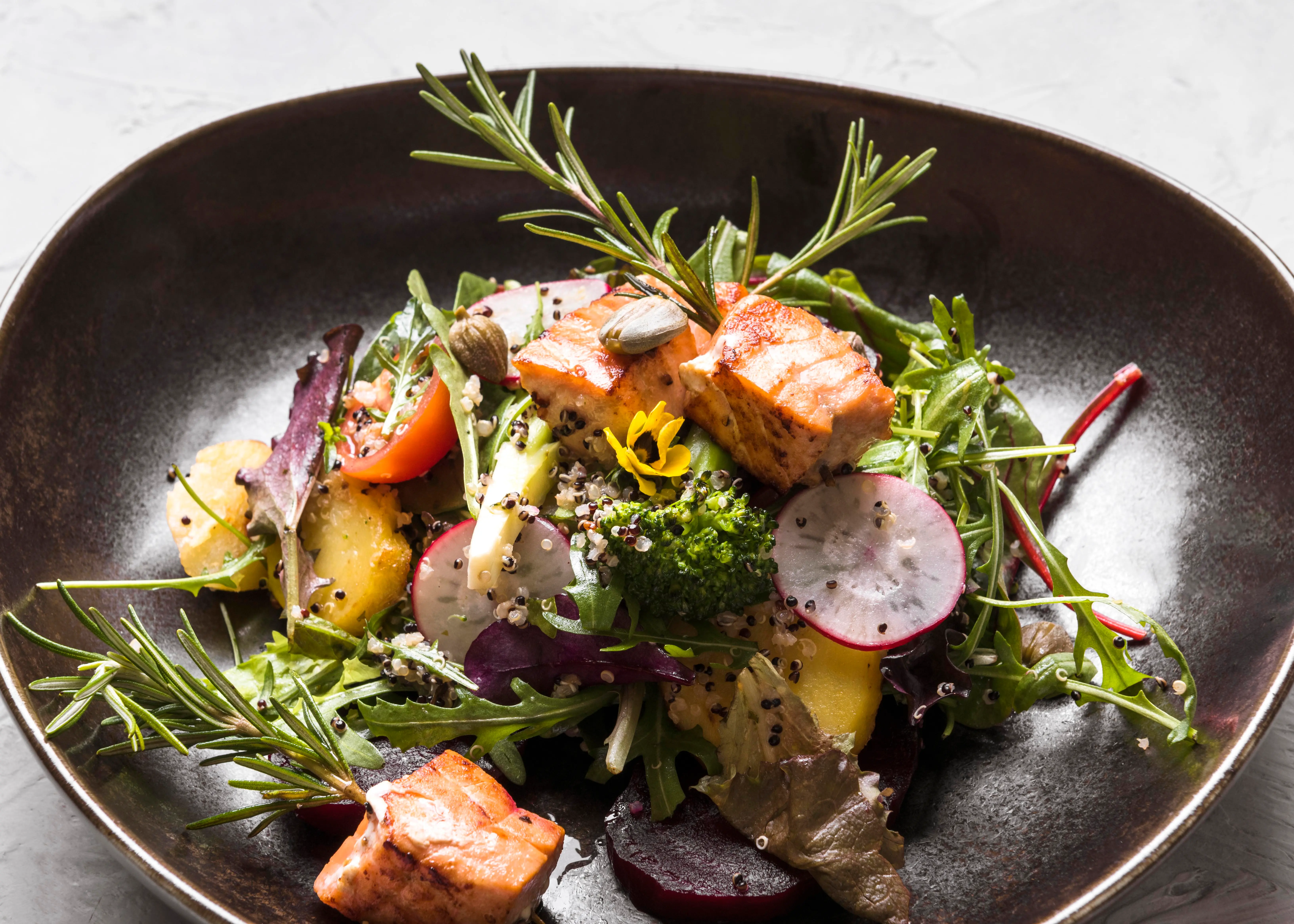
If someone already has a pink salmon next to light yellow potatoes on the plate, Nemmer recommends a few forks of colorful vegetables to enrich the meal with micronutrients.
No bans: Pizza and chocolate are allowed
It's also important not to impose bans, says Nemmer. Neither pizza, chocolate, nor chips are taboo. "I don't want to fundamentally ban delivery pizza for anyone. It depends on how often you treat yourself to something like that. And if you do, you shouldn't feel guilty, but enjoy it and see it as something you've worked hard for. The main thing is not to forget that it's a special occasion and not part of a normal eating routine."
And: the more often you eat well and properly, the more you can occasionally treat yourself to something sweet, because: "The many nutrients help the gut microbes to cope with it."
Contrary to the advice of many nutrition experts, Nemmer is also a big fan of bread – as long as it's made with sourdough. Due to the natural bacteria from the fermentation process, it is easier to digest, and the energy supplied by the carbohydrates is released slowly – unlike conventionally baked bread. "You can enjoy such a bread in the morning before a game."
The 9.30 snack: Liverpool's number 1 food favorite
Over the years, some recipes from the Nemmer kitchen have become favorites. Buttermilk chicken, for example, is highly valued, and the number one among Liverpool players' food favorites is called 9.30: a snack that players receive at half-past nine in the evening to recharge their energy reserves.
It consists of soy yogurt, oats, almonds, granola, cashews, and a handful of berries. In the afternoon, it is also said to taste very good.How many extra points Nemmer's expertise and persuasive power have provided over the years cannot, of course, be measured.
But, she recently said in an interview: The players "know when we eat well, we feel better. And when we feel good, we usually play well. And when we play well, the chance of winning is very high. So one thing leads to another." Her message, there's hardly any other way to interpret it, has been received.
FAQs Mona Nemmer und Performance Nutrition
Wer ist Mona Nemmer?
Mona Nemmer ist Ernährungswissenschaftlerin und gelernte Köchin. Seit 2017 arbeitet sie als Head of Nutrition beim FC Liverpool, wo sie ein 26-köpfiges Team leitet. Zuvor war sie beim FC Bayern und beim DFB tätig. Jürgen Klopp bezeichnete ihre Verpflichtung als "den besten Transfer seines Lebens".
Was ist Performance Nutrition?
Performance Nutrition ist ein Ernährungskonzept für Leistungssportler, das auf dem Prinzip basiert: das richtige Essen zum richtigen Zeitpunkt. Es zielt darauf ab, mit optimaler Ernährung die sportliche Leistung zu maximieren, Energie bereitzustellen, Verletzungen vorzubeugen und die Regeneration zu beschleunigen.
Was war der Unterschied vor und nach Mona Nemmers Ankunft?
Vor Nemmer: zwei Köche, zwei Standardgerichte, feste Wochenpläne (Montag Huhn, Dienstag Fisch). Nach Nemmer: 26 Mitarbeiter, individuelle Ernährungsprofile für jeden Spieler, ein 1.200 Quadratmeter großer Garten, das Mealwatch-System und wissenschaftlich fundierte Ernährungspläne für alle Mannschaften bis hin zu den Neunjährigen.
Was ist das Mealwatch-System?
Mealwatch is a timing system developed by Mona Nemmer that shows players when to eat certain meals or snacks to have energy available at optimal times. Example: Someone who wants to train at 4 PM should eat a snack at least 90 minutes beforehand.
How does Mona Nemmer create individual nutrition plans?
Nemmer first creates a "nutrition biography" for each player: eating habits, cultural background, preferences, and dislikes. In addition, samples of saliva, blood, urine, and stool are analyzed, and subcutaneous fat is measured. This results in an individual nutrition profile that takes into account age, size, weight, metabolism, position, training load, and ethnic affiliation.
What is the plate color rule?
"The more natural colors on the plate, the better for the body." This rule ensures that players receive important micronutrients: green vegetables provide vitamin K (bones), yellow-orange peppers contain vitamin C (against muscle soreness), light vegetables like garlic have anti-inflammatory effects, red foods are rich in antioxidants.
Are pizza and chocolate forbidden in performance nutrition?
No. Mona Nemmer does not work with prohibitions. Pizza, chocolate, or chips are also allowed—it depends on frequency. Such indulgence moments should be viewed as something special that you've worked hard for, not as part of the normal nutrition routine. The better your overall nutrition, the better your body can handle occasional "slip-ups."
What is the 9:30 snack?
The 9:30 snack is the most popular snack among the Liverpool players and is served at 9:30 PM to recharge energy reserves. It consists of: soy yogurt, rolled oats, almonds, granola, cashews, and a handful of berries. According to Nemmer, it also tastes great in the afternoon.
Why do nutritional plans differ depending on the position?
A full-back running up and down the sideline for 90 minutes and covering up to 13 kilometers has a significantly higher energy requirement and needs more carbohydrates than a goalkeeper. An injured player in rehabilitation training needs more proteins for regeneration than a regular player. Ethnicity, kickoff time, weather, and playing time also play a role.
Where can I learn more about Mona Nemmer's work?
Mona Nemmer published her first book in 2024: "Eating Like the Champions" (Piper Verlag). It provides detailed insights into her work at FC Liverpool, explains the performance nutrition concept, and shares recipes and the nutrition compass she developed for the players.
Mona Nehmer's Book: Eating Like the Champions: Achieving Top Form with the Right Nutrition – The Success Recipe from the Nutrition Expert of Liverpool FC | With a Foreword by Jürgen Klopp
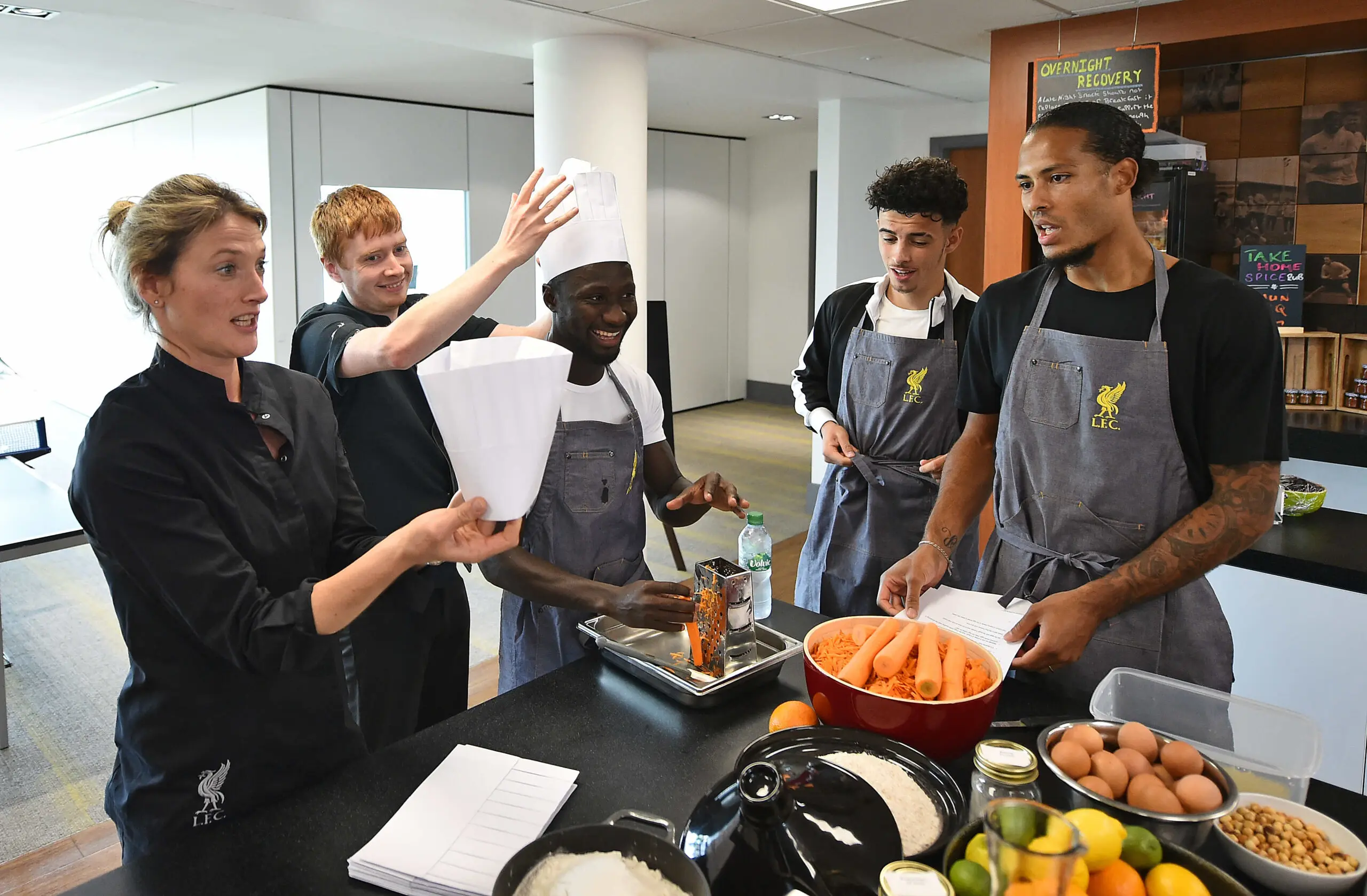
Cooking school with champions: Mona Nemmer with Sepp van den Berg, Naby Keita, Trent Alexander-Arnold, and Virgil van Dijk in the kitchen of FC Liverpool