© Pixabay
December 31, 2025
Birgitta Dunckel
Epi-Food uses epigenetics for microbiome optimization. Learn how to influence your genes and live healthier through targeted nutrition.
Imagine you could not only nourish your body through your daily diet but also actively influence your genetic health. This is exactly what the concept of Epi-Foods promises. This innovative dietary approach combines science with practical application and aims to positively influence the human microbiome. But what is really behind it, and how can you benefit from it?
Epi-Food is a form of nutrition based on epigenetics – a branch of research that examines how environmental factors and lifestyle can influence gene expression without changing the DNA sequence itself. In other words, your genes are not your destiny. What you eat can determine which genes are activated or deactivated.
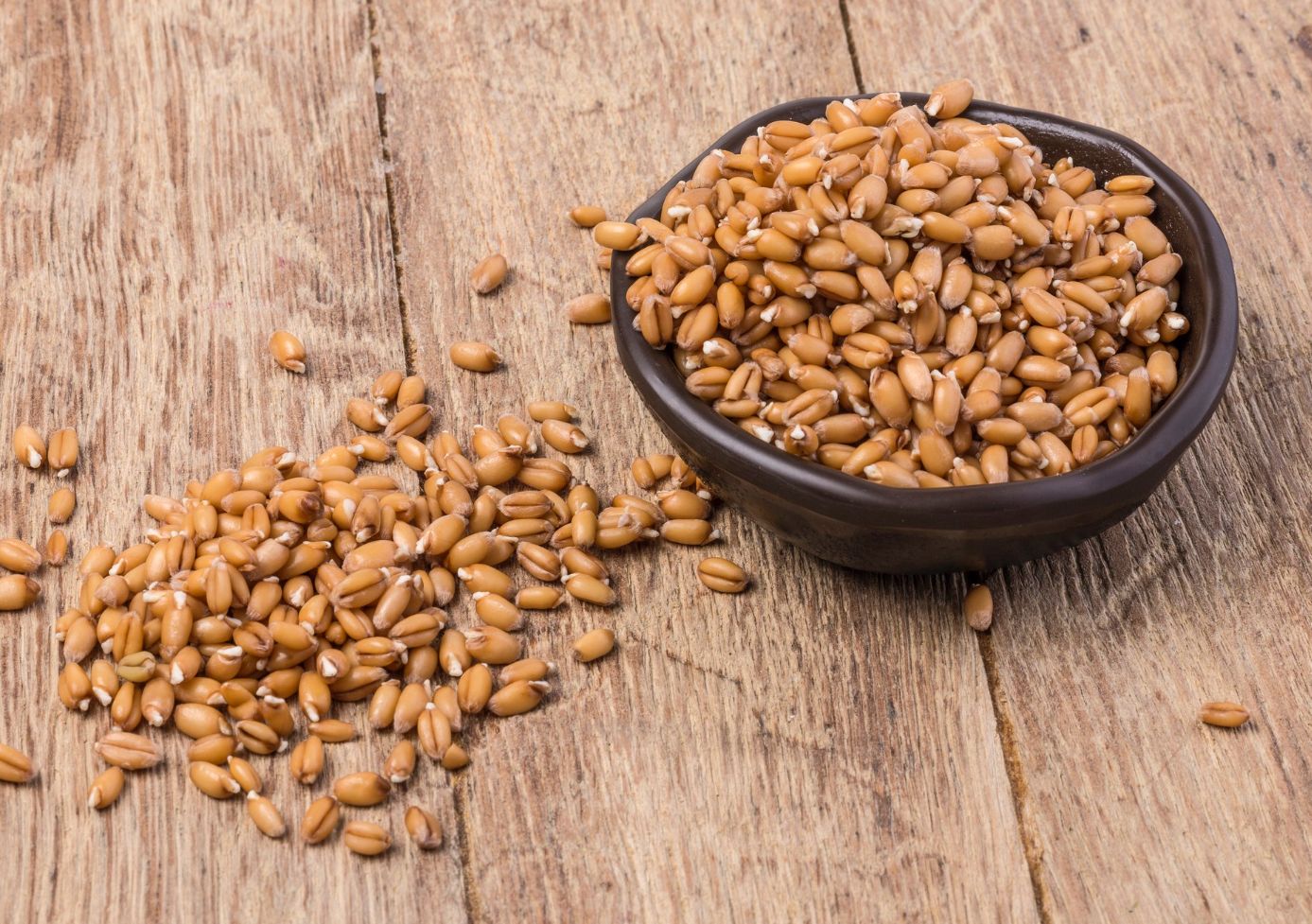
The term comes from the combination of "epigenetics" and "food." The pioneers of this concept, Alexandra Stech and Felicitas Riederle from Munich, started developing a dietary concept in 2014 based on three simple basic rules: avoiding wheat flour products, refined sugar, and cow's milk products.
It's not about another diet, but about a long-term dietary change that supports your cells on a cellular level.
Epigenetics sounds complicated but is a fascinating concept: Your DNA is like a recipe book with thousands of recipes. Epigenetic mechanisms decide which recipes are actually cooked and which remain on the shelf. These decisions are influenced by your lifestyle – especially by what you eat.
Various studies show that polyphenols in foods like berries, nuts, and green tea can promote epigenetic changes that have anti-inflammatory effects. This means specifically: By eating consciously, you can reduce inflammatory processes in your body, lower the risk of chronic diseases, and improve your overall well-being.
Epigenetics researcher Prof. Isabelle Mansuy from ETH Zurich discovered that genes shaped by our lifestyle can also be passed on to our children and grandchildren. The way you eat today can therefore affect not only your own health but also that of your descendants.
The human microbiome consists of a variety of microorganisms, including bacteria, viruses, fungi, and other microbes that live in and on our body. The gut, in particular, is a hotbed of microbial activity, playing a crucial role in digestion, vitamin synthesis, and immune function.
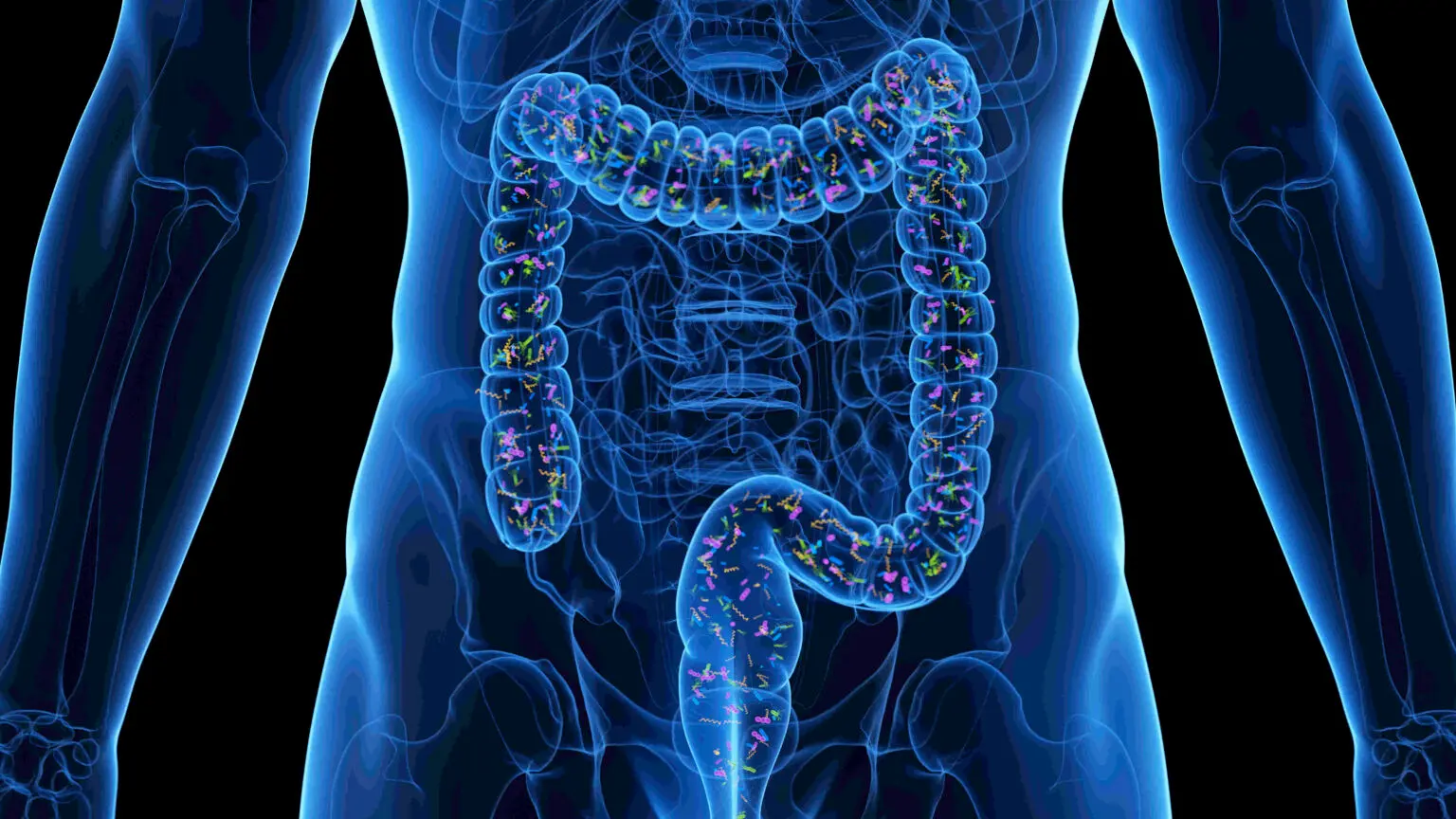
Your gut hosts trillions of bacteria that together form a highly complex ecosystem. These microorganisms are not just passive inhabitants – they communicate with your brain, influence your mood, regulate your immune system, and help determine how well you absorb nutrients.
A balanced microbiota promotes health, while a disturbed balance (dysbiosis) is associated with numerous diseases, from digestive problems to skin conditions to depression and autoimmune diseases.
Epi-Food uses knowledge of epigenetic mechanisms to positively influence the microbiome and thus health through targeted dietary influences. The approach is holistic: it is not about individual superfoods, but about a balanced, nutrient-rich diet that makes your microbiome diverse and resilient.
Focusing on a balanced, plant-based diet and limiting processed foods, sugar, and alcohol may be key to promoting a healthy gut microbiome and preventing inflammatory diseases.
Certain nutrients act like fertilizer for good gut bacteria. Fiber from vegetables, whole grains, and legumes serves as prebiotics and feeds the beneficial microbes. Fermented foods like sauerkraut, kimchi, and kombucha provide probiotics – live bacteria that directly enrich your microbiome.
An epigenetic diet is based on fresh ingredients of high quality and the avoidance of industrial sugar, wheat flour, and cow's milk. Instead, lots of colorful, seasonal vegetables end up on the plate. The rule of thumb: The more intense the color, the better – blackberries, red peppers, spinach, and carrots are your new best friends.
The diet is 80 to 85% plant-based. When there is meat and fish, it depends on the holistic quality and thus also on the effect on our health.
The scientific findings are promising. An Epi-Food diet offers various health benefits, including anti-inflammatory effects, cancer prevention, improvement of gut health, and strengthening of the immune system.
Specifically, this means:
Personalized Nutrition: The Future is Now
Microbiome analyses make it possible to identify around 1500 different types of bacteria and create personalized nutrition recommendations tailored to current needs. These tests are now available to individuals and offer fascinating insights into your individual gut flora.
Providers analyze a stool sample and give you detailed information about which bacterial strains live in your gut, whether your microbiome is balanced, and which foods would particularly well support your specific gut flora.
The advantage: Instead of general nutritional recommendations, you receive tailored advice. Personalized nutrition takes into account your biological individuality.
You don't need to overhaul your entire diet overnight. Start gradually:
Week 1-2: Reduce refined sugar. Replace sweets with dates, dark chocolate (70%+), or fresh fruit.
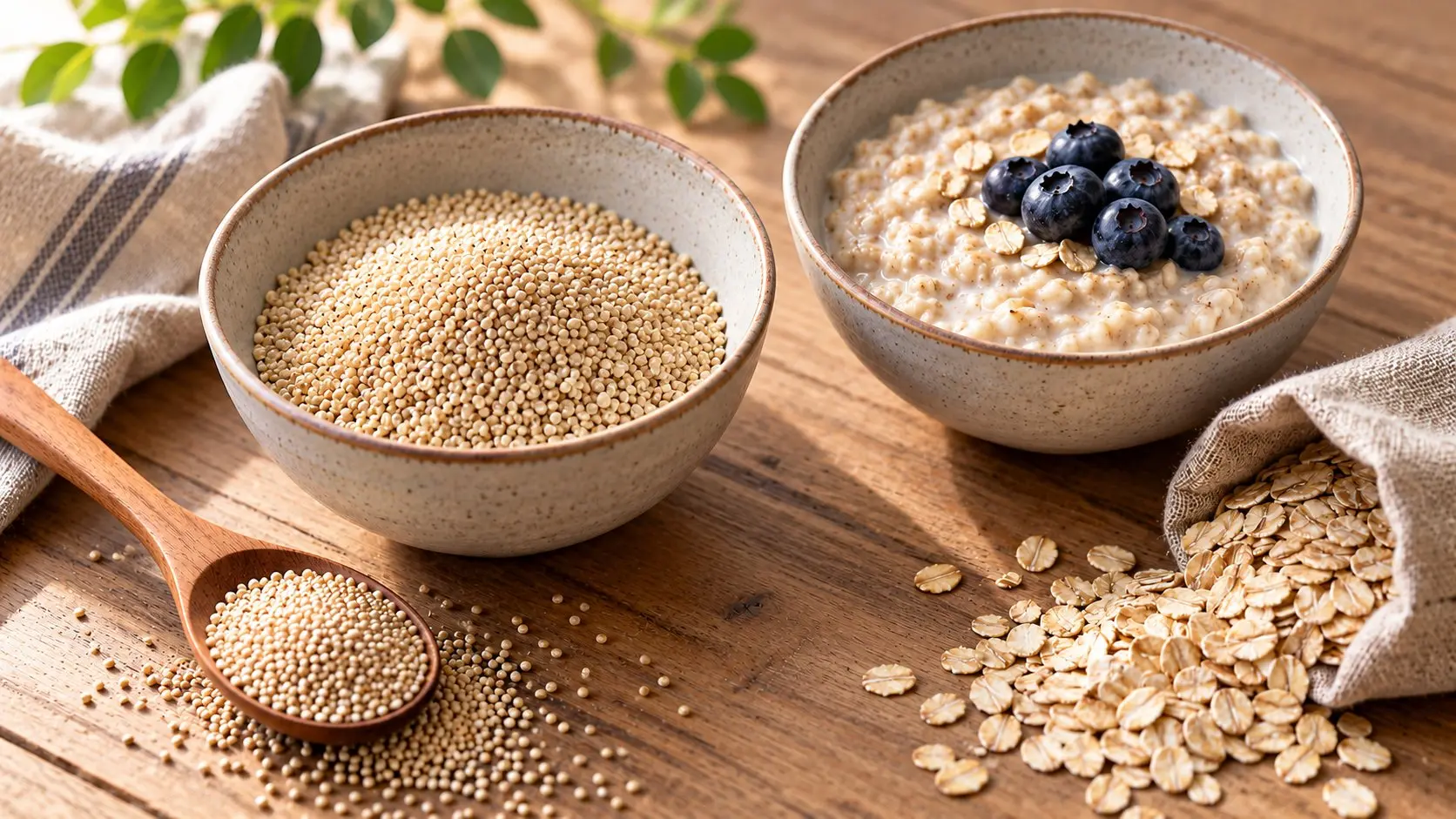
Week 3-4: Swap wheat products for alternatives like spelt, quinoa, buckwheat, or oats.
Week 5-6: Experiment with fermented foods. Add a portion of sauerkraut, kimchi, or natural yogurt daily.
Week 7-8: Increase your vegetable intake. Goal: Half of your plate should be colorful vegetables.
Long-term: Regularly integrate omega-3 rich foods, high-quality proteins, and a variety of fiber sources.
Epigenetic nutrition is an exciting and promising field of research, but it's still in its infancy. It's important to remain realistic: Epi-Food is not a miracle cure and cannot solve all health problems.
Some promises are not yet sufficiently supported by science. Epigenetics is a young field of research, and not all connections between specific foods and gene expression are fully understood. Be critical of exaggerated promises of salvation.
Additionally, individual tolerance is important: Not everyone tolerates fermented foods well, and avoiding cow's milk is not necessary or sensible for everyone. Listen to your body and consult a doctor or qualified nutritionist for serious health issues or before making radical dietary changes.
Epi-Food is more than a dietary trend – it is a scientifically grounded approach that has the potential to improve your health in the long term. By consciously choosing foods that support your microbiome and promote positive epigenetic changes, you are investing in your future.
The basic principles are not new: Fresh, unprocessed foods, plenty of vegetables, high-quality proteins, and healthy fats form the foundation. What makes Epi-Food special is understanding why this way of eating works – on a genetic and microbial level.
Your diet is not a rigid set of rules, but a dynamic process. Experiment, observe how your body reacts, and continuously adjust your diet. Your microbiome changes with each meal – use this power consciously to live healthier, more energetically, and happier.