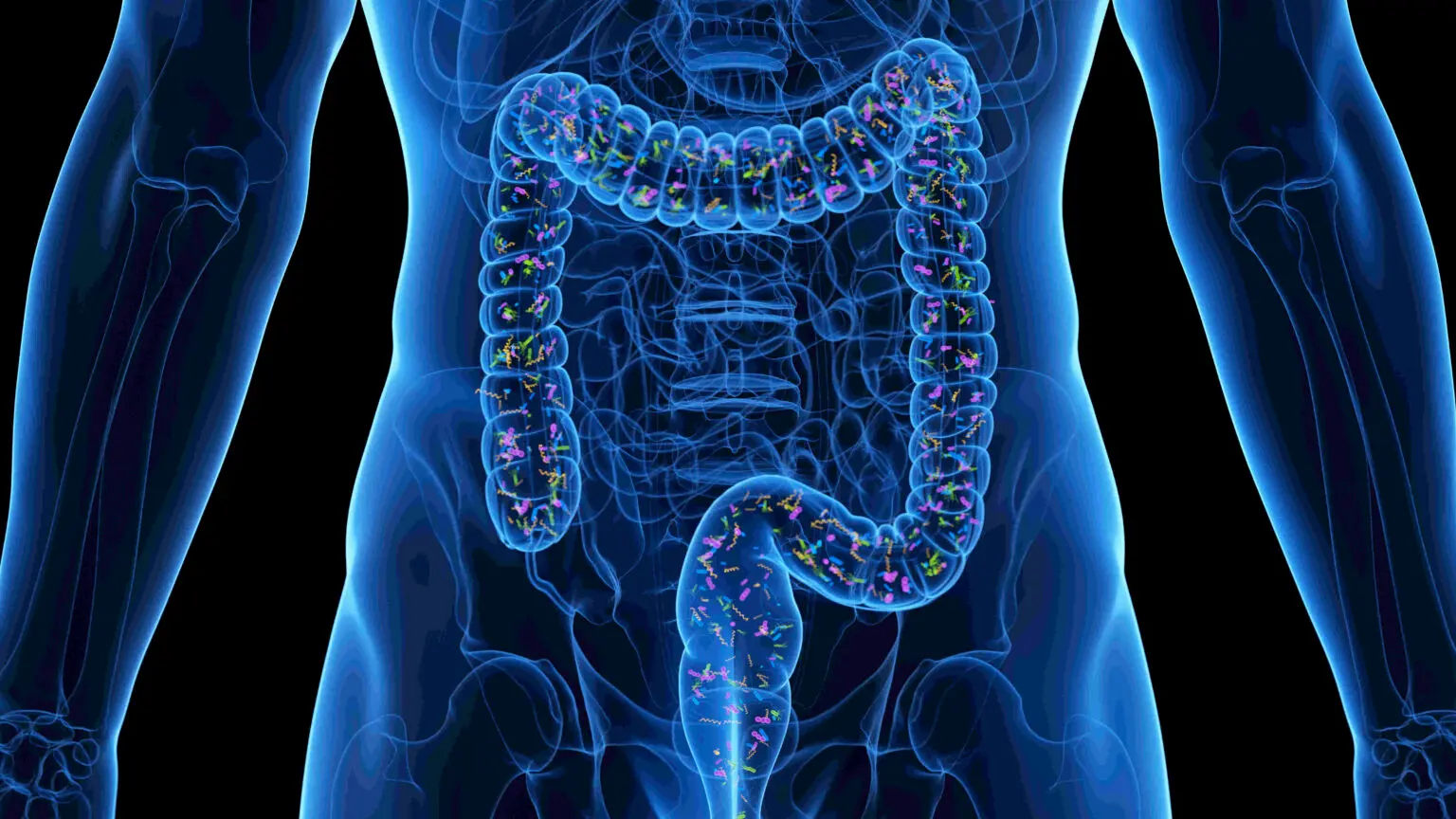
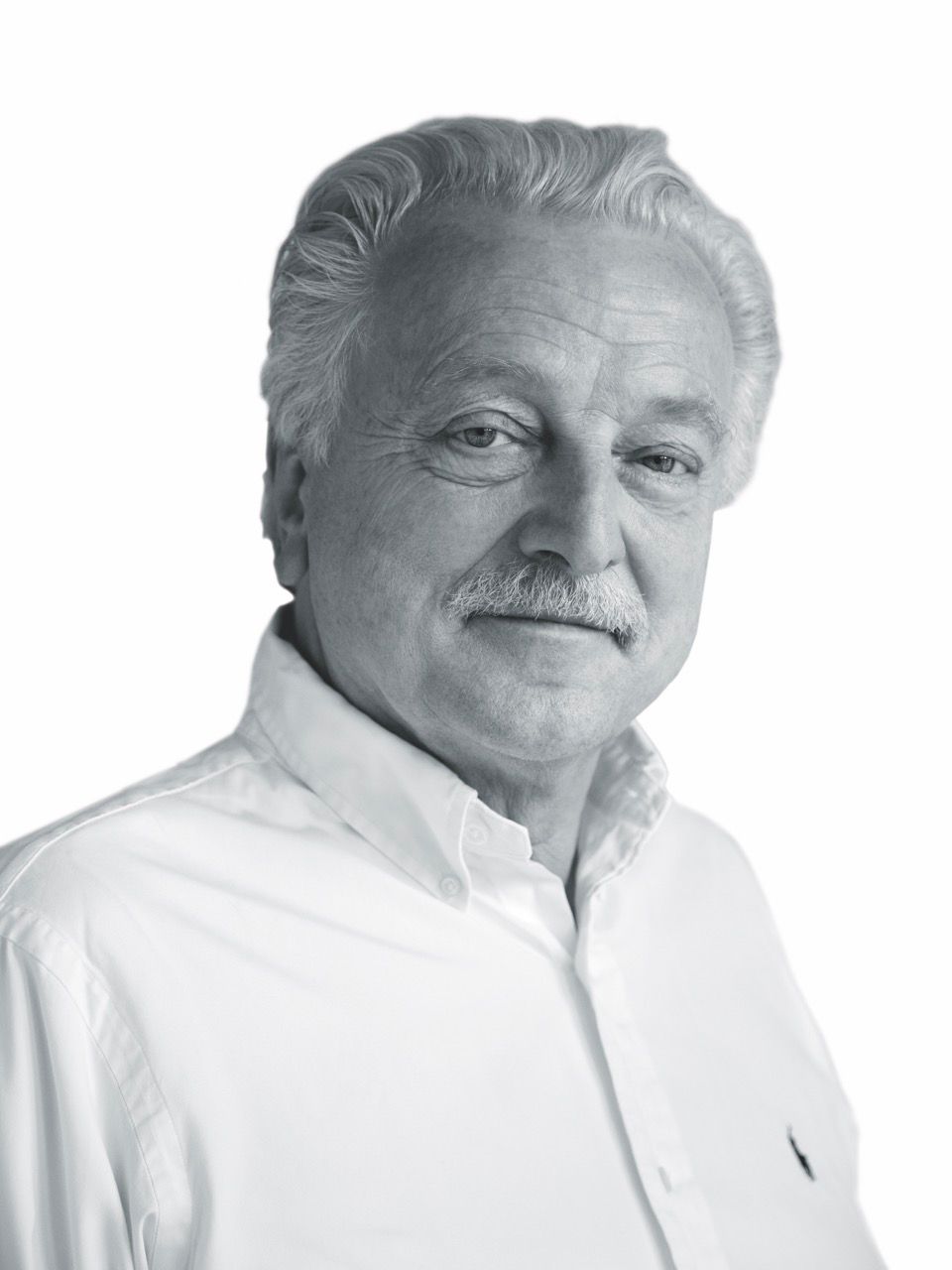
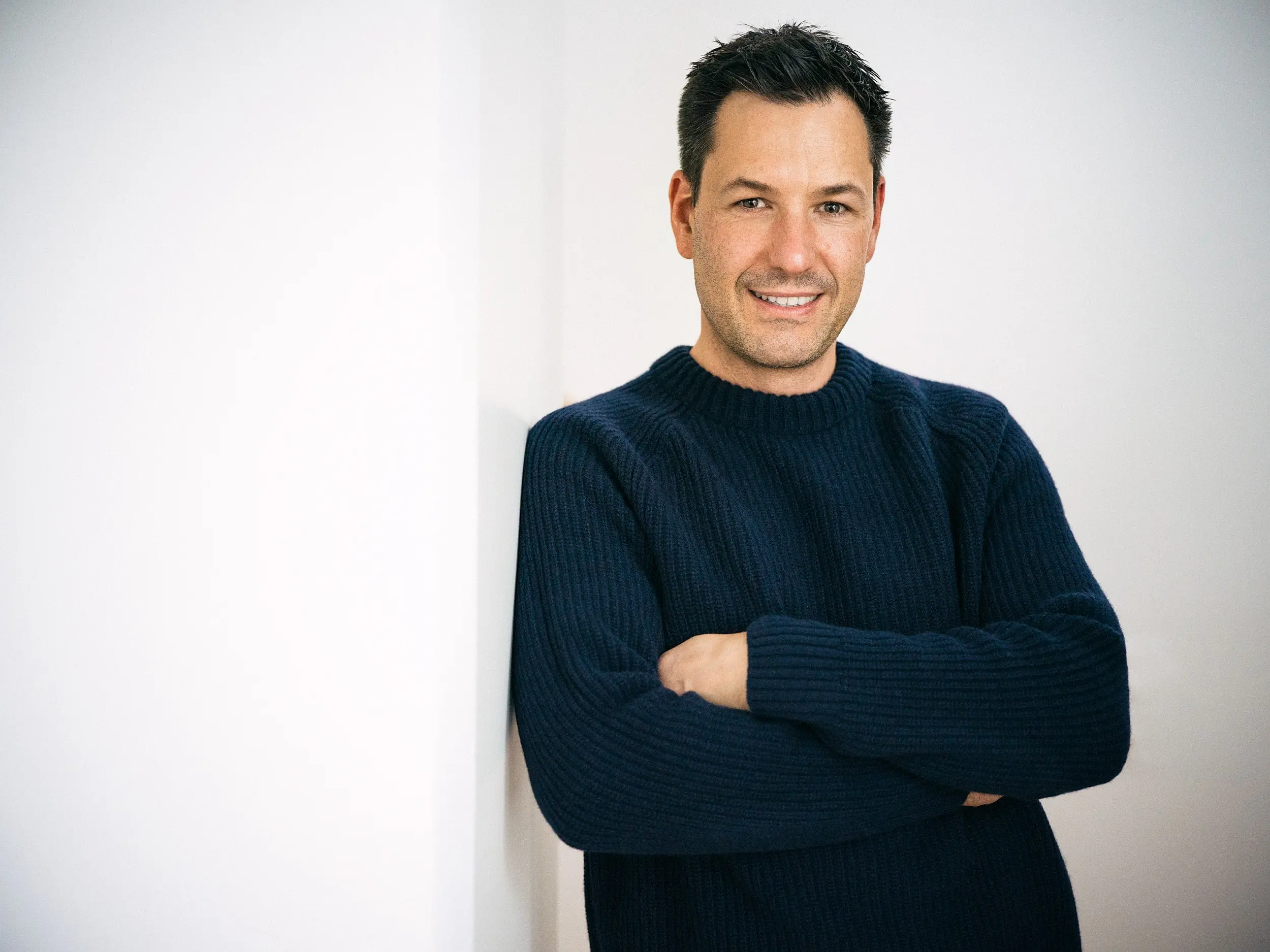
Fast 90 percent of all diseases are related to the intestine together. 70 percent of the immune system is generated there and 95 percent of the happiness hormone serotonin. Why the intestine is referred to as the second brain and how to keep its microbiome - the sum of all microorganisms existing there - healthy, is explained by David J. Kugler in today's podcast.
How important it is to eat as many different types of fruits and vegetables as possible (preferably 20 per week), what role regular fasting plays for health and whether a microbiome analysis is really useful, is also discussed by the founder and CEO of the self-care brand DALUMA.
Listen now!
The podcast by Premium Medical Circle
PQ publisher Stephanie Neureuter met with the health expert, among others Nils Behrens, the orthopedic and digital health expert Dr. Dominik Pförringer, the sports dentist Dr. Siegfried Marquardt, den Dermatologen Dr. Timm Golüke, die Unternehmerin Stephanie Neumann sowie die Plastische Chirurgin Dr. Caroline Kim.
Feel good, live better
Im Health-Podcast von Premium Medical Circle spricht Stephanie Neureuter mit Expertinnen und Experten aus ganz unterschiedlichen Bereichen wie Ernährung, Mental Health und Frauengesundheit, Psychosomatik, Chirurgie, Ästhetische Medizin oder Digital Health.