© Adobe Stock
Ein Sinken des Östrogenspiegels kann ähnliche Symptome wie Gicht, Arthrose oder Rheuma hervorrufen
August 17, 2026
Sharon Burbat
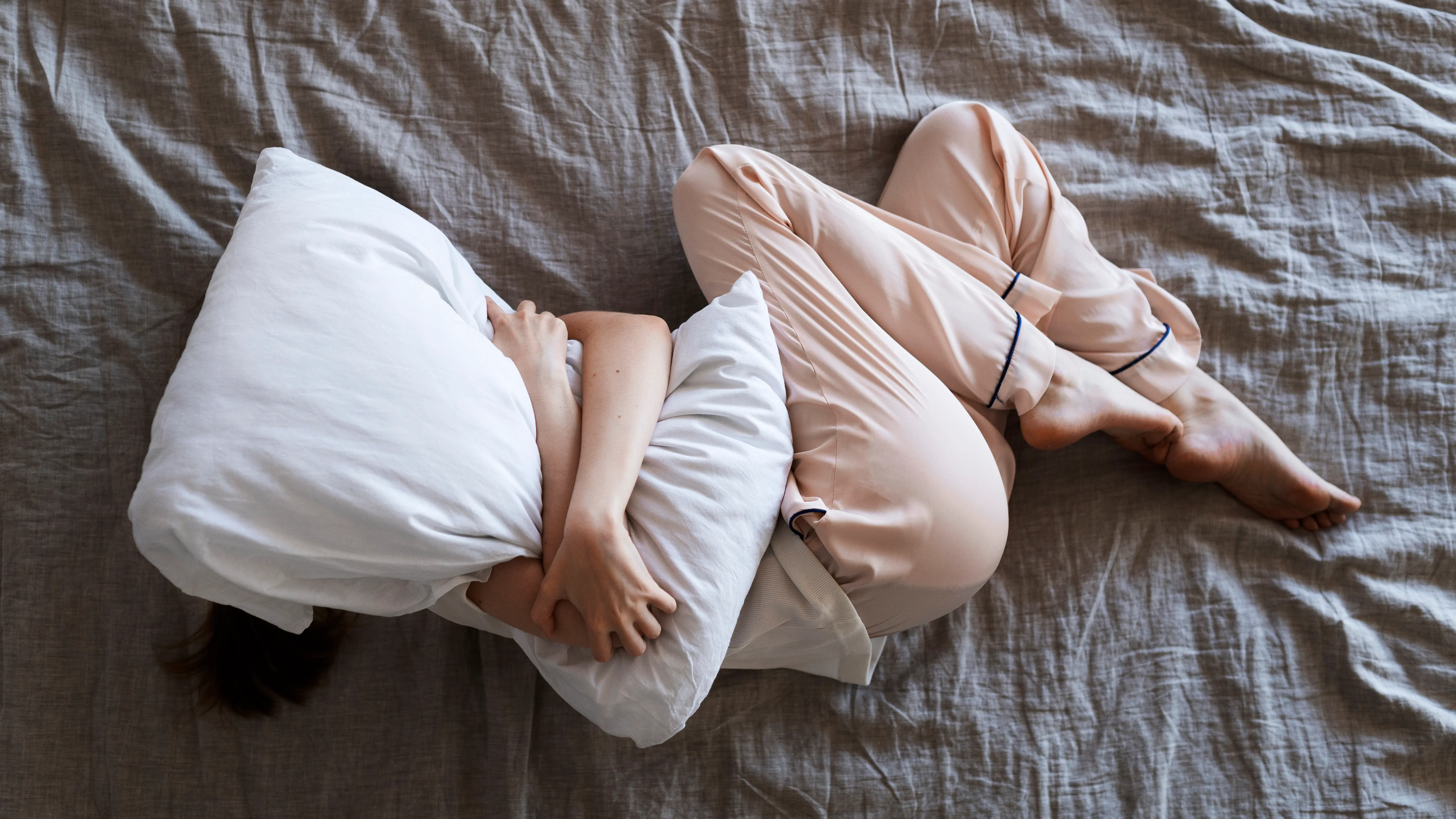
Aching knees, stiff fingers, painful hips: joint problems are surprisingly common during menopause. What hormones have to do with it – and what can help.
When during the menopause fingers suddenly start to ache, knees become stiff, or the hip causes trouble, many women's first thought is wear and tear. But that may be only part of the story. Estrogen doesn't just influence the reproductive cycle and fertility – it also affects muscles, bones, and joints.
Just how common these complaints are around the time of menopause is illustrated by a recent meta-analysis. Researchers analyzed 37 studies from 22 countries involving a total of 93,021 women. While 40 percent reported muscle or joint pain during premenopause, that figure rose to 57 percent during perimenopause and 59 percent after menopause.
These results show an association, however – not that the hormonal transition actually causes the pain.
The most obvious explanation is estrogen, though the connection is more complex than a simple equation. During perimenopause estrogen levels fluctuate considerably before eventually declining for good. Receptors for the hormone are found not only in the reproductive organs, but also in bones, muscles, tendons, ligaments, and cartilage.
How broadly the hormonal transition may affect the musculoskeletal system is an increasingly active area of research. A review published in 2024 even coined the term
Under this term, the authors group joint and muscle pain, loss of muscle and bone mass, and changes in tendons, ligaments, and cartilage, among other things. It is worth noting, however, that the term is new and not an established medical diagnosis.
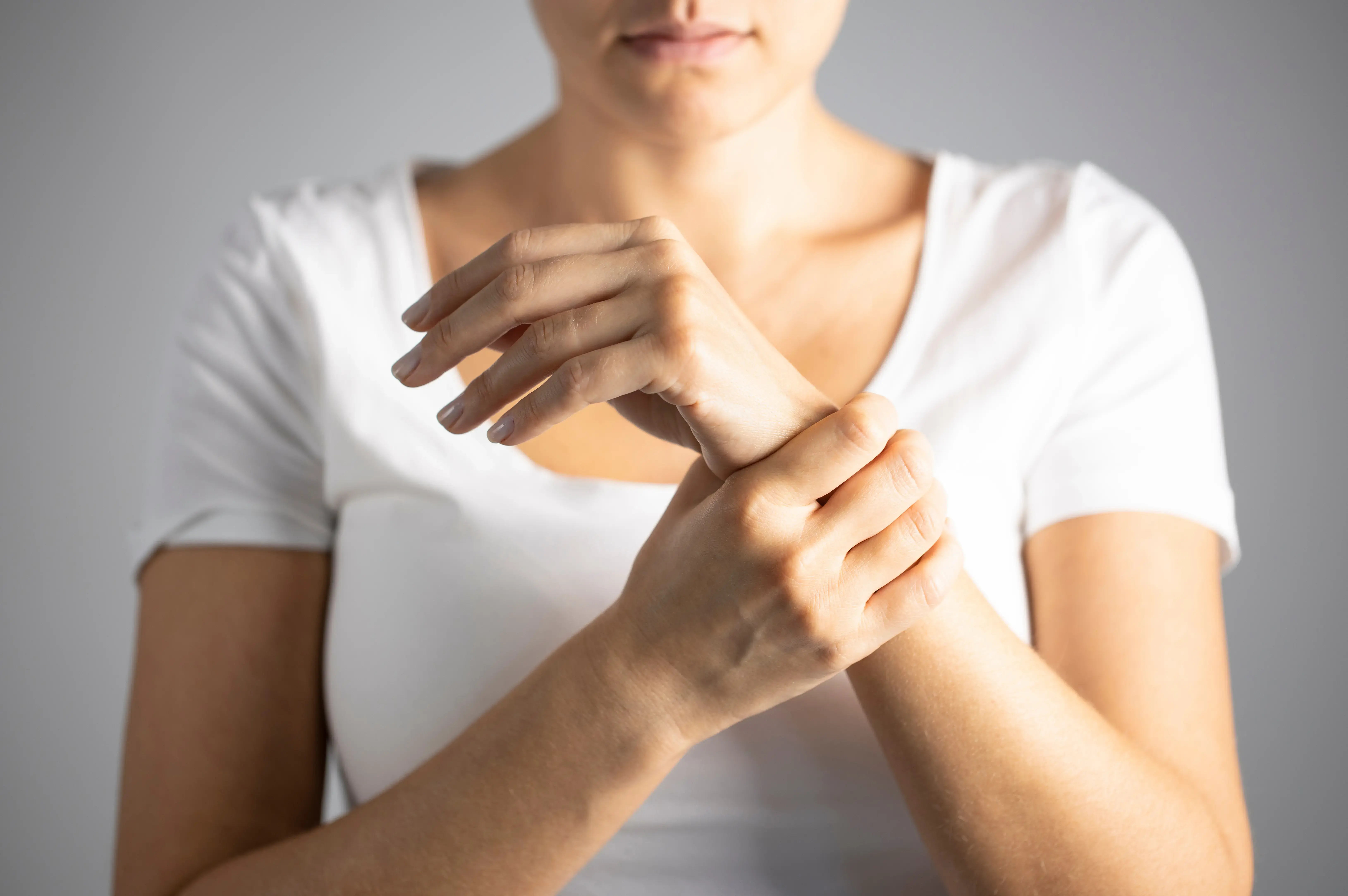
Pain and stiffness can occur in various locations, most commonly in the hands and fingers, knees, hips, or shoulders. Back pain and muscle pain are also frequently reported. Some women also experience stiff joints in the morning or after sitting for extended periods.
These complaints are not unique to menopause, however. There is also a limitation in the existing research: many studies record muscle and joint pain together, without distinguishing more precisely which structures or conditions are actually involved.
There is no single treatment for joint pain during menopause – not least because the complaints can have a wide range of causes. That said, there are several things that can make a difference. And the approach that sounds least appealing when joints are already hurting happens to be one of the most important: exercise.
When dealing with pain, the instinct is often to rest. Over time, however, this can backfire: regular movement keeps joints mobile and strengthens the muscles that support and stabilize them.
Alongside cycling, swimming, or walking, it is especially important during and after menopause to include strength training, as it counteracts the age-related loss of muscle mass while also providing important stimuli for bone health. For more severe or persistent complaints, physiotherapy can help identify appropriate exercises and correct any harmful movement patterns.
Body weight also matters, particularly for the knees and hips: in cases of excess weight, losing weight reduces the mechanical load on the joints. There is no specific diet for menopause-related joint pain, however.
A balanced, predominantly plant-based diet is a sensible approach; skepticism is warranted, however, toward foods or supplements specifically marketed as remedies for joint pain. The evidence behind many of them is limited.
Heat can have a positive effect on stiffness and tense muscles, while cold is often more soothing for joints that are acutely swollen or inflamed.
The assumption seems logical: if declining estrogen levels contribute to joint problems, hormone therapy might also relieve the pain. The evidence, however, is less clear-cut than this reasoning might suggest. A meta-analysis published in 2026 evaluated 57 studies involving nearly four million women in total and found no significant association between hormone therapy and general muscle and joint pain.
The studies did, however, differ considerably in a number of respects. Whether hormone therapy can actually relieve joint complaints – and which women might benefit from it – cannot therefore be reliably determined at this point.
Joint pain alone is not a sufficient reason to start hormone therapy. The picture changes when distressing menopausal symptoms such as hot flashes or night sweats are also present. For healthy women under 60 or within ten years of the onset of menopause, the benefit-risk ratio is generally considered favorable today.
Which therapy is appropriate depends, however, on the hormones used, their dose, and the form of administration, as well as on the individual's risk profile.
Herbal preparations such as devil's claw, frankincense, or curcumin are also widely used for joint pain. While some studies exist on individual substances for certain joint conditions, no specific benefit for menopause-related complaints has been demonstrated.
The same applies to acupuncture; massage, on the other hand, can be particularly helpful for relieving accompanying muscular tension.
This cannot be reliably predicted. Complaints that are closely tied to the hormonal fluctuations of perimenopause may improve over time. At the same time, estrogen levels remain low after menopause, and age-related changes in muscles, bones, and joints continue to progress.
If joint pain occurs alongside other typical menopausal symptoms – such as hot flashes, changes in the menstrual cycle, or sleep problems – a connection with the hormonal transition seems plausible. Even so, new or pronounced complaints should not be too readily attributed to menopause.
Joint pain can have many causes, including osteoarthritis, rheumatoid arthritis, gout, injuries, or other conditions.
Severe or persistent pain, as well as joints that are noticeably swollen, red, or warm, should in particular be assessed by a doctor.

Small wheels, big overconfidence: E-scooter accidents are rising sharply. Prof. Dominik Pförringer on a mobility trend that is sending more and more riders to trauma wards.
Prof. Dominik Pförringer

By
Univ.-Prof. Dr. med. Dominik Pförringer

They promise longer, fuller lashes — but some eyelash serums contain potent prostaglandin derivatives. A new analysis by the CVUA Karlsruhe raises safety concerns. Ophthalmologist Dr. Tabitha Neuhann explains the risks — and why some changes to the eyes may be permanent.
Christine Bürg & Marianne Waldenfels

With
Dr. med. Tabitha Neuhann