© Freepik
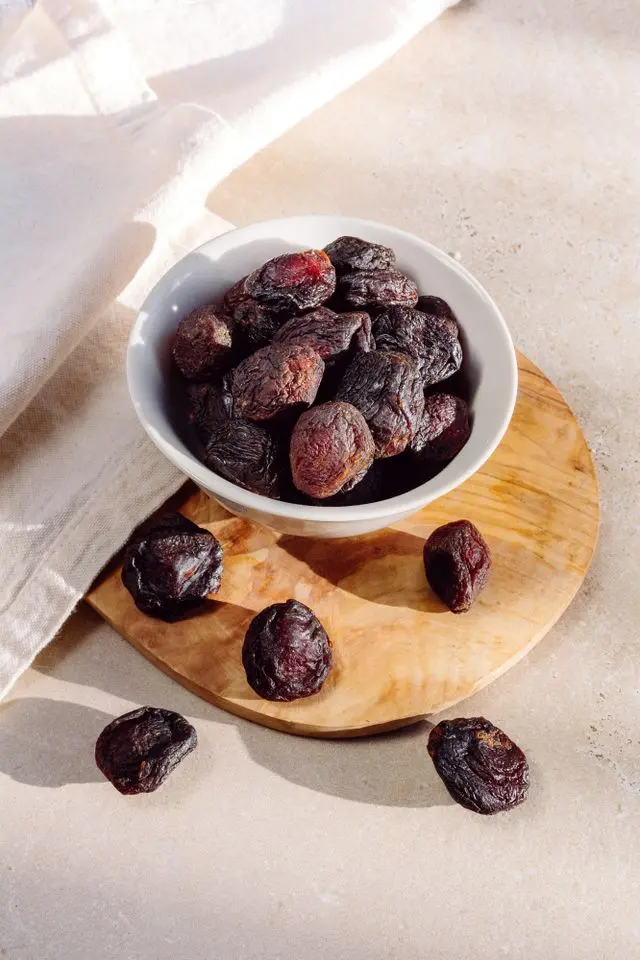
Ginseng has been an integral part of traditional Chinese medicine (TCM) for centuries
September 30, 2026
Hanja Niederhammer
Red ginseng has long been used to relieve menopausal symptoms. A new study now adds to the evidence, showing promising effects on several common symptoms.
Hot flashes, sleep disturbances, mood swings: menopause often brings several troublesome symptoms at once, making the desire for a single treatment that addresses multiple issues all the greater. Alongside hormone replacement therapy, herbal remedies are increasingly coming into focus. One of these is Red Ginseng. A new 2026 study suggests that the root may indeed relieve several typical menopausal symptoms.
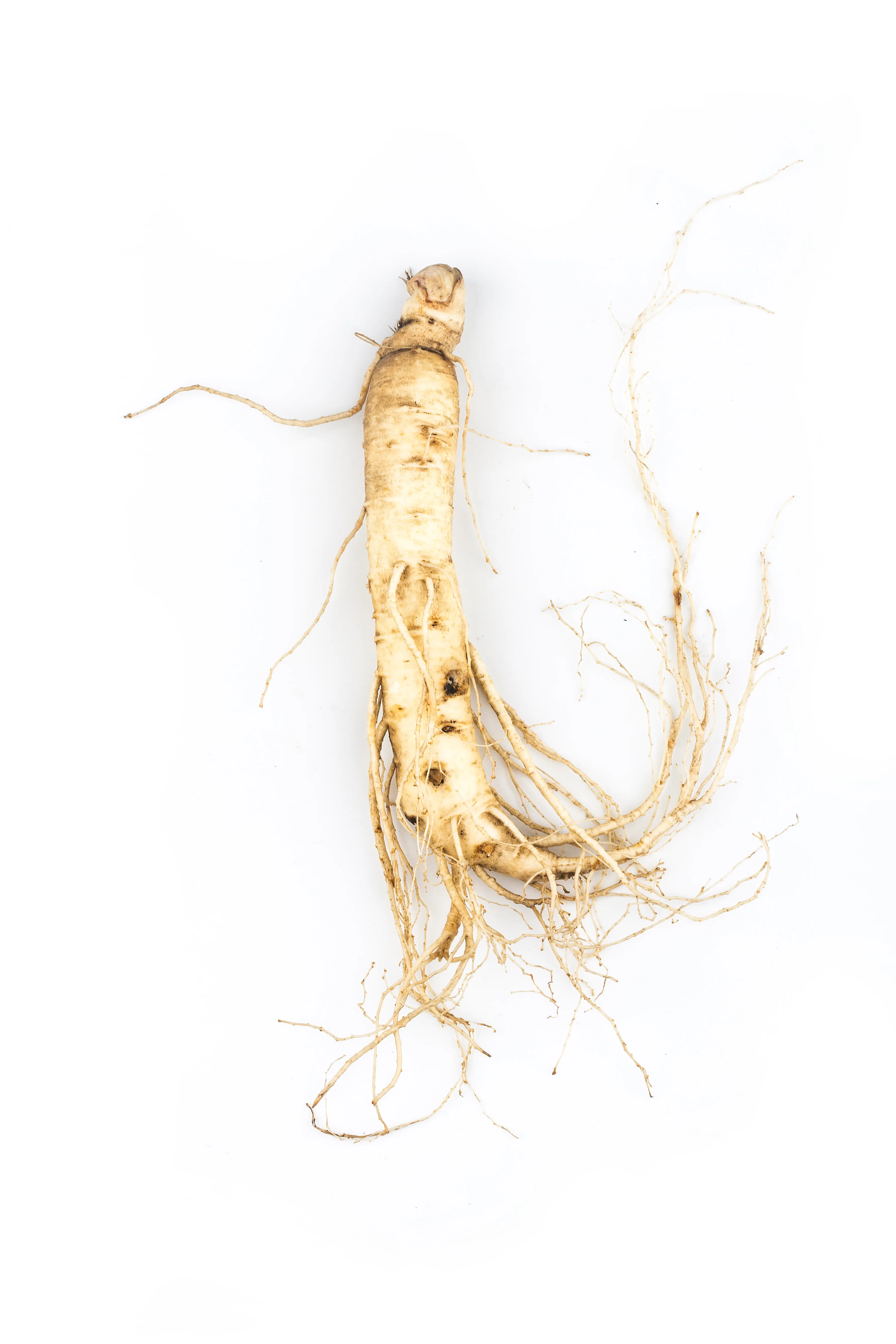
Ginseng has been used in traditional Asian medicine for centuries. Today, the root is available as an extract, powder, capsule, or beverage. Among its most important active components are ginsenosides — a group of plant-derived compounds whose composition varies depending on the type of ginseng and how it is processed.
The most extensively researched species is Panax ginseng, also known as Asian or Korean ginseng. When its root is steamed after harvesting and then dried, the result is known as Red Ginseng — a process that also alters its ginsenoside profile.
A 2026 study published in the Journal of Ginseng Research — a randomized, double-blind, placebo-controlled trial — now provides new data. The trial enrolled 112 women between the ages of 45 and 60 who were experiencing menopausal symptoms. Over 90 days, they received either a red ginseng drink or a placebo.
To track changes, the researchers used several tools, including the Kupperman Index, which covers a range of typical menopausal symptoms.
After three months, the overall score had fallen more in the ginseng group than in the placebo group. Improvements were seen across several areas, including hot flashes and sweating, sleep problems, irritability, depressive symptoms, and fatigue.
The research team also examined various metabolic and fatigue-related parameters. Total and LDL cholesterol decreased in the ginseng group, and positive changes were observed in certain markers associated with physical fatigue.
The 2026 findings are not without precedent. A systematic review and meta-analysis from 2022 had already evaluated 15 placebo-controlled studies on ginseng in women during and after menopause.
In the pooled analysis of three studies involving a total of 515 women, menopausal symptoms and hot flashes declined more with ginseng than with placebo — and the women's quality of life also improved.
Sleep problems are particularly common during menopause. Some women are repeatedly woken by hot flashes and night sweats, while others sleep poorly even when these symptoms are not the primary cause.
In the new study, sleep problems decreased more with Red Ginseng than with placebo. This was reflected not only in the general symptom score but also on the Athens Insomnia Scale, a dedicated questionnaire for assessing sleep disorders.
What underlies this effect remains unclear. It is possible that better sleep was a downstream benefit of other menopausal symptoms subsiding. Direct effects of ginseng on stress and regulatory systems have also been proposed. Which mechanisms are decisive in humans has not yet been established.
The effect of ginseng on women's sexuality has also been under investigation for some time. A small placebo-controlled double-blind study with 32 women found that Red Ginseng improved sexual arousal.
A further randomized study with 62 postmenopausal women also produced positive results: after four weeks, sexual function had improved more with Panax ginseng than with placebo.
Also worth noting is a study with 55 premenopausal women who had entered menopause surgically due to gynecological cancer. They received either three grams of Korean Red Ginseng or a placebo daily for twelve weeks. No difference between the groups was found for general menopausal symptoms, but ginseng outperformed placebo for sexual symptoms. Taken together, the individual studies paint a rather encouraging picture.
Despite improvements in several symptoms, measured female hormone levels did not change significantly in the new study. No meaningful difference in uterine lining thickness was found either.
The effects therefore cannot simply be explained by ginseng raising estrogen levels — a conclusion consistent with earlier studies. Ginseng is thus not equivalent to hormone replacement therapy.
Anyone searching for a ginseng product will find an array of options — Red and White Ginseng, powders, extracts, capsules, and drinkable ampoules. These products cannot be readily compared with one another.
A large proportion of clinical research on menopausal symptoms focuses on Korean Red Ginseng or standardized extracts derived from it. What matters, therefore, is not simply that "ginseng" appears on the label, but which type and which extract are actually contained.
No universally applicable dosage can yet be derived from the available studies, as different quantities and preparations were used across the various trials. Anyone wishing to try ginseng should look for a clearly labeled product and follow the recommended dosage.
Ginseng was generally well tolerated in clinical studies, though side effects such as gastrointestinal complaints or sleep disturbances are still possible.
Potential interactions with medications should also be kept in mind. Anyone who takes medication regularly or has a chronic condition should consult a doctor or pharmacist before using a higher-dose ginseng product.
The new study adds scientific support for Red Ginseng. Together with earlier research, there is now growing evidence that the root can help relieve menopausal symptoms, apparently without directly interfering with hormone balance.
Not all questions have been answered yet. But a traditional herbal remedy is increasingly becoming an option that modern menopause research is taking seriously.

"Feel good, live better" This podcast episode with Prof. Dr. Helen Abel is all about hands and how to keep them mobile – even with arthritis
Christine Bürg

An interview with

How often should beginners run, when should they increase their training, and how important are rest days? Physiotherapist Nils Stützer explains how to build a healthy running routine, what role running technique plays, and how to avoid overuse injuries.
Christine Bürg & Marianne Waldenfels

With
Nils Stützer