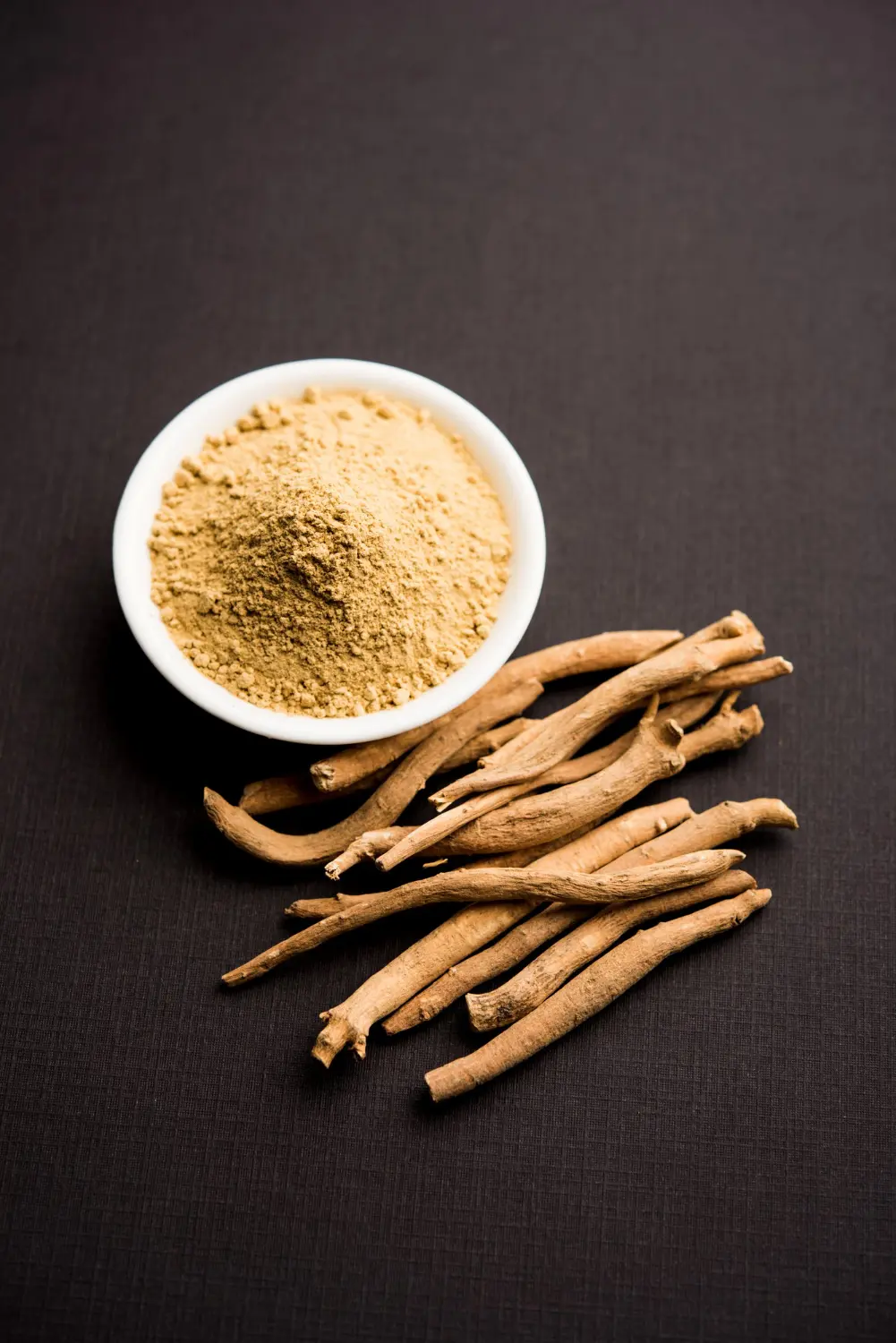
© © Fatih Kerim Tülü
September 1, 2026
Sharon Burbat
Chaste tree berry has a strong reputation for hormonal complaints. Its effects have been studied most thoroughly in the context of PMS. The evidence for fertility issues and menopausal symptoms, however, tells a rather different story.
Chaste tree berry is one of the best-known herbal remedies for hormonal complaints. It is most commonly used for PMS, breast tenderness, and menstrual cycle problems. But Vitex agnus-castus is also regularly recommended for women who are trying to conceive and for those going through menopause.
Clinical studies exist primarily for premenstrual syndrome, while the evidence for fertility issues and menopausal symptoms is considerably thinner. There are also several important things to keep in mind regarding dosage and administration.
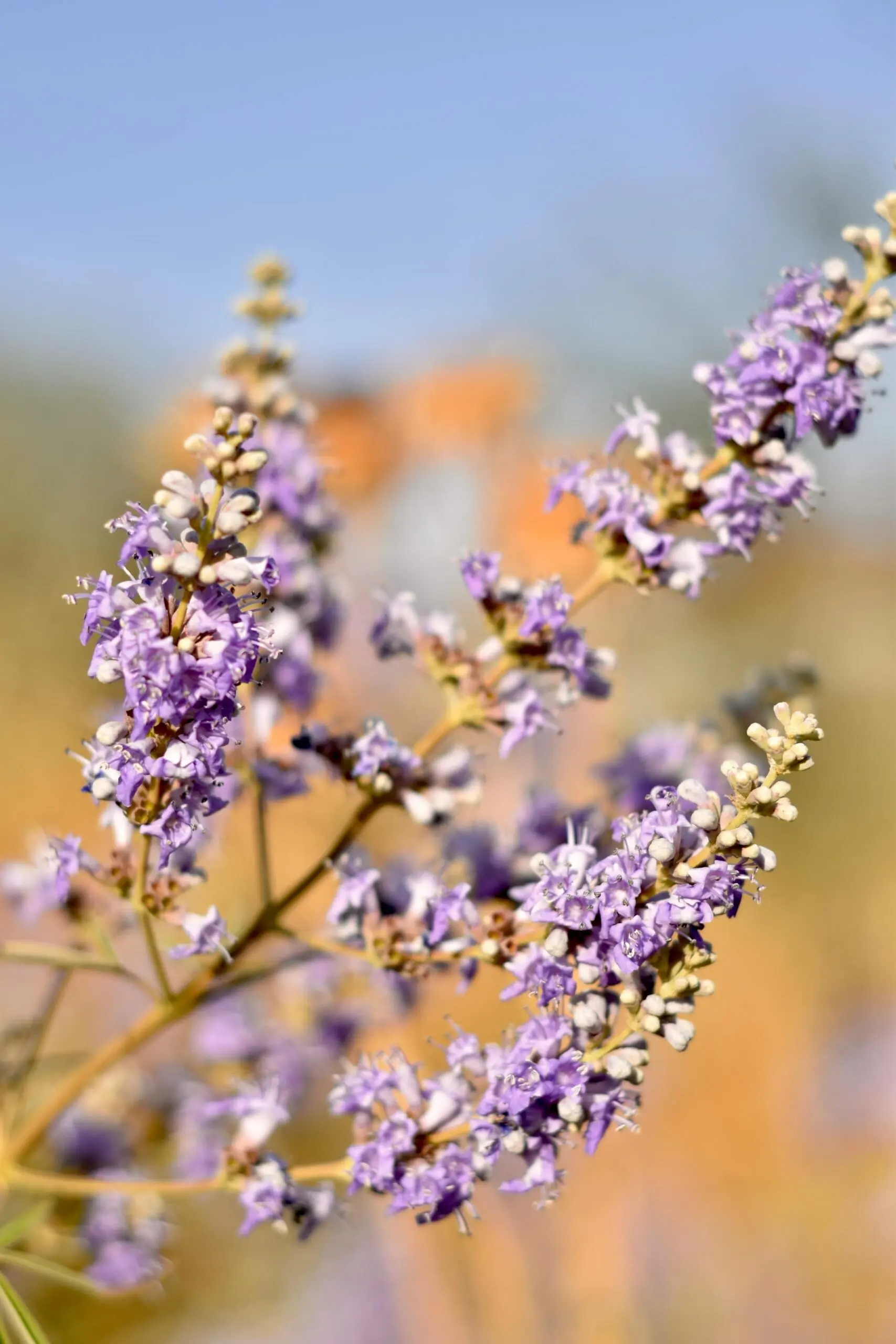
Chaste tree berry (Vitex agnus-castus) is a shrub that can grow several meters tall and belongs to the mint family. It is native primarily to the Mediterranean region and western Asia. The plant's fruits are used medicinally and contain, among other things, essential oils, flavonoids, and diterpenes.
Chaste tree berry likely owes its unusual name to its historical use in monasteries. The reddish-black, sharp-tasting fruits were used as a pepper substitute, and the plant was regarded as a "chaste spice" because it was believed to dampen sexual drive — though this effect has never been scientifically proven.
Today, chaste tree berry extracts are used primarily for complaints that arise before menstruation. The European Medicines Agency (EMA) recognizes a specific dry extract from chaste tree berry fruits as a treatment for premenstrual syndrome, classifying it as a medically established use.
Research suggests that certain active compounds in chaste tree berry act on dopamine D2 receptors, which in turn influences the release of the hormone prolactin from the pituitary gland.
Prolactin is best known for its role during pregnancy and breastfeeding. Outside of these phases, significantly elevated prolactin levels can impair the menstrual cycle and disrupt ovulation.
Chaste tree berry is therefore often described as "hormone-regulating" — but this is an oversimplification. The plant does not universally balance female hormone levels, and the EMA notes that its mechanism of action has not been fully clarified.
Chaste tree berry has been most thoroughly studied for premenstrual syndrome (PMS). Typical symptoms include irritability, mood swings, headaches, breast tenderness, and bloating.
In a randomized study published in 2025, 108 female students with moderate to severe PMS were divided into three groups: one received chaste tree berry, one received soy, and one received a combination of both. After two menstrual cycles, symptoms had decreased in all three groups. The combination of chaste tree berry and soy outperformed chaste tree berry alone for psychological and overall PMS symptoms.
The study did not include a placebo group, however, which makes it difficult to determine the true size of chaste tree berry's specific effect.
More informative on this question is an older randomized, double-blind, placebo-controlled study involving 170 evaluable women. After three menstrual cycles, 52 percent of women taking chaste tree berry achieved at least a 50 percent improvement in symptoms, compared with 24 percent in the placebo group.
A systematic review and meta-analysis evaluated 17 randomized studies, 14 of which could be included in the quantitative analysis. Of these 14 studies, 13 reported positive effects of chaste tree berry on overall PMS symptoms.
The authors themselves urged caution, however: many of the studies carried a high risk of bias, and the results varied considerably. The actual effect may therefore be smaller than the pooled study results suggest.
Bottom line: There is good evidence that certain standardized chaste tree berry extracts can relieve PMS symptoms. However, the exact size of this effect cannot be pinpointed precisely, given the quality and variability of the available studies.
Chaste tree berry is also frequently recommended for irregular cycles and difficulty conceiving. The scientific basis for these uses, however, is considerably weaker than for PMS.
Chaste tree berry may be most helpful when cycle irregularities are linked to elevated prolactin levels. A small randomized, placebo-controlled double-blind study examined 52 women with a shortened luteal phase and so-called latent hyperprolactinemia.
After three months, the chaste tree berry preparation studied produced, among other findings, a reduced prolactin response, and the previously shortened second half of the cycle normalized. Only 37 participants, however, could be fully evaluated.
A systematic review on chaste tree berry for female reproductive disorders highlights just how limited the data are: of twelve randomized studies included, ten focused on PMS or PMDD, and only two on latent hyperprolactinemia.
It cannot be concluded from this that chaste tree berry generally increases fertility or raises the likelihood of pregnancy. Reliable direct evidence for higher pregnancy rates is lacking.
For women trying to conceive, the underlying reasons for not becoming pregnant should first be investigated. Chaste tree berry is not a fertility treatment and is no substitute for gynecological or reproductive medicine diagnostics.
The evidence is considerably weaker when it comes to menopausal symptoms. Although chaste tree berry is widely marketed for hot flashes, sleep problems, and mood swings, reliable clinical data remain limited.
A randomized, placebo-controlled study involving 100 women examined a combination of chaste tree berry and St. John's wort over 16 weeks. For the menopausal symptoms assessed, no significant advantage over placebo was found. Since chaste tree berry was not used alone in this study, it is impossible to determine what role the plant played in any observed effect.
A recent 2026 review is therefore of particular interest. The authors compiled existing research on chaste tree berry in menopause, describing possible effects on various neuroendocrine signaling pathways and discussing potential effects on mood and vasomotor symptoms, among others.
The available data are not yet sufficient to support a clear recommendation, however. The authors emphasize that further research is needed — for example, on optimal dosing, on which women are most likely to benefit, and on standardized criteria for evaluating efficacy.
Chaste tree berry is typically available as a ready-made medicine in tablet or capsule form. It is important to note that the quantities stated on different products cannot simply be compared with one another — depending on the extraction method and concentration, different amounts may be required.
The EMA's European medicine monograph specifies a daily dose of 20 milligrams once daily for a specific established dry extract used to treat PMS. Different dosages apply to other preparations. The dosage specified for the individual medicine or stated in the package insert should therefore always be followed.
Patience is also required: for this extract, the EMA recommends continuous use for three months to achieve the optimal treatment effect. If symptoms persist beyond that point, medical advice should be sought.
A blanket claim that chaste tree berry generally takes effect within four to six weeks cannot be reliably supported by the available study data.
Chaste tree berry is generally considered to be relatively well tolerated. Side effects can occur nonetheless. The EMA lists, among others: headaches and dizziness; gastrointestinal complaints such as nausea or abdominal pain; skin reactions such as rash or acne; and menstrual disorders. Severe allergic reactions have also been reported.
Given its possible dopaminergic and hormonal effects, interactions with other medications are also conceivable. Anyone taking dopamine agonists, dopamine antagonists, estrogens, or antiestrogens should discuss the use of chaste tree berry with a doctor beforehand.
Chaste tree berry is not recommended during pregnancy or breastfeeding. Medical advice is also important before use in people with pituitary gland disorders or estrogen-sensitive tumor conditions.
Chaste tree berry has more scientific backing than many other medicinal plants — but primarily for PMS. For many of the other benefits attributed to it, the research is considerably less convincing. This is especially true for fertility issues and typical menopausal symptoms.
Chaste tree berry is therefore neither an ineffective herbal preparation nor the natural "hormone regulator" it is so often called. It is best described as a well-studied option for a fairly specific problem: symptoms in the days before menstruation.
How long does it take for chaste tree berry to work?
An effect should not be expected right away. Clinical studies typically assess treatment over several menstrual cycles. For one specific standardized extract, the EMA recommends continuous use for three months.
Can you take chaste tree berry together with the pill?
Possible interactions with hormonally active medicines cannot be ruled out. Anyone using hormonal contraception should discuss taking chaste tree berry with a doctor or pharmacist beforehand.
When should you not take chaste tree berry?
Chaste tree berry is not recommended during pregnancy or breastfeeding. Medical advice should also be sought before use in cases of pituitary gland disorders or estrogen-sensitive tumor conditions, and when taking certain medications that act on the hormonal or dopamine system.

"Feel Good, Live Better" – In this podcast episode, Prof. Dr. Carina Riediger explains why liver tumors can be cured more often than you might expect.
Christine Bürg

An interview with
Prof. Dr. med. Carina Riediger, MSc

Medfluencers enjoy a high level of trust and reach millions with health advice. But on social media, reach often counts for more than scientific evidence. Prof. Dominik Pförringer examines the troubling intersection of medicine, influence, and commercial interests.
Prof. Dominik Pförringer

By
Univ.-Prof. Dr. med. Dominik Pförringer

Wegovy is now available as a pill. But how does it compare with the weekly injection? Prof. Uwe Nixdorff explains the key differences in effectiveness, use, and side effects.
Christine Bürg & Marianne Waldenfels

With
Prof. Dr. Uwe Nixdorff