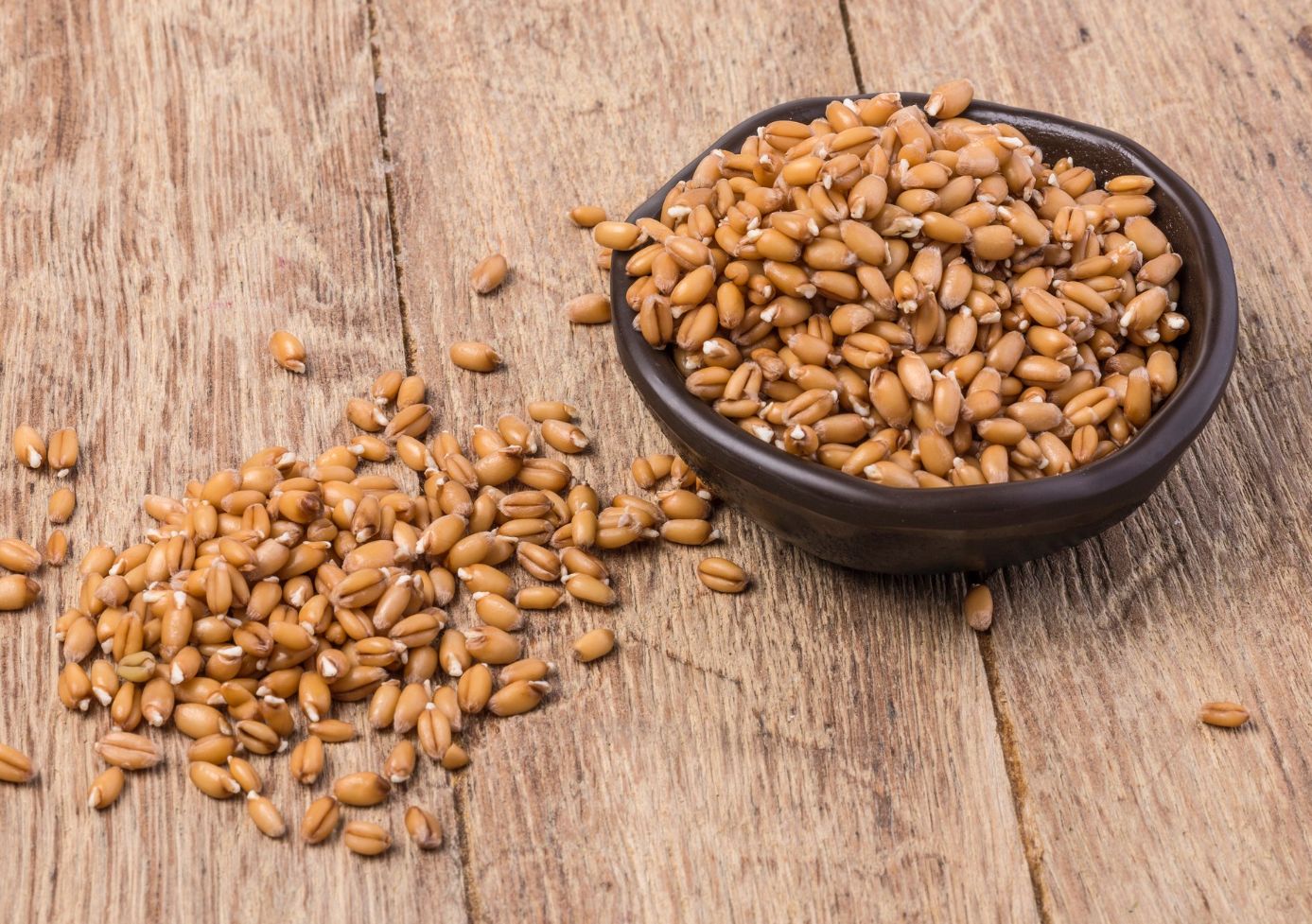
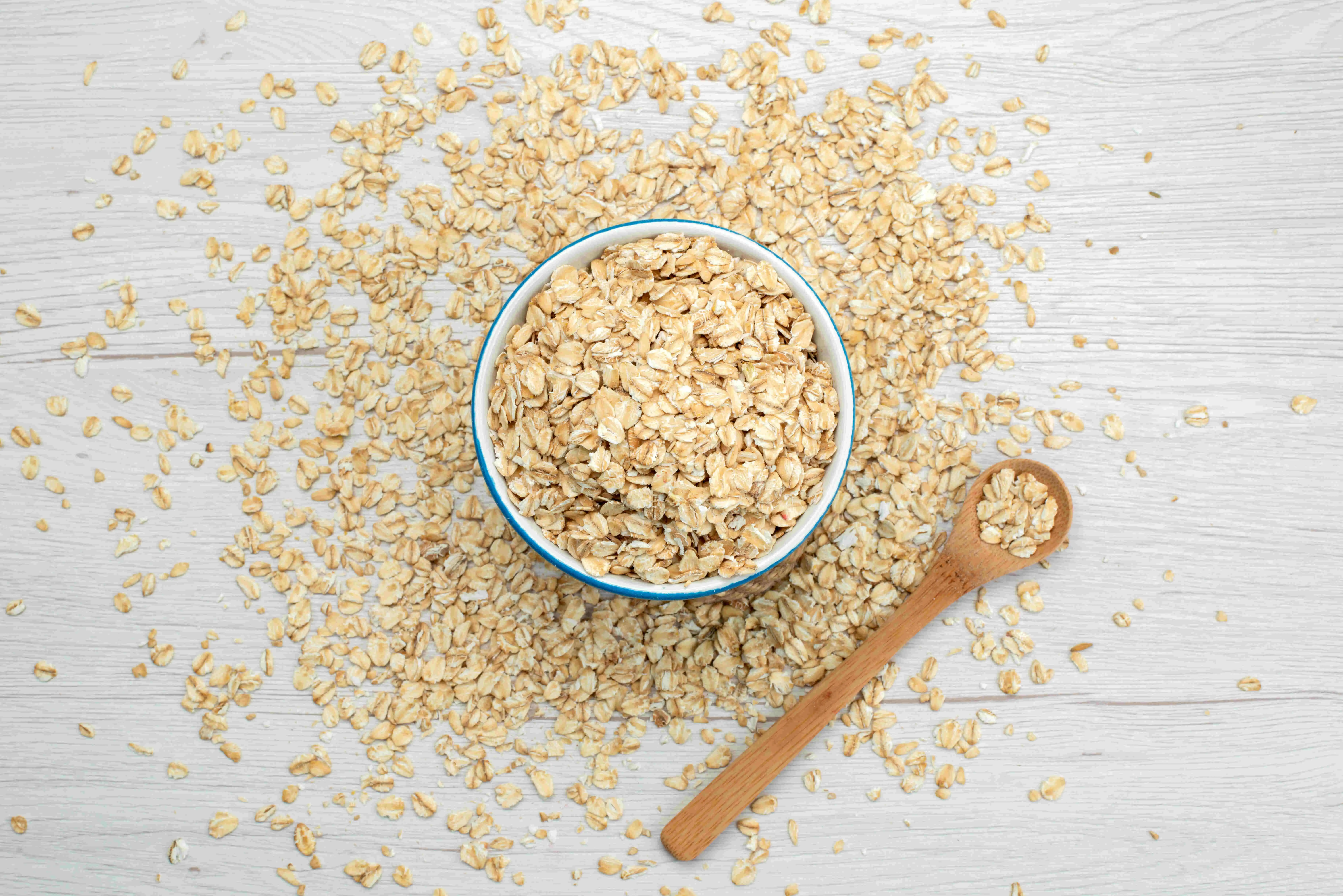
© KI-generiert mit ChatGPT
October 20, 2026
Marianne Waldenfels
Quinoa costs several times more than oats and is often touted as a top plant-based protein source. But a closer comparison puts its superfood reputation to the test. Here’s what the two foods actually deliver when it comes to protein, cholesterol, and blood sugar.
Proteinis the nutrition topic of the moment. On social media, people track every gram of protein, and in supermarkets, "High Protein" now appears on everything from pudding to chips. Quinoa benefits from this trend like almost no other food: the Andean grain is celebrated as a plant-based protein powerhouse and turns up in bowls, salads, and breakfast recipes. Oats, by comparison, can seem like the dull breakfast of a bygone era. That reputation is undeserved, as a closer look at nutritional values and research reveals.
Around 13 grams of protein are found in 100 grams ofoats, while quinoa contains approximately 12 to 14 grams depending on the variety. A typical 40-gram serving therefore provides around five grams of protein in both cases. The difference is so small that it barely matters in everyday life.
Crucially, though, this comparison is based on dry weights. Cooked quinoa contains significantly less protein per 100 grams, because the grains absorb water during cooking.
Anyone looking to deliberately increase their protein intake is better served by legumes, tofu, dairy products, or eggs. Even the same amount of dried red lentils provides roughly twice as much protein as quinoa.
Quinoa does have one genuine advantage: it contains all nine essential amino acids — the protein building blocks the body cannot produce on its own. Quinoa is particularly notable for its lysine content compared with many classic grains.
This makes quinoa a valuable plant-based protein source, but not necessarily an especially protein-rich one. What ultimately matters is how much protein a food provides overall and how efficiently the body can use it.
People following a plant-based diet can combine variousprotein sourcesthroughout the day — for example, grains paired with legumes. Quinoa works well for this, but it isn't a requirement.
Oats' real trump card isn't protein — it's a soluble fiber called beta-glucan. In the gut, beta-glucan forms a gel-like mass that, among other things, binds bile acids. The body then has to produce new bile acids, drawing on cholesterol to do so.
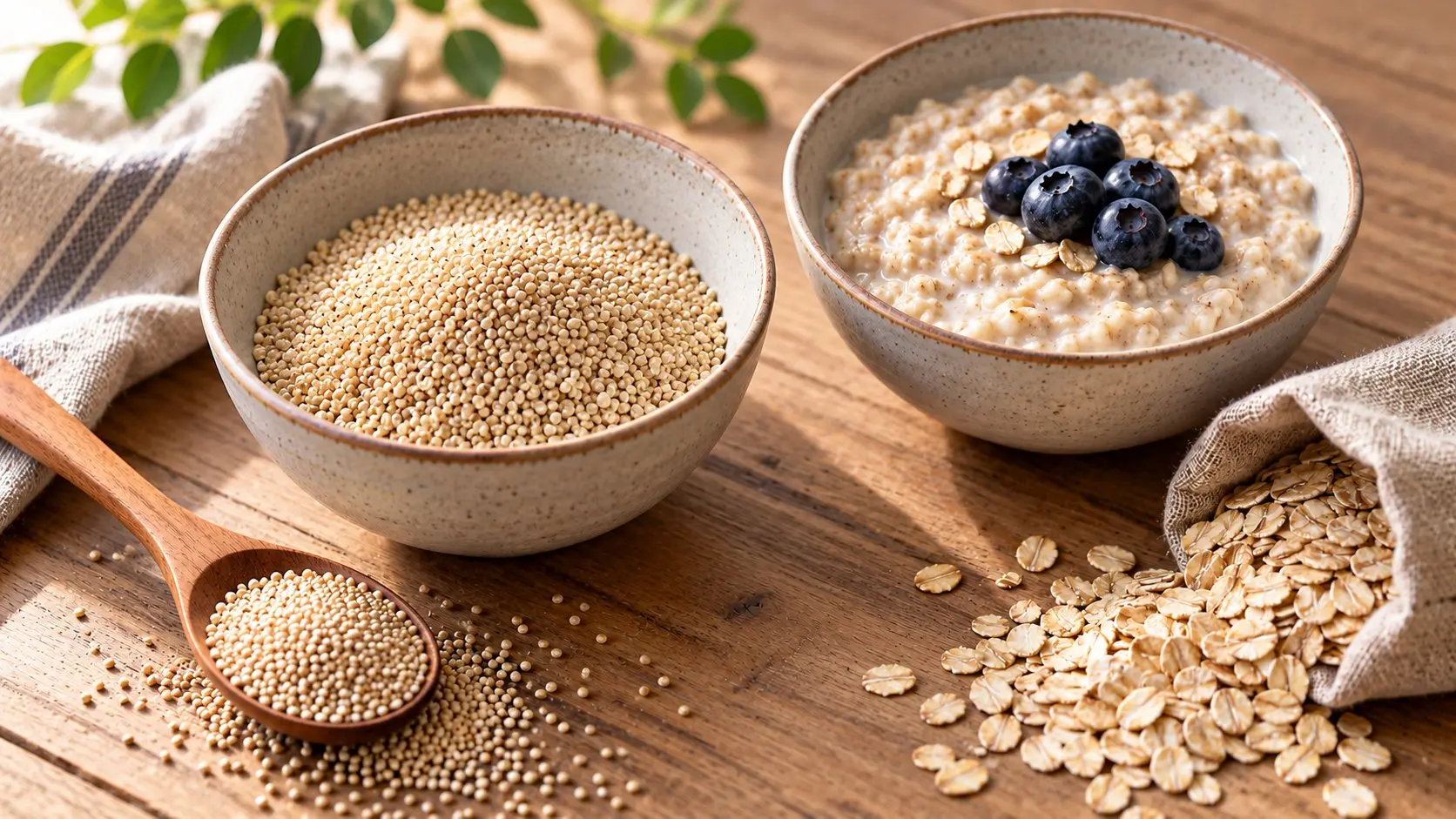
The effect is well supported by science. Ameta-analysis published in 2026involving 49 studies and a total of 3,854 participants found that beta-glucan from grains reduced LDL cholesterol by an average of around 7.3 mg/dl. The effect was most pronounced with a daily intake of at least three grams over six weeks or more.
A2026 study from the University of Bonnalso shed new light on the topic: after just two days of consuming 300 grams of oats daily, LDL cholesterol dropped significantly in people with metabolic syndrome. The researchers also found indications that metabolic byproducts of gut bacteria may play a role in this effect. However, the results cannot be directly applied to a typical breakfast serving.
In addition, oats contain around ten grams ofdietary fiberper 100 grams, which is more than raw quinoa at approximately seven grams.
That said, quinoa can't be entirely demystified. When it comes toblood sugar, there are now promising signs of an independent benefit.
In arandomized study from 2025, Chinese researchers examined 207 people with impaired glucose tolerance, a precursor to type 2 diabetes. Participants were divided into three groups: one group replaced part of their usual staple foods with 100 grams of quinoa daily, a second received an equivalent amount of various whole grain products, and the third continued their usual diet.
After one year, the quinoa group showed better results on several important metabolic markers. Post-meal blood sugar levels and insulin resistance were more favorable, and more participants returned to normal blood sugar levels compared with the control groups.
This goes beyond a simple nutritional comparison. The study suggests that quinoa may be a worthwhile addition to the diet for people at elevated risk of diabetes.
However, the amounts consumed daily were comparatively large, and no direct comparison was made withoats. It is therefore not possible to conclude from this whether quinoa affects blood sugar more favorably than oats.
A furtherstudy from 2025adds to the evidence for quinoa's health benefits. In 46 people with fatty liver disease, researchers looked at what happened when participants replaced other grain products with quinoa at lunch for twelve weeks. The result: they ended up with less liver fat, more favorable insulin levels, and lower LDL cholesterol than the control group. The study was small, however.
In practical terms, this means quinoa can be a particularly good choice when it replaces less favorable side dishes such as white rice.
There are also differences worth noting beyond protein and fiber.
Magnesium:Both quinoa and oats provide substantial amounts. Figures vary considerably depending on the variety and the nutritional database used. A clear health advantage for quinoa cannot be drawn from this.
Iron:Both foods contain plant-based iron. How much the body absorbs depends, among other things, on what else is eaten at the same meal. Vitamin-C-rich ingredients such as bell peppers or citrus fruits can improve absorption.
Gluten:Quinoa is naturally gluten-free. Oats also contain no wheat, rye, or barley gluten, but can become contaminated with these during cultivation and processing. People with celiac disease should therefore only use oats explicitly labeled as gluten-free, provided they tolerate them.
The difference becomes clear at the checkout at the latest. A 500-gram pack of oats at a discount store often costs less than one euro, with branded products around 1.70 euros. Quinoa has become cheaper over time: at dm, 500 grams of organic quinoa costs 2.85 euros, while branded products can cost five euros or more.
Per 40-gram serving, that works out to around six cents for budget oats and at least 23 cents for quinoa. Those who opt for branded products pay correspondingly more. The price gap therefore remains considerable, even if quinoa is no longer as expensive as it once was.
There is also the question of origin. Quinoa traditionally comes from the Andes and is frequently imported from Peru or Bolivia, though European cultivation does now exist. Oats, by contrast, have long been an established domestic crop.
That alone doesn't determine environmental impact. But those who prefer regional products will generally find a wider selection with oats.
Anyone eatingoatsspecifically for cholesterol benefits should pay attention to quantity. Three grams of beta-glucan per day are the threshold for the approved health claim. A 40-gram serving of oats typically provides only a portion of that. Oat bran contains significantly more and can be stirred into yogurt or porridge, for example.
With quinoa, it's worth rinsing the grains before cooking, as directed on the packaging. This removes any residual bitter-tasting saponins. Combined with chickpeas, beans, or vegetables, it makes for a nutritious and satisfying meal.
And for breakfast: plain oats are a great choice. Heavily sweetened instant products, on the other hand, can contain significant amounts of added sugar.
For most people, oats are the better choice. They provide a similar amount of protein to quinoa, more fiber, and have been shown to lower LDL cholesterol — all at a fraction of the price.
Quinoa remains a valuable alternative, especially as a gluten-free side dish and for people who want to keep their blood sugar in check. But those hoping for a decisive health edge from the pricier superfood are likely to be disappointed. The more affordable oat more than holds its own — and even has stronger scientific evidence behind it when it comes to cholesterol.

Implant or your own tissue, now or after treatment — or perhaps no reconstruction at all? Plastic surgeon Dr. Juliane Bodo explains what role radiation plays, what risks to expect, and why no one should make this decision under pressure.
Christine Bürg & Marianne Waldenfels

An interview with
Dr. med. Juliane Bodo

A single hydrogel injection into the knee may relieve osteoarthritis pain for years. Orthopedist Dr. Ivo Breitenbacher has treated around 200 patients with it and explains who the procedure is right for and where its limitations lie
Christine Bürg & Marianne Waldenfels

An interview with
Dr. med. Ivo Breitenbacher

Almost everyone has seen them, and most people ignore them: tiny specks and strands drifting across their vision. Usually, they’re harmless. But sometimes they signal an emergency where quick action can save your sight. Ophthalmologist Dr. Mirka Höltzermann explains which warning signs to watch for.
Christine Bürg & Marianne Waldenfels

An interview with
Dr. Mirka R. Höltzermann

Can fasting relieve hot flashes and other menopausal symptoms? Dr. Verena Buchinger-Kähler shares remarkable cases from her clinical practice and explains how women respond to prolonged fasting – and what science has revealed so far.
Christine Bürg & Marianne Waldenfels
An interview with
Dr. med. Verena Buchinger