While everyone is talking about protein, fiber is often overlooked — even though its effects reach far beyond the gut. Biochemist Dr. Maren Kemper explains what fiber does in the body, how it interacts with the microbiome, and how much we actually need.
They keep you full, feed the microbiome, and can reduce the risk of cardiovascular disease, type 2 diabetes and certain types of cancer: fiber has a great deal to offer when it comes to health — and yet many people consume significantly less of it than recommended. Meanwhile, research is increasingly revealing how far its effects extend beyond digestion.
Biochemist Dr. Maren Kemper has spent years studying the interplay between nutrition, the microbiome, and health. In her new book "Der Ballaststoff-Effekt" (Südwest Verlag), she explains what fiber does in the body and how to incorporate more of it into everyday life. In this interview, she discusses the current fibermaxxing trend, cholesterol and heart health, and why — when it comes to fiber — variety matters just as much as quantity.
What Fiber Does in the Body
Dr. Kemper, many people want to "rebuild" their gut. What actually happens in the microbiome when we increase our fiber intake?
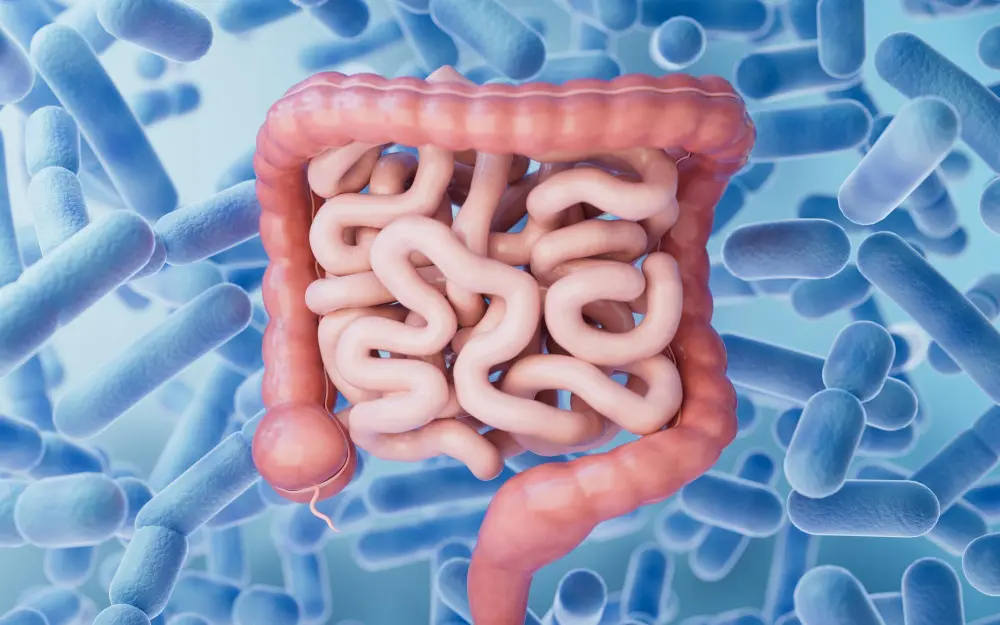
The bacteria that can process fiber get fed and begin to multiply. This happens quickly — the first changes appear within days. These bacteria break down the fibers and, in doing so, produce short-chain fatty acids, most notably butyrate.
Butyrate is an important energy source for the cells lining our intestines. These cells renew themselves completely every few days and require a great deal of energy to do so. When they are well supplied, they produce more mucus and maintain tighter connections between cells, allowing the barrier to function more effectively. These fatty acids also lower the pH in the colon, creating a more acidic environment that is preferred by exactly the bacteria we want there.
And that's not all. A large part of our immune system resides in the intestinal wall, and short-chain fatty acids act directly on these immune cells. Among other things, they promote regulatory T cells — the cells that put the brakes on excessive immune responses. A portion of these fatty acids enter the bloodstream and therefore exert effects well beyond the gut.
That's why we see effects in places that at first glance seem to have nothing to do with the gut — on the skin, for example. There is solid evidence for a connection between the gut barrier, the microbiome, and inflammatory skin conditions. My doctoral thesis was focused right at this interface — at the time, it was still far less well understood. Today, these connections can be measured with much greater precision.
Mood is also part of the picture. The gut communicates with the brain via the vagus nerve and various signaling molecules, and microbial metabolites like butyrate likely play a role in this communication.
So nourishing your gut bacteria well not only supports the gut itself — it also lays the foundation for a well-functioning immune system and for the dialogue between the gut and other organs.
What exactly is the difference between fiber, prebiotics, and probiotics — and what does our gut actually need?
Fiber consists of components of plant-based foods that our digestive enzymes cannot — or cannot fully — break down. A portion of them therefore reaches the large intestine, where they can be used by our gut bacteria.
Prebiotics are a specific group of fibers or indigestible carbohydrates that are selectively used by certain beneficial gut bacteria and can thereby confer a health benefit. There are various types of prebiotics, which also differ in their effects and tolerability.
Probiotics, on the other hand, are live microorganisms that, when consumed in sufficient quantities, provide a health benefit.
For a healthy gut, what matters most is a varied diet with adequate fiber. This nourishes our gut bacteria and supports a diverse microbiome. Probiotics can offer additional benefits in certain situations.
Social media often claims that a healthy gut can be "restored" with probiotics in just a few weeks. How much truth is there to such promises?
The promise is too simplistic. Our microbiome is a complex ecosystem that has developed over years. A probiotic cannot simply replace or permanently reprogram it.
That doesn't mean probiotics are ineffective — quite the contrary. For certain strains, there is good scientific evidence supporting specific applications. They can, for example, support the gut barrier, interact with the immune system, or influence the gut environment. And they don't even need to permanently colonize the gut in order to do so.
For me, probiotics are not a form of 'gut restoration,' but rather targeted support. The foundation remains a varied, fiber-rich diet that nourishes our own microbiome.
How Much Fiber Do We Really Need?
30 grams of fiber per day is considered the benchmark. But is this amount actually right for everyone?
The 30 grams is a guideline, not a magic threshold. The DGE recommends that adults consume at least 30 grams of fiber per day. Large studies show that health benefits become particularly evident in the range of around 25 to 30 grams per day — and even above 30 grams, more fiber can still be beneficial.
In Germany, average intake is often only around 18 grams. For most of us, a significant increase would be worthwhile.
How much an individual needs and tolerates well depends, among other things, on diet, energy intake, and tolerability. People who eat more calories and therefore more food generally consume more fiber as a matter of course. Lower values apply to children, based on age.
And there are situations where 30 grams is not the right target — during an acute flare of ulcerative colitis or Crohn's disease, in the presence of intestinal narrowing, or in the weeks following bowel surgery. In these cases, the appropriate daily amount of fiber should be discussed with the treating physician.
'Fibermaxxing' has spawned its own fiber trend. Is this a positive development — or can too much of a good thing become a problem?
I think the direction is right, but the pace usually isn't. The fact that people are starting to incorporate flaxseeds, legumes, whole grain products, and vegetables into their daily lives is exactly what I'd hope for. Given that we average only around 18 grams of fiber per day, a trend calling for more is actually long overdue.
It becomes problematic when people go too quickly from too little to a lot. Someone who jumps from 18 to 50 grams within a week, for example, can trigger considerable bloating, stomach pain, or changes in bowel habits. It's easy to conclude: "I can't tolerate fiber." But often the fiber itself isn't the problem — the speed is. That's why it's important to increase intake gradually.
The second point is fluid intake, particularly with swelling fibers. Psyllium husks, for example, bind a large amount of water and thereby increase stool volume. Anyone taking them should make sure to drink plenty of fluids — otherwise the desired effect may not occur and constipation can actually worsen.
And there's something that can easily get lost amid all the gram counts: it's not just about quantity, but also about variety. Different fibers are used by different gut bacteria.
That's why it makes sense to eat as wide a range of plant-based foods as possible. A useful practical guide is to aim for 30 different plant-based foods per week — including herbs, spices, nuts, and seeds. It's not a magic number, but simply a good way to bring more variety into your diet.
How Fiber Affects Heart Health and Metabolism
How significant is fiber's impact on cholesterol, blood pressure, and other cardiovascular risk factors?
Fiber can measurably and favorably influence certain cardiovascular risk factors. Its effect on LDL cholesterol is the most thoroughly studied.
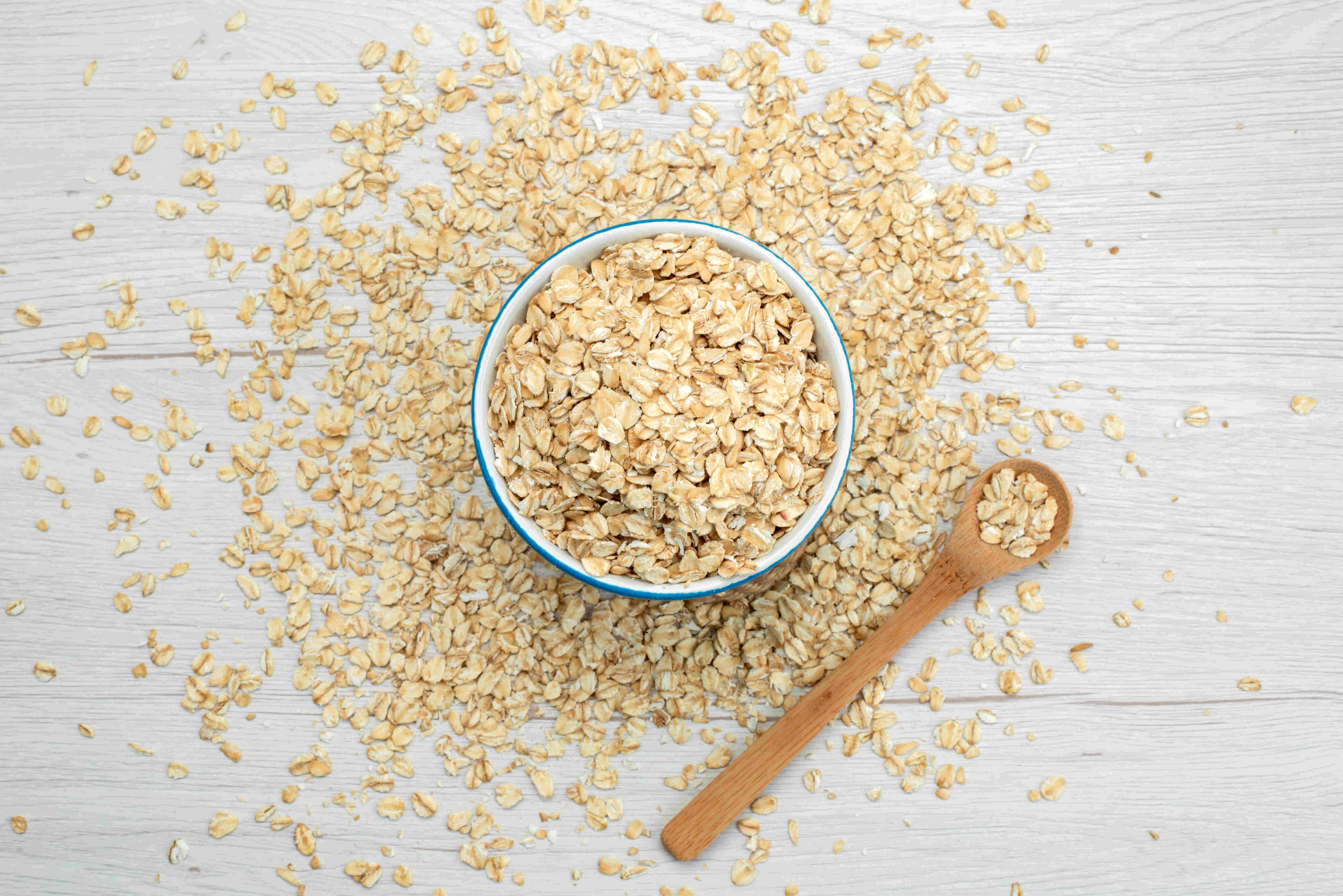
This effect is particularly well documented for soluble, viscous fibers — such as beta-glucans from oats and barley. As little as around three grams of beta-glucan per day can reduce LDL cholesterol by a few percent. Depending on the product, this corresponds to approximately 70 to 100 grams of oats.
How does this work? Viscous fibers interfere with the bile acid cycle in the gut. This prompts the liver to produce new bile acids, using cholesterol in the process — which can lead to a reduction in LDL cholesterol levels in the blood.
Fiber can also have a favorable influence on other risk factors. A fiber-rich diet can, for example, support blood sugar regulation and is associated with lower inflammatory markers. Studies also point to a modest positive effect on blood pressure, though this is less clear-cut than the effect on LDL cholesterol.
Overall, people who eat a lot of fiber have a lower risk of cardiovascular disease. However, how much of this is directly attributable to the fiber itself is difficult to determine precisely, since people with a fiber-rich diet often have a generally healthier lifestyle overall.
And there is one thing fiber cannot do: replace medication. For significantly elevated cholesterol levels, oats alone are generally not enough.
How can you successfully transition to eating more fiber without your gut rebelling?
The most important rule is: increase slowly. I would recommend aiming to add about five grams more per day, and giving the body a few days to a week to adjust before increasing again.
Some bloating is not unusual at first when changing your diet. Our gut bacteria need time to adapt to a new food supply. For many people, these symptoms ease considerably after a few weeks.
With legumes, a few simple tricks can help make them easier to digest: soak them overnight and discard the soaking water, then cook them thoroughly. This helps reduce some of the hard-to-digest carbohydrates. Those who are sensitive can start with hulled red lentils. Canned or jarred beans can also be rinsed well before eating.
With whole grains, I would also recommend a gradual approach — starting by swapping out bread, for example, and later moving on to pasta and rice. There's no need to overhaul your entire diet overnight.
And with swelling fibers in particular, the rule is: drink plenty. Otherwise, stools can become too firm even with a higher fiber intake.
If severe symptoms persist despite a slow and gradual increase over several weeks, it's worth looking more closely. Irritable bowel syndrome, certain food intolerances, or bacterial overgrowth of the small intestine, for example, can cause similar symptoms and may require a different approach.
Can a fiber-rich diet help with weight loss?
Yes — and through several pathways at once.
The first pathway is fairly straightforward. Certain viscous fibers bind water and swell in the gastrointestinal tract, increasing volume and making the food mass more viscous. This can cause us to feel full sooner and slow the rate at which stomach contents move onward, allowing the feeling of satiety to last longer.
The second pathway runs through our microbiome. Certain fibers are fermented by bacteria in the large intestine, producing short-chain fatty acids that can influence signals involved in regulating hunger and satiety — including GLP-1 and PYY.
Modern weight-loss medications also act on the GLP-1 pathway. However, the effect of endogenous GLP-1 produced after a fiber-rich meal is not comparable to the strong and long-lasting effect of a pharmacological GLP-1 receptor agonist.
The third pathway is simple but still valuable for weight management. Many fiber-rich foods — such as vegetables, legumes, and whole grains — have a relatively low energy density. They provide a lot of volume and fiber without containing many calories. Many of these foods also require more chewing, which means we tend to eat more slowly and give our bodies more time to register satiety signals.
Fiber isn't a fat burner, but it can help you feel full on fewer calories — and that can be very helpful when trying to lose weight.
Which Fibers Belong on Your Plate?
Which three foods would you recommend to someone looking to quickly boost their fiber intake?
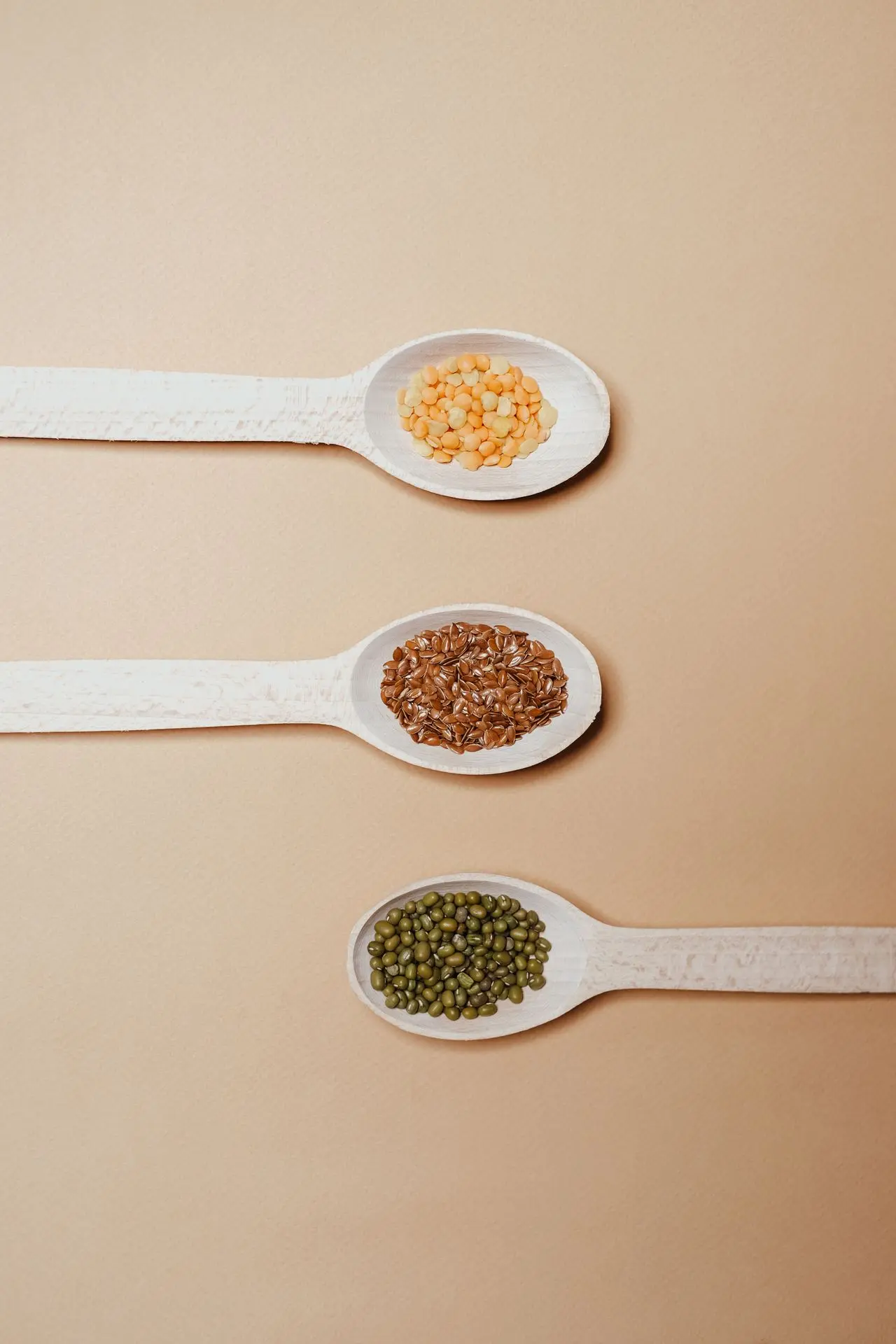
My three favorites for an easy start are red lentils, ground flaxseeds, and oats.
Red lentils provide around seven to eight grams of fiber per 100 grams when cooked. They're quick to prepare, require no soaking, and also deliver plant-based protein.
Ground flaxseeds are another simple way to increase fiber intake. Two tablespoons provide approximately four to five grams of fiber. Grinding makes the fiber and other components of the seed more accessible to the body.
Oats provide around ten grams of fiber per 100 grams, making them another straightforward way to bring more fiber into your daily routine. As with the other two foods, the same rule applies: increase your intake gradually.
When might it be worth taking fiber as a supplement?
It depends on what you're trying to achieve. People who struggle with bowel movements may benefit from psyllium husks. They bind water and form a gel-like mass, which means they can help with constipation while also regulating stools that are too loose. It's important to drink plenty of fluids when taking them.
Those who want to specifically increase their intake of fermentable fiber can turn to inulin or oligofructose, for example. Both are well-researched prebiotic fibers that can, among other things, promote the growth of bifidobacteria. However, they ferment relatively quickly, which can cause bloating, so they are not well tolerated by everyone.
I find acacia fiber particularly interesting for people who are sensitive to rapidly fermentable fibers. It ferments comparatively slowly and can therefore be utilized by bacteria across a longer section of the large intestine. This results in less pronounced discomfort for sensitive individuals. Acacia fiber may also support the growth of certain beneficial gut bacteria.
Which fiber is most beneficial ultimately depends less on which one is "the best" and more on what you want to achieve and how well your body tolerates it.