© Shkraba Anthony
April 5, 2026
Sharon Burbat
More fiber, less hunger – Fibre Maxxing is trending on social media. But too much fiber can cause bloating, abdominal pain, and digestive issues. What’s really behind the trend?
On TikTok and Instagram, "Fibre Maxxing" is currently being celebrated as the key to better health: more fiber, less hunger, a fitter gut. But experts warn: overdoing it can achieve the exact opposite. How meaningful is the trend really – and when does it become a problem?
“Fibre Maxxing” (also: Fibermaxxing) describes the trend of deliberately consuming as much fiber as possible through diet – often significantly more than the classic recommendations suggest. The focus is on natural foods such as whole grains, legumes, vegetables, fruits, as well as nuts and seeds.
The aim is to improve digestion, keep blood sugar stable, and stay full longer.
Fiber (also known as "dietary fibers") are indigestible components of plant-based foods. There is a distinction between soluble and insoluble fiber. While the soluble fiber swell in the digestive tract and enhance the feeling of fullness, insoluble fiber increase stool volume and stimulate bowel activity, ensuring that stool moves more quickly through the intestines. Fiber has a variety of positive effects:
The German Nutrition Society (DGE) recommends adults at least 30 grams of fiber per day.
However, many people do not reach this value. Fibre Maxxing addresses this point – but often goes significantly beyond it.
Fibermaxxing is not about complicated diet plans, but rather about conscious, simple changes:
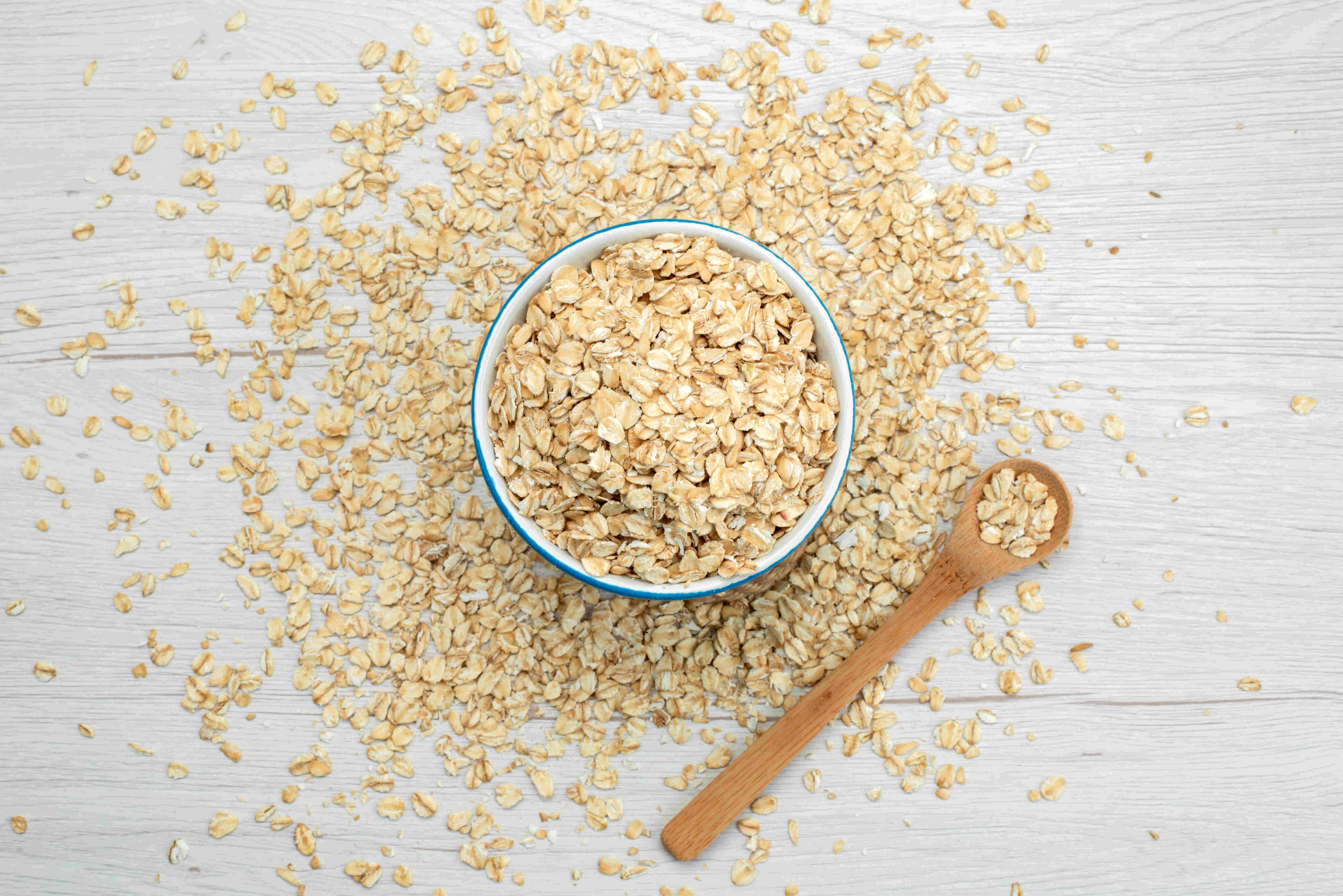
1. Whole grains instead of white flour
Replace white bread, pasta, or rice with whole grain versions. The difference in fiber content is enormous.
2. More legumes
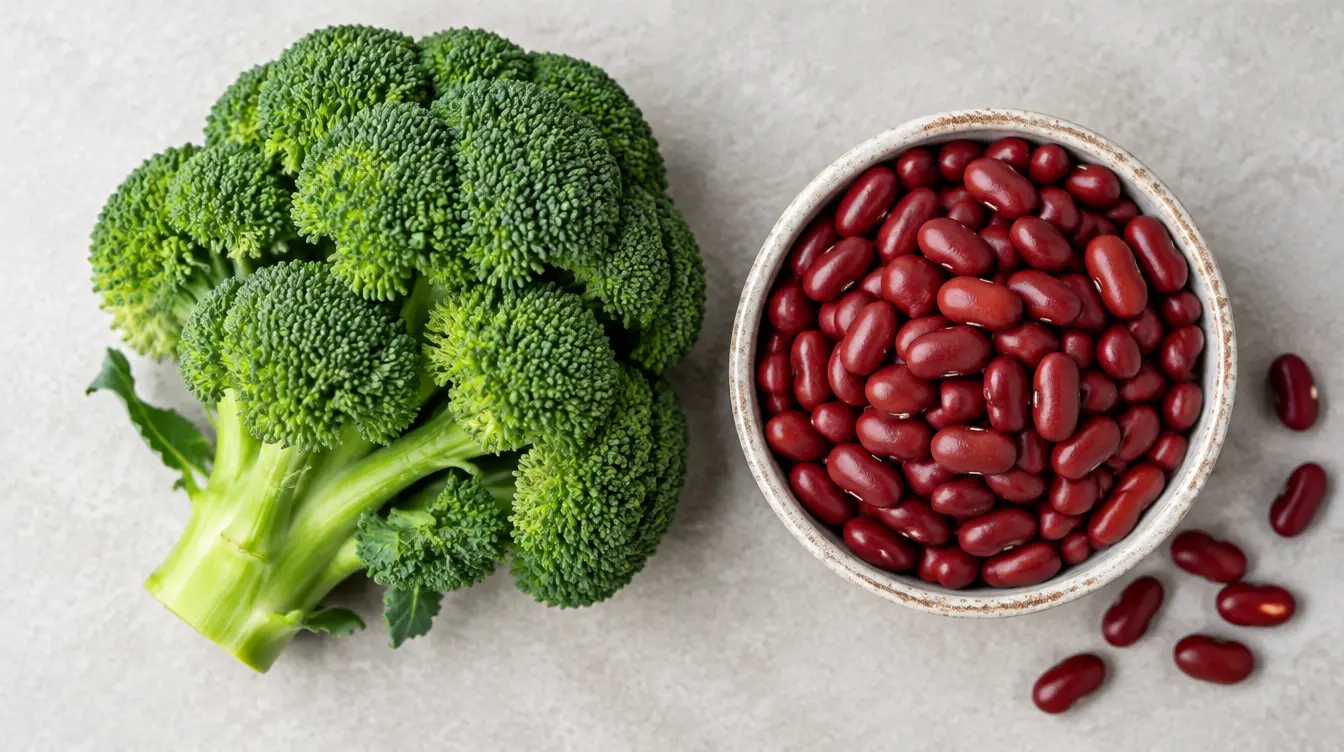
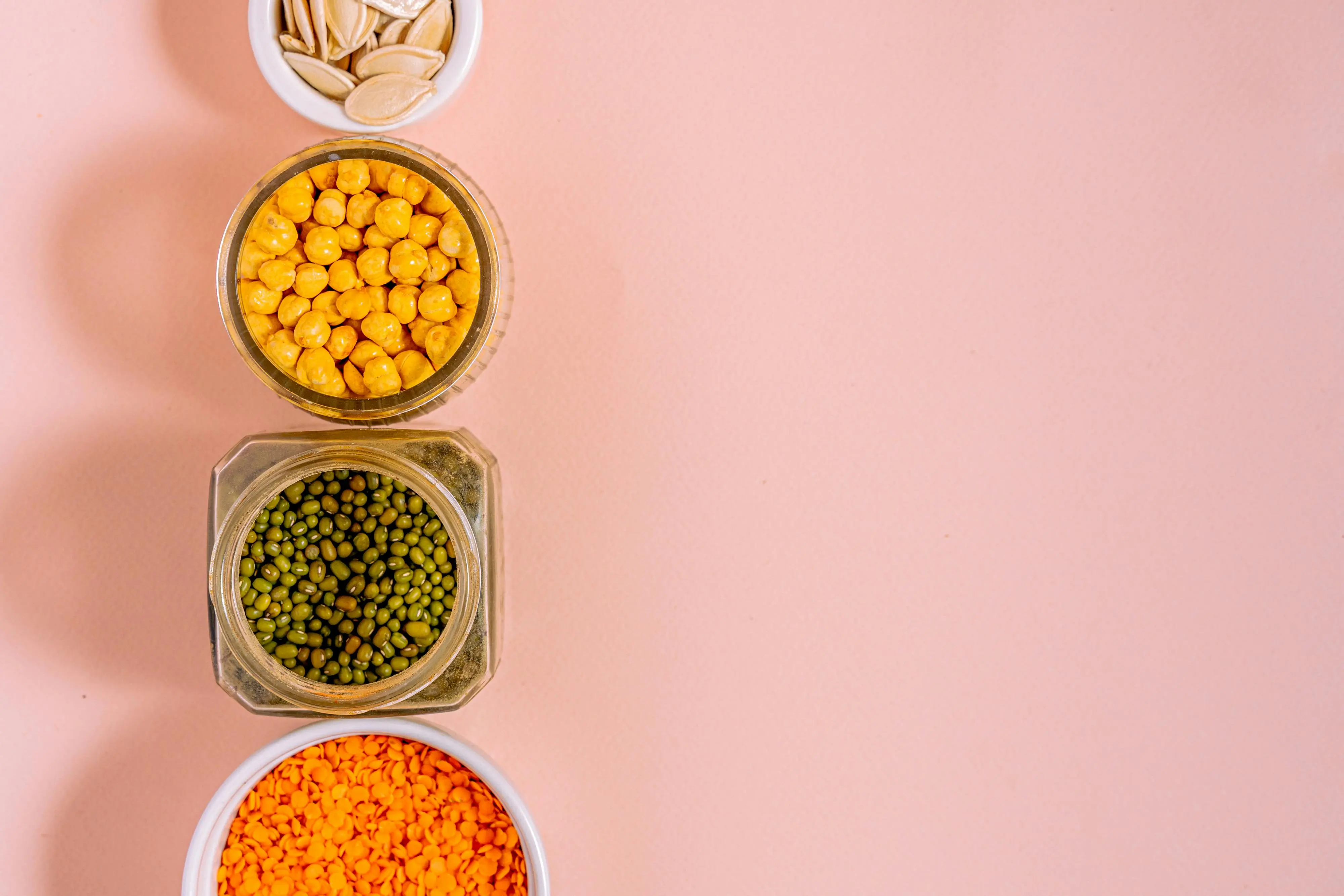
Lentils, chickpeas, black beans & co. provide not only fiber but also high-quality plant protein and micronutrients.
3. Vegetables in every meal
Whether raw, cooked, or fermented – vegetables should be the basis of every meal. Particularly fiber-rich: broccoli, kale, carrots, parsnips.
4. Fruit, but with peel
Berries, apples, pears, plums: All these fruits are high in fiber—provided they are eaten unpeeled.
5. Nuts, seeds & grains
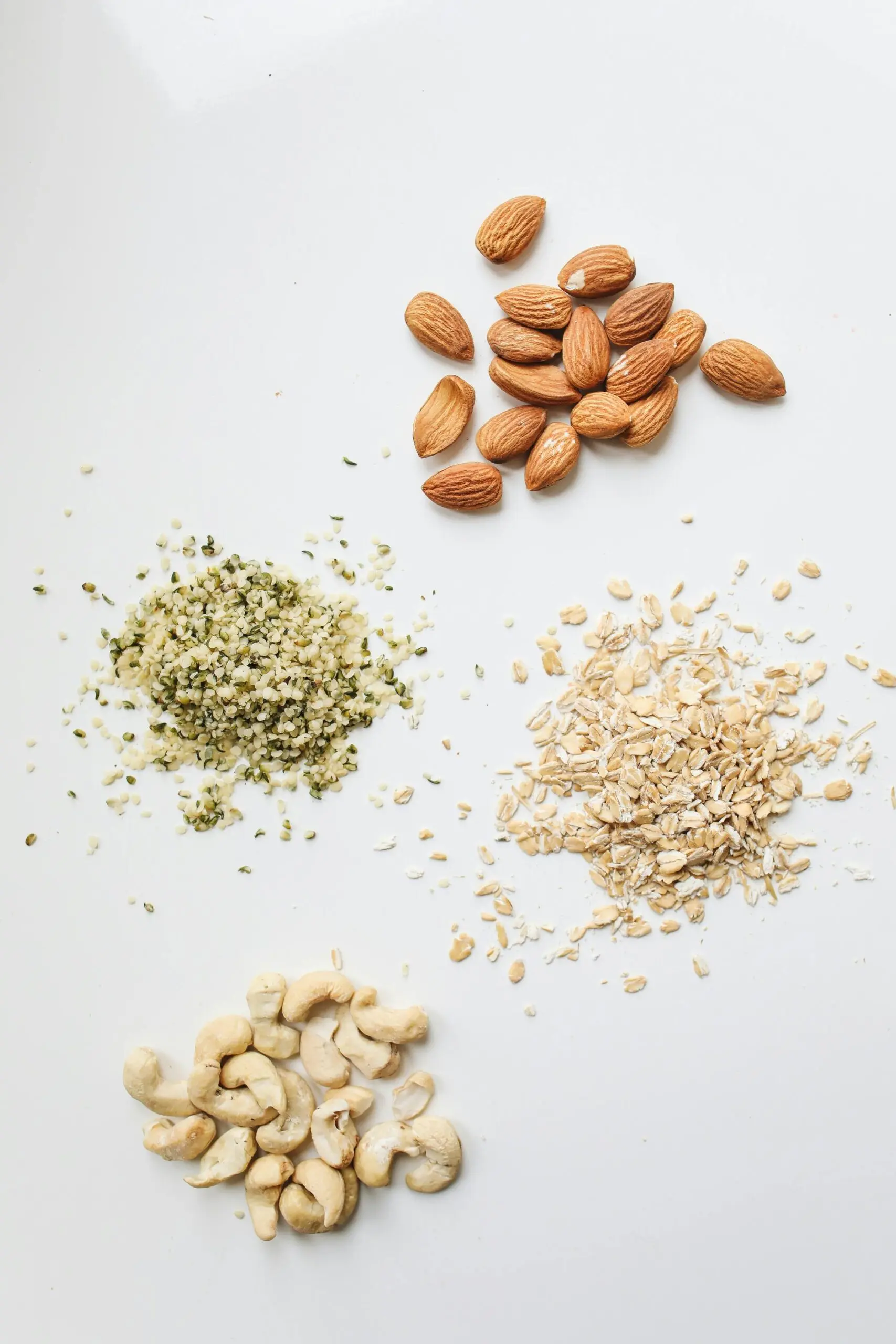
Chia seeds, flaxseeds, almonds, walnuts: they contain not only valuable fatty acids but also many soluble fibers.
Followers of the trend promise:
In fact, many of these effects are well scientifically documented – but only in the right measure.
A sharply increased fiber intake can overwhelm the gut – especially if the change occurs too quickly.
Typical complaints are:
The reason: Fiber is in the Intestine fermented by bacteria. If the amount suddenly increases sharply, it leads to increased gas formation and irritation in the digestive system.
Important: The body needs time to adjust.
Anyone who wants to benefit from the advantages should proceed gradually:
Tip: Small changes in everyday life are often more effective than radical dietary changes.
Those who can particularly benefit:
Caution is advised for:
Here, dietary changes should always be accompanied by a doctor.
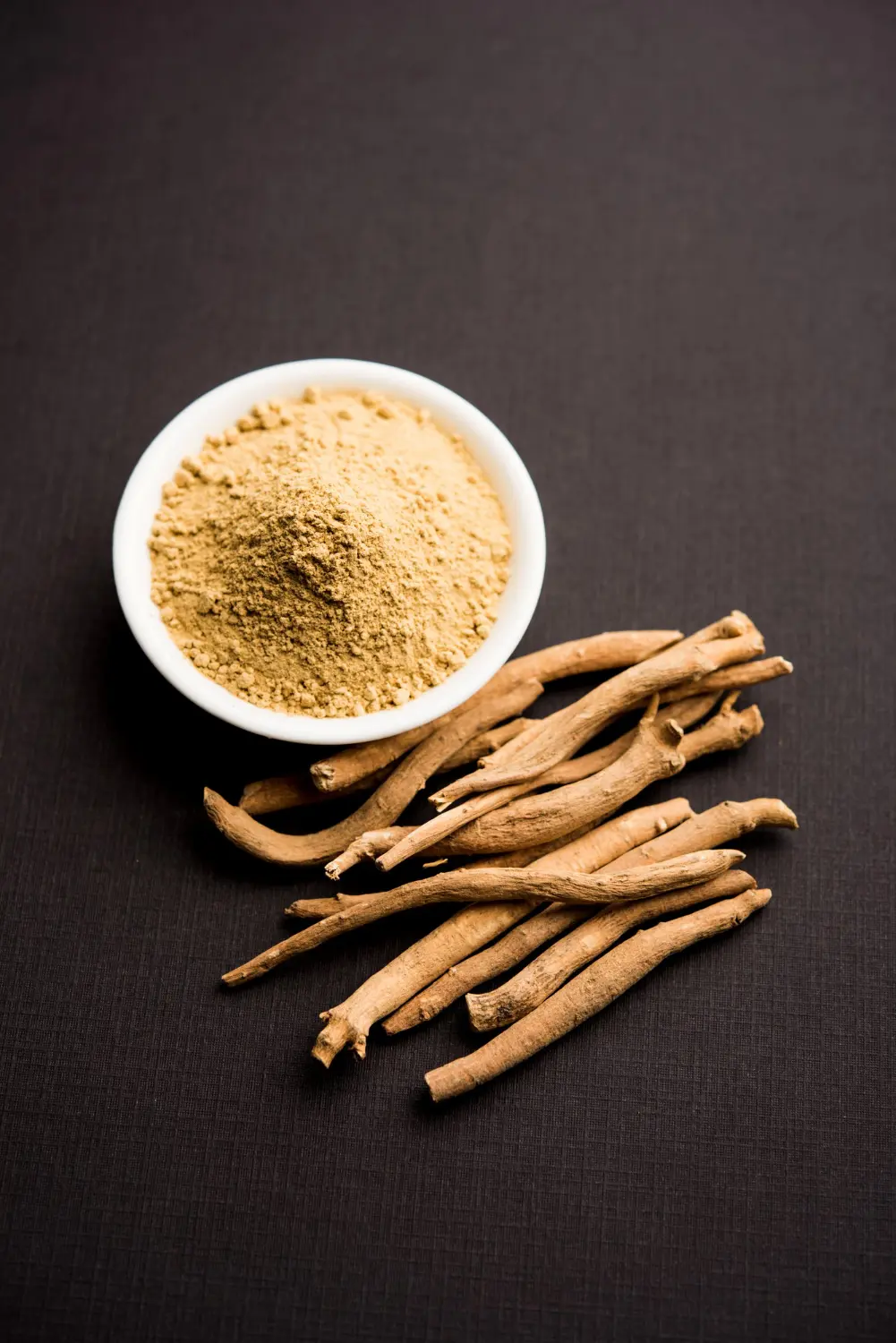
Fiber can also be ingested through supplements, such as psyllium husks, inulin, or wheat bran.
In certain cases, such supplements may be useful – for example:
However, they do not replace a balanced diet. Natural foods provide important vitamins, minerals, and phytochemicals in addition to fiber.
Therefore, the rule is: Supplements can support – but should not be the basis of the diet.
Fibre maxxing addresses a real problem: Many people consume too little fiber. A conscious increase can therefore have positive effects on digestion, satiety, and metabolism.
But the trend is often overinterpreted. A significantly increased fiber intake does not automatically bring additional benefits – and can even cause discomfort with too rapid a transition.
What matters is not eating as much fiber as possible, but finding the right amount for your own body.
If you want to improve your diet in the long term, it's best to rely on a balanced, high-fiber diet with natural foods – instead of extremes.